

There have been a few books on my book wish-list that I have been wanting to get to for my ancient history studies. I have already read several books on Assyria, Hellenistic period, Babylon and have moved on to the Persians. As you can see, I was jumping around a little bit. However, I’ve come to the realization that I will be studying these empires for quite a while and decided to get the next three books on my wish-list. Previously, I was just going to read at least three books on each of these empires from different authors but I feel it is not enough for the writing projects I’m working on.
I received the three books that are below in the mail two days ago and have already started on Assyria by Eckart Frahm. I began with his introduction-which is important to read-and have read several chapters so far. Despite a couple of disagreements, I have from reading Eckart’s intro, his writing is engaging and his knowledge of the Assyrians is impressive. I look forward to seeing how he fleshes out his claims on the points I disagree with. I will remain cryptic on what they are for the time being. That said, if you’ve read the book you probably can guess what they are.
Check out my previous book haul HERE
Stephanie
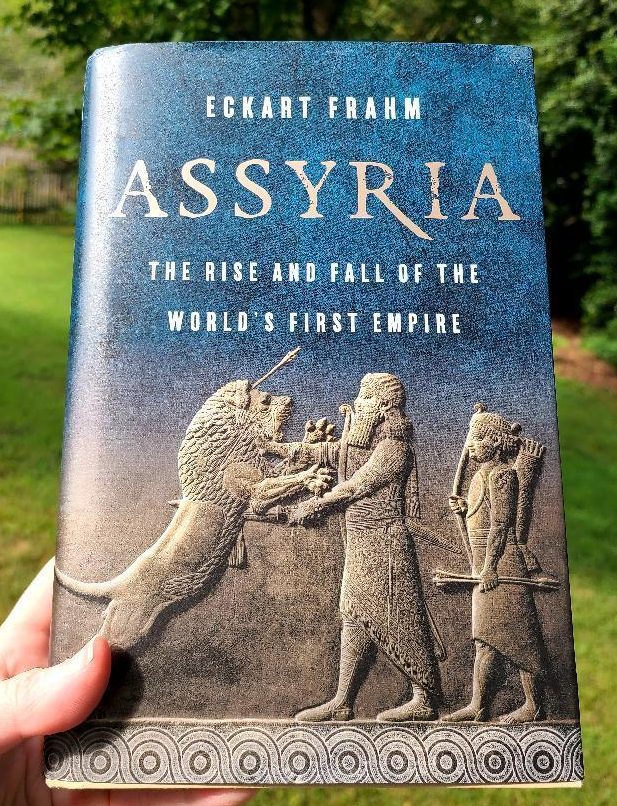
Assyria: The Rise and Fall of the World’s First Empire by Eckart Frahm
At its height in 660 BCE, the kingdom of Assyria stretched from the Mediterranean Sea to the Persian Gulf. It was the first empire the world had ever seen. Here, historian Eckart Frahm tells the epic story of Assyria and its formative role in global history. Assyria’s wide-ranging conquests have long been known from the Hebrew Bible and later Greek accounts. But nearly two centuries of research now permit a rich picture of the Assyrians and their empire beyond their vast libraries and monumental sculptures, their elaborate trade and information networks, and the crucial role played by royal women.
Although Assyria was crushed by rising powers in the late seventh century BCE, its legacy endured from the Babylonian and Persian empires to Rome and beyond. Assyria is a stunning and authoritative account of a civilization essential to understanding the ancient world and our own.
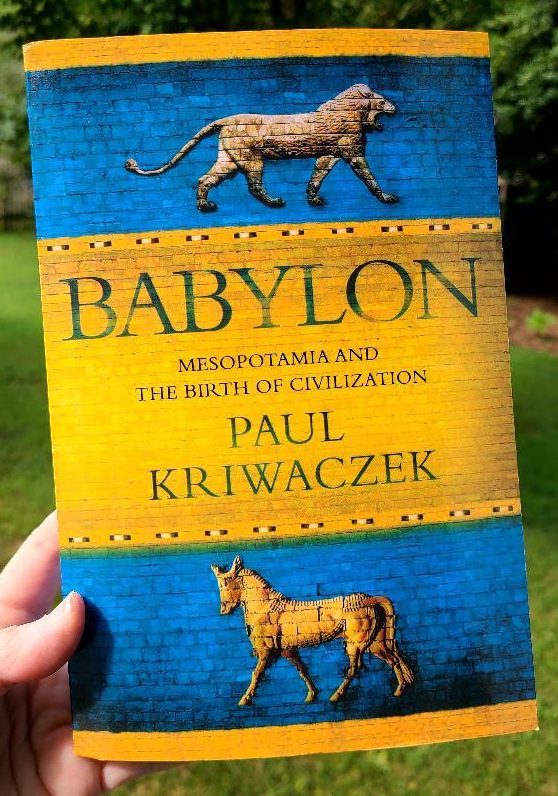
Babylon: Mesopotamia and the Birth of Civilization by Paul Kriwaczek
Civilization was born eight thousand years ago, between the floodplains of the Tigris and Euphrates rivers, when migrants from the surrounding mountains and deserts began to create increasingly sophisticated urban societies. In the cities that they built; half of human history took place.
In Babylon, Paul Kriwaczek tells the story of Mesopotamia from the earliest settlements seven thousand years ago to the eclipse of Babylon in the sixth century BCE. Bringing the people of this land to life in vibrant detail, the author chronicles the rise and fall of power during this period and explores the political and social systems, as well as the technical and cultural innovations, which made this land extraordinary. At the heart of this book is the story of Babylon, which rose to prominence under the Amorite king Hammurabi from about 1800 BCE. Even as Babylon’s fortunes waxed and waned, it never lost its allure as the ancient world’s greatest city.
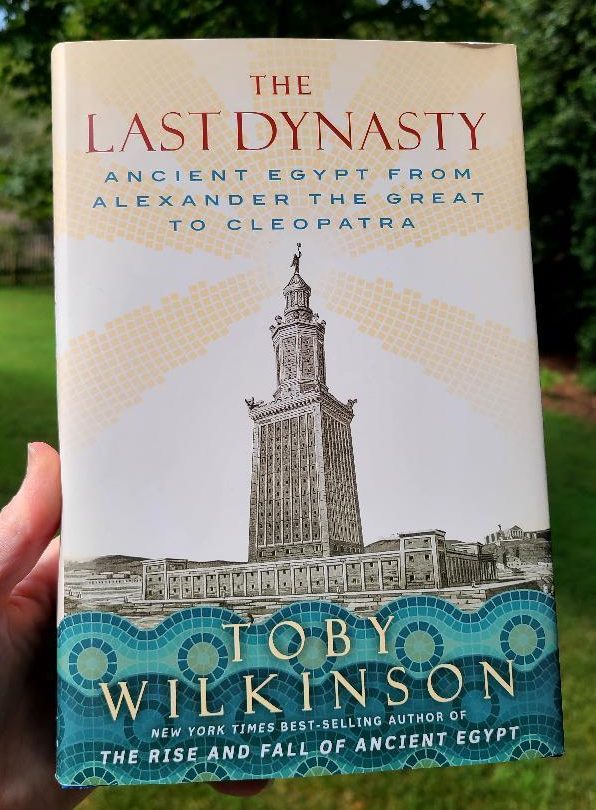
The Last Dynasty: Ancient Egypt from Alexander the Great to Cleopatra by Toby Wilkinson
When Alexander the Great arrived in Egypt, he overthrew the hated Persian overlords and was welcomed as a saviour. He repaid them by showing due reverence to their long-held traditions. After his death, as the Greek empire broke up and his closest advisers squabbled over the spoils, a Macedonian general named Ptolemy seized the Egyptian throne, ushering in a new dynasty that would last for 300 years.
What followed was as dramatic and compelling as any period in Egyptian history. The unique blend of Greek and Egyptian cultures led to an unprecedented flowering of learning, as the new city of Alexandria became home to the Great Library, the largest in the ancient world, that attracted the brightest minds. Wars, incest, double-dealing, foreign empires and huge wealth all followed, but the rise of the Roman empire would eventually bring the Ptolemaic era crashing to a close.
Helped by the latest archaeological discoveries and using original papyrus documents, Toby Wilkinson uncovers a story that can only now be fully told. From courtly life to the role of women, from international trade to the tensions between native Egyptians and incoming Greeks, all aspects of life are here.
 Layered Pages