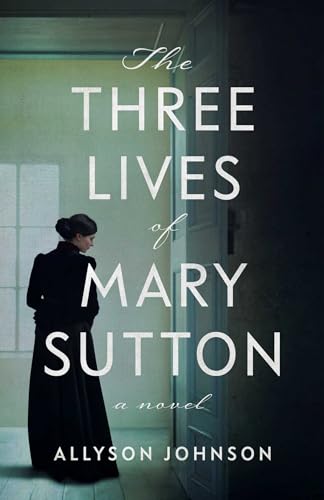
I’m always on the lookout for stories that take place during the Gilded Age and was delighted to come across this debut novel. This story centers around two women who are struggling to find their way in life during 19th century New York. Writers capture my attention when telling stories about women’s resilience during this period and an immediate read for me. I look forward to sharing more of my thoughts on this book soon! – Stephanie
Expected publication November 10, 2026 by She Writes Press
In 1878, young Mame Sutton escapes her oppressive father through a quick marriage to the charming stage manager of a New York theatre, while her younger sister Lizzie makes the same escape by eloping with a young Jewish jeweler. Which sister has made the better choice?
Life for Mame in a theatrical boarding house in 1878 offers new kinds of friendships and unexpected challenges. Through the tales of the theatre workers, she gets a backstage look at the Gilded Age of the Astors, Goulds, and Rockefellers, but she has no share in the freedom given to the ladies of the stage. Her husband’s view of a wife’s role is as narrow as her father’s idea of a daughter’s role was. How can Mame break free?
For Lizzie, marriage into the Cohen family offers warmth and support, but also cultural differences and expectations which she finds hard to master. Her husband, though loving and tolerant of her mistakes, is financially dependent on his family. Lizzie longs for a life apart from the Cohen world.
When disasters shake their worlds, can the sisters help each other onto new paths?
Adding nonfiction to your stacks is always a must for growing in your knowledge of real-world events and the endeavor certainly feeds the curious mind. I am always on the lookout for upcoming nonfiction reads and it is always a pleasure to share what I’m interested in learning.
I am currently reading through the nonfiction books I have already acquired and I’m enjoying them greatly and have learned a great deal more. Meanwhile, I’m collecting nonfiction (that sounds interesting) to read in the near future. They are not listed in any order and one of them is being published in November of this year and the others next year.
What nonfiction books are you on the lookout for? Do any of these books sound intriguing to you?
Stephanie
In Search of Ancient Trees: A Wayward Quest for America’s Oldest Living Thingsby Greg Melville
Expected Publish Date Mar 16, 2027 by @AbramsPress
Description
For readers of Bill Bryson and Ed Yong, a cross-country road trip to America’s ancient trees, reveling in natural wonder and exploring what old trees reveal about our environment, our history, and our future
We often think of ourselves as the stewards of the forests. But since before the spark of civilization, trees have been silent engineers of ecosystems and even shaped human evolution. Trees made us, have sustained us, and we couldn’t survive without them. The problem is we don’t know how to stop killing them.
Journalist Greg Melville set out in his family camper van—nicknamed the Mystery Machine—to see the extraordinary arboreal survivors across the United States while he still could. By car, foot, subway, and kayak, he visits the oldest of the old trees, Methuselah, a 4,857-year-old bristlecone pine, the tallest tree in the world, Hyperion, a 380-foot coast redwood that is between 600 and 800 years old, and the biggest tree, General Sherman, a giant sequoia with a 36-foot diameter. He stops in Austin, Texas, for a famous crime scene, in Utah for the world’s largest living organism in Pando, a quaking aspen clone that covers over 100 acres, and in Manhattan for an unassuming elm tree that predates the United States.
Blending adventurous travel, history, and natural history, Melville explores what happened to America’s trees, wonders at the survivors, and uncovers the lessons they can teach all of us. In Search of Ancient Trees is insightful and entertaining, a walk in the woods like no other.
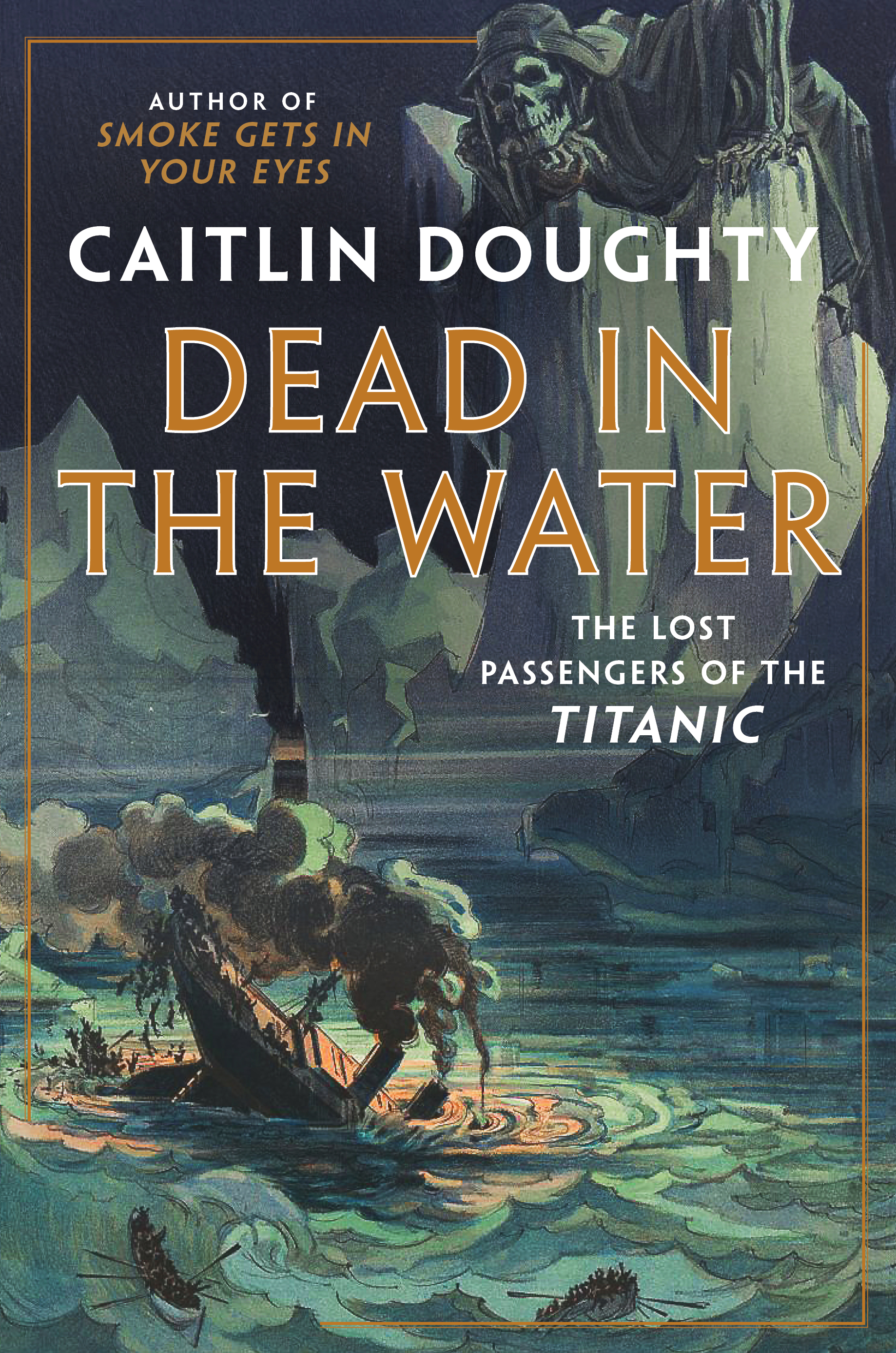
Dead in the Water: The Lost Passengers of the Titanic by Caitlin Doughty
Expected Publish April 6, 2027 by W. W. Norton & Company
New York Times best-selling author Caitlin Doughty presents Titanic like never before: through the stories of those who died—and what happened to the bodies.
Millions of people trust Caitlin Doughty to explore dark subjects with empathy and humor. Now, in her most ambitious work to date, Doughty explains what actually happened to the 1,500 people who died the night of history’s most famous shipwreck. Alongside white-knuckle tales of survival and mass death during the disaster, Doughty foregrounds the haunting stories of lesser-known victims, profiles the telegraph-cable-repairmen–turned–seafaring-undertakers who pulled the floating bodies from the wreck site in the North Atlantic and explores how a salvage company came to control the human artifacts—shoes, hairbrushes—carried and worn by the dead passengers and crew. Along the way she shares the surprising science of death at sea, and how the Titanic tragedy led to mass casualty protocols still used today. The first book of its kind on one of the most famous events in human history, Dead in the Water explores how we face the void and accept (or refuse to accept) death in extreme conditions.
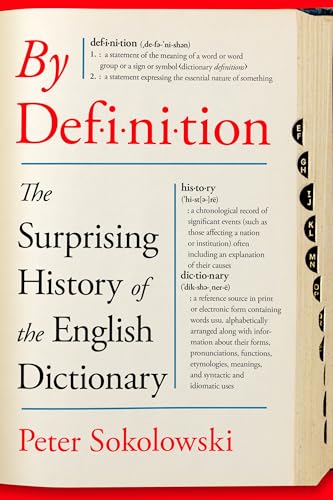
By Definition: The Surprising History of the English Dictionary by Peter Sokolowski
Expected Publish February 23, 2027 by @StMartinsPress
A veteran Merriam-Webster editor celebrates the world’s biggest language through the dictionary
In this engaging narrative lexicographer Peter Sokolowski uncovers the history of our language in the dictionary definitions written from Shakespeare’s time to ours. English is always changing. And so our dictionaries present a paradox; they represent stability and standards, but they also constantly add new usage and new words (and discard some old ones). The dictionary is, by definition, the story of the way we express culture, authority, and identity with our words.
We haven’t always had dictionaries. In Renaissance England, explaining the meanings of words meant translating the Latin of the Church and the French of the Norman bureaucracy. A linguistic class system separated these “hard words” of privilege, prestige, and power from the native English words of hearth and home. Thus, the most common words in English–from go and green to mother and father–were not given definitions in dictionaries until the mid-18th century.
Dictionaries developed as the language grew, and definitions by British Samuel Johnson and American Noah Webster are compared through Sokolowski’s close readings, which take us through the creation of the Oxford English Dictionary and into current online references. Many questions are answered along the way, Is irregardless a word? Does literally have only one meaning? And what exactly are users looking up today? Full of fun examples, and peeks into the mysterious world of dictionary creation, this book will delight word lovers of every kind.
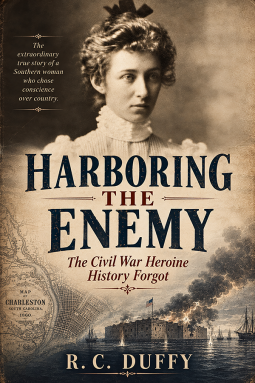
Harboring the Enemy (The Civil War Heroine History Forgot) by R.C. Duffy
Expected Pub Date Nov 7, 2026 by @AmericanLegacyMedia
Charleston, 1861. Anna Itgen is a twenty-year-old German immigrant, newly married and expecting her first child, when cannon fire erupts from Fort Sumter and upends her world. Within months, her husband is killed at the Battle of Port Royal.
As a single mother, Anna works alongside her neighbors to survive the Union blockade, all while a Confederate prison sits within view of her window, packed with starving captives. She begins slipping bread to guards and prisoners alike. Then she hides an escaped Union officer in her cellar and is summoned before the Confederate provost marshal on charges that could hang her.
Choosing her integrity over self-preservation, Anna Itgen risked everything for a stranger who wore the wrong uniform.
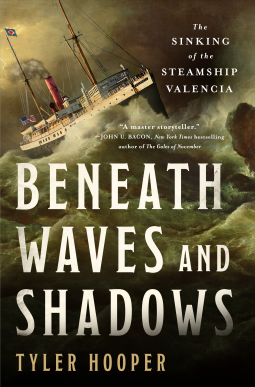
Beneath Waves and Shadows (The Sinking of the Steamship Valencia) by Tyler Hooper
Expected Pub Date Jan 19, 2027 by @StMartins Press
With the suspense of a thriller and the emotional depth of human drama, Beneath Waves and Shadows is the untold, meticulously researched story of survival after a 1906 shipwreck in the Pacific Northwest.
On a mild January day in 1906, the Valencia steamed out of San Francisco and began the four-day voyage to Seattle. Though it was a routine journey, the crew was well aware of the dangers of sailing along the west coast of Vancouver Island, an area known as the “Graveyard of the Pacific”, a place of violent storms, dense fog, rocky shoals, and fearsome currents.
The Valencia’s captain, Oscar Marcus Johnson, was an experienced mariner, but on the third day at sea, he lost his bearing in the increasingly thick winter weather. The vessel’s hull was ripped apart on Vancouver Island’s rocky shore, setting in motion a multiday struggle for survival that revealed both the sea’s terrible power and the remarkable bravery of passengers, crew, and rescuers alike.
Of the approximately 165 souls who left San Francisco, fewer than 40 would survive.
Hooper spent more than a decade immersed in the story of the Valencia. He hiked the same wild stretches of Vancouver Island coastline where the tragedy unfolded in 1906 and combed through thousands of pages of letters, newspapers, and official reports. Drawing from survivor testimonies, and a powerful interview with one of the survivors’ descendants, Hooper brings to life a deeply human story of courage, chaos and survival at sea.
Published September 1, 2026 by Love Inspired Trade(Harlequin – Romance)
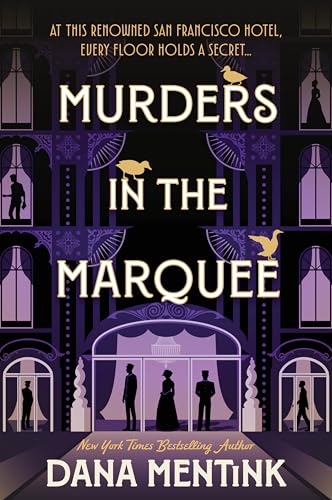
In 1905, the Grand Mallard Marquee is well known for its iconic style, as well as its daily duck parade. For Saul Niffler, a reformed jewel thief, working at the luxurious hotel offers a much-needed second chance. Staying out of trouble and in gainful employment is essential. Which makes seeing a body plummet from a penthouse window extra complicated.
Except…did he see it? There’s no body to be found, and Saul knows he should concentrate on his new duties as “Duck Commandant” rather than meddle. If only Kitty Rossi, a persistent young guest yearning to be a Pinkerton detective, would leave well enough alone. Kitty has already roped in Henry, the elevator man, to investigate suspicious goings-on around the hotel. And against his better judgment, Saul feels compelled to join them.
Between the mystery of Saul’s missing predecessor and a grisly discovery in a drain, all signs point to murder most fowl. And with a cold-blooded killer roaming the Marquee’s lavish corridors, keeping his job may be the least of Saul’s problems…
My Thoughts:
This story is set in San Francisco during the early twentieth century at the lavish Grand Mallard Marquee’ Hotel. An unlikely trio Kitty, Saul and Henry become amateur detectives to solve a murder, and they must work fast to uncover what happened before their own lives are forever changed in more ways than one.
Kitty, Saul and Henry became fast friends, and their friendship, protectiveness and thoughtfulness towards each other made an impression on me.
While I enjoyed the story as a whole and was fully engaged with the quirky characters and their adventures, I felt the mystery itself could have been better developed. That said, I will be on the lookout for more of their stories and can’t wait to see what the author does with this new series.
An atmospheric and beautifully woven story with elements of faith, forgiveness, redemption and friendship.
Stephanie
I rated this book three stars.
I obtained a review copy from the publishers through NetGalley for an honest review.
The month of September’s reading has been great so far! I’m reading and listening to audiobooks and I’m enjoying both mediums-of course. Yesterday, I finished listening to The Lost World (Professor Challenger, #1) by Arthur Conan Doyle and it is such a great adventure story! I highly recommend checking it out, especially if you like reading classics. Today, I’ve started listening to an Ai generated audiobook on Youtube called After the Moon by colin Jacobson. I can’t say how I feel about it yet and I may or may not write a review for the story. If I don’t, I will be sure to say how I feel about it (a little) in other reader’s log post.
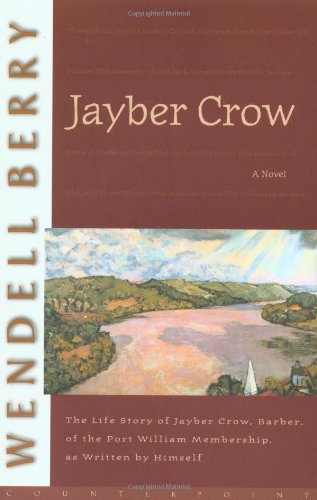
The physical books I’m currently reading are Mystery Play by Elizabeth Kostova (for review), The Strawberry House by Rachel Burton, and Jayber Crow by Wendell Berry. So far, I’m enjoying all three and as you can see, I’m a mood reader. Usually, I have several books going at a time. Sometimes, when a story grabs me, I will focus on that book, then pick back up with the others. What book(s) are you currently reading? -Stephanie
After the Moon by colin Jacobson (book cover not provided) Description:
When an asteroid strikes the Moon with unimaginable force, humanity initially believes it has witnessed a spectacular astronomical event.
They are wrong.
The impact sends the Moon slowly drifting away from Earth, unraveling billions of years of gravitational balance. Oceans become unpredictable. Weather patterns lose their rhythm. Wildlife senses change long before humans do. Civilization struggles to adapt as scientists race to understand a world whose most fundamental assumptions are quietly disappearing.
High in the remote Canadian Rocky Mountains, retired mechanical engineer Zach Cliverton watches the catastrophe unfold from the solitude of his mountain cabin. Armed with little more than decades of engineering experience, careful observation, and an unshakable respect for the laws of physics, Zach begins documenting strange phenomena that few others notice—oscillating rivers, silent forests, shifting stars, and mysterious objects appearing near the departing Moon.
As governments lose certainty and the familiar world slips beyond recognition, Zach discovers that survival depends not only on food, fuel, and shelter, but on understanding a planet that is becoming something entirely new.
Blending believable science with relentless suspense, After the Moon is an eerie, atmospheric journey into one of humanity’s greatest imaginable disasters—a story of isolation, resilience, and the unsettling realization that the universe owes us no permanence.
Sometimes the end of the world doesn’t arrive in a single moment.
Sometimes it quietly drifts away.
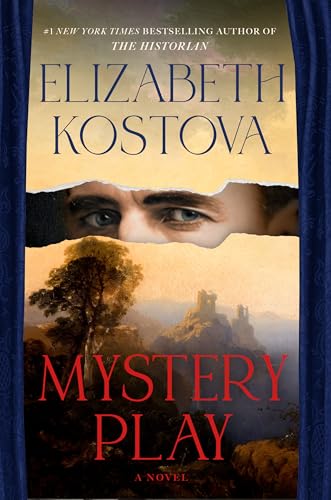
Mystery Play by Elizabeth Kostova
Expected publication October 13, 2026 by Ballantine Books
The youngest son in a family of historians who has been hunted by dark forces associated with Dracula finds himself in peril at the hands of a new threat—a thrilling novel from the bestselling author of The Historian.
The youngest son in a family of historians who has been hunted by dark forces associated with Dracula finds himself in peril at the hands of a new threat—a thrilling novel from the bestselling author of The Historian.
When his mother passes away suddenly, Jay Turner finds himself at a crossroads. She was always secretive, raising him alone in Boston and staying single until her death. Returning to their brownstone to clear out her possessions, he finds two unusual objects: a partially burned scrap of newspaper bearing the name “Gael Brogan,” and a small antique volume bound in leather.
The sight of the volume is chilling. As a young scholar, his mother had been given the medieval book—one of a set commissioned by Vlad Tepes, otherwise known as Dracula, just before his death in 1477. She’d always warned Jay of how dangerous it was and had donated it to a museum before she died . . . yet here it sits before him.
Taking leave from his position as a history instructor at a boys’ boarding school, Jay sets out to learn more about Gael Brogan, a prominent nineteenth century actor whose last and most famous role was the Count himself in Bram Stoker’s Dracula. As Jay begins to dig deeper—helped by a mysterious woman named Rhiannon he meets along the way—he uncovers a frightening story of a young actress who fell under Brogan’s sway long ago. And before long, Jay and Rhiannon realize that something similarly implacable is also pursuing them.
Hypnotic and atmospheric, Mystery Play is a novel richly steeped in lore, pulsating with tension as it chronicles a dark secret history of rituals, religion, and immortality.
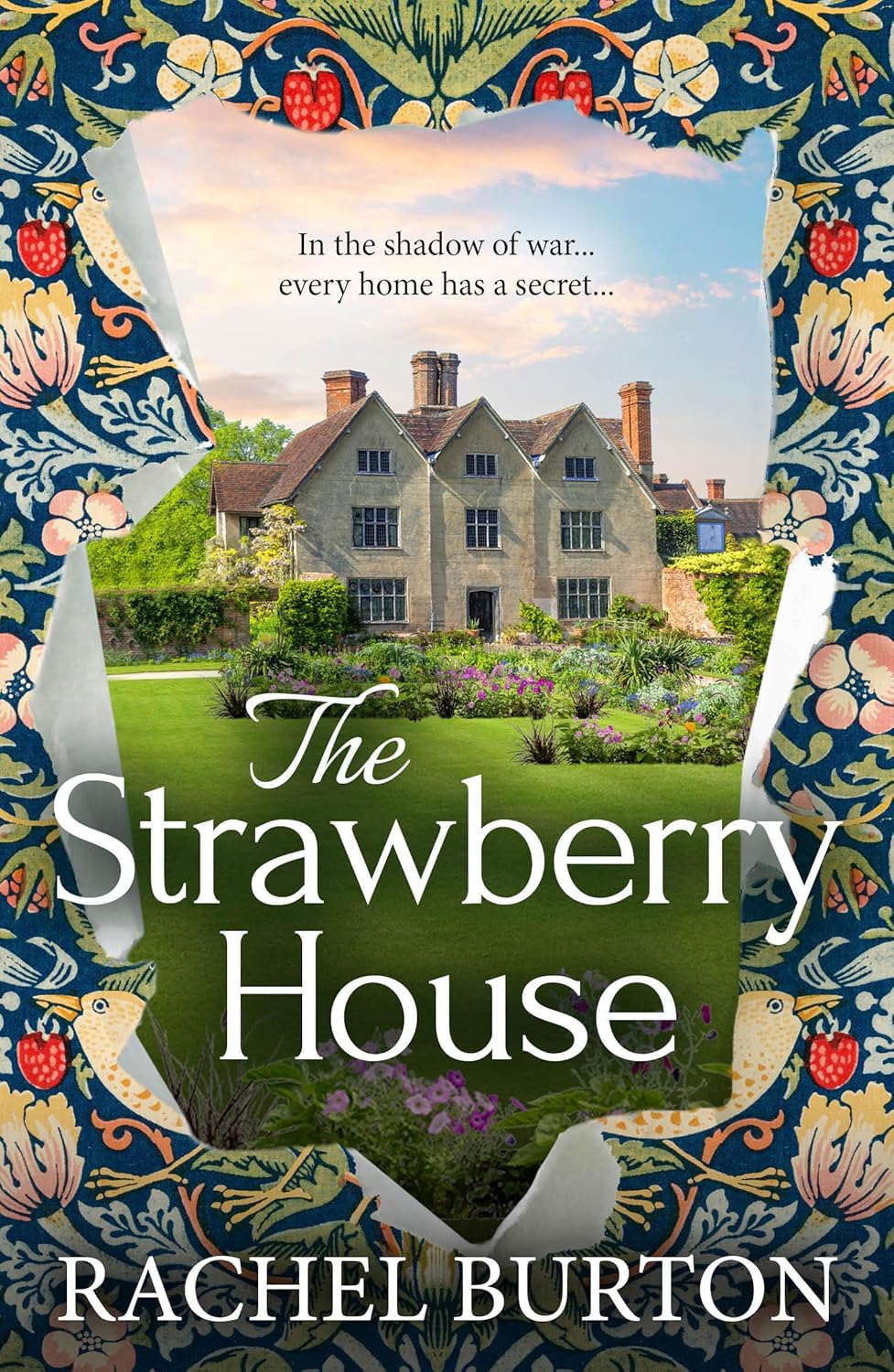
The Strawberry House by Rachel Burton
Published March 4, 2026 by Boldwood Books
1938: For Camilla Kerrigan, life at her family’s Oxford manor is a delicate balancing act – between duty to her family and a yearning for something more. When her brother Anthony returns for the summer, bringing with him a new friend, Camilla recognises a kindred spirit. Like her, Henry is thoughtful, restless and uncertain of his future.
But the arrival of four strangers – among them a gifted artist determined to paint Camilla’s sister Mabel – soon shatters the fragile peace of the manor. In the shimmering heat, desires are stirred and one impulsive act will set in motion a tragedy that echoes for decades.
1952: Haunted by war and the memory of that long-ago summer, the last thing Henry wants is to return to Montagu Manor. But when a photograph arrives, showing the painting he thought destroyed – the portrait that ruined so many lives – he is drawn back into the past.
Now, Henry and Camilla must face the secrets that shaped them, and the love that refuses to fade.
Port William
Jayber Crow by Wendell Berry
Published August 30, 2001 by Counterpoint
“This is a book about Heaven,” says Jayber Crow, “but I must say too that . . . I have wondered sometimes if it would not finally turn out to be a book about Hell.” It is 1932 and he has returned to his native Port William to become the town’s barber. Orphaned at age ten, Jayber Crow’s acquaintance with loneliness and want have made him a patient observer of the human animal, in both its goodness and frailty. He began his search as a “pre-ministerial student” at Pigeonville College. There, freedom met with new burdens and a young man needed more than a mirror to find himself. But the beginning of that finding was a short conversation with “Old Grit,” his profound professor of New Testament Greek.
“You have been given questions to which you cannot be given answers. You will have to live them out―perhaps a little at a time.”
“And how long is that going to take?”
“I don’t know. As long as you live, perhaps.”
“That could be a long time.”
“I will tell you a further mystery,” he said. “It may take longer.” Wendell Berry’s clear-sighted depiction of humanity’s gifts―love and loss, joy and despair―is seen though his intimate knowledge of the Port William Membership.
It was about the middle of August since the last blog I posted and I must say, I am exhausted by the end of the day to get much writing in but have read a lot and I have listened to several audio books. My workload has increased (which involves reading and analyzing material), leaving me little time to blog. Then I got to thinking about how to remedy this problem of not blogging like I want. Maybe write short bursts of posts? Or perhaps, blog once a week at the end of the week and post on Mondays? There are also book reviews to be written and posted. I want to continue to write and share what I’m reading and my thoughts about what I’ve read. I have thought of keeping some sort of journal to begin drafting blog posts. I have done that in a digital format before that worked rather well. Maybe that is what will remedy this problem. Whatever happens will happen and the best thing is not to stress it. Now you’re probably thinking I should just get on with it and right you are.
I have finished a few books and have listened to some interesting audio books. Here are a just few and at some point, I will be sharing some books reviews on them soon. The three books as follows would make great fall reads. Are you familiar with any of these books or authors? Three of the books are classic literature.
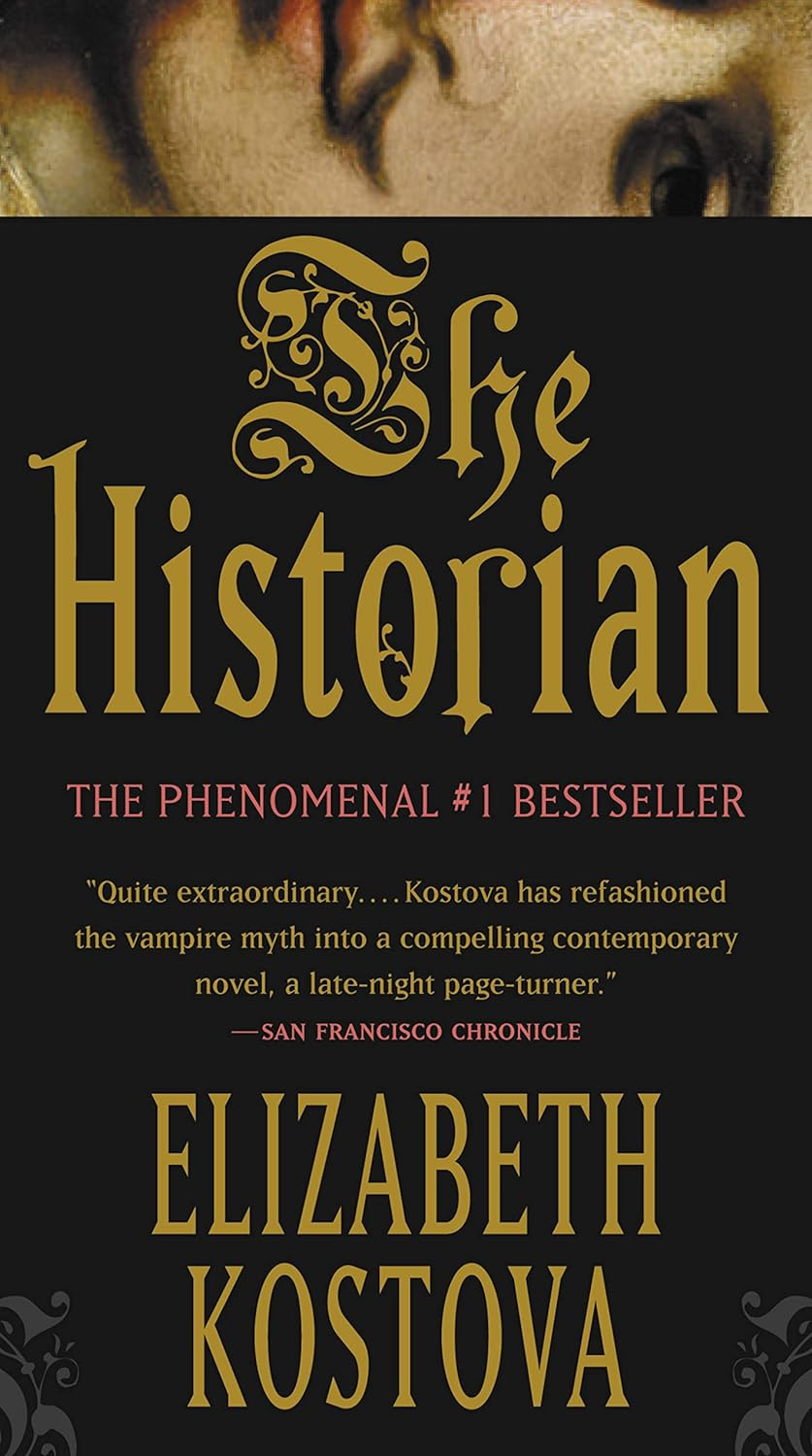
The Historian by Elizabeth Kostova
Format: Hardback
This is my second read through The Historian because it has been years since I first read the book and the publishers have asked me to review the sequel. Yes, that’s right, there is a sequel coming out after all these years. The Historian was first published on June 14, 2005, and I read it a few years after it was published. My thoughts vary on the story, and they still do after reading it the second time. I guess you can say I have a love hate relationship with the dialogue, and a few of the characters. There is also the plot that needs to be discussed. However, there are other aspects of the story that I enjoyed and found many of the research, travels, letters and historical elements intriguing. More on this coming soon!
About the Book:
To you, perceptive reader, I bequeath my history…. Late one night, exploring her father’s library, a young woman finds an ancient book and a cache of yellowing letters. The letters are all addressed to “My dear and unfortunate successor,” and they plunge her into a world she never dreamed of a labyrinth where the secrets of her father’s past and her mother’s mysterious fate connect to an inconceivable evil hidden in the depths of history.
The letters provide links to one of the darkest powers that humanity has ever known and to a centuries-long quest to find the source of that darkness and wipe it out. It is a quest for the truth about Vlad the Impaler, the medieval ruler whose barbarous reign formed the basis of the legend of Dracula. Generations of historians have risked their reputations, their sanity, and even their lives to learn the truth about Vlad the Impaler and Dracula. Now one young woman must decide whether to take up this quest herself–to follow her father in a hunt that nearly brought him to ruin years ago, when he was a vibrant young scholar and her mother was still alive. What does the legend of Vlad the Impaler have to do with the modern world? Is it possible that the Dracula of myth truly existed and that he has lived on, century after century, pursuing his own unknowable ends? The answers to these questions cross time and borders, as first the father and then the daughter search for clues, from dusty Ivy League libraries to Istanbul, Budapest, and the depths of Eastern Europe. In city after city, in monasteries and archives, in letters and in secret conversations, the horrible truth emerges about Vlad the Impaler’s dark reign and about a time-defying pact that may have kept his awful work alive down through the ages.
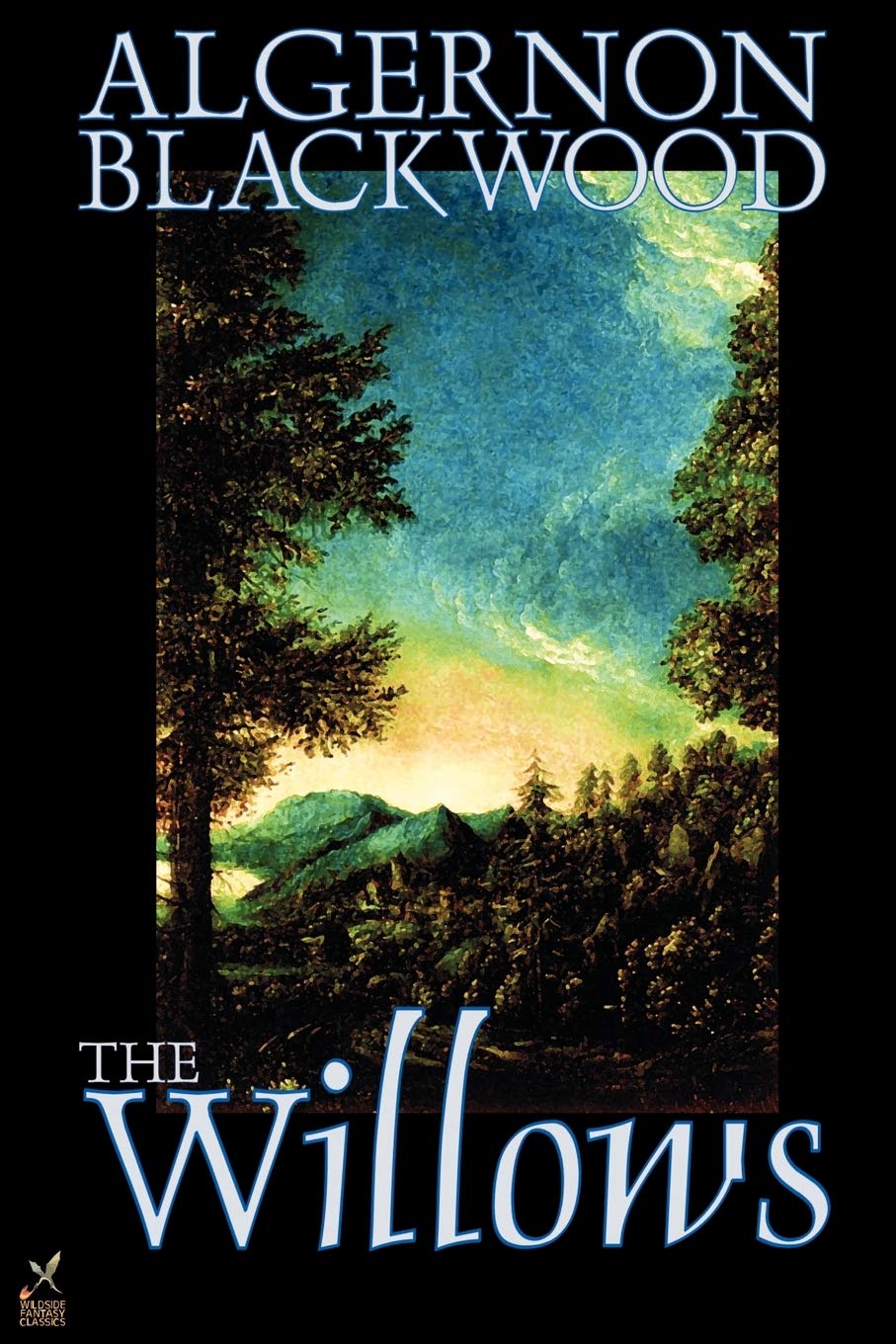
The Willows by Algernon Blackwood
First published January 1, 1907
Format: Audiobook
Two friends are midway on a canoe trip down the Danube River. Throughout the story Blackwood personifies the surrounding environment—river, sun, wind—and imbues them with a powerful and ultimately threatening character. Most ominous are the masses of dense, desultory, menacing willows, which “moved of their own will as though alive, and they touched, by some incalculable method, my own keen sense of the horrible.”
“The Willows” is one of Algernon Blackwood’s best-known short stories. American horror author H.P. Lovecraft considered it to be the finest supernatural tale in English literature. “The Willows” is an example of early modern horror and is connected within the literary tradition of weird fiction.
Screenshot
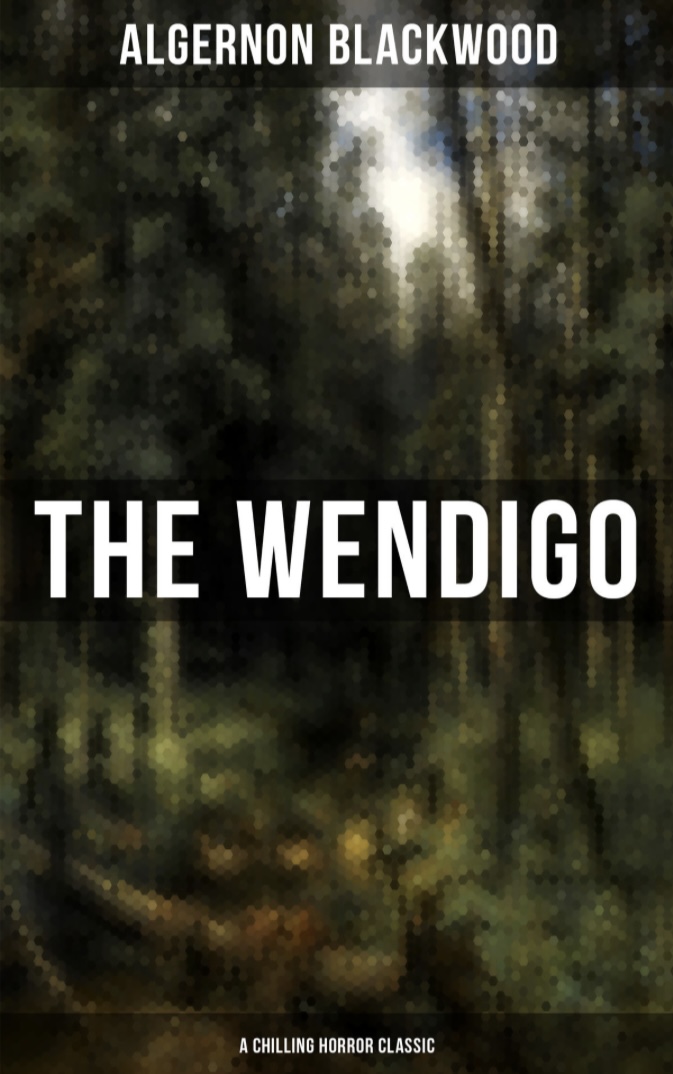
The Wendigo by Algernon Blackwood
First published January 1, 1910
Format: Audiobook
“The Wendigo” by Algernon Blackwood follows a group of adventurers venturing into the Canadian wilderness. As they delve deeper, they encounter unsettling phenomena and eerie encounters. Soon, they realize they’re stalked by a malevolent force, the Wendigo, a mythical creature of Native American folklore…
***********
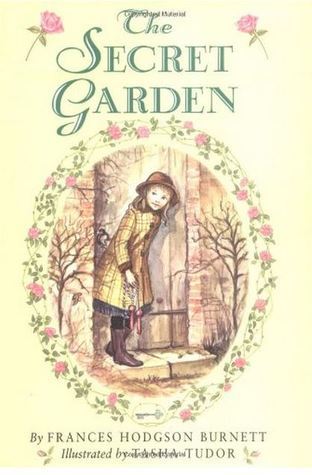
The Secret Garden is a favorite childhood classic story, and I was so delighted to listen to the story. I do have several favorite childhood stories and have been wanting to visit them again. Now I must chose another classic story to listen to next.
The Secret Garden by Frances Hodgson Burnett
First published August 1, 1911
Format: Audiobook
When orphaned Mary Lennox comes to live at her uncle’s great house on the Yorkshire Moors, she finds it full of secrets. At night, she hears the sound of crying down one of the long corridors. Outside, she meets Dickon, a magical boy who can talk to animals. Then one day, Mary discovers the most mysterious wonder of all—a secret garden, walled and locked, which has been forgotten for years and years.
The story of how Mary Lennox brought a secret garden back to life has been loved by generations of readers since it was first published in 1912. Now, with this very special deluxe edition of Frances Hodgson Burnett’s timeless classic, readers can continue to discover the magic of this powerful and deeply moving story.
It has been a while since I’ve written in my reader’s log. That is not to say I haven’t been actively reading. This year has been a great year for reading, and I’ve discovered quite a few authors I have not heard of before. But isn’t that always the case? Discovering new authors? New stories and adventures? Yes indeed. How is your reading going this year so far?
I’ve got two nonfiction books coming in the mail this week I want to blog about why I have chosen to read them and I do have a few thoughts I want to share on the ancient history and cultural background studies I’ve actively been engaged in for a few years now. I’ve held off on my thoughts about what I’ve studied, and now I’m ready to start sharing.
The fiction book I’m currently reading is Murders in the Marquee by Dana Mentink and I’m enjoying the story so far. This book will be published on the first of September and I’m looking forward to sharing my thoughts about the story.
About the book:
In 1905, the Grand Mallard Marquee is well known for its iconic style, as well as its daily duck parade. For Saul Niffler, a reformed jewel thief, working at the luxurious hotel offers a much-needed second chance. Staying out of trouble and in gainful employment is essential. Which makes seeing a body plummet from a penthouse window extra complicated.
Except…did he see it? There’s no body to be found, and Saul knows he should concentrate on his new duties as “Duck Commandant” rather than meddle. If only Kitty Rossi, a persistent young guest yearning to be a Pinkerton detective, would leave well enough alone. Kitty has already roped in Henry, the elevator man, to investigate suspicious goings-on around the hotel. And against his better judgment, Saul feels compelled to join them.
Between the mystery of Saul’s missing predecessor and a grisly discovery in a drain, all signs point to murder most fowl. And with a cold-blooded killer roaming the Marquee’s lavish corridors, keeping his job may be the least of Saul’s problems…
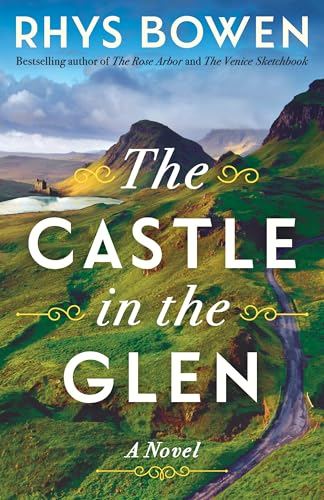
Australian writer Emma Callander has been recruited to complete the final historical mystery in a series by celebrated author Iris Blackburn. It’s 1964, and Iris’s memory is fading. She’s certain that only Emma can do justice to her novel about a murder on the Isle of Skye. When Emma ventures to Scotland for research, she discovers it isn’t fiction at all, but rather a true crime unsolved for more than fifty years.
It was 1904 when a couple’s suspicious drowning led to the disappearance of a mysterious young woman the locals called the Wild Girl. To this day the mystery is unforgettable, especially among the descendants of an aristocratic family who’ll do anything to keep their secrets buried. From the misty Highlands to a medieval castle, Emma and Tony Gordon, Iris’s handsome lawyer, work ever more closely to uncover them.
But while Iris may be known for her fiendishly clever twists, there’s one not even Emma could have seen coming.
*************
Emma is hired to be a ghost writer for a famous author and soon discovers that the story she is researching turns out to be an actual cold case, and as she investigates the case further, her life is put in danger. Not only that, but Emma also discovers that there is more to this mystery than meets the eye and it will change the course of her life.
Rhys Bowen is a talented storyteller. I have read her work before and was excited to pick this story up. I knew it would be good and she did not disappoint. Bowen has such a way of weaving a story that captures the reader and you become fully engaged.
Most of the setting for this story takes place in the Isle of Skye, Scottland and Bowen really captures the atmosphere and its surroundings. I was completely taken to time and place.
There is so much to this mystery, including family secrets and romance. The character development is well developed and the clever plot kept me turning the pages.
A must read!
Stephanie
I obtained an ARC from the publishers through Netgalley for an honest review.
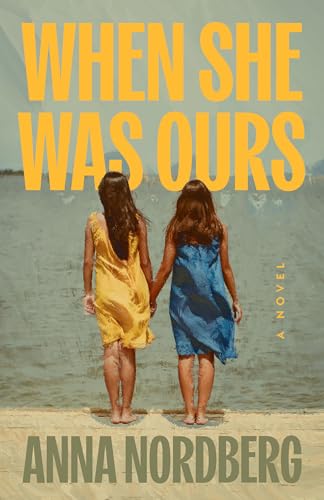
Thea Erickson, a renowned surgeon, is filled with both joy and grief as her family gathers at their home on a summer night in 1995. Her elder daughter Phoebe is getting married, but even the happiness of the day feels bittersweet, as Thea grapples with a terminal cancer diagnosis. She worries she won’t be around to support her younger daughter Astra, who’s still in college, but even Thea cannot foresee what is to come—a terrible accident the night of the wedding that changes Astra’s life forever.
In a last-ditch effort to protect her family, Thea arranges a secret meeting with an old family friend and extracts a promise that will reverberate long after she’s gone.
Years after her mother’s death, Astra has moved forward with a career and relationship, but she still struggles with her grief. When a man reaches out to her and Phoebe, offering a window into their mother’s past, Astra must make a choice, and her decision forces her to face what it means to love someone after they’re gone, who we decide to forgive, and how families reckon with the past.
************
This year, I have been reading a lot of stories about family and that was the main reason why I chose this book. When She Was Ours is Anna Nordberg’s debut novel, and I was intrigued with why she chose to write this story. Nordberg has stated that the inspiration for the novel was her own experience with how loss unfolds in a life, and the way it rearranges the atoms of a family. I believe she portrayed that rather well in this story. The reader experiences how the dynamic of the relationship of Astra, Phoebe and their father changed, and how each day they were grappling -if you will- with the different emotions of grief, and how it affected their everyday life. They made quite an impression on me, and I found myself connecting to each of them in many aspects.
Overall, despite a few things that needed to be fleshed out or a bit stronger, I enjoyed reading this story and I learned a few things about people’s grieving processes. I was also invested in the character’s daily lives and how they would continue without Thea. She was really the center of their world and was such a strong support to them all. If you like reading stories about family, this one may be for you.
Stephanie
I’ve rated this book three stars.
I obtained a physical copy of this book through the publishers for an honest review.
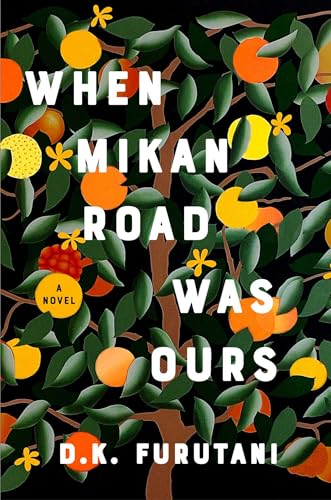
Amidst a sweltering Los Angeles heat wave, Murano, a reclusive high school English teacher, is muddling through life. Reeling from his father’s death as well as his own recent cancer diagnosis, he spends his days grading papers and appeasing disgruntled parents while painstakingly counting down the days until summer vacation.
However, the monotony breaks when he inherits his great-uncle Benjiro’s unpublished memoir. He expects the pages to be a grim reminder of his position as the half-white son of the black sheep of the family. Instead, as he reads, Murano is whisked away to 1930s California, to a time when the Murano family was inseparable, relishing life on their bucolic farmland. As Murano is introduced to family members he never knew existed and confronted with the hidden complexities of the past, he is pulled close to the Japanese identity he’s dismissed all his life.
Ultimately faced with more questions about his fractured family than answers, Murano becomes determined to discover the reasons behind his family’s dissolution following their incarceration in American concentration camps during World War II, no matter what hidden truths he might uncover about his ancestors or himself.
**************
This story has dual timelines and as the story of Murano’s family in America unfolds, we are shown his family heritage, struggles and their incarceration and experience during World War II. A truly shameful time in our American history to say the least.
I have mixed feelings about the structure of the story. While I’m used to reading slower and reflective literary fiction, I found it hard at times to push on with this book. I’ve reflected on the reason why that is this case, and it’s not because of the culture, because I do extensive cultural background studies, it’s that the narrative’s voice and perhaps the character development was a bit dry to me. Also, I found it difficult to know who was talking sometimes or who was who in the family dynamic. That said, I pushed onward and I’m glad I did because the story has a good conclusion, and I learned a few things.
There are many good lessons that come from this story, and I know many readers will enjoy this book.
I rated this book three stars.
Stephanie
I obtained a review copy from the publishers for an honest review.
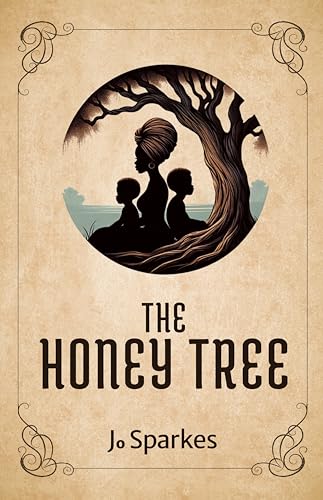
Maggie has always accepted her lot in life that is, until she witnesses a breathtaking moment of liberation of a butterfly that breaks free from a spider’s web. This small, defiant act sparks a fire within her soul to break free from the bonds of slavery.
As her daughter Honey, ascends to the coveted position of personal maid to the Mistress, Maggie’s family is thrust into the intricate dynamics of power and privilege within the House.
But in the shadows, a chance encounter between Maggie’s sons and Preacher, a burly, escaped slave, sets the stage for a risky alliance.
Meanwhile, Lucy, the Master’s lonely daughter, hungers for the warmth and kindness that Maggie effortlessly exudes. The boundaries that separate them are as rigid as the times they live in, but the desire for connection and understanding defies the odds.
Maggie, recognizing an opportunity for freedom, finds herself entwined in a perilous dance between liberation and the relentless pull of her current station.
Will she follow the path of the butterfly?
************
Firstly, I’d like to share that I haven’t read too many stories (only a few) that take place in Missouri during this era. However, I have read countless historical stories and nonfiction that take place in the 19th century, and these tellings never get old.
Considering Missouri is in the central United States, it may come to a surprise to some that there was slavery there. It was considered a border state, and the southern parts were influenced culturally, economically, and politically by both the North and South. This in fact was one of the main reasons why I chose to read this story when Sparkes approached me to review her book.
The first half of the story sets the stage for what will be a truly powerful story, and I have to say, I was pleasantly surprised by the ending.
Maggie’s family and Lucy pulled at my heart strings. As tensions grew, I found myself holding my breath, hoping for Magie’s family freedom, and for Lucy’s fragile being to be comforted. I was also so thankful for Preacher coming into their lives, and for his influence to break free.
Sparkes portrays vivid imagery of time and place throughout this deeply moving story. Her character’s lives will draw you in for a truly impactful sense of family bonds that tie us to hope, faith, courage and-yes-even redemption.
I highly recommend this story to all, and my hope is that readers will come away with the same experience as I did.
My thanks to Sparkes for sending me a physical copy of this book for an honest review. I have rated this book four stars.