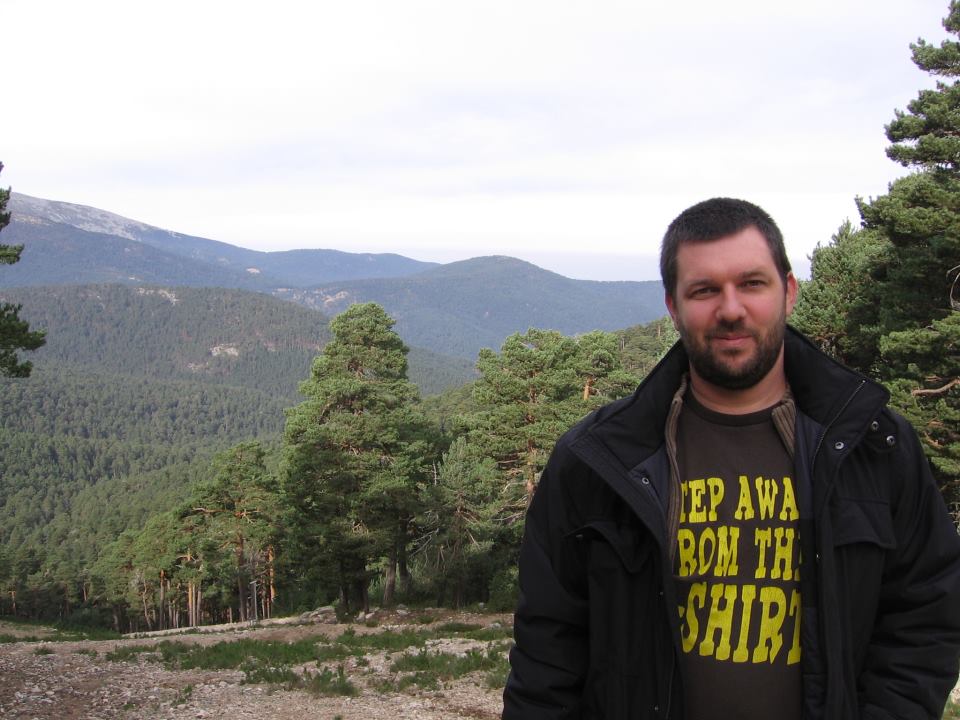
Interview with Matthew Harffy

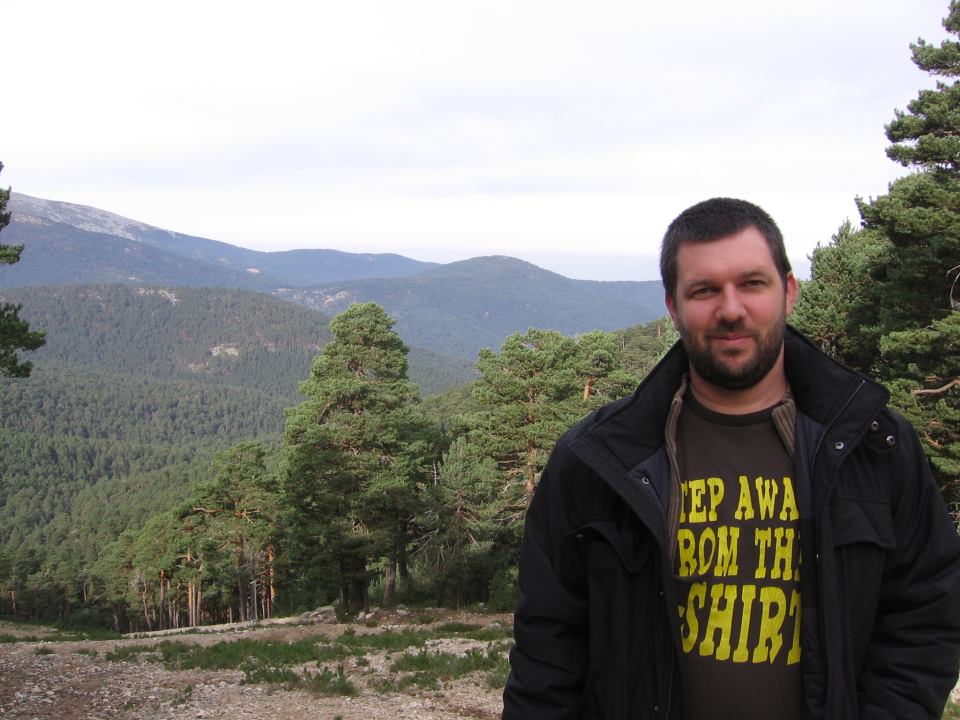
MatthewHarffy

Matthew Harffy lived in Northumberland as a child and the area had a great impact on him. The rugged terrain, ruined castles and rocky coastline made it easy to imagine the past. Decades later, a documentary about Northumbria’s Golden Age sowed the kernel of an idea for a series of historical fiction novels. The first of them is the action-packed tale of vengeance and coming of age, THE SERPENT SWORD.

Matthew has worked in the IT industry, where he spent all day writing and editing, just not the words that most interested him. Prior to that he worked in Spain as an English teacher and translator. He has co-authored seven published academic articles, ranging in topic from the ecological impact of mining to the construction of a marble pipe organ.

Matthew lives in Wiltshire, England, with his wife and their two daughters.

When not writing, or spending time with his family, Matthew sings in a band called Rock Dog.

Hello, Matthew! Thank you for chatting with me today about your book, The Serpent Sword. First tell me where in your home do you like to write and what is your process?

When at home writing, I do most writing at a desk in the spare bedroom, but I have written parts of my first two novels in trains, airplanes, airports, hotels, school halls, cars, libraries, my living room, the kitchen, a holiday flat in Cornwall, and probably other places I have forgotten.

My process is as follows: I come up with some key historical events that will form the backbone for my novels. I then look to find more personal stories that my characters can live within the context of those historical events. One of the advantages of writing about the seventh century is that not a huge amount is known about the day to day life of people. Large brush strokes of the history have survived, but the stories of the individuals are lost in time. This is what makes the Dark Ages such an apt name. The details are hidden in the shadows of time. Making it possible for me to write pretty much anything, as long as it fits within the framework of what we know and it has the ring of authenticity about it.

I map out a high level synopsis based on the ideas I have around the real history and how my characters will interact with events. I then break down that synopsis into very rough chapters. Then each of those chapters I break down into scenes. This is not all done up front, but as I get to a chapter, when I have a better grasp of what I need to propel the story along. I try to keep each scene from the point of view of one character, but sometimes I break this rule.

When I sit down to write, I usually only have an hour, or perhaps two, and I’m often not sitting at my desk at home. I may be on a gym bench, while my daughters do their Tae Kwon-Do class. Or sitting in the car, waiting for my youngest to finish her tap dancing class. Or in the local Library, while she is doing her brass band practice.

So, given the time constraints, I really need to focus. I put headphones on. Playlist set to Classical. And I quickly read what I wrote in the last session. I will make a few minor tweaks as I go. Fixing typos, or repetition. That kind of thing. But I don’t allow myself to get bogged down.

I then leap into the next scene. I try to complete a scene at one sitting and I think this gives my writing good pace. Sometimes though, that is not possible. When time is running out, I jot down some notes for me to pick it up at the next sitting.

If I come across anything that I do not know. A type of tree. Some historical detail. The name of a king. Or a place name. Anything at all that would require me to stop and investigate. I add a note in [square brackets], like that. When I finish the first draft, the next thing I do, after doing a victory dance and drinking lots of beer, is search for all the square brackets and fill in the blanks.

I write chronologically, so, although I know there are some great scenes coming later, I have to get through the rest of the scenes to get there. I think this also helps make sure the story hangs together. When I get to the pivotal scenes, I know all the details that have gone before, so it is easier to write and the scenes are richer for the extra detail.

I try to write about three thousand words a week. Often I manage a few more, but rarely do I get more than four thousand down. So somewhere between eight and nine months to complete the first draft. And then a couple of months of edits before sending out to test readers for their feedback.

Tell me a little about your story, The Serpent Sword.

The Serpent Sword follows the story of, Beobrand, a young man from Cantware (modern-day Kent) who travels to the northern kingdom of Bernicia (modern-day Northumberland). There he finds himself embroiled in the ongoing conflict between the Angelfolc (the Angles) led by King Edwin, and the Waelisc (the native Britons) and other tribes of Seaxons (Saxons). He witnesses terrible atrocities and is buffeted by events until he finds his path as a warrior who can help to bring justice to the land. In essence it is a tale of coming-of-age and revenge.
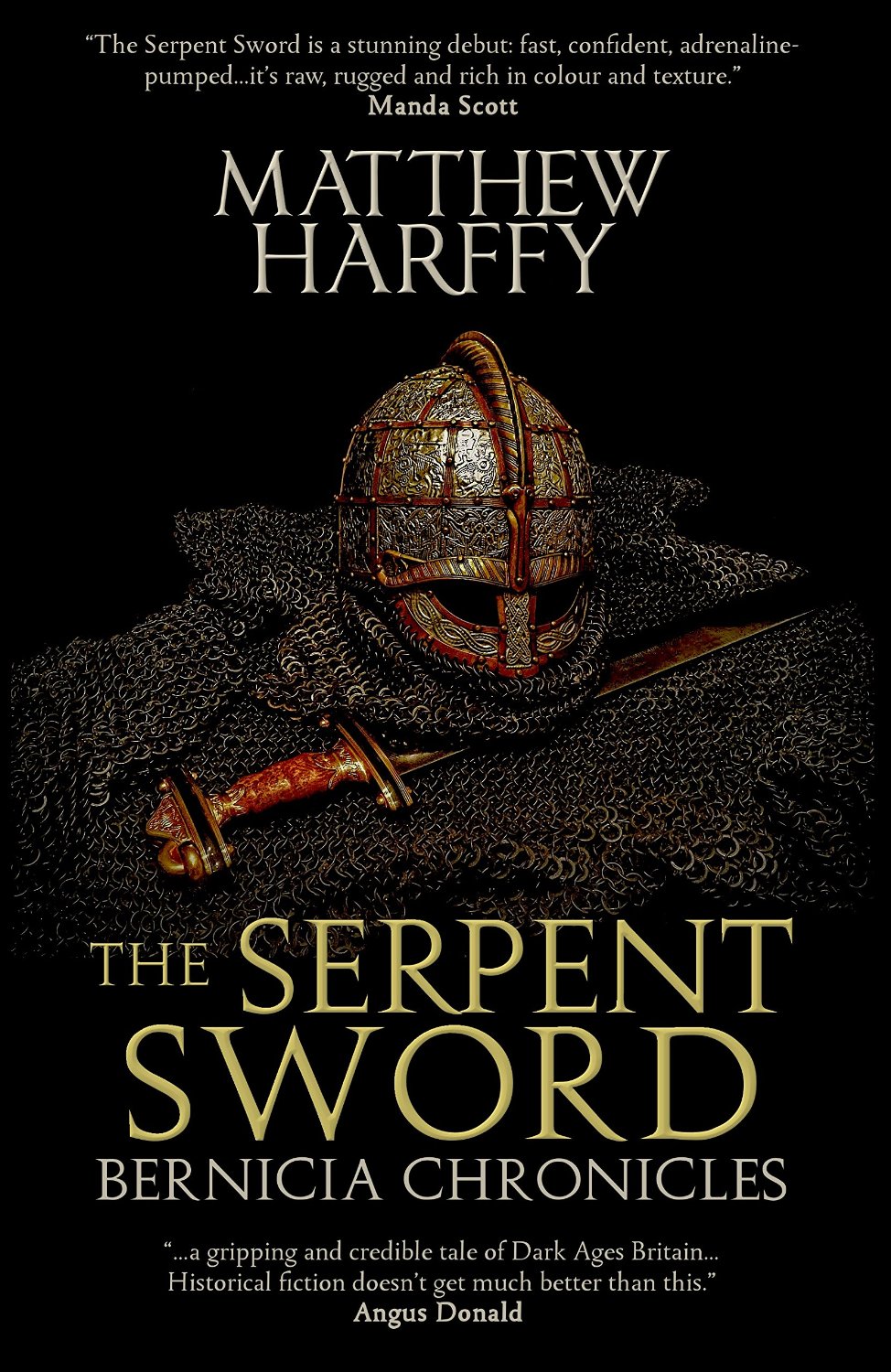
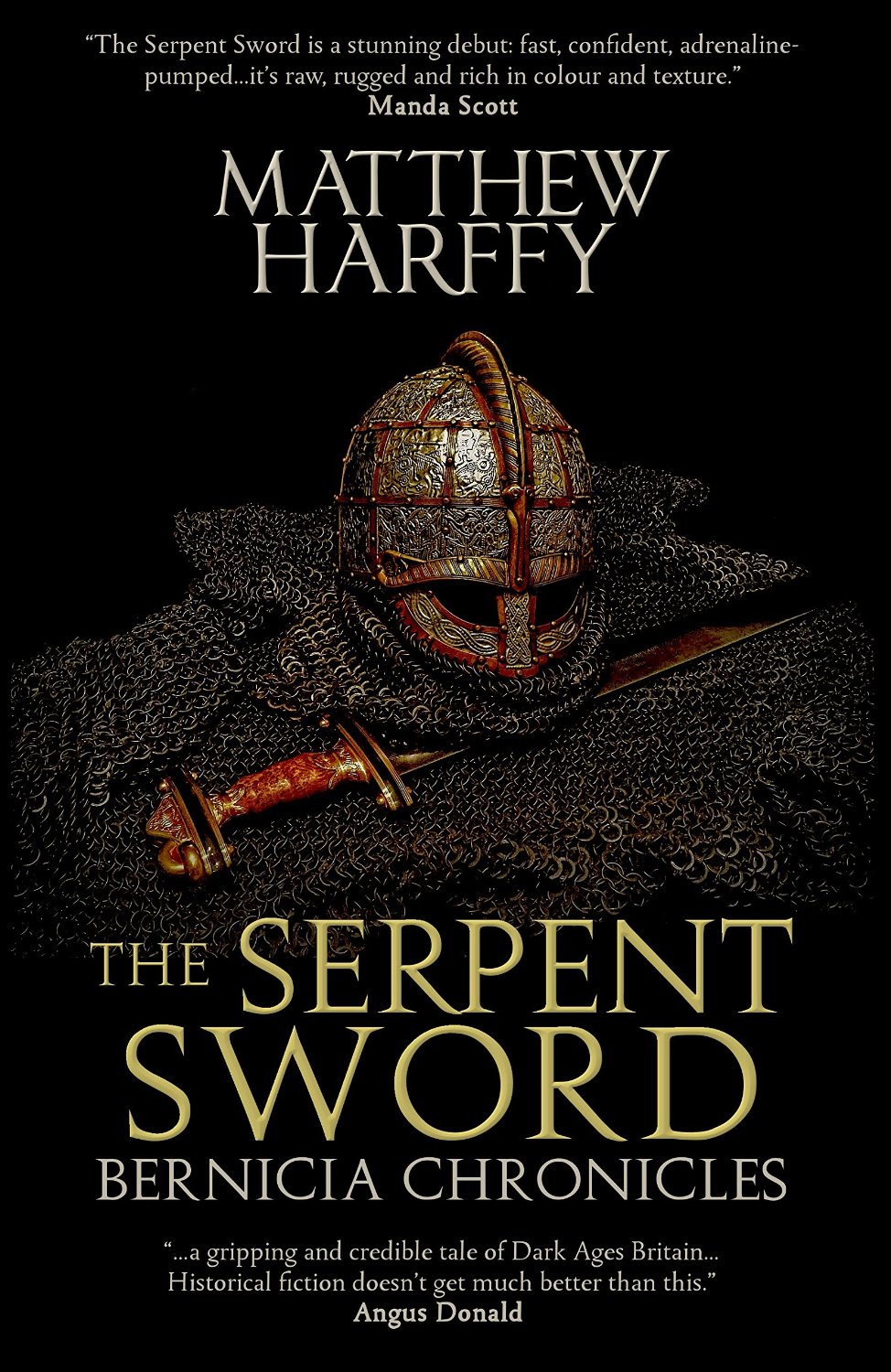
The Serpent Sword Cover

What fascinates you the most about the seventh century?

The seventh century is fascinating because it is a melting pot of religions and peoples. Christianity is resurging in Britain and the native Britons are in the final throes of their fight against the Anglo-Saxons, who they perceive as invaders from across the sea. This backdrop of turmoil, coupled with a scarcity of hard historical facts, makes it a time ripe for a novelist.

There are people-I’m sure-who are reading this interview and have never heard of Northumbria. Could you please talk a little about that and where it was located and what the area is called now?

The Northumbria I am writing about is made up of two kingdoms, Deira and Bernicia. Deira is more or less equivalent to modern-day Yorkshire, and Bernicia is to the north of that and is roughly modern-day Northumberland and some of the south of what is now Scotland. Deira and Bernicia were unified in the early 7th century. At the time of The Serpent Sword, the royal families of Deira and Bernicia are still vying for control in a series of bloody wars. I have used Northumbria, and not Northumberland, so as not to be confused with the modern county of the same name. The name comes from being the land north of the river Humber.

What is one of the challenges Beobrand faces?

Apart from staying alive and in one piece, which is a pretty tough challenge for him, Beobrand’s main challenge is growing into a man he is happy to be. He is haunted by the memory of his overbearing and violent father, and when he finds that he has a natural ability with a sword and can kill easily, he struggles to harness that skill for good. He doesn’t make all the right decisions, but he does find a woman along the way who believes in him and gives him something to fight for. In fact, what he really battles with is fulfilling the potential that others seem to see in him.

I’ve read a little about King Edwin before and I’m interested in your portrayal of him. Does he play a big part in the story?

He plays an important part in the early section of the book. He is an extremely important character, being the first Christian king of Northumbria and the driving force of the Deiran dynasty that unifies the two kingdoms of Deira and Bernicia. Without giving away any spoilers, in the second part of the novel, Beobrand’s journey takes him away from Edwin, but the king’s presence overshadows later events.

I’m really fascinated with the shift of powers during this period your story is written in. You have the religions of the Britons and the Anglo-Saxons. Then the battles between different Kings. Will you talk about the differences between these two groups of people-the Britons and Angle-Saxons?

It is a fascinating time. I see it as being like the American Wild West. You have the invaders who have come from the east bringing superior fighting techniques, armour and weaponry. They bring their own religion and way of life and they push the natives of the land further and further west, creating a frontier land that must have been just as dangerous as North America in the middle of the nineteenth century. In this analogy, if the Anglo-Saxons are the “cowboys” and the Britons are the Native Americans, I have focused more on the story from the perspective of the incoming cowboys.

Any other historical significances to your story?

The Serpent Sword deals with the battle of Hatfield Chase, which is significant in the power shifts of the time in Britain. I also touch on the emergence of Christian monks coming down from Ireland, through the island of Iona. In the second book in the series, we see the settlement of Lindisfarne, the Holy Island on the north-eastern coast of England and other significant battles that are recorded in the known histories of the time, such as the Venerable Bede and the Anglo-Saxon Chronicle. Around these events, I weave the more personal story of Beobrand and his friends (and enemies).

Who designed your book cover?

I did and I’m very happy with how it turned out. I put it together using only free software (GIMP, LightZone, Inkscape). It features an original photo of authentic period war gear. The photo was taken by the owner of the gear, the talented, Matt Bunker, from the living history group Wulfheodenas.

What are you working on next?

I’ve already completed the sequel, THE CROSS AND THE CURSE. I’m now working on book 3 of the Bernicia Chronicles. I also have an idea for a prequel novella or perhaps novel, but that is just in the planning stage and has been set aside at this time.

Do you stick with just genre?

So far!

If you were to pick another genre, what are you most likely to write about? Or have you ever thought about it?

I would love to write a western. I used to love Louis L’Amour, and I’m a huge fan of Larry McMurtry’s Lonesome Dove. I love western movies too, and would really get a kick out of bringing the hard vision I have of the American West into a novel. Plus it would be a great excuse for a trip to states like Texas, Arizona and Colorado!

I have also started toying with the idea of writing a book with my wife. It would be set in Victorian times and be a crime thriller, with a twist.

So many ideas, not enough hours in the day or days in the year!

Author Linkds:
Website

Facebook

Twitter

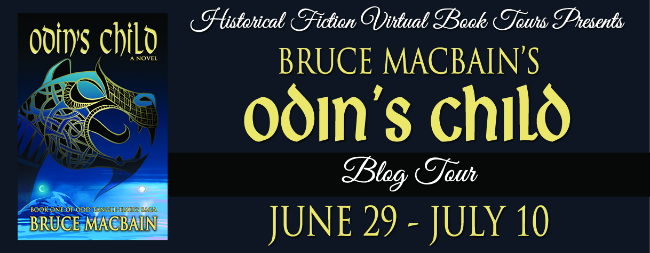
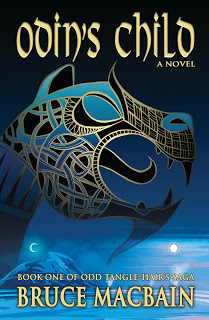
Odin’s Child by Bruce Macbain

odin's child book cover

Publication Date: May 26, 2015

Blank Slate Press

Formats: eBook, Trade Paperback Pages: 400

Genre: Historical Fiction

Driven from the flaming ruin of his Iceland farmhouse, young Odd Tangle-Hair, the only survivor of a feud in which his family is slaughtered, steals a ship, rounds up a rag-tag crew and embarks on the Viking life. He swears one day to return, rich and powerful enough to take vengeance on his enemies. But how far off that day seems!

His father, Black Thorvald, had once been a chieftain in Iceland. But in the year 1000, when the country adopted Christianity, Thorvald denounced the new faith and shut himself up in his hall, shunning the world and shunned by it. Odd fears that the worm of cowardice that unmanned his father has infected him too. He has inherited from Thorvald a shock of black hair, a gift for poetry, and an allegiance to Odin, god of battles and magic. But Odd is heir to darker traits as well—a hint of madness and a temper which will sometimes cost him dearly.

Fate carries him and his men to a shamanistic healer in Lapland, to bloody religious strife in Norway, to the lair of a witch in Finland, and finally to the borders of Russia. Here Odd will leave his comrades behind to join the retinue of a Norwegian princeling who is fleeing to the court of Yaroslav, Grand Prince of Rus. New dangers wait for him in that faraway country.

Eager, curious, quick-witted—and sometimes wrong-headed—Odd Tangle-Hair recounts his story with candor, insight, and always an ironic sense of humor.

Odin’s Child Available at

Amazon   Barnes & Noble   Books-a-Million   IndieBound

Praise for Odin’s Child

“Meticulous research and poetic writing make Odin’s Child a multilayered masterpiece…It brings medieval Scandinavia vividly alive. Written with passion, peopled with superbly realized characters, I was gripped from the very first page of this historical novel.” -Carol McGrath, author of The Handfasted Wife and The Swan-Daughter

“[Macbain’s] writing is vivid and compelling, and his understanding of Norse and Icelandic culture and history is woven deftly throughout the tale. The cast of characters is well-fleshed out and Odd makes for a wonderful protagonist. I thoroughly enjoyed this novel, and I eagerly await its sequel. Highly recommended.” -Historical Novels Review, Editor’s Choice

Excerpt from Chapter 1: The Stallion Fight At Thingholt

On that day in May, as we rode to the stallion fight at Thingholt, my fate showed itself to me. A raven flew low across the sky into the rising sun and the moment I saw it I knew that Odin had spoken to me and that he would give me courage for the thing I had secretly made up my mind to do. Only now, half a century later, do I see what a long text was folded into that swift vision.

The spring of my sixteenth year had come early to the South Quarter of Iceland, with hot-cold days and thunderclouds sweeping up over the mountains. The stallions, smelling the air, trembled and kicked against their stalls. At this season if you stake out a mare where the stallions can smell her, they will fight like berserkers to get at her, and a great one will die before he breaks and runs.

Black Grani was such a one. This was his fourth spring and the time had come to bring him to the South Quarter Thing and fight him. Thorvald, my father, grumbled and held back, but I gave him no peace, until, at last, he flung up an arm, which meant ‘yes’.

Although my brother Gunnar and I had set out early from the farm, the day was far gone before we came in sight of Thingholt plain and heard the distant shouts of men and the whinnying of horses. We left Grani and our mounts at the horse lines and walked across the sparse heath into the holiday crowd. And as we pushed our way through, there were some who knew us. A few old men came up and in low voices asked to be remembered to our father. But one red-faced woman, seeing us, cried, “Jesu!” and dragged her little daughter from our path.

About the Author

03_Bruce Macbain_Author

From boyhood, Bruce Macbain spent his days in reading history and historical fiction. The Greeks and Romans have held a special fascination for him and this led to earning a master’s degree in Classical Studies and a doctorate in Ancient History. Along the way, he also taught English as a Peace Corps Volunteer in Borneo. Later, he taught courses in Greek and Roman civilization at Vanderbilt University and Boston University, and published a few dense scholarly monographs, read by very few. Recently, he has turned to writing fiction, a much more congenial pursuit. He has previously published two historical mysteries set in ancient Rome, Roman Games and its sequel, The Bull Slayer. Now, he has turned his attention to his other favorite folk, the Vikings. Odin’s Child is the first novel of a trilogy, Odd Tangle-Hair’s Saga, which follows our hero—a wanderer, poet and warrior—from his tiny Iceland farm to the Great Palace in Constantinople. It will be published by Blank Slate Press in May, 2015.

Bruce spends his spare time in the kitchen, cooking spicy food.

For more information please visit Bruce Macbain’s website. You can also follow him on Facebook, Twitter, Google+, and Goodreads.

Odin’s Child Blog Tour Schedule

Monday, June 29 Review at A Book Geek Interview at Shelf Full of Books Spotlight & Giveaway at Unshelfish

Tuesday, June 30 Interview at Brooke Blogs

Wednesday, July 1 Review at Book Nerd

Friday, July 3 Spotlight at Layered Pages Spotlight & Giveaway at Teddy Rose Book Reviews Plus More

Monday, July 6 Interview at A Literary Vacation

Tuesday, July 7 Spotlight & Giveaway at Passages to the Past

Wednesday, July 8 Spotlight at CelticLady’s Reviews

Thursday, July 9 Review at Bookramblings

Friday, July 10 Review at Just One More Chapter

Odin's Child Blog tour banner


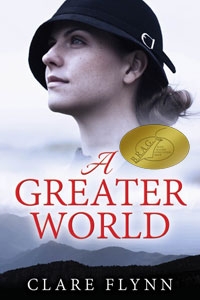
A Greater World by Clare Flynn

A Greater World -BRAG Book

B.R.A.G. Medallion Honoree  

Author Website

Amazon US

Amazon UK  

She crossed the world to marry a man she’d never met

When Elizabeth Morton’s father asks her to travel from England to Australia to marry a complete stranger, she thinks he must have lost his mind. This is 1920, and a woman has rights. But when her brother-in-law shatters her comfortable world, she has no choice but to travel across the world.

When Michael Winterbourne, a lead miner, battle worn from the trenches of the First World War wakes up with a hangover after his engagement celebrations, he has no idea he is about to cause a tragedy that will destroy his family.

When Michael and Elizabeth meet on the SS Historic, bound for Sydney, they are reluctant emigrants from England. They may hope their troubles are over, but they’re only just beginning.

A Greater World moves from the docks of Liverpool to the beautiful Blue Mountains of Australia, from coal to cocaine, from drawing rooms to courtrooms.

Interview with Diann Ducharme

04_Diann Ducharme_Author

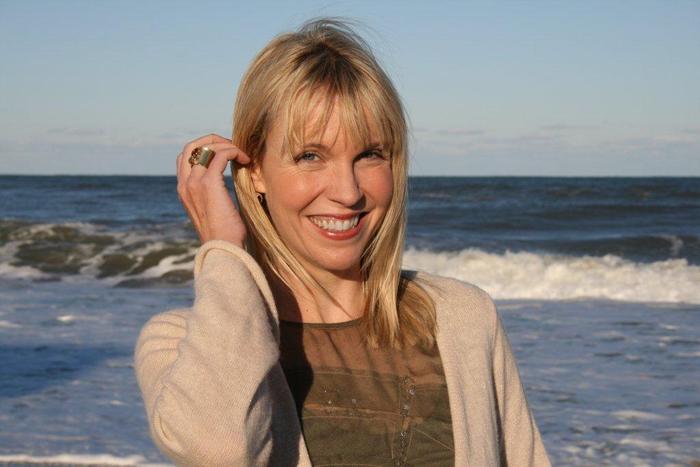
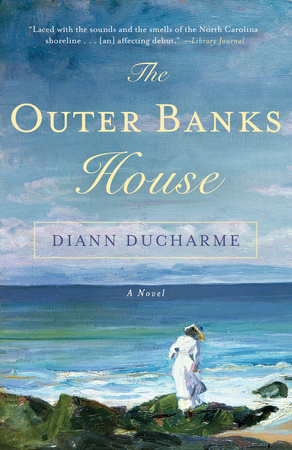
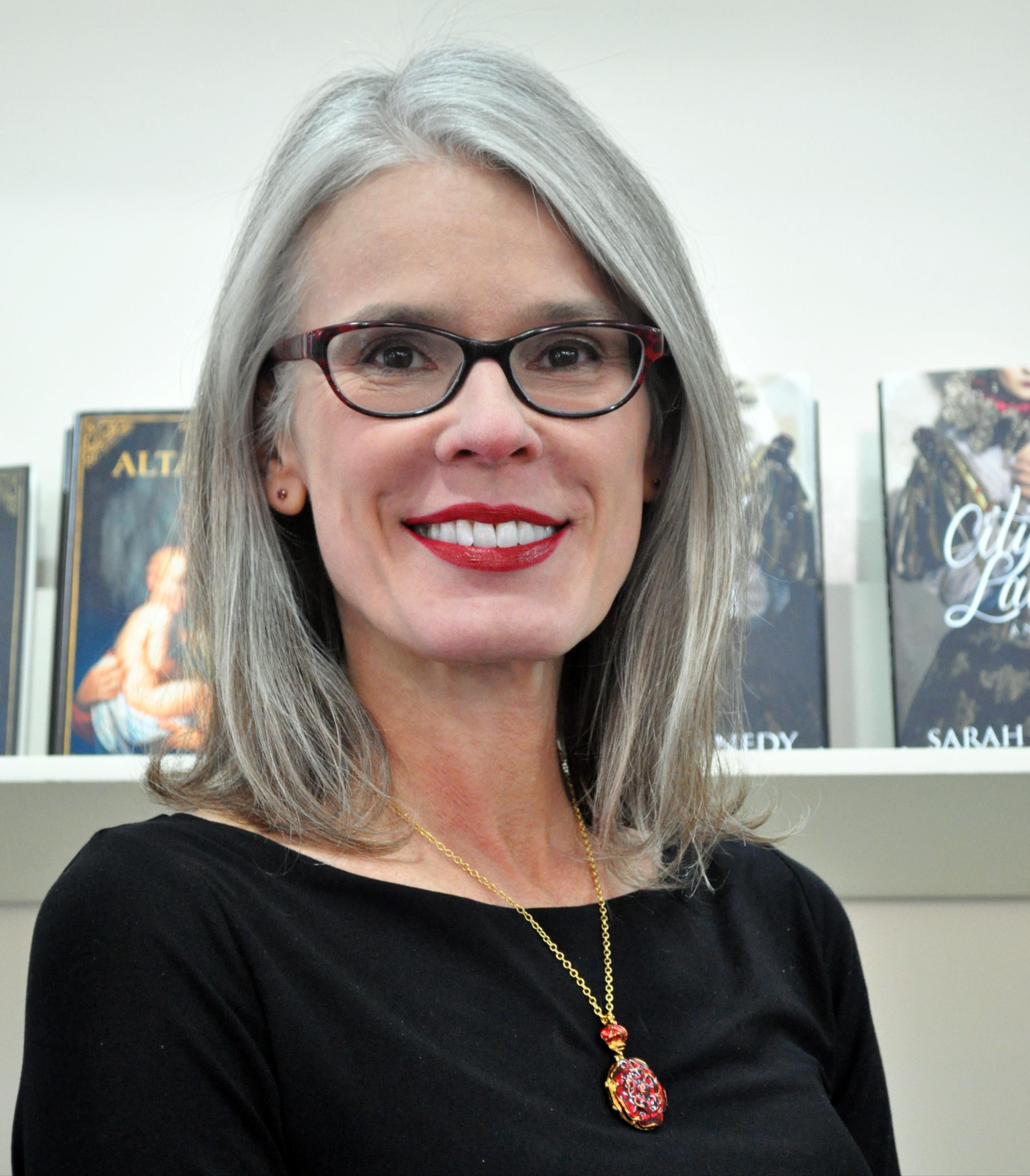
I’d like to welcome Diann Ducharme today to Layered Pages to talk with me about her book, The Outer Banks House. Diann was born in Indiana in 1971, but she spent the majority of her childhood in Newport News, Virginia. She majored in English literature at the University of Virginia, but she never wrote creatively until, after the birth of her second child in 2003, she sat down to write The Outer Banks House. She soon followed up with her second book, Chasing Eternity, and in 2015 the sequel to her first novel, Return to the Outer Banks House.

Diann has vacationed on the Outer Banks since the age of three. She even married her husband of 10 years, Sean Ducharme, in Duck, North Carolina, immediately after a stubborn Hurricane Bonnie churned through the Outer Banks. Conveniently, the family beach house in Kill Devil Hills, North Carolina provided shelter while she conducted research for her historical fiction novels.

She has three beach-loving children and a border collie named Toby, who enjoys his sprints along the shore. The family lives in Manakin-Sabot, Virginia, counting down the months until summer.

For more information visit Diann Ducharme’s website. You can also follow Diann on her blog, Twitter, and Goodreads.

Diann, please tell me about your book.

Its 1868, the era of Reconstruction in North Carolina, and times are tough. Yet the barren barrier islands of the Outer Banks offer a respite for the Sinclairs, the once-wealthy plantation owners. The family of five and three servants plan to spend the summer in the newly constructed cottage, one of the first cottages on the ocean side of the resort village of Nags Head.

There, on the porch of the cottage, the 17-year-old daughter, beautiful, book-smart and boxed-in Abigail, teaches her father Nolan’s fishing guide, good-natured, ambitious and penniless 19-year-old Benjamin Whimble, how to read and write. The two come to understand, and then to love each other, despite the demands of their parents, the pursuit of prim and proper medical student Hector Newman, and Ben’s longtime relationship with sour-tongued net-mender, Eliza Dickens.

But as Abby and Ben come to learn, tackling the alphabet is the easy part of the summer. Against everything he claims to represent, Ben becomes entangled in Nolan’s Ku Klux Klan dirty work, and Abigail’s mother Ingrid, unexpectedly pregnant, reveals facets of her personality to Abigail that shed light on her growing madness and inability to mother. As Abby and Ben venture from the cottage porch to a real schoolhouse—a schoolhouse for the slowly dwindling Freedmen’s Colony on nearby Roanoke Island, they soon come face to face with her father, dressed in KKK robes and hunting a man that the entire colony of freed slaves has come to love and respect. It becomes doubtful that Abby and Ben’s newfound love will survive the terrible tragedy and surprising revelations that one hot Outer Banks night brings forth.

The Outer Banks House is the first historical fiction novel set on the Outer Banks of North Carolina in the mid-19th century. It combines history, romance and coming-of-age drama, as Abby tries to adjust to life in a post-war South. Each chapter begins with a pertinent quote from Robinson Crusoe, the novel that sparks such controversy (over slavery and racism), and finally appreciation and love, between Abby and Ben.

What are some of your interests in the Civil War?

During that post-Civil War Reconstruction era, vacation homes were starting to be built along the ocean side of the Outer Banks. The questionability of such endeavors—something at which the local “Bankers” looked askance, due to the cottages’ dangerous proximity to the sea–captivated me. I wanted to write about people that would do such dramatic things. I also enjoyed imagining women in hoop skirts, fresh from the war, hanging out at beach cottages. I didn’t know much about the Civil War, nor Reconstruction in North Carolina, but I did know about hanging out at the beach, so I learned as much as I could about that time period and blended what I knew with what I had learned.

What is some of the research that went into this story?

During my research, I read a terrific book called Time Full of Trial: The Roanoke Island Freedmen’s Colony by Patricia Click, about the Freedmen’s Colony on Roanoke Island during and after the Civil War. The book taught me everything there was to know about the Freedmen’s Colony, of which I had previously heard nothing. Learning about such a unique and unheard of aspect of the Outer Banks piqued my interest enough to use it as a major point of reference in the novel.

I also learned during my research that many residents of the Banks were pro-Union during the Civil War. As much as North Carolina is considered a southern state, it was interesting for me to know that the people of the islands didn’t necessarily hold the beliefs that were championed by people of the mainland. This fact helped me to form Ben’s character, as well as create a picture of the independent-mindedness of the people of the Banks.

I also dragged my family all over the island in the name of research. A pivotal scene occurs on the large dune system called Jockey’s Ridge, located in Nags Head. My family and I climbed the dunes several times, and it never failed to amaze me just how high they were—a giant hill made of sand! And too, a much smaller dune system exists to the north of a unique maritime forest called Nags Head Woods. The dune system, called Run Hill, is pretty much a secret to most visitors of the Banks—eerily quiet in the dead of summer. This is where I found the trees—the northernmost beginnings of Nags Head Woods—whose trunks were buried in sand. Just as my characters stumbled upon these feats of nature, so did I explore them for the first time as well. I think such exploration made the writing more believable.

Please tell me a little about Abby’s father’s work with the Ku Klux Klan.

The Ku Klux Klan was founded in 1866 as a way to reassert white southern resistance to the Republican Party’s Reconstruction-era policies that favored politician and economic equality for the newly freed blacks. The Klan extended into every southern state by 1870, including North Carolina. Nolan Sinclair, being a wealthy plantation owner, was a politically connected man before and after the war; these during Reconstruction these humiliated and temporarily hobbled politicians and former slave-owners set about righting a white supremacist agenda which eventually made its way into many southern legislatures.

Why did you choose the Outer Banks of North Carolina for your story?

The Outer Banks is a long, skinny chain of barrier islands that run along a good portion of the coast of North Carolina. One the one side, the ocean crashes against the naked sand, all drama. On the other side, the sounds caress the maritime thickets and marshland, more forgiving. I knew that I wanted to compare the two ecosystems, similar to the way in which I pit the “Bankers” against the mainlanders who build their vacation homes there.

Also, nothing there stays the same—everything is dynamic, fleeting—yet the tiny strip of land still hangs on, facing the wild weather year after year. The concept of change suited my characters as well.

I have vacationed on the Outer Banks since the age of 3, so it is a very special place for me.

Please tell me a little about the Sinclair family.

Nolan Sinclair, the once wealthy and powerful planter from Edenton, North Carolina, is fearful of losing his plantation in the Reconstruction aftermath of the Civil War. In a desperate act of assertion, he moves his family to the unusual house on the sand for the summer of 1868. His connections with the KKK threaten his otherwise peaceful summer plans at the seaside. His fiercely intelligent and aloof wife Ingrid is in the early stages of pregnancy, but she fears that her body cannot safely bear any more children. And their eldest child, 17-year-old Abby, misses her Uncle Jack, dead from an illness contracted during the Civil War. Their faithful servant, Asha, travels to the beach with them for the summer.

What are some of the fictional aspects of the story?

The setting is very real, but I had to imagine what it must have been like in 1868. Not a lot was written about the area during this time period.

What was your writing process and how long did it take to write your story?

It took me about 3 years to complete the first draft of the novel. I wrote during my second child’s naps and on weekends when my husband took over the household duties. But I was thinking about the novel at all times of the day and often at night!

What are you working on next?

I am working on a present-day novel about a once-beautiful woman, now scarred, who struggles to overcome her agoraphobia in order to regain custody of her two children. During her recovery, a love interest with a deer hunter ensues when she moves to her blind aunt’s home in the mountains of western Virginia.

02_The Outer Banks House_Cover


Buy The Outer Banks House

Amazon

Barnes & Noble

Crown Publishing

IndieBound

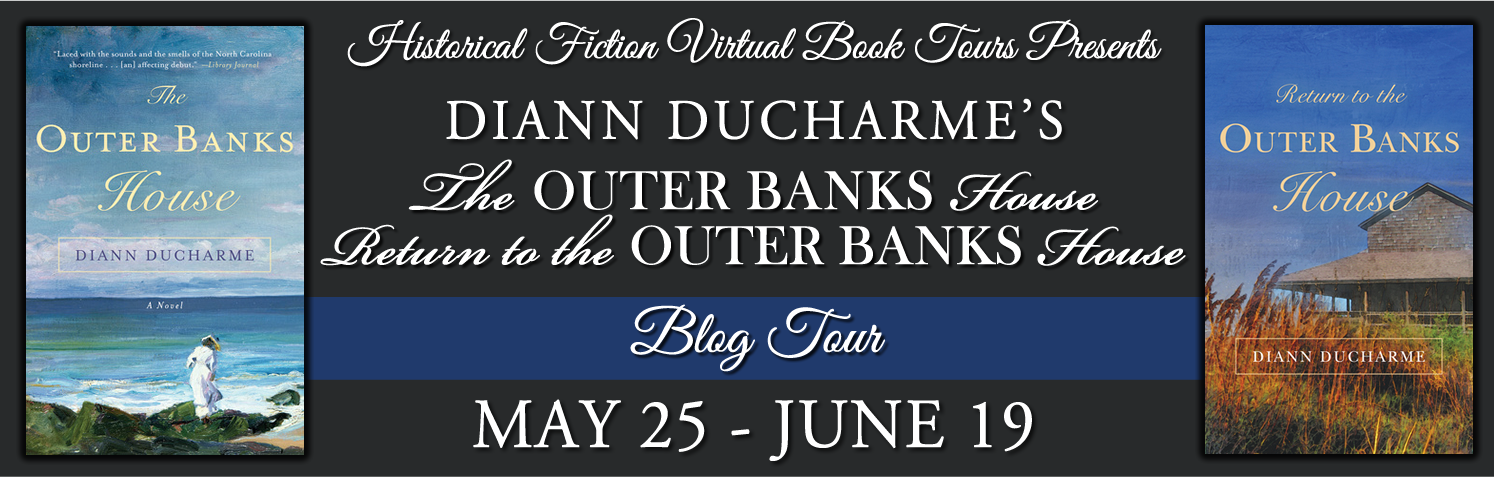
 The Outer Banks Series Blog Tour Schedule

Monday, May 25 Spotlight & Giveaway at Raven Haired Girl

Tuesday, May 26 Guest Post & Giveaway at Susan Heim on Writing

Wednesday, May 27 Review (Book One) at Back Porchervations

Thursday, May 28 Review (Book One) at In a Minute

Friday, May 29 Interview & Giveaway at Historical Fiction Obsession Spotlight at The Never-Ending Book

Saturday, May 30 Spotlight at Becky on Books

Sunday, May 31 Review (Book One) at Book Nerd

Monday, June 1 Review (Book Two) at Let them Read Books Spotlight at I’d So Rather Be Reading

Tuesday, June 2 Review (Book One) at Book Lovers Paradise

Wednesday, June 3 Review (Book Two) at Back Porchervations

Thursday, June 4 Spotlight & Giveaway (Book One) at View from the Birdhouse

Friday, June 5 Review (Both Books) at Bibliotica

Sunday, June 7 Review (Book One) at Carole’s Ramblings

Monday, June 8 Review (Book One) at Ageless Pages Reviews Guest Post at Curling Up With A Good Book

Tuesday, June 9 Review & Giveaway (Book One) at A Literary Vacation

Wednesday, June 10 Review (Both Books) at Unshelfish Spotlight at CelticLady’s Reviews

Thursday, June 11 Review (Book Two) at Book Lovers Paradise Interview at Boom Baby Reviews

Friday, June 12 Spotlight at Caroline Wilson Writes

Sunday, June 14 Review (Book Two) at Carole’s Ramblings

Monday, June 15 Review & Giveaway (Both Books) at Genre Queen

Tuesday, June 16 Interview at Books and Benches Spotlight at The Lit Bitch

Wednesday, June 17 Review (Both Books) at Luxury Reading

Thursday, June 18 Review (Book One) at Books and Benches Interview at Layered Pages

Friday, June 19 Review (Book One) at Build a Bookshelf Review (Book Two) at Ageless Pages Reviews

05_Outer Banks Series_Blog Tour Banner_FINAL


Historical Fiction & Meaning with Sarah Kennedy

Sarah Kennedy

Sarah Kennedy

Historical fiction is important as a way of seeing the past in new ways, and since I’ve always had an interest in “real” history, I have mixed feelings about how rigorous historical novelists must be in recreating their periods. For example, I get frustrated with steam-punk because the historical inaccuracies too often seem, well, silly, and I’m not really interested in alternative histories—except as social commentary. Historical fiction, however, allows for imaginative re-creation of a distant place and time that provides a new perspective on the present—while staying firmly rooted in the real world.

When I began my fictional series, The Cross and the Crown, I wanted to present Tudor England from the perspective of a woman who was not noble, not royal, not famous—but who is intelligent and resourceful. Staying away from the famous characters, whose stories we all already know, gave me some wiggle room to create Catherine Havens, my heroine. I wanted to see what might happen to a “regular” woman who is confronted with the upheavals of Tudor England under Henry VIII.

I think historical fiction can present a “what if . . ?” that can change the way readers view the past, and in so doing change the way we look at the present. (I believe good science fiction does this as well—just in the opposite direction in time!) I do blend fiction with the facts of my Tudor series, though I wouldn’t change the details of the monarch or well-researched historical figures. I’m more interested, generally, in the development of character than in plot, so I have chosen to create Catherine as a fictional character who has only passing (though significant) interaction with the famous people.

Of course, I love the famous people. My interest in Tudor England comes from an inherent fascination with turbulent times in the past and in charismatic leaders. My doctoral work focused on the late Renaissance, so I have a long personal background in reading and teaching Tudor literature, and that’s probably why I set my story in the 1500s.

But when I turned to fiction after seven books of poems, I wanted to “flesh out” the culture, and so I created Catherine Havens. She’s entirely a fiction. She’s a novice who is thrown out of her home when the convents are closed. She is given permission to marry. Did this happen? Not that I’m factually aware of in any particular instance. Could it have happened? It certainly could have. The laws of England were firm, but they were also subject to interpretation—and to twisting by clever lawyers and courtiers.

These ideas have been explored by novelists like Phillippa Gregory and Alison Weir, and they’re influences, of course, but I wanted to think about how this changing power system affected ordinary people, who must have struggled to understand how and why the new religion and the court could control their everyday lives. People revolted. They challenged authority. They went on with their lives, sometimes in spite of the king (or queen).

Half of these ordinary people were women. We have many more records about men, but women worked and prayed alongside their brothers, husbands, and fathers, and I wanted to re-imagine these invisible foremothers into flesh-and-blood life. They raised families, healed wounds, treated the sick, and washed the dead. They oversaw households and undermined expectations.

I travel frequently, and I love to be in the spaces where people lived, because I can feel their lives when I can see where they lived. Even ruins seem to talk to me, and though I rarely take photographs (I prefer my own faulty memory) these places change the way I think about the lives women lived. I particularly like looking at kitchens (Hampton Court and Sutton House are favorites), because I can see the women and men who sweated and labored in them to feed the people above, who might not even know their names.

The ease with which research can be done on the internet is probably the biggest change I have seen in the genre in the last ten years. Both writers and readers can check up on facts and details, and this puts greater pressure on the writer to be accurate. Happily, online research also makes it easier for the writer in a moment of forgetfulness; I always know I can find images that I need to put me back into a moment or a location.

I’ve recently become interested in genealogical research, as a result of my daughter’s questions about our family’s past, and I’ve found yet another instance of “historical fiction”—oral histories. In many ways, finding out about one’s family is like writing historical fiction—one changed detail shifts the whole picture. Will I always write historical fiction? I don’t know the answer to that. I do know, however, that we hunger for answers to the past, to understand the people who came before us and in doing so to better understand how we have come to be who we are today.

Sarah Kennedy

About Author:  

Sarah Kennedy is the author of the novels The Altarpiece (Knox Robinson 2013) and City of Ladies (Knox Robinson 2014). Her third novel, The King’s Sisters, will be released in September 2015. She has also written seven books of poems, including The Gold Thread, Home Remedies, A Witch’s Dictionary, Consider the Lilies, Double Exposure, and Flow Blue. A professor of English with at Mary Baldwin College in Staunton, Virginia, Sarah Kennedy holds a PhD in Renaissance Literature and an MFA in Creative Writing. She has received grants from both the National Endowment for the Arts and the Virginia Commission for the Arts and is currently a contributing editor for Shenandoah.

Author Website

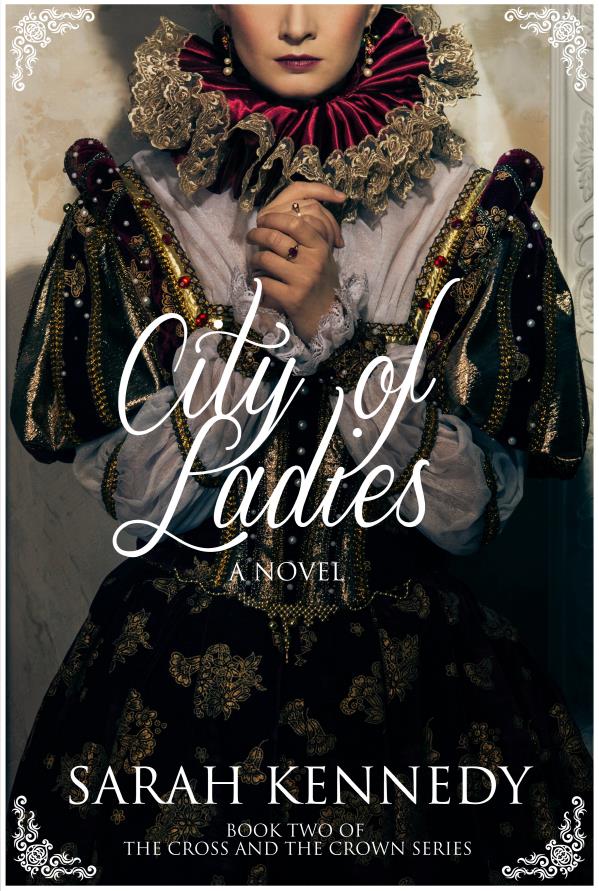
City of Ladies

It’s midwinter in 1539, and Catherine Havens Overton has just given birth to her second child, a daughter. The convent in which she was raised is now part of the Overton lands, and Catherine’s husband William owns the properties that once belonged to her mother’s family. With a son, Robert, and her new daughter, Veronica, Catherine’s life as the mistress of a great household should be complete.

Henry VIII’s England has not been kind to many of the evicted members of religious houses, and Catherine has gathered about her a group of former nuns in hopes of providing them a chance to serve in the village of Havenston, her City of Ladies.

Catherine’s own past haunts her. Her husband suspects that Catherine’s son is not his child, and his ambitions lie with service at court. Then the women of Overton House begin to disappear, and though one of them is found brutally murdered nearby, William forces Catherine to go to Hatfield House, where the young Elizabeth Tudor lives, to improve the family’s standing—and to ensure, for her own safety, that she is as far away from connections to her old convent as possible.

Reluctantly, Catherine obeys, only to find herself serving not only the Protestant Elizabeth but also the shamed Catholic Mary Tudor. As the murders in Yorkshire mount up and her loyalty to the Tudor sisters grows more complicated, Catherine must uncover the secret of the killer and keep her dream of a City of Ladies alive.

Buy the Book(s):

Knox Robinson Publishing

Barnes & Noble

Amazon


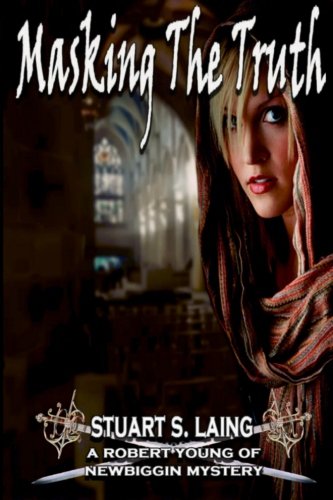
Masking The Truth by Stuart S. Laing is Now Available at Your Amazon Store

Masking the truth II

Edinburgh 1746

Robert Young and Captain Charles Travers once again join forces to investigate a vicious attack on a young actress. Despite being convinced of the guilt of the four young men responsible, wealth and family connections means that their trial is a mockery of justice. While they believe themselves to be untouchable, and can treat the poor with utter contempt and immunity, it soon becomes clear that Death is no respecter of wealth or rank. Robert and Charles now have to find a killer before he can strike again, even though they know the victims are far from innocent.

About the Author:

Stuart Laing

Born in 1966 and raised on the east coast of Scotland in the ancient Pictish Kingdom of Fife. Married to a wonderful woman for 19 years and we have been blessed with a beautiful daughter. I really have to say thank-you to my wife for allowing me to spend so much time in the 18th Century when there are jobs in the 21st Century probably requiring my attention! I have always been fascinated by the history of Edinburgh and have spend most of my adult life studying Scottish history in all its aspects but always find myself being drawn back to the cobbled streets of the Old Town. I would urge all visitors to Scotland’s ancient capital to (briefly) venture into one of the narrow closes/alleys running off from the Royal Mile to get a flavour of how alive with mischief, mayhem, love and laughter these streets once were.

Buy the Book:                    

Amazon US

Amazon UK

Author Links:

 Website

goodreads

 Twitter

Sunday Book Highlight: The Serpent Sword by Matthew Harffy

The Serpent Sword Cover

BRITAIN 633 A.D.

Certain that his brother’s death is murder, young farmhand Beobrand embarks on a quest for revenge in war-torn Northumbria. When he witnesses barbaric acts at the hands of warriors he considers his friends, Beobrand questions his chosen path and vows to bring the men to justice.

Relentless in pursuit of his enemies, Beobrand faces challenges that change him irrevocably. Just as a great sword is forged by beating together rods of iron, so his adversities transform him from a farm boy to a man who stands strong in the clamour and gore of the shieldwall.

As he closes in on his kin’s slayer and the bodies begin to pile up, can Beobrand mete out the vengeance he craves without sacrificing his own honour…or even his soul?

The Serpent Sword is the first novel of the Bernicia Chronicles.

Book Excerpt:

THE MAN STOOD IN THE SHADOWS preparing for murder. He pulled his cloak about him, stretching muscles that had grown stiff from inactivity. It was cold and his breath steamed in the autumn night air. It was uncomfortable, but he would wait. His mind was made up. His suspicions had been aroused before, but now he knew the truth of it. He had followed them here, had seen them go inside together. Soft sounds of a woman’s laughter drifted from the stable. His jaw clenched. His hand gripped the antler hilt of his seax. Holding the knife reassured him. But he would not use it tonight. No. There would be no fight. No clash of metal. No battle glory.

No deeds for the scops to sing of.

Warriors’ acts were recounted by the bards in the flickering light of mead hall fires. There was no light here. It would be a secret death. In the darkness.

What he must do was clear. But none could ever know of what happened here tonight. His life would be forfeit should he be discovered.

Somewhere, off to the land-facing, westward side of the fortress, a dog barked, then all was still again. From the east, he could hear the distant rumble of waves hitting rocks far below.

On the palisade, some distance away, he could just make out the silhouette of a guard.

A cloud scudded in front of the moon. The all-seeing eye of Woden, father of the gods, was closed. On such a night the gods slept and a man’s actions could bend his wyrd to his own ends. A great man could seize what was rightfully his. His mother had once told him he would be a man to dethrone kings and topple kingdoms. Great men were not governed by common laws.

Clinging to that thought, he girded himself for what he was about to do.

He shivered and convinced himself it was because of the chill. He moved further into the shadows.

From the building came a new sound. The rhythmic gasps and cries of coupling. He recognised the sound of Elda in those guttural moans.

How could she be so fickle? He had offered her everything. By Woden, he would have made her his wife! To think she had spurned him and then opened her legs to that young upstart. The anger he felt at her rejection bubbled up inside him like bile.

And him! Octa. The man Elda was rutting with inside the stable. Octa had all a warrior could want. A ring-giving lord who looked upon him with favour. He had land and treasures. And of course, the sword. The sword that should never have been his. The blade was named Hrunting and had been a gift from their lord, King Edwin. He had bestowed it on the man he thought had saved his life in battle. But he had given it to the wrong man. The battle had been confused, the shieldwall had broken and the king had been surrounded by enemies. It appeared all was lost until one of the king’s warriors, one of his thegns, had rallied the men and turned the tide of the battle.

Afterwards, Edwin had given Hrunting to Octa. It was a sword fit for a king. The blade forged from twisted rods of iron. The metal shone with the pattern of rippling water, or the slick skin of a snake. The hilt was inlaid with fine bone and intricate carvings. All who had seen the weapon coveted it.

But the man who waited in the shadows knew it should have been his. It was he who had smitten the leader of their enemies. He who had led the men in the charge that brought victory.

He who was destined for greatness…

MatthewHarffy

Matthew Harffy lived in Northumberland as a child and the area had a great impact on him. The rugged terrain, ruined castles and rocky coastline made it easy to imagine the past. Decades later, a documentary about Northumbria’s Golden Age sowed the kernel of an idea for a series of historical fiction novels. The first of them is the action-packed tale of vengeance and coming of age, THE SERPENT SWORD.

Matthew has worked in the IT industry, where he spent all day writing and editing, just not the words that most interested him. Prior to that he worked in Spain as an English teacher and translator. He has co-authored seven published academic articles, ranging in topic from the ecological impact of mining to the construction of a marble pipe organ.

Matthew lives in Wiltshire, England, with his wife and their two daughters.

When not writing, or spending time with his family, Matthew sings in a band called Rock Dog.

Author Links:

Website

Facebook

Twitter


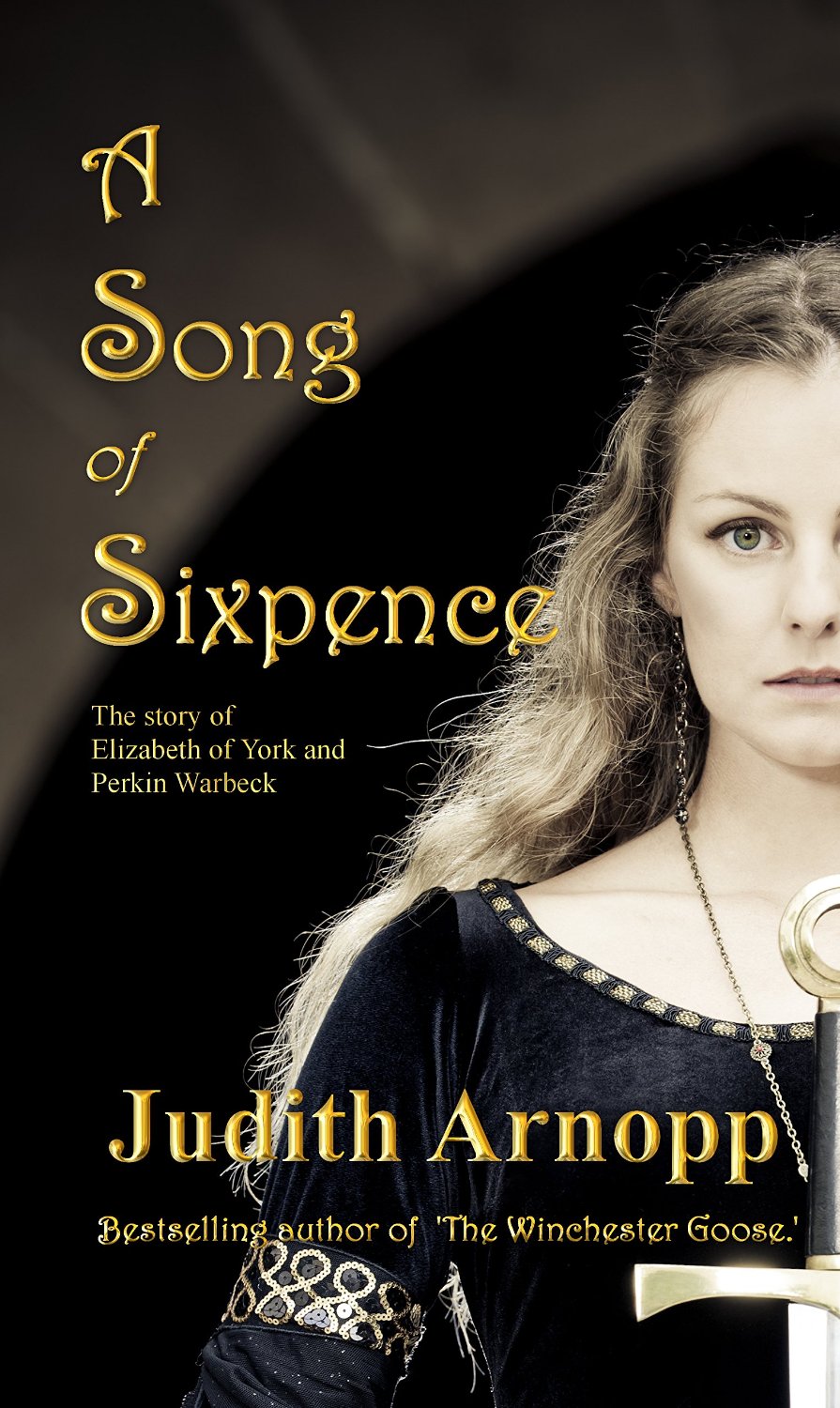
A Song of Sixpence: The Story of Elizabeth of York and Perkin Warbeck by Judith Arnopp

A Song of Sixpence

In the years after Bosworth, a small boy is ripped from his rightful place as future king of England. Years later when he reappears to take back his throne, his sister Elizabeth, now Queen to the invading King, Henry Tudor, is torn between family loyalty and duty. As the final struggle between the houses of York and Lancaster is played out, Elizabeth is torn by conflicting loyalty, terror and unexpected love. Will Elizabeth support the man claiming to be her brother, or will she choose the king? Set at the court of Henry VII A Song of Sixpence offers a new perspective on the early years of Tudor rule. Elizabeth of York, often viewed as a meek and uninspiring queen, emerges as a resilient woman whose strengths lay in endurance rather than resistance.

London – Autumn 1483

Ink black water slaps against the Tower wharf where deep impenetrable dark stinks of bleak, dank death. Strong arms constrict him and the rough blanket covering his head clings to his nose and mouth. The boy struggles, kicks, and wrenches his face free to suck in a lung full of life saving breath. The blanket smothers him again. He fights against it, twisting his head, jerking his arms, trying to kick but the hands that hold him, tighten. His head is clamped hard against his attacker’s body. He frees one hand, gropes with his fingers until he discovers chain mail, and an unshaven chin. Clenching his fingers into a fist, he lunges out with a wild inaccurate punch.

With a muffled curse the man throws back his head but, keeping hold of his prisoner, he hurries onward, down narrow, dark steps, turning one corner, then another, before halting abruptly. The boy hears his assailant’s breath coming short and sharp and knows he too is afraid.

The aroma of brackish water is stronger now. The boy strains to hear mumbled voices, low and rough over scuffling footsteps. The ground seems to dip and his stomach lurches as suddenly they are weightless, floating, and he senses they have boarded a river craft. The invisible world dips and sways sickeningly as they push out from the stability of the wharf for the dangers of the river.

The only sound is the gentle splash of oars as they glide across the water, far off the clang of a bell and the cry of a boatman. He squirms, opens his mouth to scream but the hand clamps down hard again. The men draw in their breath and freeze, waiting anxiously. A long moment, a motionless pause before the oars are taken up again and the small craft begins to move silently across the surface.

River mist billows around them; he can smell it, feels it seeping through his clothes. He shivers but more from fear than cold.

He knows when they draw close to the bridge. He can feel the tug of the river; hear the increasing rush of the current, the dangerous turbulence beneath. Surely they will not shoot the bridge, especially after dark. Only a fool would risk it.

The boy wriggles, shakes his head, and tries to work his mouth free of the smothering hand. He strains to see through the blinding darkness but all is inky black. The boat gathers pace and, as the noise of the surging river becomes deafening, the man increases his hold, a hurried prayer rumbling in his chest.

The whole world is consumed in chaos, rushing water, clamouring thunder, biting cold. In the fight for survival, the boy continues to battle fruitlessly for breath, struggle for his freedom. The body that holds him hostage tenses like a board and beneath the boy’s ear beats the dull thud of his assailant’s heart. The blanket is suffocating hot, his stomach turning as the boat is taken, surging forward, spinning upward before it is hurled down again, between the starlings, shooting uncontrollably beneath the bridge.

Then suddenly, the world is calmer. Somehow the boat remains upright on the water. It spins. He hears the men scrabble for the oars, regain control and his captor relaxes, breathes normally again. Exhausted and helpless, the boy slumps in the soldier’s arms, his fight defeated.

All is still now; all is quiet. The oars splash, the boat glides down river, and soon the aroma of the countryside replaces the stench of the city.

His clothes are soaked with river water; his stomach is empty, his body bruised and aching. Defeated and afraid, the man releases his hold and the boy lies still in the bottom of the boat.

He sleeps.

The world moves on.

Much later, waking with a start, the boy hears low, dark whisperings; a thick Portuguese accent is answered by another, lighter and less certain. This time when he blinks into the darkness, he notices a faint glimmer of light through the coarse weave of the blanket. He forces himself to lie still, knows his life could depend upon not moving but his limbs are so cramped he can resist no longer. He shifts, just a little, but it is too much. His kidnapper hauls him unceremoniously from the wet wooden planks.

The boy’s legs are like string. He stumbles as they snatch off his hood and daylight rushes in, blinding bright. He blinks, screwing up his face, blinking at the swimming features before him, fighting for focus. He sees dark hair; a heavy beard; the glint of a golden earring, and recognition and relief floods through him.

“Brampton!” he exclaims, his voice squeaking, his throat parched. “What the devil are you doing? Take me back at once.”

Brampton tugs at the boy’s tethered arms, drawing him more gently now to the bench beside him.

“I cannot. It is unsafe.”

“Why?” As his hands are untied the boy rubs at each wrist in turn, frowning at the red wheals his bonds have left behind. His Plantagenet-bright hair glints in the early morning sun, his chin juts forward in outrage. “If my father were here…”

“Well, he is not.”

Brampton’s words lack respect, but the boy knows him for a brusque, uncourtly man.

“But where are you taking me? What is happening?”

“To safety, England is no longer the place for you.”

The boy swallows, his shadowed eyes threatening tears. Switching his gaze from one man to the other, he moistens his lips, bites his tongue before trusting his breaking voice. “Where is my brother? Where is Edward?”

Brampton narrows his eyes and looks across the misty river. He runs a huge, rough hand across his beard, grimaces before he replies and his words, when they come, spell out the lost cause of York.

“Dead. As would you be had I left you there.”

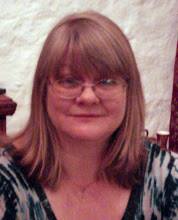
JA Picture

Judith Arnopp is from Wales in the UK, is the author of seven historical fiction novels. Her early novels, Peaceweaver, The Forest Dwellers and The Song of Heledd, are set in the Anglo-Saxon/Medieval period but her later work, The Winchester Goose, The Kiss of the Concubine, Intractable Heart and A Song of Sixpence, concentrate on the Tudor period. She is currently researching for her eighth novel about Margaret Beaufort, the mother of Henry VII. Judith is also a regular blogger and author of historical articles.

Buy the book:

Amazon US

Amazon UK  

Author links:

Amazon Author Page

Author Website

Author Blog

Facebook


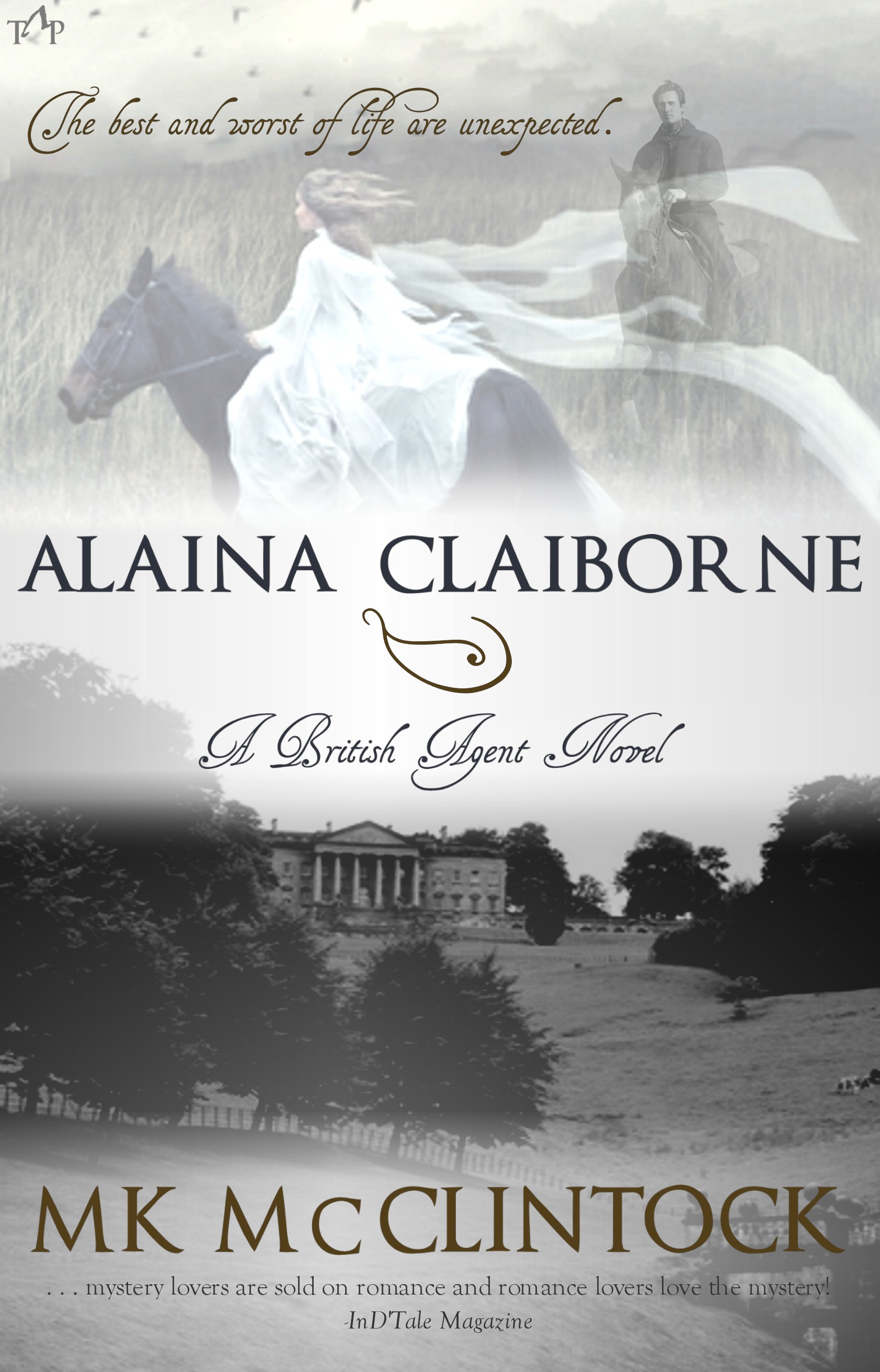
Book Review: Alaina Claiborne by MK McClintock

01_Alaina Claiborne

How far would you go to avenge your family and save the one you love?

In nineteenth-century England, Alaina Claiborne had a loving family, a cherished friend, and devoted servants. She spent her days riding across the grassy hills of the English countryside, joyful and at peace. Then tragedy strikes and her world is forever changed. Searching for those responsible is her only focus… until she meets Tristan. Tristan Sheffield, a man of many talents, searches out those who don’t want to be found. His past is filled with secrets and deeds he would rather leave deeply buried. However, when his life unexpectedly entwines with Alaina’s, he soon discovers they share more than a mutual desire to catch a murderer. On their hunt for a man driven by greed, Tristan and Alaina find that love is the greatest weapon against evil, and they’ll stop at nothing to survive.

**********

I was really torn with writing this review because I normally don’t read in this genre and I do not consider this story historical fiction. More like a period romance and as a rule, I generally do not read/review romance for various reasons. However, when I read the premise and saw the layout of the book, my attention was captured.

When I began to read this story I was blown away by the beginning! A girl witnessing her parent’s murder. What a way to start a story. Powerful. I give the author a high five for that. A strong beginning are important to the story. Readers need to be grabbed from the beginning. The tricky part is to hold the reader’s attention throughout the story. Did the author do this for me? I would have to say yes but there were a few things that I felt could have be worked on a bit. The overall mystery fell a little flat for me. I felt that could have been stronger. I’m not saying it wasn’t a good mystery by any means….there was some things that just need to be worked out better. The setting and the period of the story wasn’t portrayed as convincible and true to the time in my opinion and I would have liked for it to be a bit more atmospheric. I will say there is a twist to the ‘who done it’ part I did not see coming….however I felt that character needed to be introduced much sooner in the plot. The character seemed to just appear out of nowhere but maybe that was the author’s intention? Not sure.

Despite some of the things I feel that need to be worked on I enjoyed this story and I’m looking forward to seeing more from this author. Fun read. Sweet romance. Lots of potential.

I’ve rated this book three stars.

Stephanie M. Hopkins

Alaina Claborne Available At

Amazon US | Amazon UK | Nook | Kobo


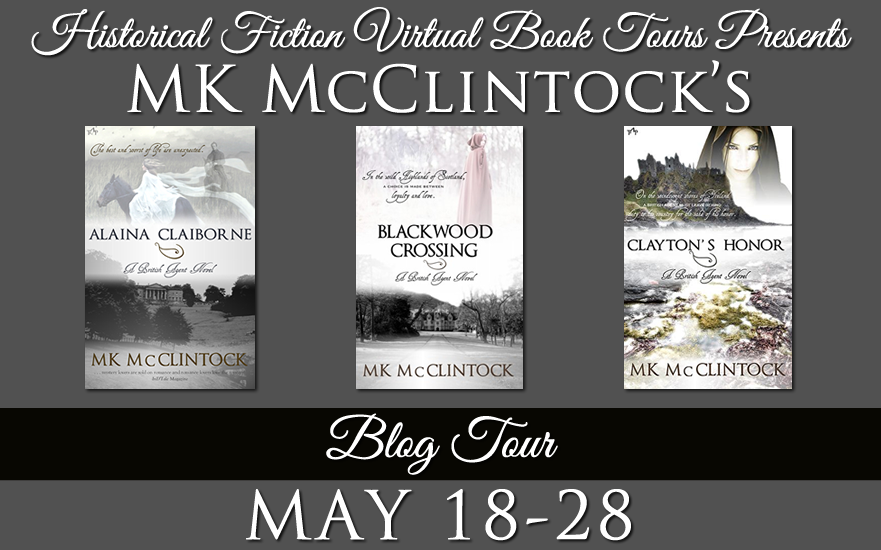
British Agent Series Blog Tour Schedule

Monday, May 18 Review at Flashlight Commentary (Alaina Claiborne)

Tuesday, May 19 Spotlight at View From the Birdhouse

Wednesday, May 20 Review at Flashlight Commentary (Blackwood Crossing) Review at Book Nerd (Blackwood Crossing) Review at Dreams Come True Through Reading (Alaina Claiborne & Blackwood Crossing)

Thursday, May 21 Review at Layered Pages (Alaina Claiborne)

Friday, May 22 Review & Interview at Jorie Loves a Story (Alaina Claiborne)

Monday, May 25 Review at A Chick Who Reads (Alaina Claiborne & Blackwood Crossing) Excerpt at So Many Precious Books, So Little Time

Tuesday, May 26 Review at Quirky Book Reviews (Alaina Claiborne & Blackwood Crossing)

Wednesday, May 27 Review at The Lit Bitch (Alaina Claiborne)

Thursday, May 28 Blog Tour Wrap-Up at Passages to the Past

British Agent Trilogy_Blog Tour Banner_FINAL


Confessions of a Book Blogger

Annette Hart K blogger

I’d like to welcome fellow book blogger and good friend Annette Hart Kristynik to Layered Pages today to chat with me about her blog and her experiences being a book blogger. She is one of the hardest book reviewers out there I know and she does amazing work.

Annette, what is your blog’s name and address?

I have two blogs where I write reviews: A Well-Watered Garden & Impressions in Ink

When did you start a book blog and why?

I was a member of Shelfari back in 2006 and heard people talking about blogs. After researching a bit on blogging, I decided to give it a try. In January of 2007, I created my first blog at WordPress. In the spring of 2007, I relocated to Blogger. At the time, Blogger was more user friendly.

I’ve had as many as three blogs at one time.

My first blog A Garden of Books is open but not active. This blog has book reviews of adult, children, and young adult books.

A Well-Watered Garden is a book review blog devoted to Christian nonfiction and fiction. I review more nonfiction.

Impressions In Ink is a book review blog devoted to all other types of books.

I began a book review blog as a way of expressing how I felt about the books I’d read and to catalog them. At the time, I had no idea authors and publishers contacted book bloggers to write reviews. But as my readership and audience grew, so did people contacting me to review their work.

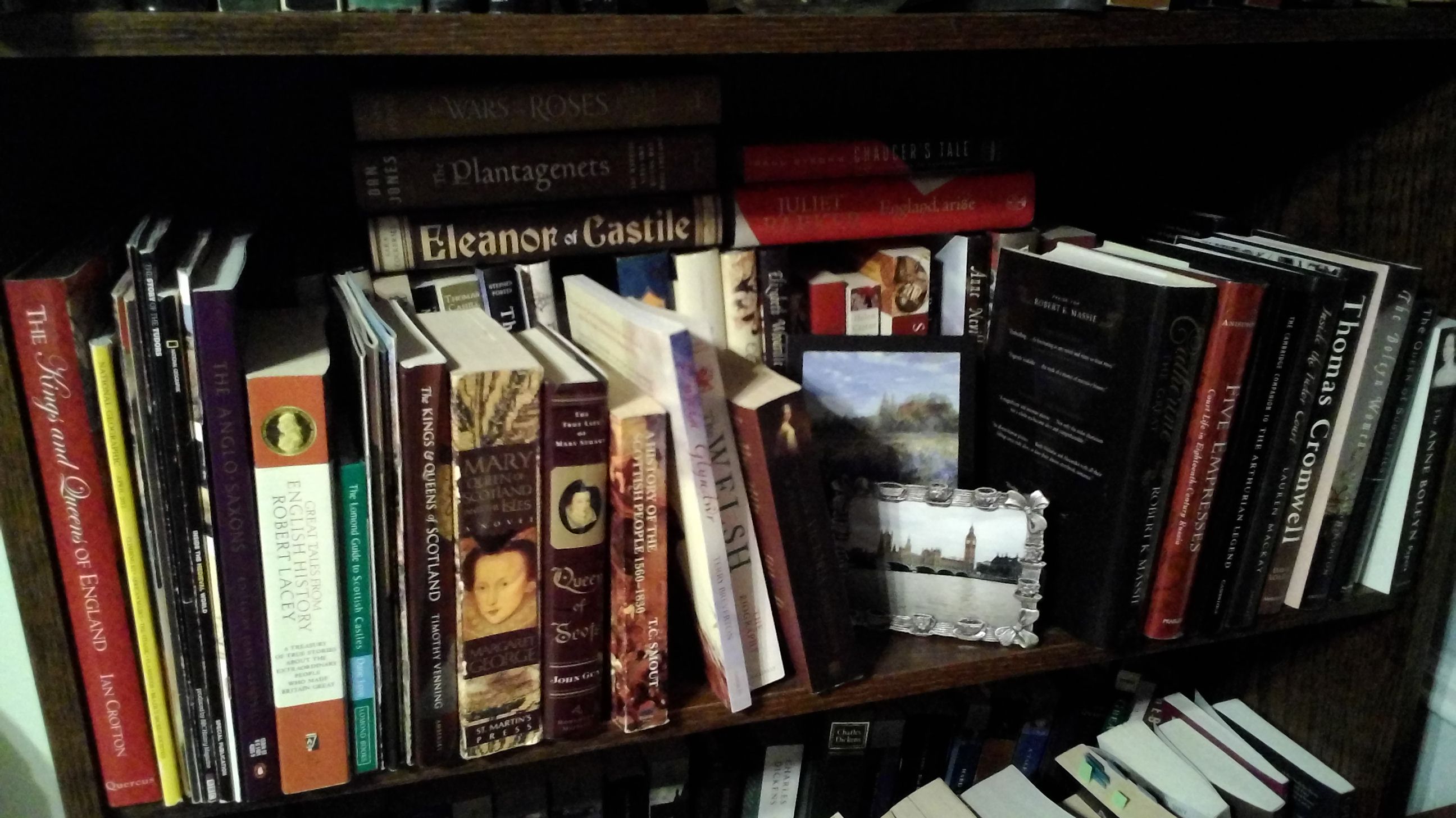
Books

What kind of posts do you feature?

Most blog posts at both blogs are book reviews. On occasion, I post YouTube videos of new books, interviews of authors, and book blasts. At A Well-Watered Garden, I also post Bible reading updates.

How often do you blog?

My goal is to post at least twice weekly on both blogs, but this year I’ve cut back in reading and reviewing.

What is some of the positive feedback you have received?

Over the years, I’ve often heard positive feedback from authors. A few of the comments were more than a brief thank you, they were lengthy letters of kindness and gratitude.

I have a large audience of readers from the Ukraine that visit my blog at A Well-Watered Garden. At first, I thought it was a fluke or spam, but it is actual readers from the Ukraine. My reading audience grew after becoming a member of the Bible Gateway Blogger Grid.

Annettes books 2

On average, how many books do you review a year?

I’ve averaged between 160 and 180 books a year. My goal this year is 100.

What is your favorite genre?

This question is a difficult question as I love several types of books.

I love nonfiction. I especially love: World War II, World War I, Holocaust, biographies, British history, American history, Russian history, German history, French history, ecclesiastical history, and the American West.

I also love historical fiction. I love to learn about history and the lives of people who lived long before me, especially in storyform.

Other types of books I love are: Southern literature, mystery, classic literature, poetry, theology, detective, and spy novels.

What is your least favorite genre?

I do not enjoy reading science fiction. However, I have enjoyed reading dystopian stories, for example, The Handmaid’s Tale.

Books

How do you feel about negative reviews?

A reviewer will at some point (no matter how good they are at choosing a book) come across a book that is going to be a negative review.

How to write the negative review is the hard part. My rules in writing a negative review are: don’t try to be clever, explain why I did not like the book, and be tactful.

On occasion, I have reviewed non-fiction books that have wrong information. I believe this is the most tedious to bring up in a review, but if I have found an error, I must write this in the review. When writing about the error, I hyperlink the source of where I found the correct information. And it’s good to double check sources.

When considering a book to review what do you look for?

I look for two things: a book that is of interest, or a book where I will gain knowledge of its subject.

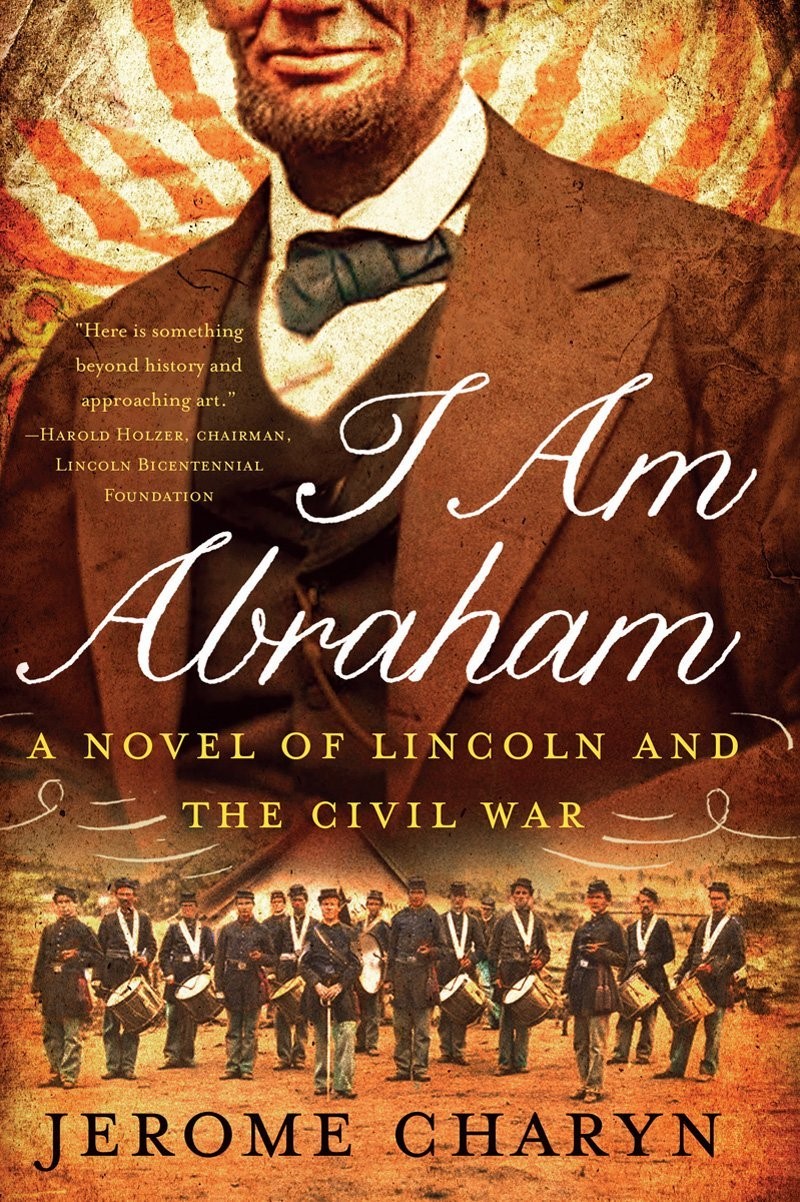
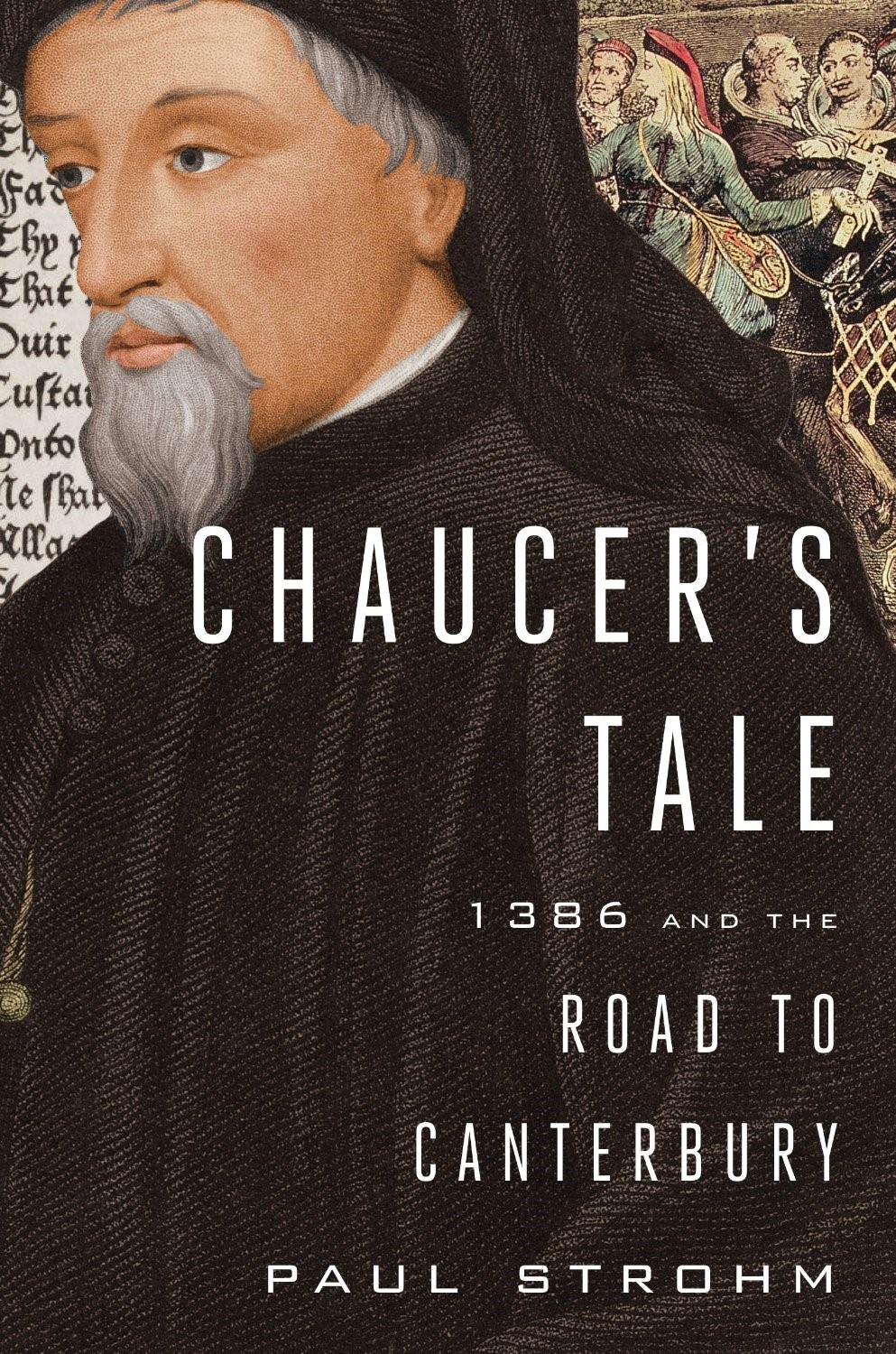
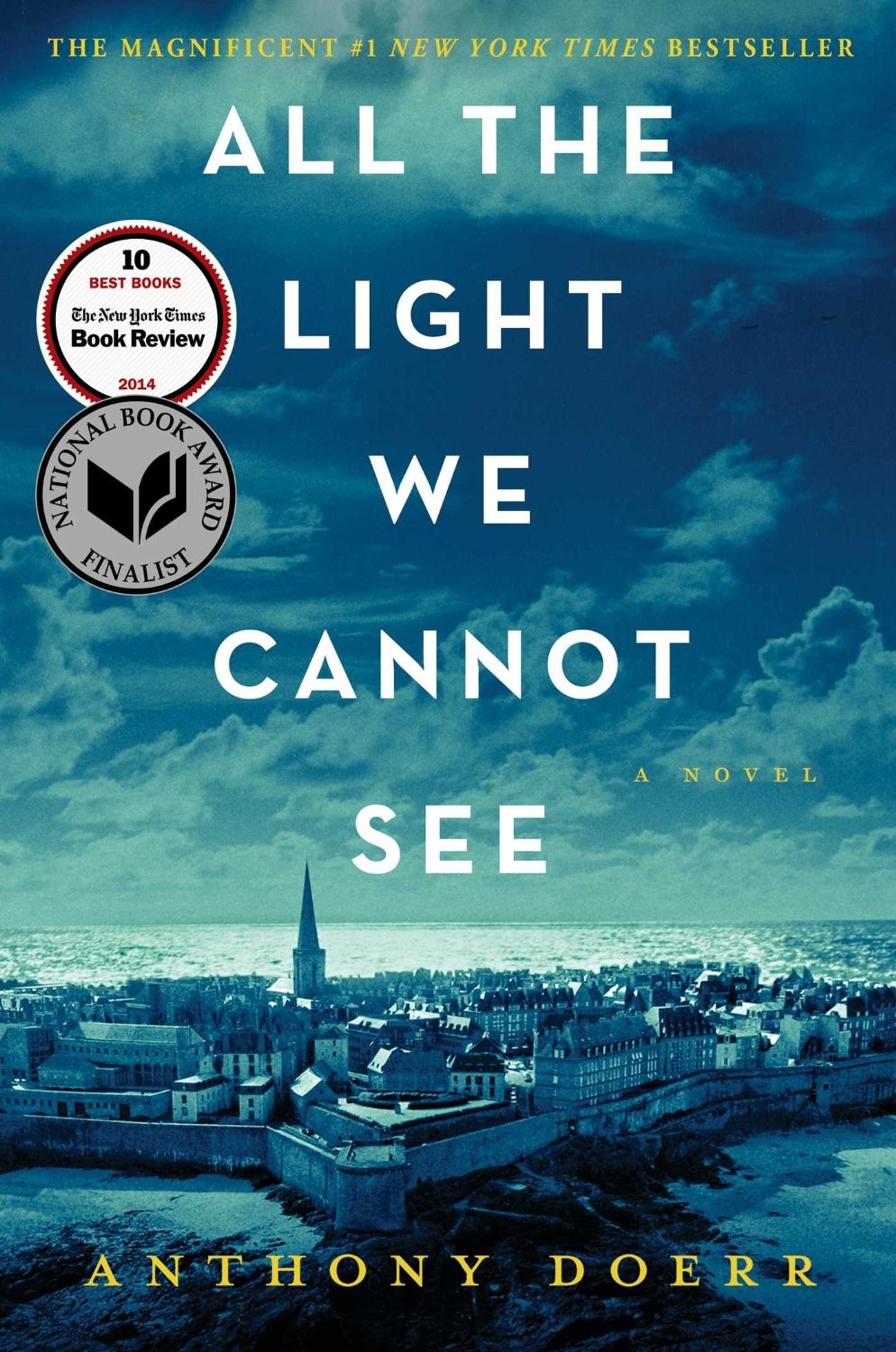
List three book covers you love.

I am Abraham Chaucer's Tale All the light we can see

How do you feel about authors using social media to speak out badly of reviewers who did not give the author’s book a glowing review?

I ignore them. I think they have too much time on their hands and should get over themselves. Go write another book. Be gracious for goodness sake.

Have you had any negative experience with blogging?

Of course! Gosh yes. I’ve had odd comments on blog posts that want to have an argument. They are trolls. This is their hobby of sorts, to hide anonymously in Cyberville and pounce on unsuspecting people. I don’t engage in conversation with them and the comment is deleted.

Do you read more than one book at a time?

Yes. Something about my brain gets bored if I read only one book. I prefer several at one time.

Do you read self-published books? If so which ones have you read this year so far?

I do read self-published books. This year I’ve read: Ingrid by Lynnette Kraft, and The Lusitania Conspiracy by Ronald J. Walters, and Behind the Forgotten Front: A WWII Novel by Barbara Hawkins.

What advice would you give to someone who is considering starting a blog?

I’ve thought of several points of advice.

  • Firstly, blogging and book reviewing is not a “fly-by-night” hobby. It requires work. It requires perseverance. It is a daily education. It requires humility, because in loosing humility you stop learning.
  • Be prepared to spend time researching what you’ve read. If the book you are reviewing is nonfiction or historical fiction, it is necessary to read at least a bit more online about the subject. You cannot write a favorable review if the book has incorrect information. Further, I have even contacted authors in the past to ask follow-up questions about their book.
  • Work on the blogs eye-appealing look.
  • Study other blogs, not to compare and feel sorry for one self, but to learn.
  • Speaking of comparing don’t go there. We all can’t be the same that would be boring. Each of us have our own unique talents and gifts. Work with what you have, learn, build, don’t try to be someone you’re not.
  • Don’t expect people to understand exactly what you do and why. In my case, I blog and write book reviews because I love books and reading. It is a free service provided to authors and publishers. Most people don’t understand why I’m not paid. I have explained over and over again, but they still think I’m crazy. I am crazy. I love books. Book reviewing is a pleasure.
  • Lastly, book reviewing and blogging is a craft. It is an artform itself. Art may be an inborn talent, but it still needs to be practiced and nutured.