Sunday’s Book Highlight: A Day of Fire

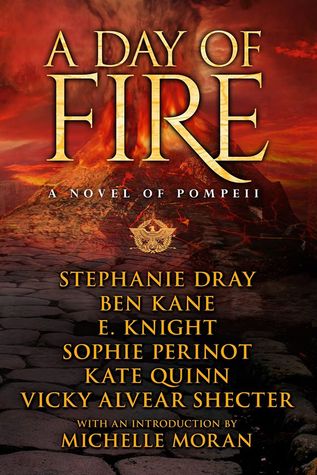
A Day of Fire

Pompeii was a lively resort flourishing in the shadow of Mount Vesuvius at the height of the Roman Empire. When Vesuvius erupted in an explosion of flame and ash, the entire town would be destroyed. Some of its citizens died in the chaos, some escaped the mountain’s wrath . . . and these are their stories: A boy loses his innocence in Pompeii’s flourishing streets. An heiress dreads her wedding day, not knowing it will be swallowed by fire. An ex-legionary stakes his entire future on a gladiator bout destined never to be finished. A crippled senator welcomes death, until a tomboy on horseback comes to his rescue. A young mother faces an impossible choice for her unborn child as the ash falls. A priestess and a whore seek redemption and resurrection as the town is buried. Six authors bring to life overlapping stories of patricians and slaves, warriors and politicians, villains and heroes who cross each other’s’ path during Pompeii’s fiery end. But who will escape, and who will be buried for eternity?

Praise for, Day of Fire

“Overall, I can’t praise this book highly enough. It’s a rattling good tale of disaster, death, resolution and rebirth.” ~Dodging Arrows

“This truly is the finest book i have read this year, an emotional roller-coaster that educates while it entertains. Its impact will stay with me for quite some time.” ~Parmenion Books

“Highly recommended for historical fiction fans, especially those who love disaster flicks, ancient settings, and/or armchair escapes that leave you gasping for air. ” ~Unabridged Chick

“I don’t usually read collections of short stories….But the premise of A DAY OF FIRE drew me in — the last days and hours of Pompeii, seen through the eyes of citizens throughout the social strata. And gods, am I happy I read this book! I couldn’t put it down.” ~LeAnna.me “If you’re looking for six fantastic, well-written story by six talented authors, I cannot recommend A Day of Fire enough.” ~Bibliophilia, Please

ABOUT THE AUTHORS

Stephanie Dray (2)

STEPHANIE DRAY is a multi-published, award-winning author of historical women’s fiction and fantasy set in the ancient world. Her critically acclaimed historical Nile series about Cleopatra’s daughter has been translated into more than six different languages, was nominated for a RITA Award and won the Golden Leaf. Her focus on Ptolemaic Egypt and Augustan Age Rome has given her a unique perspective on the consequences of Egypt’s ancient clash with Rome, both in terms of the still-extant tensions between East and West as well as the worldwide decline of female-oriented religion. Before she wrote novels, Stephanie was a lawyer, a game designer, and a teacher. Learn more at: Stephanie’s Website

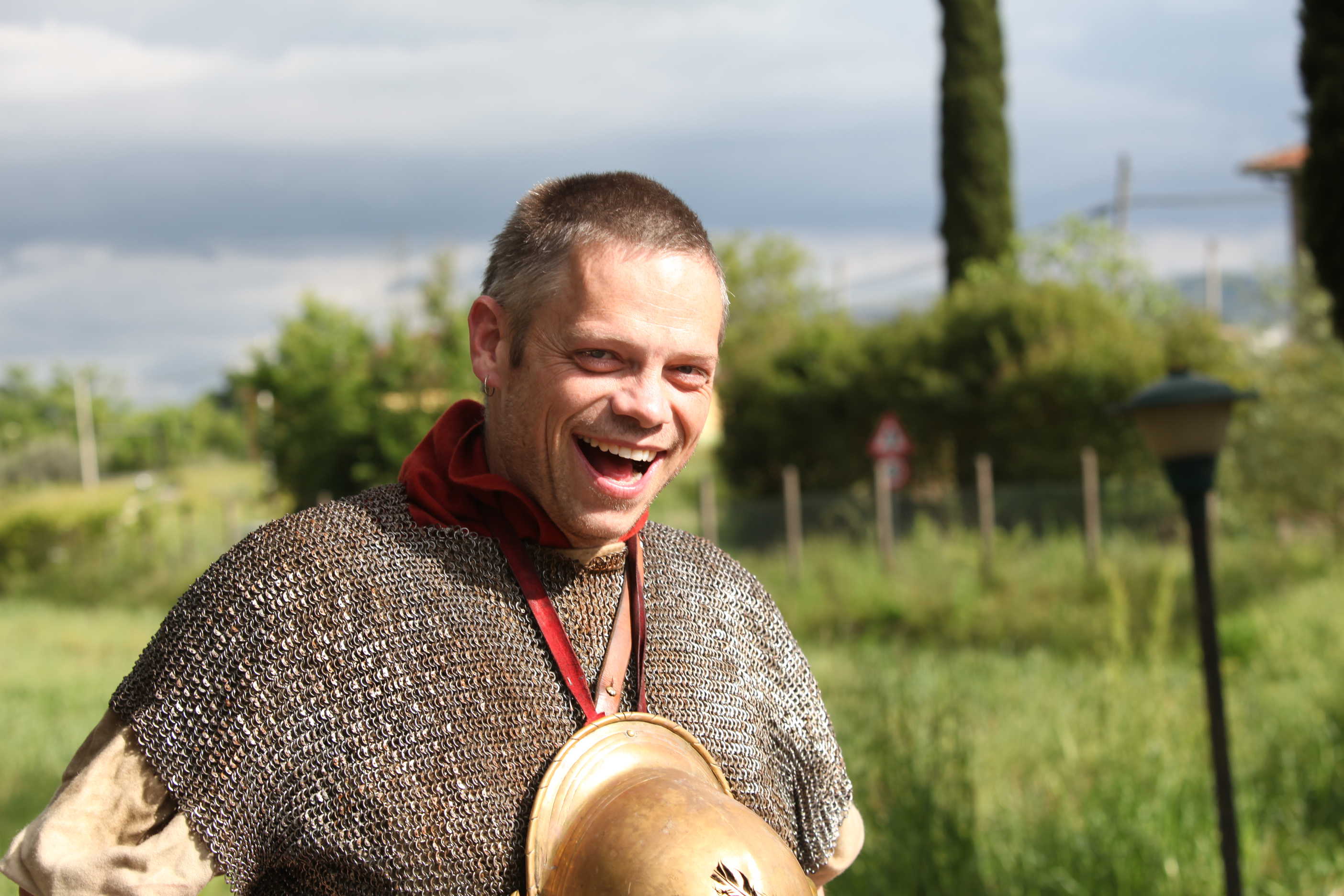
Ben Kane

BEN KANE worked as a veterinarian for sixteen years, but his love of ancient history and historical fiction drew him to write fast-paced novels about Roman soldiers, generals and gladiators. Irish by nationality but UK-based, he is the author of seven books, the last five of which have been Sunday Times top ten bestsellers.Ben’s books have been translated into ten languages. In 2013, Ben walked the length of Hadrian’s Wall with two other authors, for charity; he did so in full Roman military kit, including hobnailed boots. He repeated the madness in 2014, over 130 miles in Italy. Over $50,000 has been raised with these two efforts. Learn more at Ben’s Website

E Knight

E. KNIGHT is an award-winning, indie national best-selling author historical fiction. Under the name, Eliza Knight she writes historical romance and time-travel. Her debut historical fiction novel, MY LADY VIPER, has received critical acclaim and was nominated for the Historical Novel Society 2015 Annual Indie Award. She regularly presents on writing panels and was named Romance Writer’s of America’s 2013 PRO Mentor of the Year. Eliza lives in Maryland atop a small mountain with a knight, three princesses and a very naughty puppy. For more information, visit Eliza at Eliza’s Website.

Sophie Perinot

SOPHIE PERINOT is the author of the acclaimed debut, The Sister Queens, which weaves the story of medieval sisters Marguerite and Eleanor of Provence who became queens of France and England respectively. Perinot has both a BA in History and a law degree. A long-time member of the Historical Novel Society, she has attended all of the group’s North American Conferences, serving as a panelist at the most recent. When she is not visiting corners of the past, Sophie lives in Great Falls, VA. Learn more at: Sophie’s Website

Kate Quinn

KATE QUINN is the national bestselling author of the Empress of Rome novels, which have been variously translated into thirteen different languages. She first got hooked on Roman history while watching “I, Claudius” at the age of seven, and wrote her first book during her freshman year in college, retreating from a Boston winter into ancient Rome. She and her husband now live in Maryland with an imperious black dog named Caesar. Learn more at Kate’s Website

Vicky Alvear Shecter

VICKY ALVEAR SHECTER is the award-winning author of the young adult novel, Cleopatra’s Moon (Arthur A. Levine Books/Scholastic, 2011), based on the life of Cleopatra’s only daughter. She is also the author of two biographies for kids on Alexander the Great and Cleopatra. The LA Times called Cleopatra’s Moon–set in Rome and Egypt–“magical” and “impressive.” Publisher’s Weekly said it was “fascinating” and “highly memorable.” Her young adult novel of Pompeii, Curses and Smoke (Arthur A. Levine/Scholastic), released in June 2014. She has two other upcoming books for younger readers, Anubis Speaks! and Hades Speaks! Vicky is a docent at the Michael C. Carlos Museum of Antiquities at Emory University in Atlanta. Learn more at Vicky’s Website

Buy the Book:

Amazon (THE ONLY SOURCE FOR THE PAPERBACK)

Smashwords

B&N


Spotlight: A Far Gone Night by John Carenen

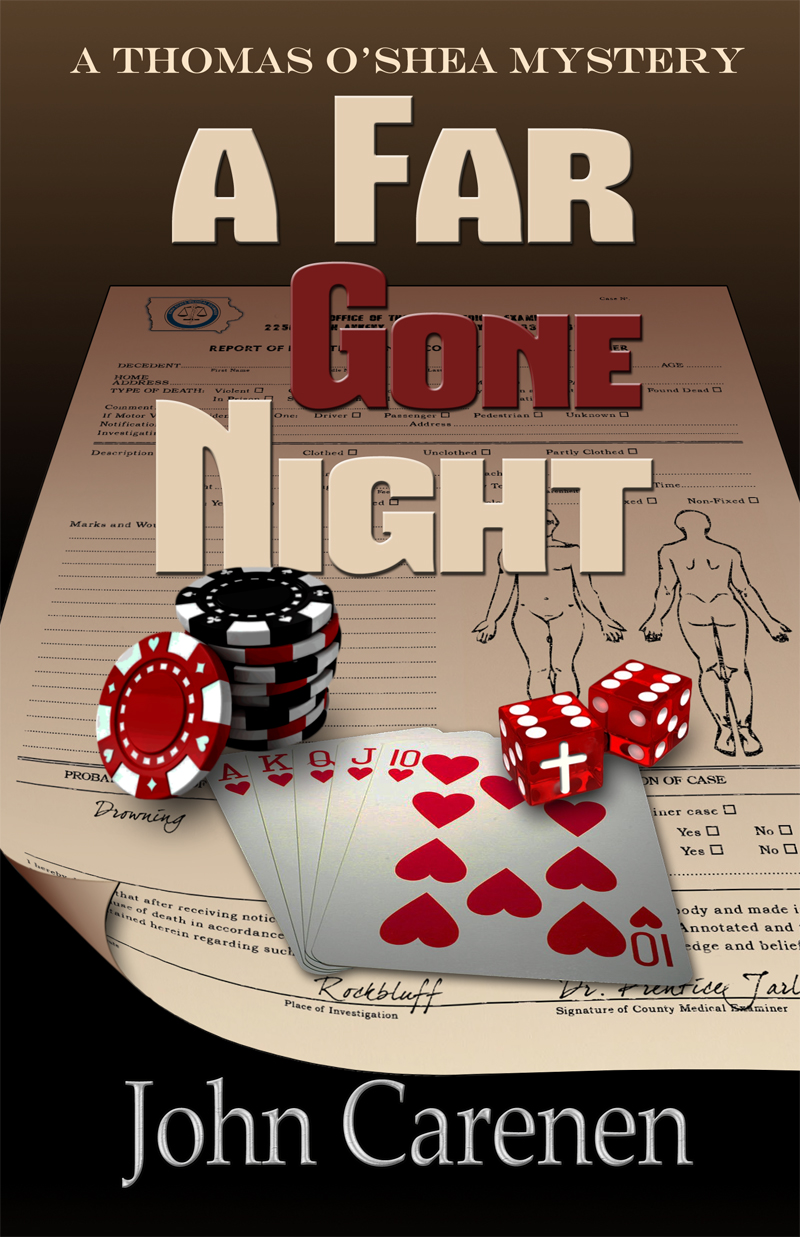
A Far Gone Night

Publication Date: September 9, 2014 Neverland Publishing Formats: eBook, Paperback

Genre: Mystery Series: A Thomas O’Shea Mystery (Book Two)

READ AN EXCERPT.

Suffering from insomnia, wise-cracking tough guy Thomas O’Shea goes for a late-night stroll through the peaceful streets of Rockbluff, Iowa, and finds himself pausing downtown on the bridge that spans the Whitetail River. When he glances downstream, something catches his eye…something that looks like a body. He scrambles down to the riverbank, pulling the body of a young girl from the water. The girl is naked, with two bullet holes in the back of her head. Ever suspicious of law enforcement, O’Shea chooses not mention the bullet holes when Deputy Stephen Doltch, on routine patrol, discovers him at the river’s edge. When the coroner’s report lists the cause of death as “drowning,” Thomas goes into action.

Confronting the coroner, he is met with hostility. But then the coroner and his wife disappear, along with the body of the dead girl. Once again, Thomas gears up to find answers that will reveal who put the bullets in the girl’s head, why she was killed, and her identity, which may hit a little too close to home.

Teaming up with his friend Lunatic Mooning and Clancy Dominguez, an old buddy from his Navy SEAL days, Thomas and the other two men join together to bring justice to the dead girl, a quest that takes them to the Chalaka Reservation in Minnesota, seedy businesses adjacent to the Chalaka Casino, and straight into the world of organized crime.

A fast-paced story, laugh-out-loud moments and familiar, quirky characters from Carenen’s debut novel, Signs of Struggle, contribute once again to the complex world of Thomas O’Shea. Enter…if you dare.

About the Author

03_John Carenen

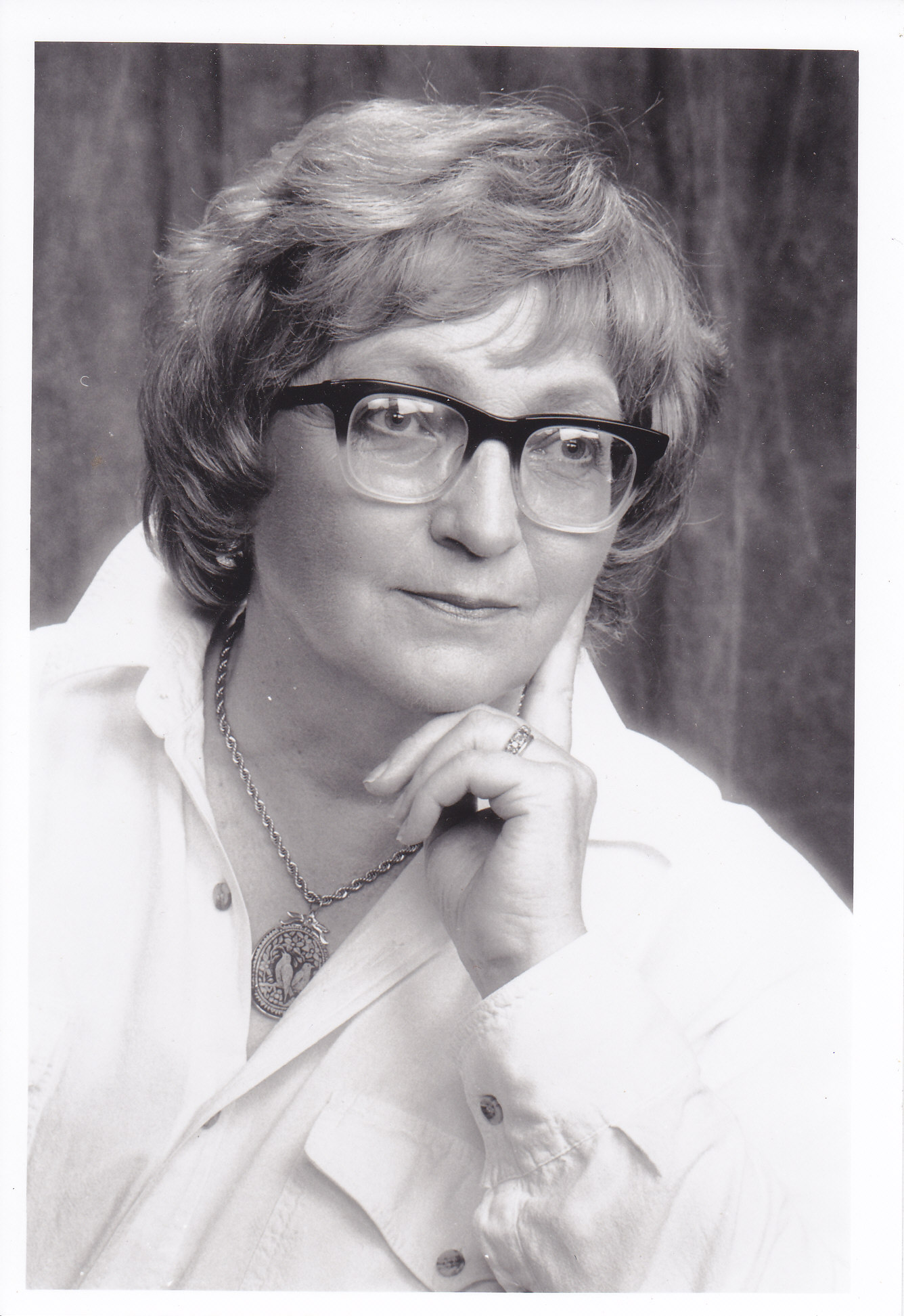
John Carenen, a native of Clinton, Iowa, graduated with an M.F.A. in Fiction Writing from the prestigious University of Iowa Writers Workshop and has been writing ever since. His work has appeared in numerous popular and literary magazines, and he has been a featured columnist in newspapers in North and South Carolina. A novel, Son-up, Son-down was published by the National Institute of Mental Health.

His debut Thomas O’Shea mystery novel, Signs of Struggle, was published in October of 2012. A Far Gone Night, the long- anticipated sequel, continues the exploits of the enigmatic protagonist and the quirky characters of Rockbluff, Iowa.

John is currently an English professor at Newberry College in Newberry, South Carolina. He and his wife live in their cozy cottage down a quiet lane in northern Greenville, South Carolina. He is a big fan of the Iowa Hawkeyes and Boston Red Sox.

For more information please visit John Carenen’s blog. You can also connect with him on Facebook and Goodreads.

A Far Gone Night Blog Tour Schedule

Tuesday, November 3 Spotlight & Giveaway at Peeking Between the Pages

Friday, November 7 Spotlight at Layered Pages

Monday, November 10 Review at The Discerning Reader

Wednesday, November 12 Spotlight at CelticLady’s Reviews

Friday, November 14 Guest Post at Mina’s Bookshelf

Wednesday, November 19 Spotlight at The Bibliophilic Book Blog

Thursday, November 20 Review at Book Nerd

Tuesday, November 25 Review at Griperang’s Bookmarks

Wednesday, November 26 Interview at Boom Baby Reviews

Thursday, November 27 Spotlight at Girl Lost in a Book

Friday, November 28 Review at A Book Geek Review at With Her Nose Stuck in a Book

04_A Far Gone Night_Blog Tour Banner_FINAL


My Guest Author Ann Swinfen


Ann Swinfen

A little about myself

I’m half English, half American by birth, the American bit being of French Huguenot descent. My childhood was spent back and forth between England and the East Coast of America, though from my early teens I’ve lived permanently in Britain – now on the East Coast of Scotland. It seems I must have some kind of affinity with the east wind, certainly I have with the sea. I went up to Oxford on a classics scholarship, then switched to mathematics, also while at Oxford marrying a fellow student, historian David Swinfen, and taking a postgraduate maths degree. After the birth of our fifth child I took an honours degree and PhD in English Literature – you’ll begin to see a pattern here. What was I going to do when I grew up?

My husband’s income as an academic not being over-generous for rearing five children, I worked at a variety of jobs (often several at the same time): part-time academic, journalist, software designer, manager in the technical author division of an international computer company and so on. All of this very time-consuming and not allowing much space for creative writing, though I continued to be a voracious reader, as I had always been.

When the youngest children were launched at university, I walked away from all my jobs except the part-time academic teaching and said, ‘NOW I AM GOING TO WRITE!’ And that’s where I’ve been ever since. My first three novels were published by Random House, but I’ve now become an independent author-publisher and couldn’t be happier.

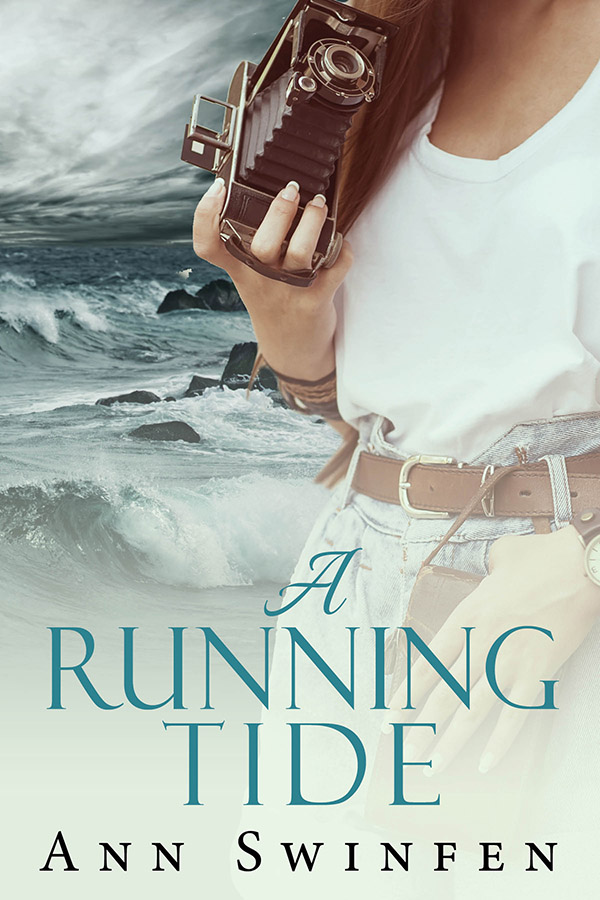
A Running Tide Cover MEDIUM WEB

Why I write.

My sister was quite a bit older than I and loved playing school. Guess who was the teacher and who the pupil! In fact, she taught me to read when I was three, and I’ve been grateful to her ever since. Living in a world of stories, I felt it perfectly natural to make them up myself and in fact I still have a story I wrote, typed (!) and illustrated when I was five. There’s not much of a story arc, but the impulse was there.

At ten I was quite ill, had a long time in hospital and confined to bed, and missed a year of school. In the end this was no hardship, for I read and read, and made up more stories. When I went back to school I wasn’t kept back, but had a wonderful teacher who encouraged my writing. By this point I had become fascinated by history and by early writers like Chaucer and Langland, read the Renaissance dramatists and poets, dreamt of becoming a writer. When I was fourteen I remember that I wrote two stories which satisfied me. One was set in Britain at the time of the Roman invasions, the other during an exceptionally hard winter in fourteenth-century East Anglia.

Then in my later teens I became hyper-critical of all my prose writing and tore it up, though I did write poetry. At that age, I think one’s critical faculties leap ahead and one’s lack of self-confidence tends to undermine the creative faculty. Then came the demanding student years and early marriage. As a young mother with a large family and several jobs I was mentally and physically exhausted. Looking back, I’m glad now that I didn’t publish any novels in my twenties and thirties, because I’m sure I’d be embarrassed by them now!

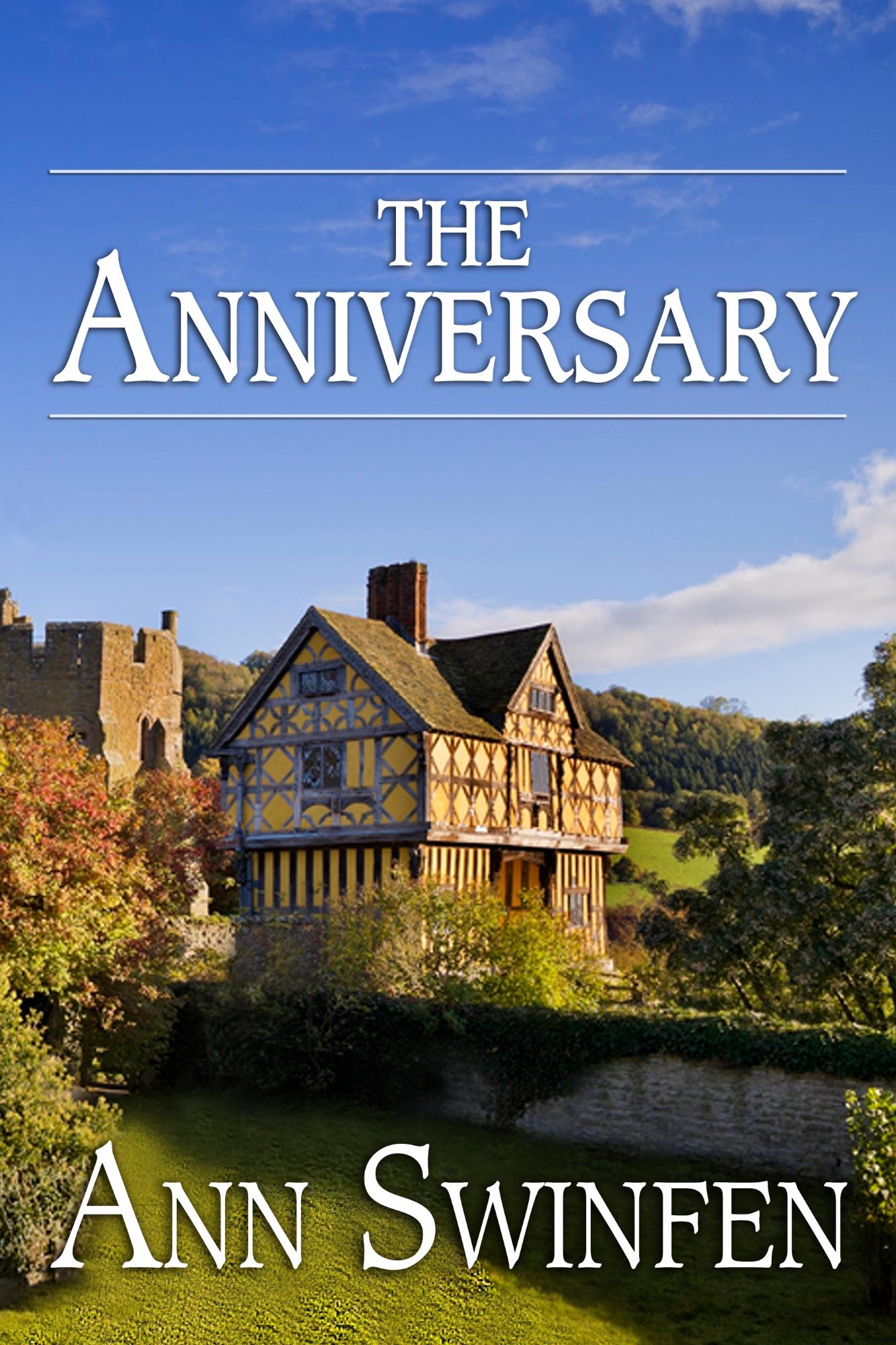
The Anniversary Front Cover

So the impulse, the desire, was always there from an early age, just waiting for me to emerge from the manic years and have enough energy to sustain the long-term commitment to writing novels.

My interest in history is an intrinsic part of my life, for I feel that both individuals and society are fundamentally shaped by what has gone before us. We may think that we are smart, modern, technically savvy, twenty-first century people, but the millennia of human history saturate our being. Although my first three novels (The Anniversary, The Travellers, and A Running Tide) are superficially “contemporary”, in fact all three contain layers of history. The lives of my characters are profoundly affected by their own history and the history of their societies.

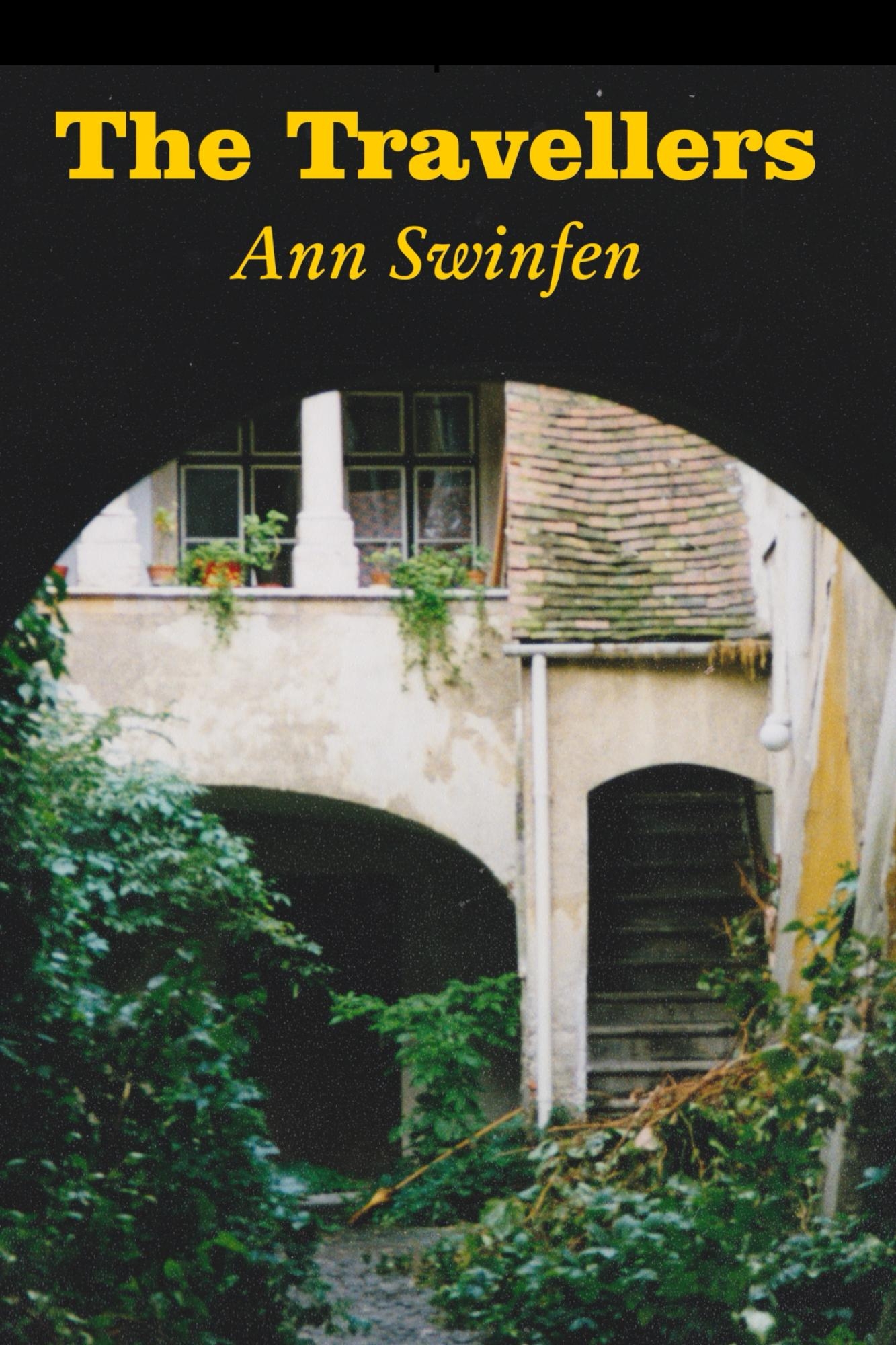
The Travellers Front Cover

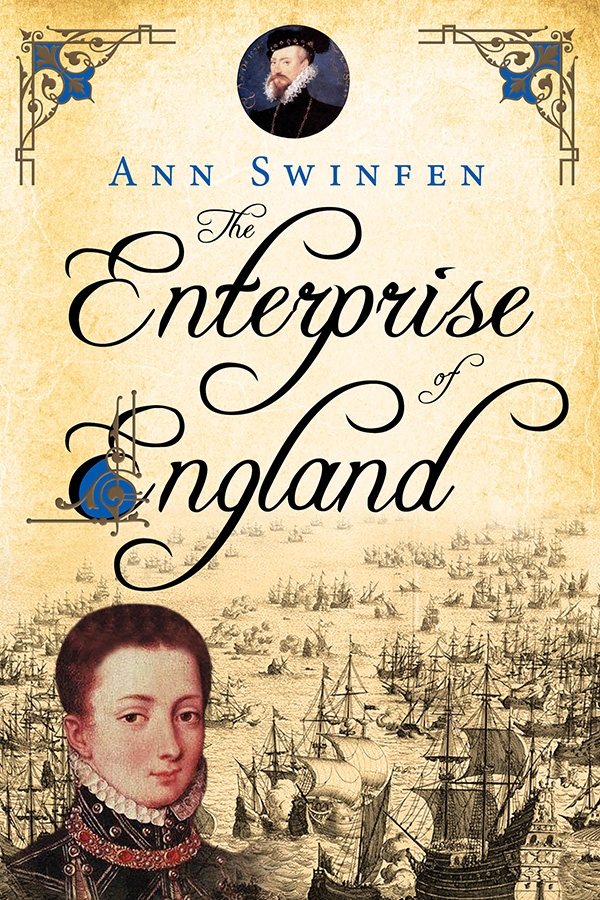
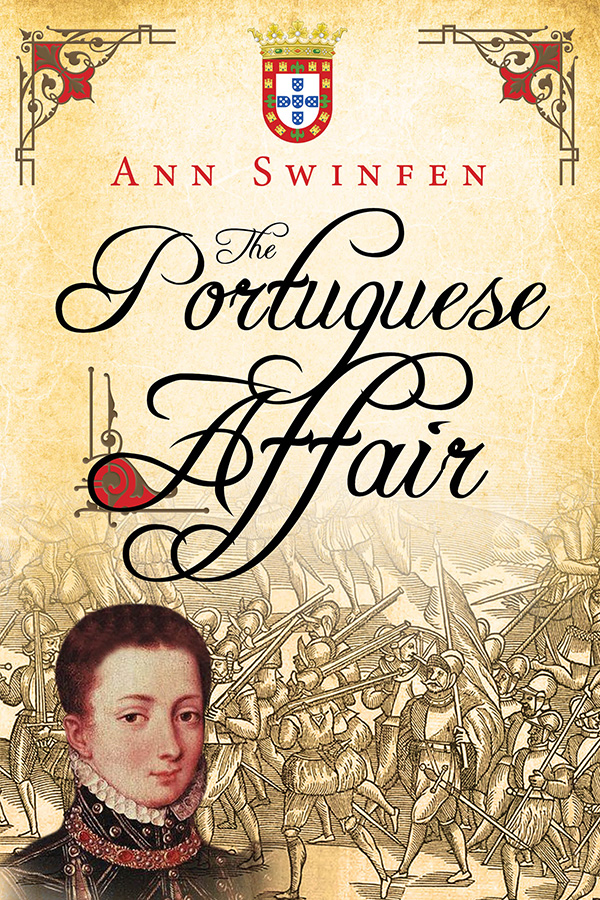
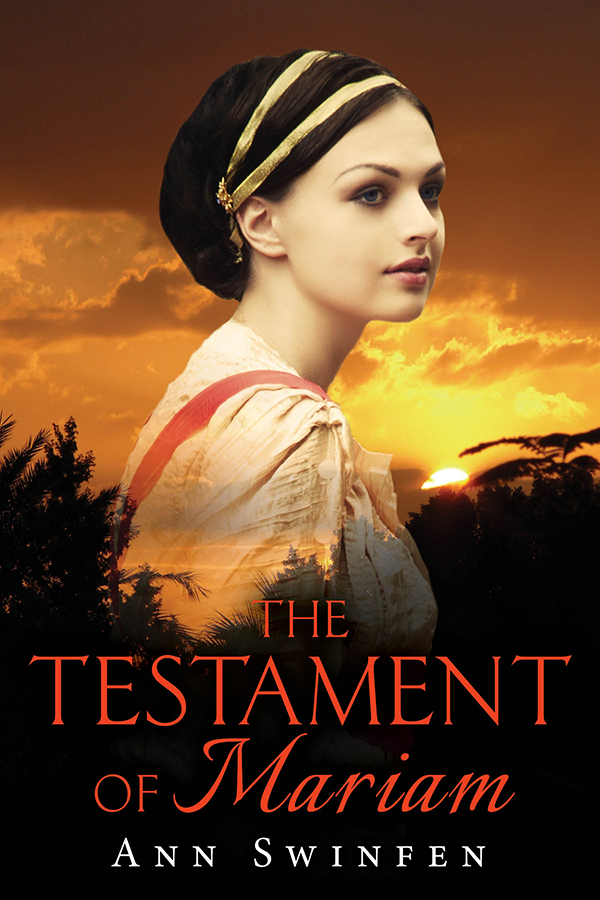
Since going independent, I have published five uncompromisingly historical novels. The Testament of Mariam is set in the first century and is narrated by a fictional sister of Jesus. It’s not a religious book, but an attempt to recreate the physical reality of that peasant family in Roman-occupied Galilee. Flood takes place in seventeenth century East Anglia, when the fenlanders had to fight against unscrupulous developers to save their lands and way of life. I am also writing a series set in the late sixteenth century featuring a young physician, Christoval Alvarez, who is coerced into becoming a code-breaker and agent in the Elizabethan secret service run by Sir Francis Walsingham. Published so far: The Secret World of Christoval Alvarez, The Enterprise of England and The Portuguese Affair. At the moment I’m at work on the fourth book in the series.

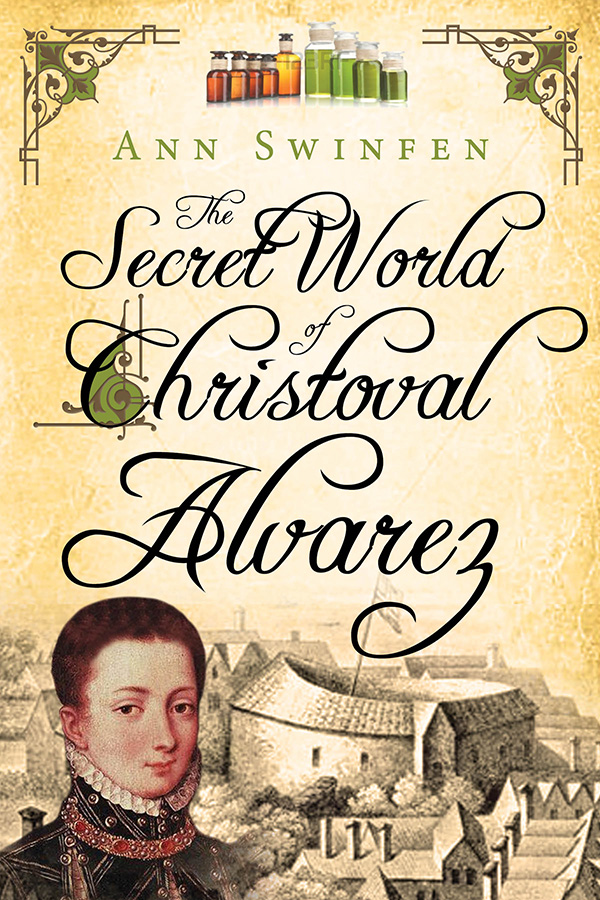
Christoval Cover MEDIUM WEB

So from those first attempts at historical fiction in my early teens I have moved on to full-length novels in which I try to explore not merely the lives of people in the past, but to view them as part of a long human continuum, of which we ourselves are also a part.

Enterprise of England Cover MEDIUM WEB

The Portuguese Affair Cover MEDIUM WEB

How writing impacted my life.

I suppose you could say that my life has always been moving towards this writing profession. My rather odd educational background isn’t quite so odd when viewed in the context of my writing. Study of the classics certainly contributed to the writing of Mariam. Christoval’s skill in code-breaking is not unrelated to my mathematical studies. And by writing historical fiction I am able to pursue my passion for history.

When I first had enough time and energy to devote to writing full-length novels, it was like the release of a head of steam which had been building up for a long time. Interestingly, my publisher at Random House said, after reading The Anniversary, that she could not believe it was a first novel. In a way, it wasn’t, since I’d been writing in my head all those years.

It was enormously exciting to be accepted as a novelist and published by a leading international publisher (though I had already published a non-fiction academic book). However, over the next couple of years I became somewhat disillusioned by the commercial publishing world – the delays, the lack of control, the offhand and sometimes downright rude behaviour meted out to authors. After a particularly infuriating case of this in the latter months of 2013, I decided to go independent. I set up an imprint name, bought my own ISBNs, and set out as an independent publisher. My agent had decided she wasn’t interested in historical fiction anymore, so I first published Flood, the book she had not only turned down – she hadn’t even bothered to read it. And it has proved very successful, with many readers demanding a sequel. Her somewhat high-handed assessment that “nobody reads historical fiction” has been sounded refuted. Once Flood was safely launched in paperback and Kindle, I turned my attention to reissuing my backlist (the rights had reverted to me) and publishing my other historical novels.

Flood cover pb Amazon UK

It has certainly had an impact! Since the beginning of this year I have published or reissued eight novels, finished one started last year and written one wholly new novel. They are all now available in paperback and Kindle. I’ve published five short stories in Kindle, some of which previously appeared in magazines or on the BBC. I designed the covers for these short stories myself, but used a couple of designers for the books until settling down with Jane Dixon-Smith. I am now writing the fourth book in the Christoval Alvarez series, which I hope to be able to publish before Christmas.

The joy of being an independent author-publisher is the fact that you are in control! You make the decisions not only about the content and format of the novel itself, but about cover design, blurb, publication date, pricing, any special offers, and so on. There is the obvious drawback that you have to do the promotion and marketing yourself, which is something I think most writers don’t much enjoy. However, another perk is being able to track your sales day-by-day (so you can see whether a promotion is working, for example). With traditional publishing you wait months and months before you have any clear idea of what is happening. Oh, and as an indie, you are paid every month! In that other publishing world you can wait up to two years. No advance, of course, but they were getting smaller and smaller anyway. Now I keep spreadsheets, plotting income against expenditure, keeping an eye on how the enterprise in developing. This is work, a profession, and has to be treated seriously.

One of the most exciting ways in which all of this has impacted on my life has been making the unabridged audiobook of The Testament of Mariam with Hollywood actress Serena Scott Thomas. It’s been a wonderful experience and Serena has become a good friend, loving the book and saying she didn’t want the recording to end. A year ago, could I have imagined something so extraordinary would happen? I don’t think so!

The Testament of Mariam MEDIUM WEB

The advice I would give to beginner writers.

What I always say to beginner writers, including my students, is that the most important quality for a writer after talent and imagination is persistence. I have known so many people who manage to write a first chapter, or perhaps just a first scene, of a novel. They then go back over it and over it, editing, polishing, and despairing that it will never be perfect.

THIS IS FATAL!

It won’t ever be perfect. A first chapter is just a sketch, a first tentative step into your story. You absolutely must persist. Carry on until you reach the end of the story. Only then can you view it as a whole, understand what it is you have actually written. It may be that you will jettison that first chapter. Or you may need to rewrite it because of what occurs later in the story. Once you have the whole body of the novel to work on, the significance of the parts becomes clear.

The analogy I always use is that of a sculptor in marble. You start with your crude lump of stone – your basic idea for the novel. You then hew the first draft out of the stone, which gives you the rough overall appearance of the finished work. Each of your subsequent edits refines and polishes your “statue”, your novel, until it is revealed in all its glory! If you stop after the first few pages and struggle to make it perfect, it would be like a sculptor polishing and refining a big toe of his statue, before he had created the overall figure. Madness and a total waste of time.

Of course, it’s difficult to persuade beginner writers of this, but there you are. I speak from experience!

Website

Self-Publishers Show Case

Member of The Alliance of Independent Authors

Ann Pic award 1


Member of The Historical Writers’ Association

Ann Pic award 2

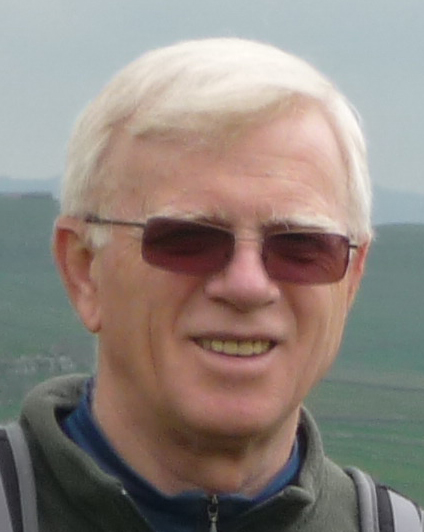
My Guest, Author Derek Birks

Derek Birks

Derek was born in Hampshire in England but spent his teenage years in Auckland, New Zealand where he still has strong family ties.

He misspent his youth at the University of Reading, where he studied history but spent most of his time in the Drama Studio. He could be discovered most afternoons in the university library fast asleep but was always willing to wake up and go for a coffee.

For many years he taught history at a secondary school in Berkshire but took early retirement several years ago to concentrate on his writing.

Apart from writing, he spends his time gardening, travelling, walking and taking part in archaeological digs at a local Roman villa.

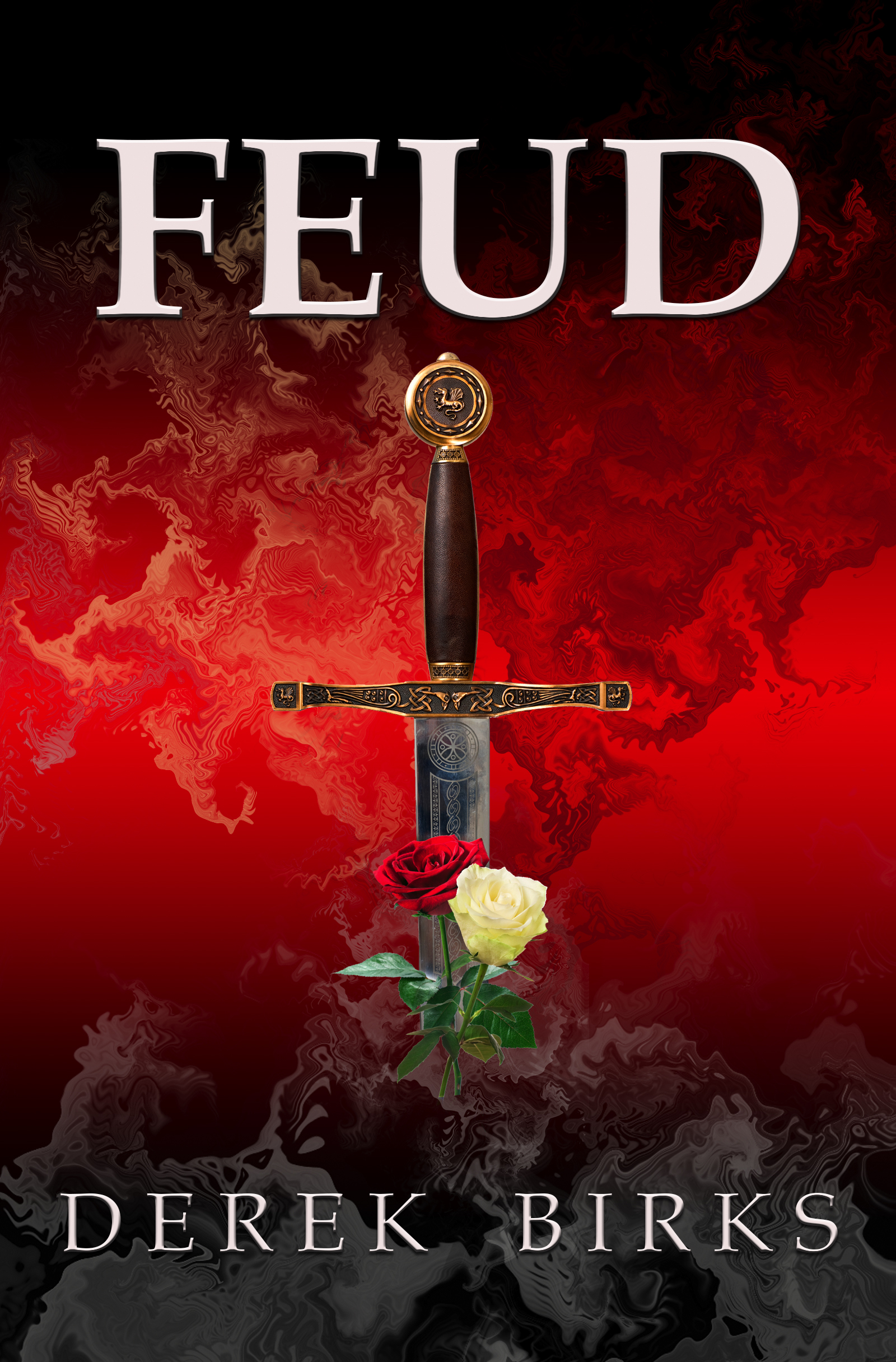
Derek is interested in a wide range of historical themes but his particular favourite is the late medieval period. His debut historical novel, Feud, is set in the period of the Wars of the Roses and is the first of a series, Rebels & Brothers. The series follows the fortunes of the fictional Elder family as they struggle to survive a very turbulent period of English history. Derek aims to write action-packed fiction which is rooted in accurate history.

The sequel to Feud, A Traitor’s Fate, was published in 2013 and book 3, Kingdom of Rebels, in August 2014. The final book will be published in the summer of 2015.

Feud by Derek Birks

Why do you write?

What makes a writer write? It’s a very good question and surprisingly difficult to answer. I could say I’ve always wanted to write but it’s not as simple as that. I think what I’ve always wanted to do is to be creative – that sounds a bit crass but I actually think it’s true.

In the 1960s everyone had a guitar and wanted to write songs – and so did I. I wrote songs, poetry, stories, a play…but none saw the light of day. The creative urge burned strongly but I don’t think I had the life experience at that point to find any real direction or focus. If you like, you could say that I just wasn’t ready.

Then I had to get a job, earn some money and ‘life’ took over and decades passed during which I used my creativity in a variety of ways and all sorts of different directions. I stage managed many plays and musicals and my creativity eventually found an unusual outlet in writing school timetables!

So when did the eureka moment occur? I’ve no idea. In fact I think it might have happened when I was asleep. All I know is that in 2005 I started writing the story that became my first historical fiction novel, Feud.

Well, of course, it must have been more complicated than that. Many factors led to it: my lifelong love and study of history, my childhood literary experiences – always swashbuckling adventures – and my special fascination with the whole period of the Wars of the Roses. So, all of that led to the beginning of a four book series.

Pageflex Persona [document: PRS0000448_00060]

How has writing impacted your life?

Writing has changed my life a very great deal. When I started Feud I was still in full time employment as an Assistant Headteacher at a large secondary school. I realised quite soon that the extensive and relentless demands of my job left me little time to write – I was certainly not the first to discover that! So a few years later I started working three days a week to find more time for my writing. But still it wasn’t enough so I decided to take the plunge and retire early. It was a big step at the time but I needed to know whether I could actually write a book or not.

From the moment I left teaching, I never gave it another thought. Don’t get me wrong, I was always happy at work but writing was different. This was an opportunity to create a world of characters and weave their stories together into tales of excitement and danger. I could step inside their lives. I could feel their passions, their hopes and their fears. It’s an electric feeling!

What have been the biggest changes? Well, I work from home, that’s the most obvious one. I read many more books for research purposes and I travel more frequently, to visit locations used in my books.

I’ve had to learn many new digital skills and get to grips with using social media. By and large I’ve enjoyed that and through Twitter and Facebook I’ve got to know a great many people. I’ve been lucky enough to meet some of them in the flesh too. The majority, though not all, of these people have been writers and I have found the historical fiction community very welcoming and helpful.

Probably the greatest change, however, has been in my mind set. I’ve begun to see myself as a writer rather than a retired person. I’ve had a career change. I’m still new to writing and now I want to become a better writer.

Pageflex Persona [document: PRS0000448_00060]

What advice would you give to beginner writers?

Wow! Me? Give advice? I’m really a newbie, still wet behind the ears in writing terms. That’s not to say I haven’t learned some lessons though – some the hard way.

When I started writing I knew next to nothing about publishing or even how to set out a book. I was pretty much a blank page in that respect. If a writer wants to self-publish then he needs to grasp what will be involved in doing so or he needs a cohort of experts to do everything for him: formatting text, cover design and layout, editing, copy editing, marketing, ongoing promotion, etc, etc…

Of all those items, I would pick out two as being the most essential. Firstly, get yourself a good editor – I’ve seen this advice given many times but it’s worth repeating again and again. An editor is a critical friend who will ask you the awkward questions and cut your work to ribbons if necessary. If that sounds terrifying, well it is, but your writing needs to be tight and your story needs to hold together. If you are any good, you’ll learn to write better as you go along, but your hopes will probably rest with that first book. It won’t be perfect but it needs to be good enough, so get an editor.

The second essential is a good cover design. There are so many books out there that the thumbnail image of your cover may be the only glimpse a potential reader ever gets of your book. You need to get their attention, so make it stand out. That’s not easy either, so get some help. You may have a great idea for a cover but find someone with the right skills to produce it.

Overall, the best advice anyone gave me at the start was: be patient, try hard to get some reviews and then build your readership gradually. At the time I did not really understand this. Feud had been out digitally for several months and surprisingly few people – in my eyes – had bought it. This of course was because most of the reading public had never encountered it all! Then I started to get a few reviews, encouragingly positive. Yet sales were still at a trickle… until I published the sequel a year later and then it all started to happen and the series took off.

So, you have to keep believing in yourself and you have to be patient. That’s equally true if you are aiming to publish by the traditional route. It is very easy to become discouraged by rebuffs from agents. We writers are fragile little flowers and our confidence is all too brittle, but if you don’t believe in your work, no-one else should.

Now, having said I’m in no position to give advice, I’ve been giving it out like a leaky tap, so now I’ll leave you in peace with thanks to Stephanie for this opportunity to spend some time here on Layered Pages.

Derek’s Useful links:

 Website

Blog

Twitter account: @Feud_writer

Facebook

Book links:

Feud

A Traitor’s Fate

Kingdom of Rebels


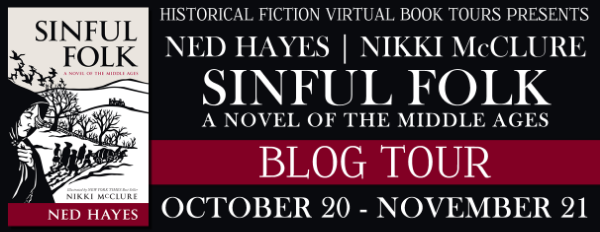
Interview with Author Ned Hayes

Sinful Folk II

A tragic loss. A desperate journey. A mother seeks the truth.

In December of 1377, four children were burned to death in a house fire. Villagers traveled hundreds of miles across England to demand justice for their children’s deaths.

Sinful Folk is the story of this terrible mid-winter journey as seen by Mear, a former nun who has lived for a decade disguised as a mute man, raising her son quietly in this isolated village. For years, she has concealed herself and all her history. But on this journey, she will find the strength to redeem the promise of her past. Mear begins her journey in terror and heartache, and ends in triumph and transcendence.

Stephanie: Hello, Ned. Thank you for chatting with me today and I’d like to say what a profound premise for your story! First, tell me a little of the historical history of your story and what made you chose to write it. Was Mear a real person in history?

Ned: In the Middle Ages, women’s voices were commonly silenced, and most women were illiterate – so even if Mear was a real person, it would be highly unusual for us to know her, and to hear her voice! However, as far as I can tell, Mear (or Miriam) wasn’t a real person. However, in the novel SINFUL FOLK I used the possibility of her existence to fill many interesting gaps in real history – such as why Edward wanted to be buried in a different place, with a strange (untranslatable) inscription over his head, and other points of interest in history. Interestingly enough, as I wrote this book, I came to believe that perhaps Mear was real, after all – I kept hearing her voice so realistically in my head that I couldn’t help but think she was real.

Stephanie: There are many and I mean many turbulent times in England history that is much talked about by historians and authors who write historical fiction. What stands out to you the most about fourteenth century England?

Ned: I find the high Middle Ages to be endlessly fascinating. Barbara Tuchman called it a “Distant Mirror” to our own time – and I very much agree with this assessment. It was a time of radical change and societal upheaval (much as our own time has been). It was also a time when enough leisure existed that we could begin to complement big ideas and philosophical theories about the meaning of life. If you know medieval thinking well, you see echoes of that period everywhere, from the “hippy” abnegation of corporate life to the questions of the “Singularity.” Both of these ideas were very obvious in theological and cultural discussions in the medieval era, and when we study the past, we gain new insight into the present.

Stephanie: What is one of the dangers that the Villagers face while traveling hundreds of miles across England to seek/demand justice for their children’s death?

Ned: One danger that I thought might strike my readers as a surprising one was the danger that came from noble or wealthy travelers themselves. The lives of peasants were relatively worthless, and any high-born traveler could attack or kill them with impunity. The danger of being on the open road – for a peasant – was a great one: travel itself was perilous. I hope I was able to communicate this danger, and I think to many modern travelers this idea would be a new experience.

Stephanie: Tell me a little about Mear’s weaknesses and strengths. What is one of the challenges she faces?

Ned: Mear’s great challenge is facing her own worth and her own abilities, and claiming her own voice. The outside challenges she faces are actually no match for Mear when she fully claims her own power. But for so many years she has buried her true strength, that it is a bit of a struggle for her to realize that she can step forward again, and become the powerful woman she was destined to become.

One thing I’d like to mention is that some readers and reviewers have pointed out that they’ve found it a little unbelievable that a woman could live disguised as a man for years, without anyone noticing. What’s interesting about that is that these reviewers (often women) give men too much credit for observing people – as a man, I’d say that we often don’t notice what is right in front of our noses (my wife would agree with me). I’d also like to point out that there’s a LOT of historical precedence for women living quite successfully disguised as a man. In the U.S. alone, there are numerous examples of women successfully pulling off this feat of disguise for many, many years – sometimes helped by other women!

Here’s a short article listing some of the women (with pictures), as well as a top 10 list of women who have lived as men. It’s an interesting cultural phenomenon, and one that has allowed many women to make their own way in the world, over the centuries.

Stephanie: What was the inspiration for your story and how long did it take to write your book?

Ned: I originally read Chaucer in Middle English in graduate school, when I first read of this strange incident of people carrying the bodies of their children across England. I thus began writing the first chapters of this novel years ago, when I was much younger and before I had children. After I wrote the first draft, I put the novel on the shelf for nearly 15 years. Then, when I returned to the story, I found that I had a radically different perspective on the journey, and when I began to write the story from the point of view of a woman who had hidden herself for years, I found her voice just flowing through me.

Stephanie: In their Journey, what are some of the towns they travel through?

Ned: In the novel SINFUL FOLK, my group travels from a now-defunct medieval village named “Duns” (I found it on a map made in 1375), to the road that passes to the city of Lincoln, and then to a Cluniac monastery which was on the route towards London at that time. (I researched which institutions and monasteries they could have encountered, in order to find the right sect for them to know on their route.) My troupe then encounter a manor house, which I placed somewhere near Coventry, in Northampton. Following their escape down a river there, they came into the outer villages around Cambridge – and in fact, they see the university of Cambridge from their campsite. From Cambridge, they travel to London. For them, London is an immense place, but to our modern sensibility, it would have been seen as a muddy bedraggled little town – hardly a city from today’s perspective.

Stephanie: What do you like most about writing Historical Fiction?

Ned: I love the opportunity visit past places and cultures, and see the world through different eyes. I find the whole process of getting into another time to be endlessly fascinating. I feel that my humanity – and the humanity of my readers – is deepened and enriched by experiencing a very different time and place.

Stephanie: Do you have any rules you follow when writing in this genre?

Ned: As much as possible, I try to avoid making anything up from whole cloth or changing any history at all. Instead, what I try to do is weave my story through the threads of the existing history, and I try to have my story fill in the gaps in that real history. The historical fantasy writer Tim Powers has a name for this kind of work – he calls it “playing card tricks in the dark” – and I agree with his idea of not changing a single iota of the real history, but instead in trying to have your story weave naturally into the weft of the real historical narrative. I also try, as much as possible, to have my characters have a sensibility and a voice that is realistic to the time period and their station in life. I dislike historical fiction that does not actually show how people thought differently of their era at that time, compared to how we think of it now. One example in SINFUL FOLK is the fact that Mear, without question, accepts generally the Christian worldview, even though her background and training would today find that worldview antithetic to her heritage (when you read the novel, you’ll see exactly what I mean). Few people questioned that worldview, and if you did question it, you were killed.

Stephanie: Are you working on another Historical Fiction story? Will it take place around the same time period as this story?

Ned: Yes, I’m actually working on two books right now. One is called GARDEN OF EARTHLY DELIGHT, and it is a sequel to SINFUL FOLK, and follows up on the story of Mear a few years later, during the time of the Peasant’s Revolt in England. Mear is now on the other side of the table, as a noblewoman. But during this revolt, she has to go back into disguise, as a peasant, in order to protect her property and family. I won’t say anymore about this novel, so that I don’t spoil it for readers, but I’m quite excited about it. To get early notice about the publication date of GARDEN – and receive the first chapters for free, when they are available – you can sign up on my mailing list right here.

Stephanie: Thank you for chatting with me!

Buy the Book

Amazon (Kindle) Amazon (Hardcover) Audible.com Barnes & Noble (Nook) Barnes & Noble (Hardcover) Books-a-Million iBooks IndieBound

About the Author

03_Ned-Hayes-Credit-Linda-Marus-2012-300x265

Ned Hayes is the author of the Amazon best-selling historical novel SINFUL FOLK. He is also the author of Coeur d’Alene Waters, a noir mystery set in the Pacific Northwest. He is now at work on a new novel, Garden of Earthly Delights, also set in the Middle Ages.

Ned Hayes is a candidate for an MFA from the Rainier Writer’s Workshop, and holds graduate degrees in English and Theology from Western Washington University and Seattle University.

Born in China, he grew up bi-lingually, speaking both Mandarin and English. He now lives in Olympia, Washington with his wife and two children.

For more information please visit www.sinfulfolk.com and www.nednotes.com. You can also find him on Facebook, Twitter, PinterestBooklikes, YouTube, Google+, and Goodreads.

Sinful Folk Blog Tour Schedule

Monday, October 20 Review at Flashlight Commentary

Tuesday, October 21 Review at Historical Novel Review

Wednesday, October 22 Spotlight at What is That Book About Spotlight & Giveaway at Passages to the Past

Thursday, October 23 Review at History From a Woman’s Perspective Guest Post at Books and Benches

Monday, October 27 Review at Just One More Chapter Spotlight & Giveaway at Historical Fiction Connection

Tuesday, October 28 Interview at Layered Pages

Wednesday, October 29 Review at Back Porchervations

Thursday, October 30 Interview at Back Porchervations

Friday, October 31 Review & Giveaway at The True Book Addict

Monday, November 3 Interview at Triclinium Spotlight at Boom Baby Reviews

Tuesday, November 4 Spotlight at Historical Tapestry

Wednesday, November 5 Review at Deal Sharing Aunt

Thursday, November 6 Review at bookramblings

Saturday, November 8 Review at Book Nerd

Monday, November 10 Review at Book Babe

Tuesday, November 11 Review at Impressions in Ink Review & Giveaway at Let Them Read Books

Friday, November 14 Review & Giveaway at Broken Teepee

Tuesday, November 18 Review at CelticLady’s Reviews Review & Giveaway at Beth’s Book Reviews

Wednesday, November 19 Review at Books in the Burbs Review at Bookworm Babblings

Thursday, November 20 Review at With Her Nose Stuck in a Book

Friday, November 21 Review at Library Educated

bf92eae1-3f50-4706-ba6e-d1a287889e74


Sunday’s Book Highlight

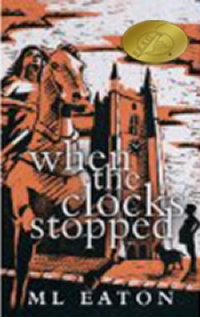
When the Clock Stopped

The wild and haunting Romney Marsh in the South of England

It’s the beginning of a long hot summer when Hazel Dawkins, a spirited young solicitor, takes maternity leave anticipating a period of tranquillity. Instead, the dreams begin. In them she encounters Annie, a passionate young woman whose romantic and tempestuous life was adventurously lived, more than two centuries previously, in the cottage that Hazel now occupies.

As their destinies entwine, Hazel not only confronts a terrifying challenge which parallels history, she finds herself desperately fighting for survival in a cruel and unforgiving age. Even more disturbing is the realisation that her battle will affect the future for those in the past whose fate is, as yet, unwritten.

Her only ally is Annie. Together they face events that echo through the centuries, events that are as violent and compelling as they are unexpected.

And, as the past collides with the present, the time for the birth of Hazel’s child draws ever nearer.


About Author:

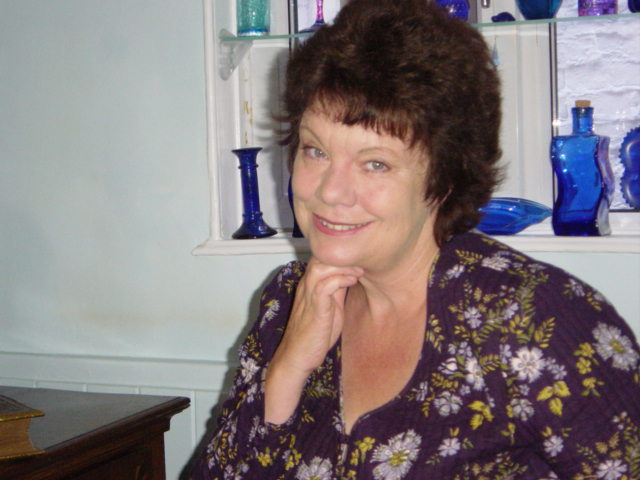
Marion Beaton

Marion Eaton is a retired Solicitor of the Supreme Court of Judicature of England and Wales, a holistic health practitioner, and a writer. She is also a wife, the mother of two independent daughters, a keen gardener and maker of herbal and aromatherapy potions, and the owner and walker of a beautiful Saluki dog.

At the time Marion entered the legal profession in the early 1970s, it was still very much a male preserve, and she soon discovered that the doors too many clubs and associations were barred to her by virtue of her sex. This was a time when the Cold War was much in evidence and the fear of nuclear conflict was very real, but it was also a time when a young woman found warmth, friendship and laughter in a small community that was inordinately proud of its heritage.

40 years on, by way of acquisitions and mergers, the practice she originally set up on Romney Marsh has become a very large and flourishing concern, but has lost much of the personal element in which she took great pride.

In the early 1990’s Marion’s interest in complementary health led her to qualify in several alternative and complementary healing modalities including aromatherapy and Reiki, and to set up a Health Centre in Hastings, East Sussex. The Centre was sold in 2008 when Marion planned to retire but she found retirement impossible and still practises and teaches these subjects.

Having always wanted to write, she is delighted that she now has the space and freedom to give her imagination free range. Her first novel, When the Clocks Stopped, was self-published in July 2013 and was quickly followed by a second in the same Mysterious Marsh Series, entitled ‘When the Tide Turned’. Both include a good deal of local history, a sprinkling of the supernatural and a rollicking adventure. She has recently published ‘Soliciting from Home’, a memoir on which ‘When the Clocks Stopped’ was based, under the pseudonym Melanie Russell. And her most recent offering is a fictional memoir of a small girl in 1950s India entitled “The Elephants’ Choice’. In the pipeline now is a third in the Mysterious Marsh Series and an adventure set in colonial Burma between the two World Wars.

Links: website

My book on indieBRAG


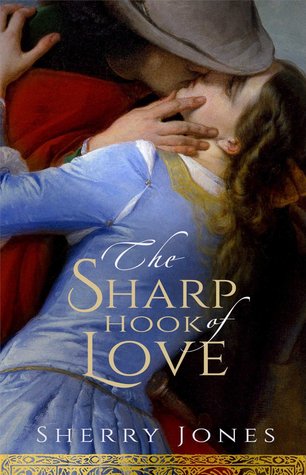
Review: The Sharp Hook of Love by Sherry Jones

The Sharp Hook of Love-large

The first retelling of the passionate, twelfth-century love story since the discovery of 113 lost love letters between Heloise d’Argenteuil and Pierre Abelard—the original Romeo and Juliet. He was the most famous philosopher in the world, a headmaster and a poet whose dashing good looks would make any woman swoon. She was Paris’s most brilliant young scholar, beautiful and wry, and his student. Forbidden by the church and society to love each other, these enchanting lovers defied all the rules to follow their own hearts and risk everything that mattered to them, including each other. An illicit child, a secret marriage, a vengeful uncle: nothing can come between them—until a vicious attack tears them apart forever…or does it? Incorporating original text from their achingly beautiful love letters, this is the tale of Heloise and Abelard, whose love affair, like that of Romeo and Juliet, and Antony and Cleopatra, has become one of the greatest stories of all time. The Sharp Hook of Love is an imaginative, intimate, and erotic portrayal of the star-crossed lovers whose tale of passion and tragedy still touches hearts today.

My review:

I have been dreading writing this review with a passion for a couple of reasons. The first reason is because I’ve been fretting over…I’m just going to say it. I enjoyed Jones tragic love story of Heloise and Abelard in The Sharp Hook of Love better than Shakespeare’s, Romeo and Juliet. *cringes and ducks head, waiting for the Shakespeare enthusiasts to bring down the ax on me* Now don’t get me wrong! I love Shakespeare’s work. The second reason why I have dreaded writing this review is because I feel my review won’t do this book justice. Sherry Jones has put her whole heart and soul in to this story. I heard about this book being written last year and I could hardly contain my excitement. I’m extremely particular about love stories. I normally don’t read them but when it’s historical fiction… I’m all for it and Jones doesn’t disappoint.

Jones does an impeccable job with the historical detail of the two lovers and their plight. A week after I read her book, I was at a county book sale and came upon, French Lovers (From Heloise & Abelard to Beauvoir & Saptre by Joseph Barry. Boy, was I delighted to come across this book! How often does that happen?! Needless to say… I devoured it in two days and from what I read from it and from having read Jones’s story-I knew what she had written was golden.

Jones has the ability and a magic touch for bringing voices of the past alive again. My emotions ran high while reading this story and they still do when I think about Heloise & Abelard and more so what she sacrificed for her love of him. Heart-wrenching, indeed. Beautifully and brilliantly told.

Stephanie Moore Hopkins

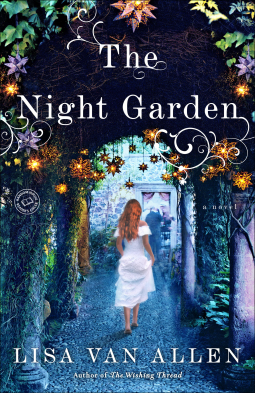
Review: The Night Garden by Lisa Van Allen

The Night Garden

Nestled in the bucolic town of Green Valley in upstate New York, the Pennywort farm appears ordinary, yet at its center lies something remarkable: a wild maze of colorful gardens that reaches beyond the imagination. Local legend says that a visitor can gain answers to life’s most difficult problems simply by walking through its lush corridors.

Yet the labyrinth has never helped Olivia Pennywort, the garden’s beautiful and enigmatic caretaker. She has spent her entire life on her family’s land, harboring a secret that forces her to keep everyone at arm’s length. But when her childhood best friend, Sam Van Winkle, returns to the valley, Olivia begins to question her safe, isolated world and wonders if she at last has the courage to let someone in. As she and Sam reconnect, Olivia faces a difficult question: Is the garden maze that she has nurtured all of her life a safe haven or a prison?

Review:

The Night Garden is completely different from what I normally read. I was captivated by the idea of a maze and gardens nestled on a farm in a small town as center stage for a story. The story is much more than that of course….Olivia Pennywort the caretaker of this farm is such a complex character. Sometimes I felt like I wanted to throttle her but could understand a little why she was the way she is. Not only was she complex but the story itself is. I loved the magical mystery of it and the theme of forgiveness. On top of that this is a sweet love story. This story is creative and has a fairy tale feel to it. On one more note, I will say that towards the end the book fell flat for me and I was a bit disappointed. But having said this, overall I really enjoyed reading it.

Stephanie M. Hopkins

Interview with Author Lorna Fergusson

OLYMPUS DIGITAL CAMERA

Born and brought up in the north of Scotland, Lorna Fergusson studied English at Aberdeen and Oxford Universities. She now runs Fictionfire Literary Consultancy. In addition to her own workshops, she teaches creative writing at the University of Winchester’s Writers’ Festival and for various Oxford University writing programmes. Her novel The Chase was originally published by Bloomsbury and is now published under her own imprint, Fictionfire Press. Her stories have won an Ian St James Award, been shortlisted for the Bridport Prize and long listed for the Fish Short Story Prize. Her unpublished children’s novel Hinterland reached the shortlist of four for Pan Macmillan’s Write Now prize. Her chapter on Pre-Writing appears in Studying Creative Writing, in the Creative Writing Series published by The Professional and Higher Partnership. Her story ‘Reputation’, longlisted in the Historical Novel Society’s short story award 2012, appears in the e-anthology TheBeggar at the Gate. She is working on a collection of historical short stories and a novel, the opening of which has recently won Words with Jam magazine’s First Page Competition. She has just won the Historical Novel Society’s London 2014 Conference Short Story Award with her story ‘Salt’.

Stephanie: I am so delighted to be interviewing Author Lorna Fergusson about her book, The Chase.

Hello, Lorna! It is truly a pleasure to be chatting with you today.

Lorna: Thanks Stephanie! I’m delighted to be here – thank you so much for inviting me.

Stephanie: Congratulations on the HNS Short Story Award. That is absolutely wonderful! Before we officially start this interview about your book, The Chase, could you tell me a little about ‘Salt’?

Lorna: I come from the north of Scotland and the story is inspired by memories of my grandmother, who was a ‘herring lassie’ at the time when the herring trade was huge. The fish were known as ‘the silver darlings’. The men went out to sea and the women followed the fishing fleet to gut the catch and pack it in barrels. Incredibly hard work and not in the least bit glamorous! My grandmother was working in Great Yarmouth, on the east coast of England, at the start of World War 1 and something she said about that experience when I was a little girl is what triggered the story.

Stephanie: How wonderful to have such amazing memories and to share them. I would love to hear more about your grandmother sometime…

Your story, The Chase, sounds amazing! I love stories like this and I have lots of questions and I MUST read your story soon. Please tell your audience a little about it and what genre it falls under.

Lorna: The story is about an English couple, Netty and Gerald Feldwick, who move to the Dordogne region of France. Gerald has fallen in love with a house there, deep in the woods near the village of Malignac. Netty is less happy about the move and is soon oppressed by the house, which is imbued with an almost supernatural sense of the past. We learn that their real reason for leaving England is to try to escape memories of a traumatic loss. They need to heal their marriage.

In France, they meet a range of characters, some English like themselves, some French, including the wealthy owner of a nearby château and a local wine farmer. Netty becomes friendly with a Cambridge professor who has retired to a cottage nearby. Gerald returns temporarily to England – and while he’s there he does something that will only add to Netty’s pain.

As the shadows close in and Netty learns the truth about her husband, her state of long-suffering passivity is about to change …

As for genre, well, that’s always been a tricky question to answer! It’s ‘literary fiction’, I suppose, though that can be an off-putting description. It has thriller, suspense and mystery aspects, along with satire of the English expatriate community and the social class system. The Chase has been compared to Daphne du Maurier – who famously wrote Rebecca – because the atmosphere of place and the sinister brooding quality is there, and also to Joanne Harris, who wrote Chocolat, because of the descriptions of the sensory pleasure of living in France. It’s Chocolat, with a darker bite!

The Chase_MEDIUM

Stephanie: Why did you choose the Dordogne region of south western France in 1989 for your period and setting? And please tell me, if it won’t give anything away, how the past is revealed to Gerald Feldwick and his wife Netty?

Lorna: I chose the Dordogne region because for several years my husband and I part-owned a house there. Le Périer stood on a hillside overlooking a vineyard – that’s the view I had when I flung open the shutters and sat at my desk to write! We grew to know the area very well, and I was fascinated by the rich layers of history all around, from prehistoric caves to Roman ruins, to medieval castles. Our house had an old bread oven built into the back wall of the kitchen and we were told the German soldiers used to get their bread there during the occupation of the region in World War II. I wanted to celebrate the richness of the location from its natural beauties to the pleasures of its food and drink. 1989 was a time when even more English people than usual were choosing to have holiday homes there or even move out there permanently, so there were villages which were like little England. The English and French have had a long-term relationship in that part of France, going back to the Middle Ages. There are castles there which changed hands repeatedly during the Hundred Years’ War.

In the novel, it’s Netty who is more sensitive to the echoes of the past, when she converses with the Professor or visits Claudine Bellenger, the châtelaine of Bel Arbre. She senses the dark memories of Le Sanglier – is almost haunted by them, you might say …

Stephanie: What is an example of the house’s history they live in and how old is the house?

Lorna: Le Sanglier, we learn, was built as a hunting lodge just prior to the French Revolution, by the Comte de Saint Eymet – and he got up to fairly nefarious activities there. What Netty and Gerald don’t know is that the location has been the site of dramatic events for centuries. The novel opens with the caves beneath it being painted with images of the animals of the hunt, like the famous cave at Lascaux. Only the reader knows those caves are there.

Stephanie: The past covers a pretty wide range of history from the Roman period, through the Hundred Years’ War, the French Revolution period, to the early nineteenth century and the Second World War. Was there extensive research involved for you to cover these periods? Or were some of them mentioned briefly in your story? And what is one of the ways the past affects the people living on the land in the modern period of your story?

Lorna: I did quite a lot of research, especially on the Roman aspect and the French Revolution, partly by reading, partly by visiting places such as the Roman Tour de Vésone in Périgueux and the museum there. Each of these periods features as an inset narrative, a self-contained short story – but I enjoyed relating those periods to the modern era by showing the ruin of a Roman temple, the descendants of a character featured in the Revolutionary period – and even the consequences of what happens in the World War II episode. I wanted to show that everything is connected and everything repeats itself.

Stephanie: Please describe Gerald and Netty’s relationship. And what are their strengths and weaknesses?

Lorna: Their relationship is in serious trouble, even though they’ve loved one another for a long time. I wanted to explore the effects of trauma – how individuals deal with loss, plus the paradox that grief can tear people apart rather than bring them together. Netty and Gerald have very different ways of handling their situation. Gerald is a doer and a talker – he has energy and drive but is self-pitying and lacks dignity, Netty feels. Netty is buttoned-up and passive – but there’s a lot going on beneath the surface. She has a lot of anger brewing. She is also sensitive and creative; during the course of the story she learns a lot about who she really is – and she doesn’t always like that person.

Stephanie: Could you give an example of what their relationship is like with their children?

Lorna: I don’t want to go into too much detail, but alienation and secrets play their parts!

Stephanie: Please introduce me to Professor Rutherford Appleby. What is he a professor of and what is his role in the story? And does he know the history of the land?

Lorna: Professor Rutherford Appleby is genial and sensible and he understands Netty better than her husband does. He’s a kind of wise old uncle figure – but Netty has to learn he isn’t perfect either. He’s a Professor of Comparative Mythology and understands not only the history of place but the history of beliefs about place. He’s particularly expert in the Gallo-Roman history of that part of France and has chosen to retire there because he knows it so well.

Stephanie: In my questionnaire to you, you told me beautifully how you came to write your story and I absolutely love what you said. Could you please tell your audience what that is?

Lorna: The Chase is, first of all, an expression of love for France and for a special time in my life. The story came to me out there, via a vision of its ending. I started to explore what would bring the characters I visualised to such a pass, and the whole novel developed from there. I incorporated images of hunting and of tapestry to illustrate the tension between death and life, between destruction and creation. I focussed on how hard it is for people who love each other to handle loss – how people cope, or don’t cope, in different ways. My characters question the very notion of a benign order to the world and they demonstrate that even when you try to escape your past, the past is always with you.

Stephanie: Who are your influences? And what are you currently reading?

Lorna: My influences are probably too many to mention! I love writers who create a sense of place, definitely. I studied English Literature and specialised in Medieval English, so have an affinity with that, which meant I loved writing the Hundred Years’ War vignette in The Chase! Currently I’m reading an excellent non-fiction work, Philip Marsden’s Rising Ground, which is about the search for the spirit of place and why places are so important to us and have been throughout history. He lives in Cornwall and describes it so well – and Cornwall is one of my favourite places in the world.

Stephanie: How much time do you spend writing and where in your home do you like to write?

Lorna: I write in my study upstairs, which is a lovely room fast disappearing behind ramparts of books and piles of paper! It’s painted ivory white and a Greek island blue, which I find both restful and stimulating. As for time, well, there’s never enough. I run a literary consultancy so spend much of my time thinking about, editing and responding to other people’s fiction! When I do write, it tends to be in the middle of the night, because I’m quite an owl. It’s usually past 3 a.m. before I go to bed.

Stephanie: How has writing played an important role in your life?

Lorna: Writing is central – it’s central to my sense of who I am and what I’m here for. I can’t remember a time when I didn’t want to be a writer and even when I’m not being productive, I think like a writer – I notice things, formulate things in my head, jot notes and phrases on scraps of paper which then get lost, and wonder ‘What if …?’ all the time!

Stephanie: Thank you, Lorna! Your story sounds absolutely wonderful and I look forward to reading it soon!

Reviews:

‘Lorna Fergusson weaves a vivid but dark tale set in the beautiful Dordogne, where past and present fuse in a page-turning mystery. I could go back to this again and again.’ Alison Weir, novelist and historian

‘Superbly written, ambitious in scope, morally complex, emotionally challenging, this is a real page-turner.’ Linda Gillard

‘Steeped in the atmosphere, history and excitement of France … It is definitely the sort of book that is difficult to put down.’ Living France magazine

‘Lorna Fergusson has a natural gift for telling a story – think of Daphne du Maurier.’ Scotsman newspaper

The Chase is available as a paperback and an ebook and also on Kobo

Fictionfire Literary Consultancy

Fictionfire Press

Lorna’s blog, Literascribe

YouTube

Facebook and Facebook Fictionfire-Inspiration-for-Writers

Twitter: @LornaFergusson


City of Ladies by Sarah Kennedy

Sarah Kennedy's Book Cover

Expected publication: October 14th 2014 by Knox Robinson Publishing

Catherine Havens has found herself in a unique position as a married former nun.  She seems to have beaten all of the odds against her and now has possession of the home lost by her mother’s family.  She has a husband and two children, a boy to inherit the property and an infant daughter.  But her husband’s aspirations run to the court, and he determines to get his wife a place with the king’s cast-off daughters.  The younger, Protestant Elizabeth is his target, and to have Catherine in service to her seems to be the realization of his dreams.

But Mary Tudor is still alive and well—and her submission to her father remains a question.  Her presence does not jeopardize Catherine—until she appears at Hatfield House and claims the loyalty to the Roman Catholic faith that still pulls at Catherine’s heart.

Catherine Havens still loves learning.  She loves reading and healing.  She loves her husband and her children.  But she also still loves her old faith, which is now embodied in the person of the king’s older daughter.

What choice does she have—to defy her husband and lose her children and her home?  Or defy the king’s daughter and lose her true self?”

Sarah Kennedy

Sarah Kennedy is the author of The Cross and the Crown series from Knox Robinson Publishers. She has published seven books of poems and is the recipient of a National Endowment for the Arts grant, a National Endowment for the Humanities grant, and a Virginia Commission for the Arts Individual Artist Fellowship.

Sarah Kennedy