Reader’s Log 039: Books for Further Study of Ancient History

Over Memorial weekend, I read quite a bit and have been listening to an audio book while working on a few art projects. These past few days has been reflective and I’m also busy with outlining a few ancient history articles I want to write. There is much work to be done on them and I have an extensive amount of research and studying to do. I’m thrilled with this endeavor and I’m looking forward to seeing where it leads me. In this post, I’m sharing a couple short books I read and one I started two days ago. This does not include my NetGalley reads or what I’m currently listening to. That may come in a later post.

Stephanie
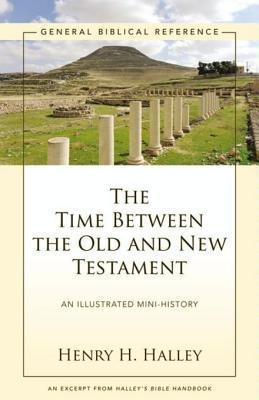
The Time Between the Old and New Testament: A Zondervan Digital Short by Henry H. Halley

First published July 24, 2012

Derived from Halley’s Bible Handbook, a world-renowned, accessible guide to the Bible now in its 25th edition, this digital short sketches the history of the time between the Old and New Testaments. The rise of the Greek and then Roman Empires, the Maccabees, Herod’s Temple, the Sanhedrin—this introduction to a fascinating era not covered in the Bible includes all of the above and more. Useful for Bible students wanting to better understand the cultural context of the New Testament and for readers interested in Middle Eastern and early European history, The Time Between the Old and New Testaments shines light on a key period in world and religious history.
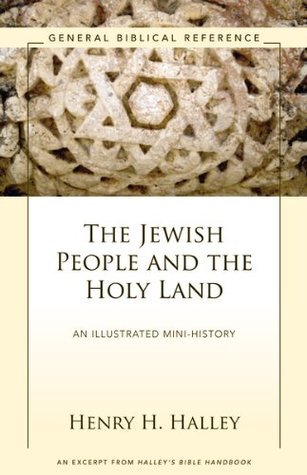
The Jewish People and the Holy Land: A Zondervan Digital Short by Henry H. Halley

First published July 24, 2012

Derived from Halley’s Bible Handbook, a world-renowned, accessible guide to the Bible now in its 25th edition, this digital short sketches the history of the Jewish people in the Holy Land from the time of Jesus until the present day. Useful for students of the Bible and church history, The Jewish People and the Holy Land will also fascinate readers wanting to better understand the historic roots of the modern state of Israel.

Currently Reading:
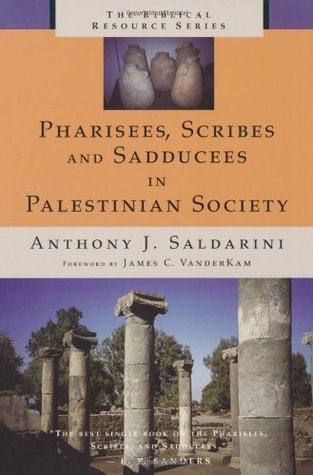
Pharisees, Scribes and Sadducees in Palestinian Society

by Anthony J. Saldarin

Widely praised in its original edition and now part of the Biblical Resource Series, this volume offers a superb discussion of the role of the Pharisees, scribes, and Sadducees in Palestinian Jewish society. Applying a sociological approach to the biblical and literary sources, Anthony Saldarini accurately portrays these three most prominent groups of educated leaders in Jewish society and describes their relationship to other Jewish social movements from 200 B.C.E. to 100 C.E. Featuring a new foreword by James C. VanderKam, Pharisees, Scribes, and Sadducees in Palestinian Society will remain a standard point of reference for the continuing study of Judaism and Christian backgrounds.

Reader’s Log 038: A Weekend of Reading and Reflection

A Reader’s Voice

Yesterday, I blogged about my upcoming books I’ve selected and that post is a start in blogging about what I’m reading and why. In the past couple of years or so, certain themes in stories have weighed heavily on my mind. Not only that but if the themes and content is something I should be reading as a follower of Christ. I’ve always read widely but was cautious about content and my Christian conventions. However, I’ve agreed to review books that I wasn’t fully aware of its content and have done my best to honor those commitments keeping in mind that I’m not reading a biblical world view on morality and so forth. I have noticed in the past few years that a particular genre from certain authors I once enjoyed reading has become darker and too graphic in human nature to say the least which-I admit-reflects much of the world we live in today. This is not pointing fingers or making accusations towards others but a reflection on my own choices I make about reading material that I want to chose to read or omit from my life.

I’ve also reflected on the issue of how readers and reviewers on NetGalley are given information about the books we choose to read. I believe there is not enough information about its content and NetGalley should provide more information about any disclaimers of content we should be aware of since we are making a commitment to read said books. Yes, I am aware of the argument if that were the case, there would be so many books not selected to read because of the disclaimers and that wouldn’t be fair to the author and so on…I was onboard with that argument for a long time but I am no longer. After all, movies come with ratings and provide disclaimers.

I realize I haven’t always been consistent in my reviews to point out any content that people need to be aware of if they need or want to avoid for various reasons.

More times than not, I felt trapped into reading said books and recently I’ve rejected two books and stated my reasons to the publishers with respect of course. This may be difficult for many readers and authors to hear but as a long-standing book blogger, my experience as a book reviewer and reader needs to be voiced even at the risk of losing subscribers.

Christians are encouraged to engage with secular books-including fiction for an understanding of the world but we should also be discerning and cautious. That is true for secularist as well. For anyone in society really.

I have read many books that dealt with sensitive and difficult topics in such a way to make the story readable to a wide audience without compromising the readers convictions of what they can read without feeling uneasy or question if this is something they should be reading in the first place. My thanks to writers who weaves the story thus. I have more thoughts on this topic and may share more at a later time.

Stephanie

Christian Church History

In a post not too long ago, I mentioned that I’m deeply involved in Bible studies-such as theology and the early Christian church history and other history research. In the latter for example, I’m focusing much on ancient cultural backgrounds; including the Old Testament and New Testament.

What led me to do a deep dive study in early Christianity history was a YouTube video by AOC Network. The channel has a video on the early Christians and it inspired me and deeply moved me to learn more about Christians in the first and second century AD. I approached my father about this subject and we talked about specifics and he handed me a book, Church History in Plain English by Bruce L. Shelley. He also printed off summaries of information on several saints during that time. I believe from his Logos  Bible study subscription. Such a great resource that many ministers, students of theology and laypeople use. Logos in Greek means word. I also asked him if he could give me more information on the Reformers. Since then I have added quite a few books about the Reformers to my reading pile. That subject is for other blog post topics.

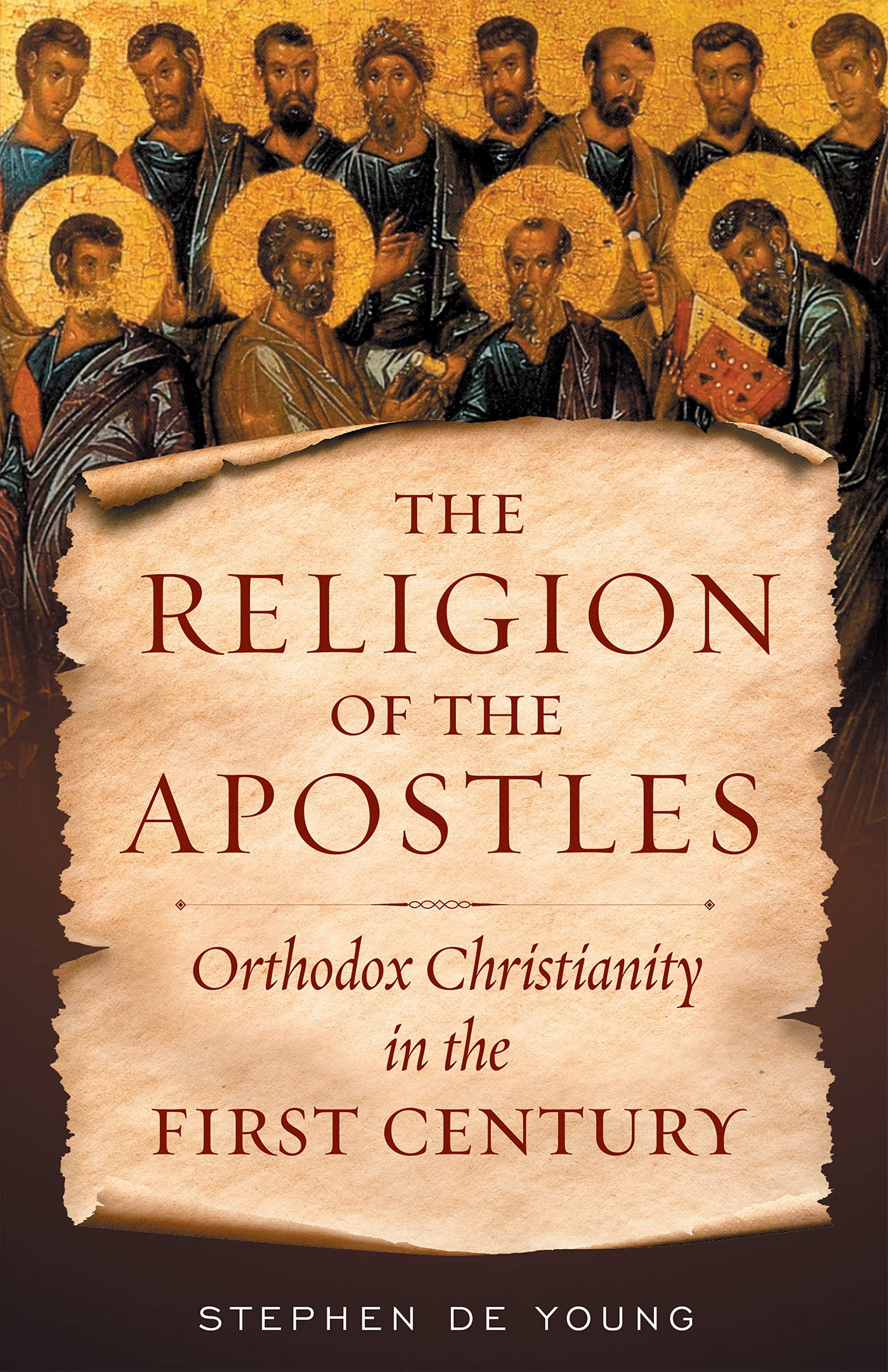
As I started reading Church History in Plain English and read about the Saints, I felt a strong feeling of emotion within me and I began to other sources of research on the Christian Orthodox Church. I look forward to sharing more of my spiritual journey with you all in this endeavor. For now, check out the book description for Church History in Plain English and another book on, The Religion of the Apostles (Orthodox Christianity in the First Century) by Stephen De Young I have added to my to-read pile.Many of you might be inspired to check them out.

Stephanie Hopkins

God Bless

Church History in Plain English by Bruce L. Shelley

With more than 275,000 copies sold, this is the story of the Church for today’s readers. The third edition of Shelley’s classic one-volume history of the church brings the story of Christianity into the twenty-first century. This latest edition of the book takes a close look at the rapid growth of evangelical and Pentecostal Christianity in the southern hemisphere, addresses the decline in traditional mainline denominations, examines the influence of technology on the spread of the gospel, and discusses how Christianity intersects with other religions in countries all over the world.

The concise book provides an easy-to-read guide to church history, with intellectual substance. The new edition of Church History in Plain Language promises to be the new standard for readable Church History.

The Religion of the Apostles (Orthodox Christianity in the First Century) by Stephen De Young

Rev. Dr. Stephen De Young, creator of the popular The Whole Counsel of God blog and podcast, traces the lineage of Orthodox Christianity back to the faith and witness of the apostles, which was rooted in a first-century Jewish worldview. The Religion of the Apostles presents the Orthodox Christian Church of today as a continuation of the religious life of the apostles, which in turn was a continuation of the life of the people of God since the beginning of creation.

Christian Theology

It has been quite a while since I’ve last read books on Christian Theology and I feel even more compelled today to come back to this genre.

I’m curious about the books I have listed below and will be reading them at some point in time. Have you heard of these books? Have you read any of them?

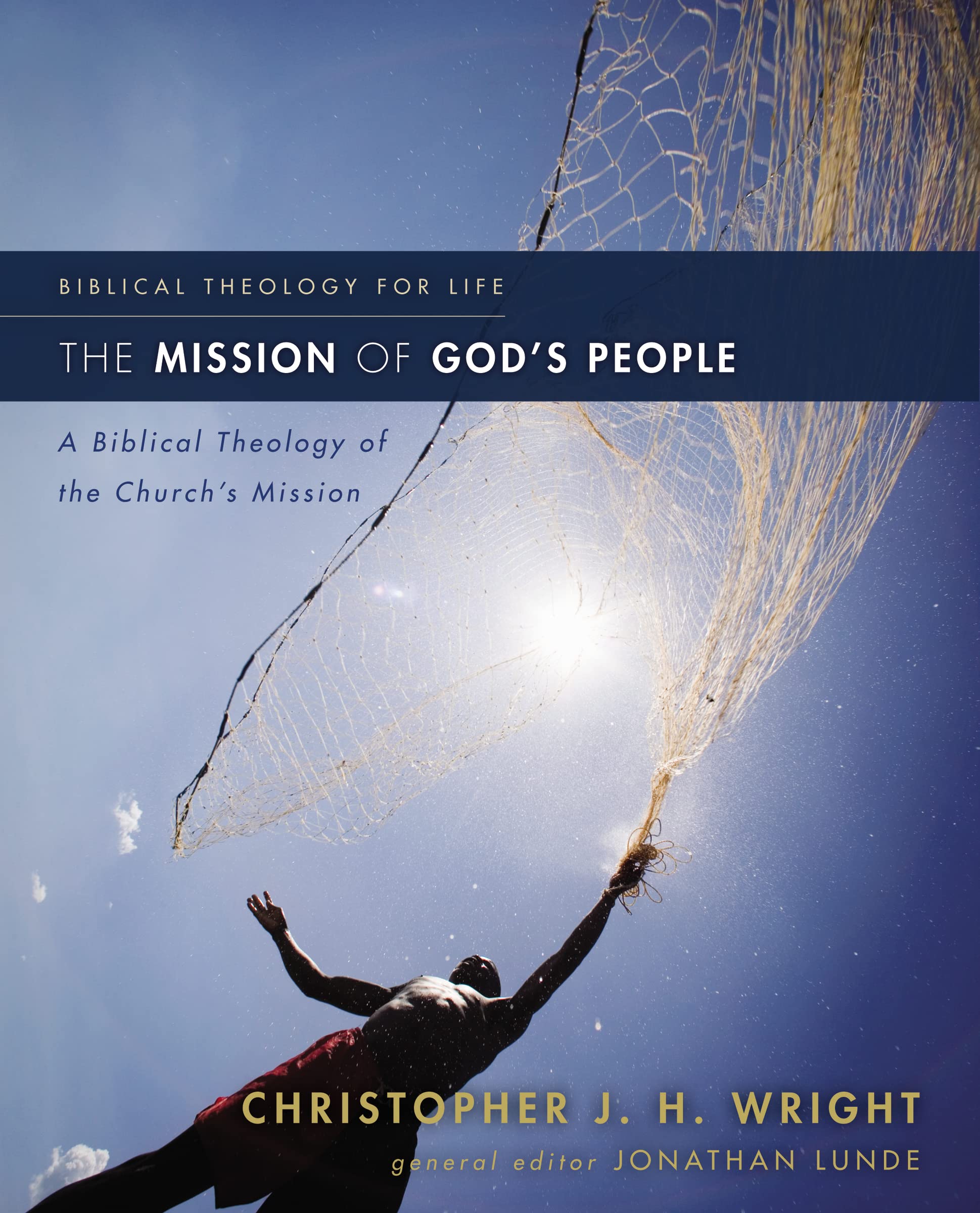
The Mission of God’s People: A Biblical Theology of the Church’s Mission (Biblical Theology for Life) by Christopher J. H. Wright

In, The Mission of God’s People, Wright shows how God’s big-picture plan directs the purpose of God’s people, the church. Wright emphasizes what the Old Testament teaches Christians about being the people of God. He addresses questions of both ecclesiology and missiology with topics like “called to care for creation,” “called to bless the nations,” “sending and being sent,” and “rejecting false gods.” As part of the Biblical Theology for Life Series, this book provides pastors, teachers, and lay learners with first-rate biblical study while at the same time addressing the practical concerns of contemporary ministry. The Mission of God’s People promises to enliven and refocus the study, teaching, and ministry of those truly committed to joining God’s work in the world.

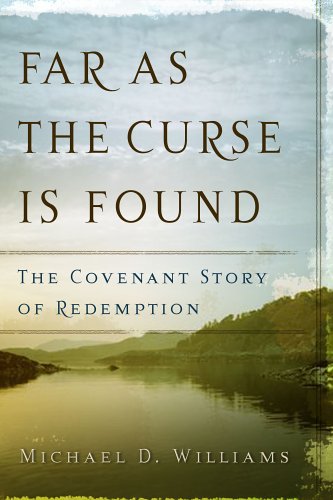
Far as the Curse Is Found: The Covenant Story of Redemption by Michael D. Williams

God’s covenant with his people is an unfolding historical drama with personal and earthly dimensions that are often overlooked. In this study of the meaning and scope of the covenant, Michael D. Williams highlights the goodness of the physical realm and God’s redemptive intentions for his creation.

The Attributes of God by A.W. Pink

This classic work of Arthur W. Pink invites readers to discover the truth about seventeen attributes of God, including his sovereignty, immutability, patience, love, faithfulness, and much more.

More about The Attributes of God:

Bible scholar Arthur W. Pink became a prolific and highly influential evangelical author over the course of the twentieth century, beginning with his monthly magazine Studies in Scriptures. Many of his books began as articles in this small publication, including The Attributes of God. In this work, Pink sets out to reveal the true character of God. He believes that in order to truly know God, we must first submit to God and follow in his footsteps. The people that do know their God shall be strong (Dan. 11:32).

It is the author’s hope that those who listen to these words shall be blessed and see their lives transformed by the power of God.