

Today, I’m sharing the Bible studies I’m working through and the journey this year has truly been a blessing in my life. I’m also reading the Bible chronologically this year for the first time ever. What a difference it has made already in the in-depth studying I’ve been conducting for three plus years now. I discuss my studies in other posts, so I hope you check those out. Also last year, I took a deep dive in women’s roles and ministry in the Bible and women ministries today in modern times. I’m continuing that study and have found it rewarding in my life.
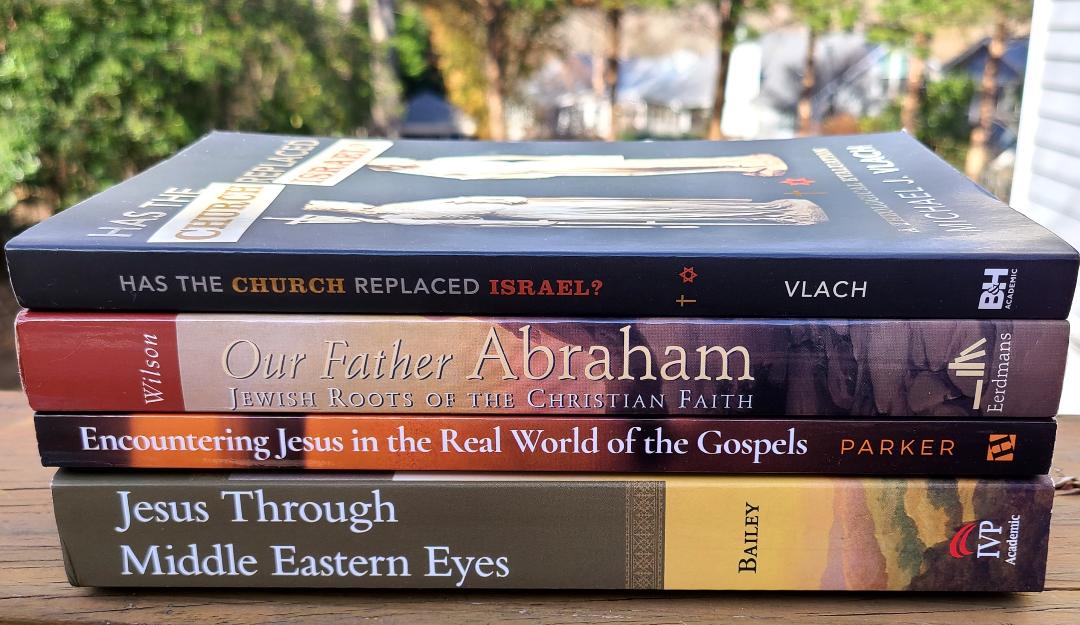
The books you see in this posts, are the ones I’m currently reading through. The first one on the book stack “Has the Church Replaced Israel” by “Michael J. Vlack takes a look at the theological evaluation of the different arguments and the author’s conclusion of this much heated debate in our current church environment. That said, this has been a long standing debate throughout history, but has become front in center in the last couple years due to the Israel/Gaza war.
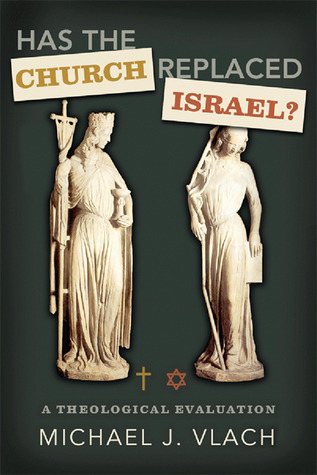
About the book:
The relationship between Israel and the Church continues to be a controversial topic led by this Does the church replace, supersede, or fulfill the nation of Israel in God’s plan, or will Israel be saved and restored with a unique identity and role?
In Has the Church Replaced Israel? Author Michael J. Vlach evaluates the doctrine of replacement theology (also known as supersessionism) down through history but ultimately argues in favor of the non-supersessionist position. Thoroughly vetting the most important hermeneutical and theological issues related to the Israel/church relationship, Vlach explains why, “there are compelling scriptural reasons in both testaments to believe in a future salvation and restoration of the nation Israel.”
I read “Our Father Abraham” by Marvin R. Wilson a few years ago now and thought I would give it another read through. This book is from my father’s theological library and the book is a wonderful read.
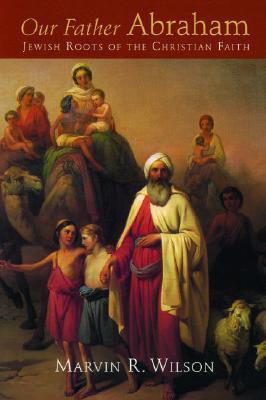
About the book:
Although the roots of Christianity run deep into Hebrew soil, many Christians are regrettably uninformed about the rich Hebrew heritage of the church. This volume delineates the link between Judaism and Christianity, between the Old and the New Testament, and calls Christians to reexamine their Hebrew roots so as to effect a more authentically biblical lifestyle.
As an introduction to the world of Hebrew thought, Our Father Abraham is biblical, historical, and cultural in nature. At the same time, the writing is personal and passionate, reflecting Marvin Wilson’s own spiritual pilgrimage and his extensive dialogue with Jews. The book (1) develops a historical perspective on the Jewish origins of the church, (2) sets forth the importance and nature of Hebrew thought, (3) discusses how the church can become more attuned to the Hebraic mind-set of Scripture, and (4) offers practical suggestions for interaction between Jews and Christians.
The study questions at the end of each chapter enhance the book’s usefulness as a text and also make it suitable for Bible-study and discussion groups. All Christians–and Jews too–will profit from Wilson’s sensible treatments of biblical texts, his thorough understanding of both the Christian and the Jewish faith, and his honest historical analysis of the general failure of the Christian church to acknowledge and understand its relation to Judaism.
I’m trying to remember how I came across “Encountering Jesus in the Real World of the Gospel” by Cyndi Parker. As I typed that thought out, it came to me I might have heard about this book from Dr. Carmen J. Imes. Whatever the case, I remember downloading a sample to read before making commitment on purchasing the book. As you can see, I bought the book and I’m really enjoying what Parker has to say.
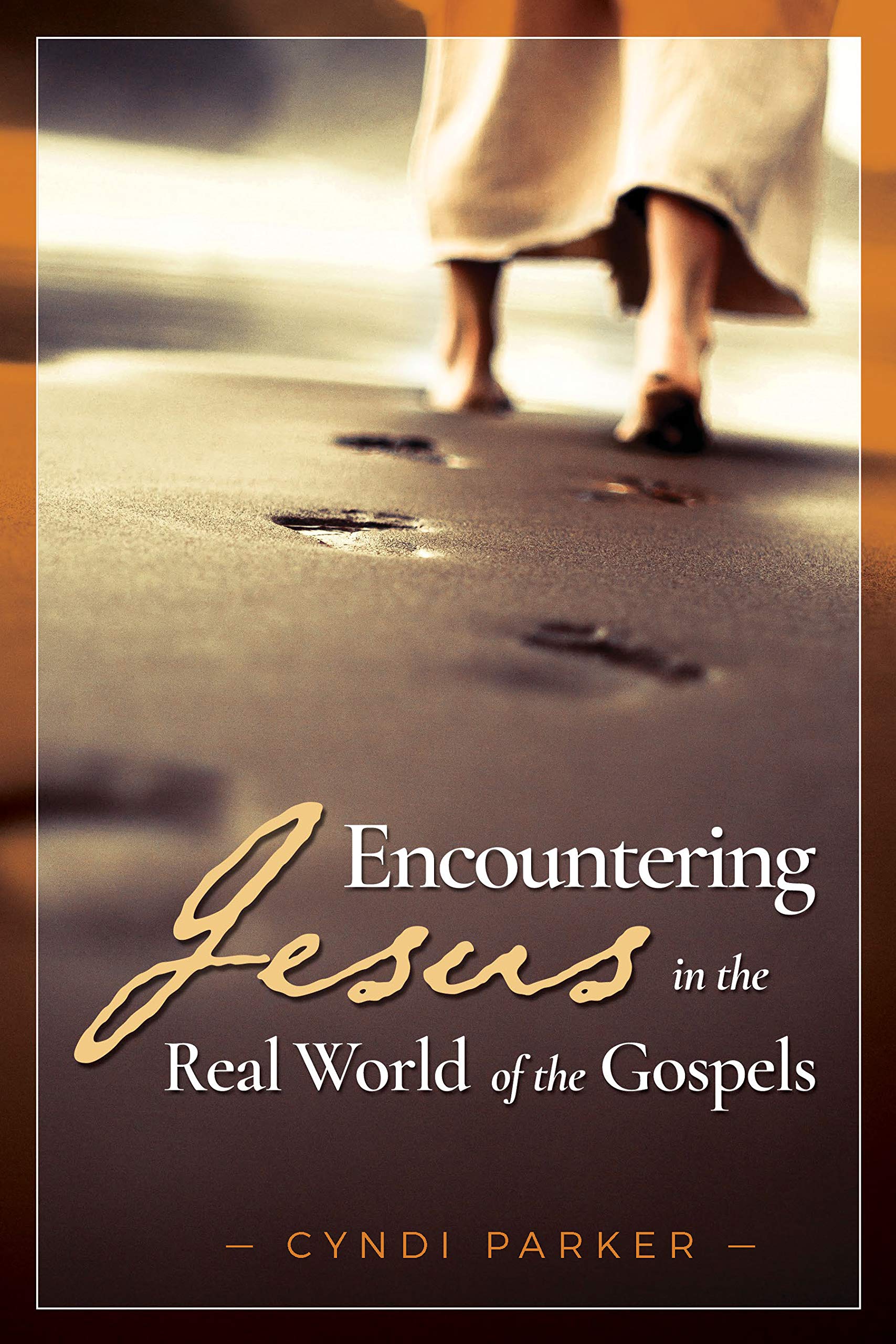
About the book:
Encountering Jesus in the Real World of the Gospels draws readers into a deeper understanding of ancient Israel and first-century Judaism—the clothing, setting, political climate, and more—all to better understand Jesus’ ministry. Instead of reading the Gospels through twenty-first-century eyes, author Cyndi Parker introduces readers to the larger context with the weight of the Old Testament behind them. This is an approachable and conversational book that introduces the reader to the complex human world of Jesus. Have you ever wondered if it is important that Jesus grew up in Nazareth but moved his public ministry to Capernaum, even though Jerusalem was the capital of Jewish thought? Does it seem strange to you that Pharisees, Sadducees, and Essenes held significantly divergent religious views, even though they were all Jewish? In this book, Cyndi Parker guides us through the intriguing drama of history that created the context of first-century Judaism. She extends an invitation to readers to take a new look at the long drama of God’s interactions with humanity that reach a climax in the life of Jesus. Encountering Jesus in the Real World of the Gospels focuses on the complexities of the political, social, literary, and religious context of the Gospels. The purpose is to advance readers’ understanding of the Gospels and help them encounter Jesus, the disciples, and crowds as real people in a real place at a time vastly different from today. Come explore the land of ancient Israel with its dramatic history, culture, and religion. Includes many images, maps, photos, and drawings throughout!
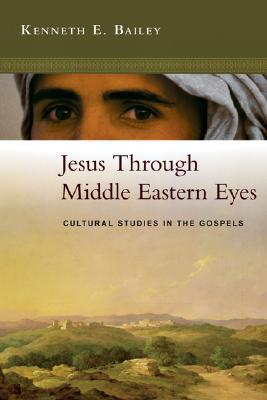
Jesus Though Middle Eastern Eyes (Cultural Studies In The Gospels) by Kenneth R. Bailey is a phenomenal read. So far, I’ve read three parts. I will definitely be reading other books by this author and I highly recommend this one.
About the book:
Beginning with Jesus’ birth, Ken Bailey leads you on a kaleidoscopic study of Jesus throughout the four Gospels. Bailey examines the life and ministry of Jesus with attention to the Lord’s Prayer, the Beatitudes, Jesus’ relationship to women, and especially Jesus’ parables. Through it all, Bailey employs his trademark expertise as a master of Middle Eastern culture to lead you into a deeper understanding of the person and significance of Jesus within his own cultural context. With a sure but gentle hand, Bailey lifts away the obscuring layers of modern Western interpretation to reveal Jesus in the light of his actual historical and cultural setting. This entirely new material from the pen of Ken Bailey is a must-have for any student of the New Testament. If you have benefited from Bailey’s work over the years, this book will be a welcome and indispensable addition to your library. If you are unfamiliar with Bailey’s work, this book will introduce you to a very old yet entirely new way of understanding Jesus.
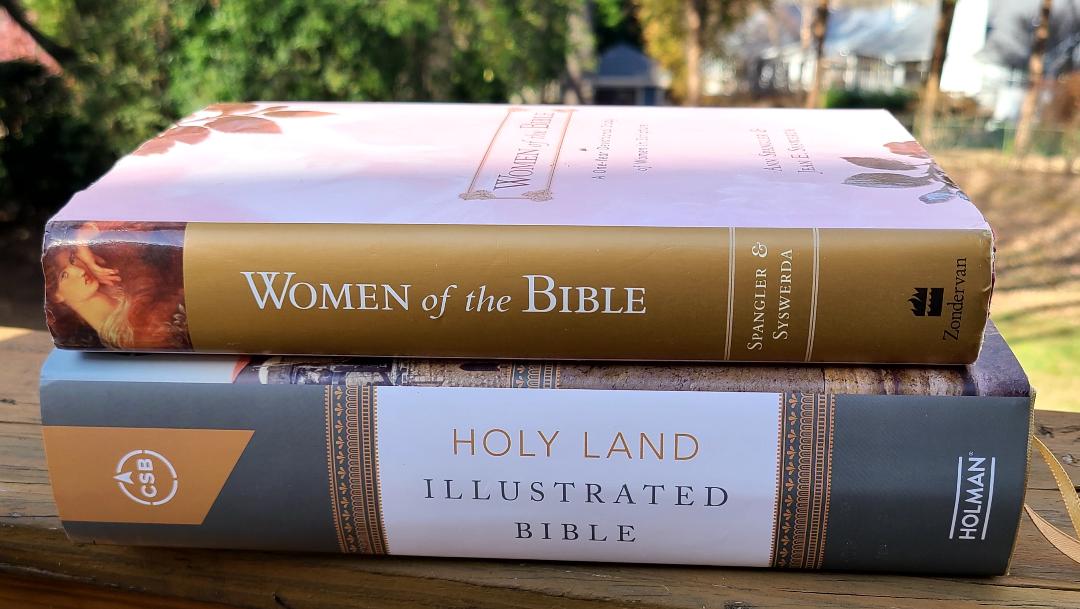
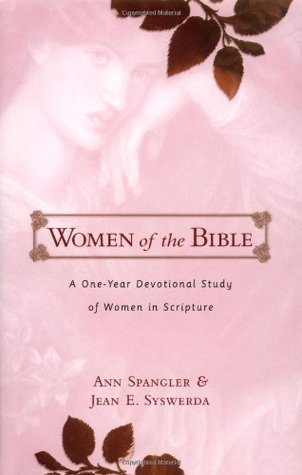
I came across “Women of the Bible” by Ann Spangler & Syswerda down in the basement in a container. This book is a family member’s and was thrilled they said I can use it. The book is a one-year devotional study of women in Scripture, and I an tweaking it a bit to fit in my method of study.
About the book:
Women of the Bible focuses on fifty-two remarkable women in Scripture — women whose struggles to live with faith and courage are not unlike our own. Far from being cardboard characters, these women encourage us through their failures as well as their successes. You’ll see how God acted in surprising and wonderful ways to draw them — and you — to himself. This year-long devotional offers a unique method to help you slow down and savor the story of God’s unrelenting love for his people, offering a fresh perspective that will nourish and strengthen your personal communion with him.
The Bible I am using to study and read along with “Women of the Bible” is the “Holy Land Illustrated Bible, which is among my favorite Bibles I have. The Bible is a hardcover with black lettering, full-color design, and contains articles, photos, illustrations, and easy-to-read Scripture. Hands down, this is one of my favorite Bibles to date. I would also like to stress, the other books on this post does not in anyway, shape or form, replace the Bible. Being in the word comes first always.
About this Bible:

Visit the Holy Land and other sacred biblical sights alongside the accompanying biblical text without ever leaving home.
The CSB Holy Land Illustrated Bible is a visually immersive Bible reading experience featuring over 1,100 images, maps, and illustrations to provide greater insight and understanding of the people, places, and things of Scripture. Book specific introductions provide the setting and circumstances of writing for each book, and every image includes a descriptive caption to help better understand what is pictured. Also included are more than 275 full-length commentary articles and 40+ “Digging Deeper” callouts strategically placed throughout the Bible for further exploration.
FEATURES The CSB Holy Land Illustrated Bible features the highly readable, highly reliable text of the Christian Standard Bible® (CSB). The CSB stays as literal as possible to the Bible’s original meaning without sacrificing clarity, making it easier to engage with Scripture’s life-transforming message and to share it with others.
Part II of my faith studies of 2026 will be posted sometime in July.
Stephanie




 Layered Pages