Reader’s Log 063: Faith Studies 2026 Part I

Today, I’m sharing the Bible studies I’m working through and the journey this year has truly been a blessing in my life. I’m also reading the Bible chronologically this year for the first time ever. What a difference it has made already in the in-depth studying I’ve been conducting for three plus years now. I discuss my studies in other posts, so I hope you check those out. Also last year, I took a deep dive in women’s roles and ministry in the Bible and women ministries today in modern times. I’m continuing that study and have found it rewarding in my life.
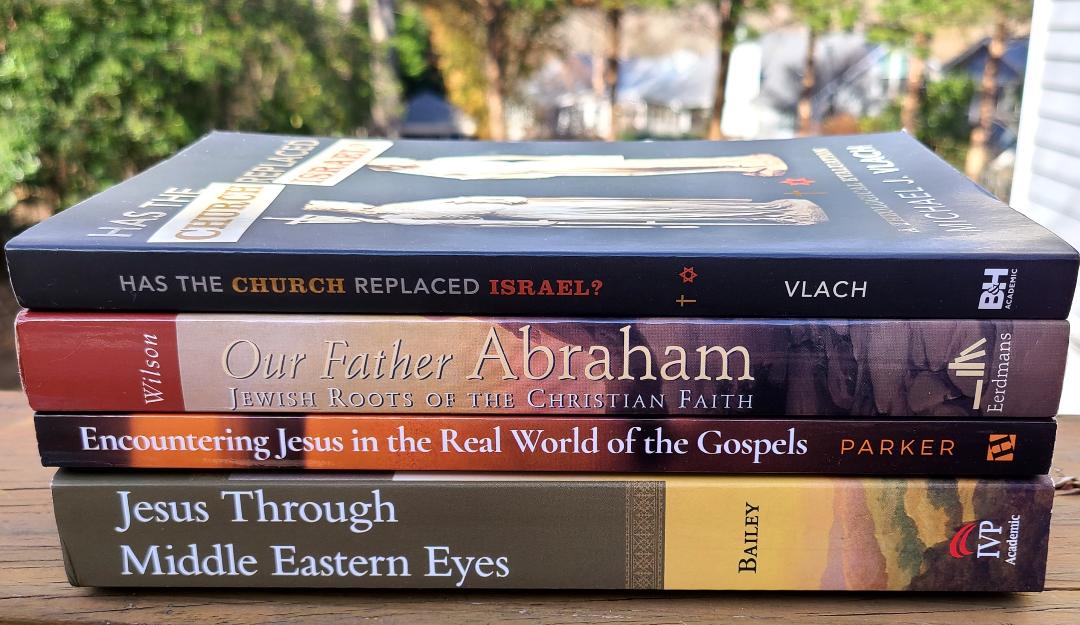
The books you see in this posts, are the ones I’m currently reading through. The first one on the book stack “Has the Church Replaced Israel” by “Michael J. Vlack takes a look at the theological evaluation of the different arguments and the author’s conclusion of this much heated debate in our current church environment. That said, this has been a long standing debate throughout history, but has become front in center in the last couple years due to the Israel/Gaza war.
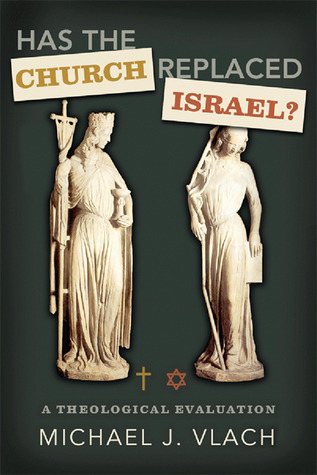
About the book:

The relationship between Israel and the Church continues to be a controversial topic led by this Does the church replace, supersede, or fulfill the nation of Israel in God’s plan, or will Israel be saved and restored with a unique identity and role?
 
In Has the Church Replaced Israel? Author Michael J. Vlach evaluates the doctrine of replacement theology (also known as supersessionism) down through history but ultimately argues in favor of the non-supersessionist position. Thoroughly vetting the most important hermeneutical  and theological issues related to the Israel/church relationship, Vlach explains why, “there are compelling scriptural reasons in both testaments to believe in a future salvation and restoration of the nation Israel.”

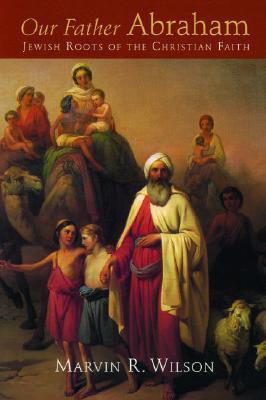
I read “Our Father Abraham” by Marvin R. Wilson a few years ago now and thought I would give it another read through. This book is from my father’s theological library and the book is a wonderful read.
About the book:

Although the roots of Christianity run deep into Hebrew soil, many Christians are regrettably uninformed about the rich Hebrew heritage of the church. This volume delineates the link between Judaism and Christianity, between the Old and the New Testament, and calls Christians to reexamine their Hebrew roots so as to effect a more authentically biblical lifestyle.

As an introduction to the world of Hebrew thought, Our Father Abraham is biblical, historical, and cultural in nature. At the same time, the writing is personal and passionate, reflecting Marvin Wilson’s own spiritual pilgrimage and his extensive dialogue with Jews. The book (1) develops a historical perspective on the Jewish origins of the church, (2) sets forth the importance and nature of Hebrew thought, (3) discusses how the church can become more attuned to the Hebraic mind-set of Scripture, and (4) offers practical suggestions for interaction between Jews and Christians.

The study questions at the end of each chapter enhance the book’s usefulness as a text and also make it suitable for Bible-study and discussion groups. All Christians–and Jews too–will profit from Wilson’s sensible treatments of biblical texts, his thorough understanding of both the Christian and the Jewish faith, and his honest historical analysis of the general failure of the Christian church to acknowledge and understand its relation to Judaism.

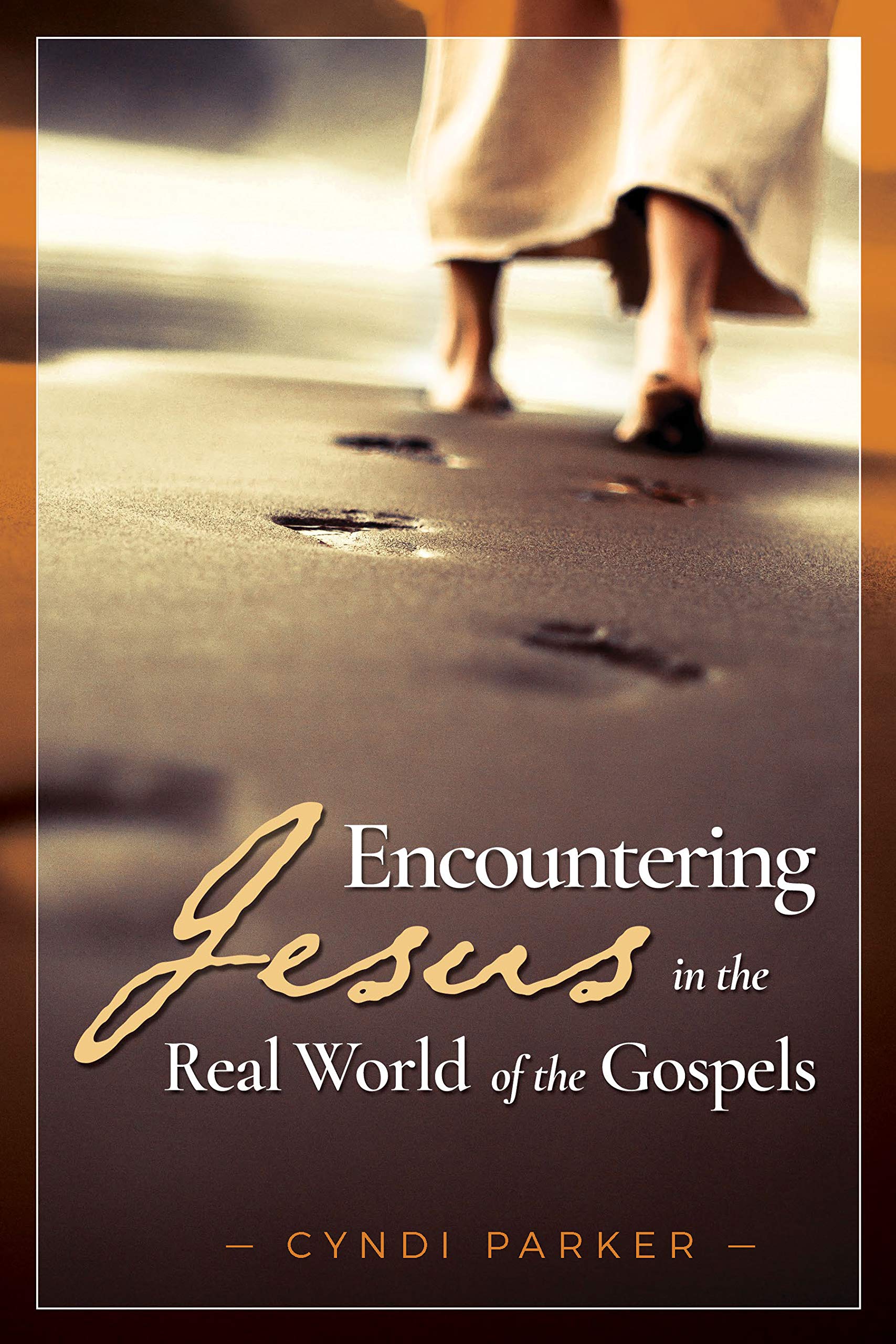
I’m trying to remember how I came across “Encountering Jesus in the Real World of the Gospel” by Cyndi Parker. As I typed that thought out, it came to me I might have heard about this book from Dr. Carmen J. Imes. Whatever the case, I remember downloading a sample to read before making commitment on purchasing the book. As you can see, I bought the book and I’m really enjoying what Parker has to say.
About the book:

Encountering Jesus in the Real World of the Gospels draws readers into a deeper understanding of ancient Israel and first-century Judaism—the clothing, setting, political climate, and more—all to better understand Jesus’ ministry. Instead of reading the Gospels through twenty-first-century eyes, author Cyndi Parker introduces readers to the larger context with the weight of the Old Testament behind them. This is an approachable and conversational book that introduces the reader to the complex human world of Jesus. Have you ever wondered if it is important that Jesus grew up in Nazareth but moved his public ministry to Capernaum, even though Jerusalem was the capital of Jewish thought? Does it seem strange to you that Pharisees, Sadducees, and Essenes held significantly divergent religious views, even though they were all Jewish? In this book, Cyndi Parker guides us through the intriguing drama of history that created the context of first-century Judaism. She extends an invitation to readers to take a new look at the long drama of God’s interactions with humanity that reach a climax in the life of Jesus. Encountering Jesus in the Real World of the Gospels focuses on the complexities of the political, social, literary, and religious context of the Gospels. The purpose is to advance readers’ understanding of the Gospels and help them encounter Jesus, the disciples, and crowds as real people in a real place at a time vastly different from today. Come explore the land of ancient Israel with its dramatic history, culture, and religion. Includes many images, maps, photos, and drawings throughout!

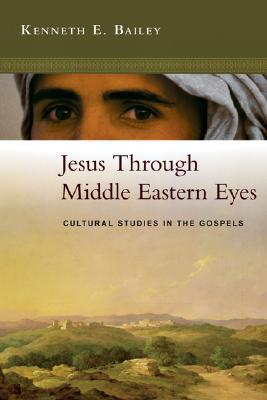
Jesus Though Middle Eastern Eyes (Cultural Studies In The Gospels) by Kenneth R. Bailey is a phenomenal read. So far, I’ve read three parts. I will definitely be reading other books by this author and I highly recommend this one.
About the book:

Beginning with Jesus’ birth, Ken Bailey leads you on a kaleidoscopic study of Jesus throughout the four Gospels. Bailey examines the life and ministry of Jesus with attention to the Lord’s Prayer, the Beatitudes, Jesus’ relationship to women, and especially Jesus’ parables. Through it all, Bailey employs his trademark expertise as a master of Middle Eastern culture to lead you into a deeper understanding of the person and significance of Jesus within his own cultural context. With a sure but gentle hand, Bailey lifts away the obscuring layers of modern Western interpretation to reveal Jesus in the light of his actual historical and cultural setting. This entirely new material from the pen of Ken Bailey is a must-have for any student of the New Testament. If you have benefited from Bailey’s work over the years, this book will be a welcome and indispensable addition to your library. If you are unfamiliar with Bailey’s work, this book will introduce you to a very old yet entirely new way of understanding Jesus.
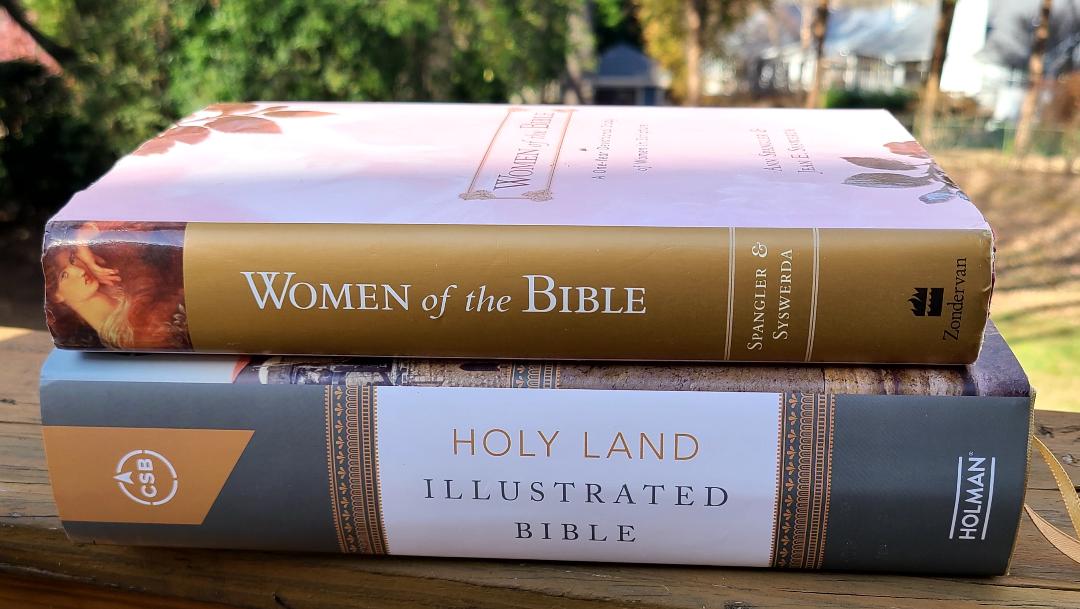
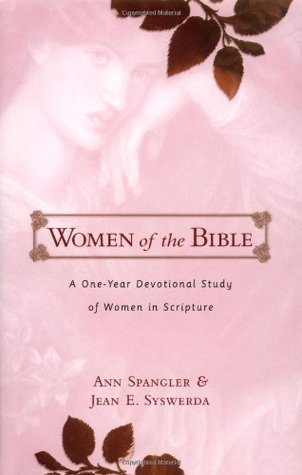
I came across “Women of the Bible” by Ann Spangler & Syswerda down in the basement in a container. This book is a family member’s and was thrilled they said I can use it. The book is a one-year devotional study of women in Scripture, and I an tweaking it a bit to fit in my method of study.
About the book:

Women of the Bible focuses on fifty-two remarkable women in Scripture — women whose struggles to live with faith and courage are not unlike our own. Far from being cardboard characters, these women encourage us through their failures as well as their successes. You’ll see how God acted in surprising and wonderful ways to draw them — and you — to himself. This year-long devotional offers a unique method to help you slow down and savor the story of God’s unrelenting love for his people, offering a fresh perspective that will nourish and strengthen your personal communion with him.

The Bible I am using to study and read along with “Women of the Bible” is the “Holy Land Illustrated Bible, which is among my favorite Bibles I have. The Bible is a hardcover with black lettering, full-color design, and contains articles, photos, illustrations, and easy-to-read Scripture. Hands down, this is one of my favorite Bibles to date. I would also like to stress, the other books on this post does not in anyway, shape or form, replace the Bible. Being in the word comes first always.

About this Bible:

Visit the Holy Land and other sacred biblical sights alongside the accompanying biblical text without ever leaving home.

The CSB Holy Land Illustrated Bible is a visually immersive Bible reading experience featuring over 1,100 images, maps, and illustrations to provide greater insight and understanding of the people, places, and things of Scripture. Book specific introductions provide the setting and circumstances of writing for each book, and every image includes a descriptive caption to help better understand what is pictured. Also included are more than 275 full-length commentary articles and 40+ “Digging Deeper” callouts strategically placed throughout the Bible for further exploration.

FEATURES  The CSB Holy Land Illustrated Bible features the highly readable, highly reliable text of the Christian Standard Bible® (CSB). The CSB stays as literal as possible to the Bible’s original meaning without sacrificing clarity, making it easier to engage with Scripture’s life-transforming message and to share it with others.

Part II of my faith studies of 2026 will be posted sometime in July.

Stephanie
Reader’s Log 055: Current and Upcoming Reads

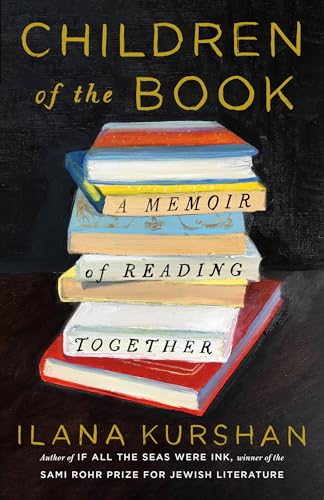
I finished and reviewed, “The Lost Baker of Vienna by Sharon Kurtzman and enjoyed the story and now I’ve started reading a couple days ago, “Children of the Book: A Memoir of Reading Together” by Ilana Kurshan. I must confess I’m a little concern about the page length and how the theme will flow through the pages. That said, so far I’m enjoying reading about this family’s love for reading.  

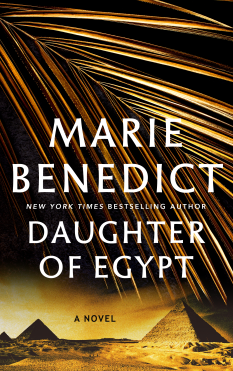
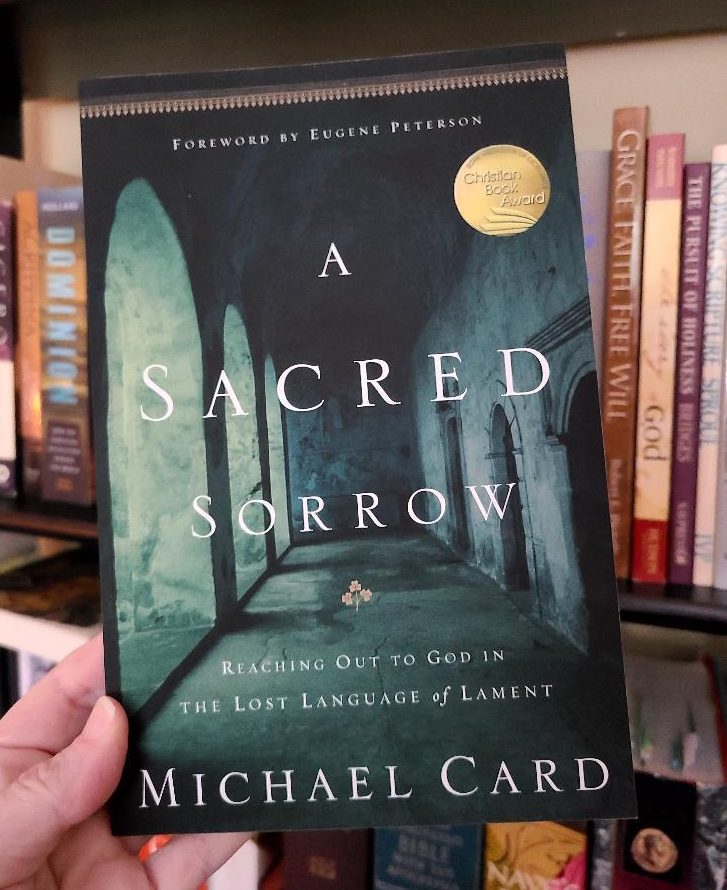
I’m still reading, “The Curious Inheritance” of Blakely House and “Reflections on the Psalms by C. S. Lewis.” These two are wonderful and engaging reads and I’m taking my time with them though I’m getting close to finishing The Curious Inheritance. After I finish with Lewis’s book I’m going to start reading, “A Sacred Sorrow” by Michael Card. I have so much to say about lament and I look forward to sharing more on the subject at a later time. After I finish up with Curious Inheritance, I’m thinking about starting, “Daughter of Egypt” by Marie Benedict. I have an ARC of this book and I’m thrilled with the premise for this story. Also, I’ve been reading, “Babylon” by Paul Kriwaczek and while I don’t agree with everything he writes, I do find many aspects of the information he provides to be fascinating and I’ve learned few new details that I need for my research. Kriwaczek is a good writer and it makes his book easier to read which is refreshing and helpful!

Stephanie

Children of the Book: A Memoir of Reading Together by Ilana Kurshan

Not yet published Expected Aug 26, 2025 by St. Martin’s Press

In Children of the Book, Ilana Kurshan explores the closeness forged when family life unfolds against a backdrop of reading together. Kurshan, a mother of five living in Jerusalem, at first struggles to balance her passion for literature with her responsibilities as a parent. Gradually she learns how to relate to reading not as a solitary pursuit and an escape from the messiness of life, but rather as a way of teaching independence and forging connection. Introducing her children to sacred and secular literature—including the beloved classics of her childhood—helps her become both a better mother and a better reader.

Chief among the books Kurshan reads with her children is the Five Books of Moses, known as the Torah, which Jews the world over read in synchrony as part of the liturgical cycle. In the five parts of this memoir, Kurshan explores the surprising resonances between the biblical text and her experiences as a mother and a reader – from the first picture books that create the world through language for little babies, to the moment our children begin reading on their own leaving us behind, atop the mountain, as they enter new lands without us. A testament to the enduring power of shared texts, Children of the Book celebrates the deep pleasures of books.

Daughter of Egypt by Marie Benedict

Not yet published

Publish Date: Mar 24, 2026 by St. Martin’s Press

In the 1920s, archeologist Howard Carter and Lord Carnarvon of Highclere Castle made headlines around the world with the discovery of the treasure-filled tomb of the boy Pharaoh Tutankhamun. But behind it all stood Lady Evelyn Herbert—daughter of Lord Carnarvon—whose daring spirit and relentless curiosity made the momentous find possible.

Nearly 3,000 years earlier, another woman defied the expectations of her time: Hatshepsut, Egypt’s lost pharaoh. Her reign was bold, visionary—and nearly erased from history.

When Evelyn becomes obsessed with finding Hatshepsut’s secret tomb, she risks everything to uncover the truth about her reign and keep valued artifacts in Egypt, their rightful home. But as danger closes in and political tensions rise, she must make an impossible choice: protect her father’s legacy—or forge her own.

A Sacred Sorrow: Reaching Out to God in the Lost Language of Lament by Michael Card

Published February 1, 2005 by NavPress

It’s easy to praise God when things in your life are going well, but what about the other times? What happens when mountaintop experiences cascade into seasons of struggling, suffering, and loss in the valley? God desires for us to pour out our hearts to Him, whether in joy or pain. But many Christians don’t feel right expressing anger, frustration, grief, and sadness in prayer. Our personal worship experience is not complete unless we understand the lost language of lament.

In A Sacred Sorrow, author, musician, and Bible teacher Michael Card takes you through the Scriptures to show you what your worship and prayer life has been missing. Learn new ways to honor God and deepen your relationship with Him by:

Becoming more honest in worship

Trusting in His unchanging presence

Believing in His constant loving kindness

Sharing your sorrow as an act of worship

From Job to David to Jesus, men and women of Scripture understood the importance of pouring one’s heart out to the Father. Examine their stories and expand your definition of worship as you find healing. Let your pain, questions, and sorrow resound with praise to a God who is moved by your tears.

Reader’s Log 039: Books for Further Study of Ancient History

Over Memorial weekend, I read quite a bit and have been listening to an audio book while working on a few art projects. These past few days has been reflective and I’m also busy with outlining a few ancient history articles I want to write. There is much work to be done on them and I have an extensive amount of research and studying to do. I’m thrilled with this endeavor and I’m looking forward to seeing where it leads me. In this post, I’m sharing a couple short books I read and one I started two days ago. This does not include my NetGalley reads or what I’m currently listening to. That may come in a later post.

Stephanie

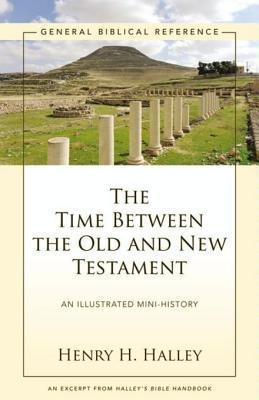
The Time Between the Old and New Testament: A Zondervan Digital Short by Henry H. Halley

First published July 24, 2012

Derived from Halley’s Bible Handbook, a world-renowned, accessible guide to the Bible now in its 25th edition, this digital short sketches the history of the time between the Old and New Testaments. The rise of the Greek and then Roman Empires, the Maccabees, Herod’s Temple, the Sanhedrin—this introduction to a fascinating era not covered in the Bible includes all of the above and more. Useful for Bible students wanting to better understand the cultural context of the New Testament and for readers interested in Middle Eastern and early European history, The Time Between the Old and New Testaments shines light on a key period in world and religious history.

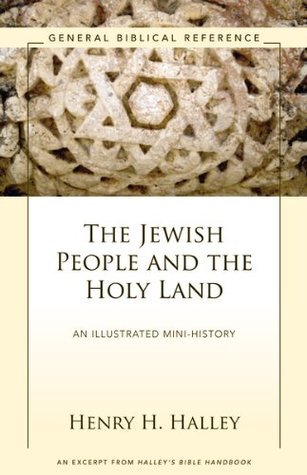
The Jewish People and the Holy Land: A Zondervan Digital Short by Henry H. Halley

First published July 24, 2012

Derived from Halley’s Bible Handbook, a world-renowned, accessible guide to the Bible now in its 25th edition, this digital short sketches the history of the Jewish people in the Holy Land from the time of Jesus until the present day. Useful for students of the Bible and church history, The Jewish People and the Holy Land will also fascinate readers wanting to better understand the historic roots of the modern state of Israel.

Currently Reading:

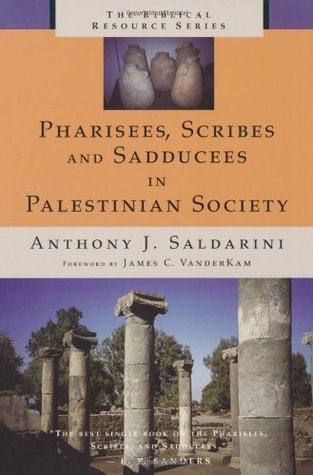
Pharisees, Scribes and Sadducees in Palestinian Society

by Anthony J. Saldarin

Widely praised in its original edition and now part of the Biblical Resource Series, this volume offers a superb discussion of the role of the Pharisees, scribes, and Sadducees in Palestinian Jewish society. Applying a sociological approach to the biblical and literary sources, Anthony Saldarini accurately portrays these three most prominent groups of educated leaders in Jewish society and describes their relationship to other Jewish social movements from 200 B.C.E. to 100 C.E. Featuring a new foreword by James C. VanderKam, Pharisees, Scribes, and Sadducees in Palestinian Society will remain a standard point of reference for the continuing study of Judaism and Christian backgrounds.

Stories of World War II

A few years ago now, Atria Books sent me an ARC of The Princess Spy by Larry Loftis to review and I immensely enjoyed the story. Since then I haven’t had a chance to look at Loftis other works and I’ve recently discovered another book by him I would like to read and have added it to my reading wish-list plus, The Hiding Place by Corrie Ten Boom. I can’t wait to read them! They look so good. I have a feeling I will be shedding quite a few tears reading them. World War II stories do that to me. Let me know in the comment area if you’ve read these stories!

Stephanie Hopkins

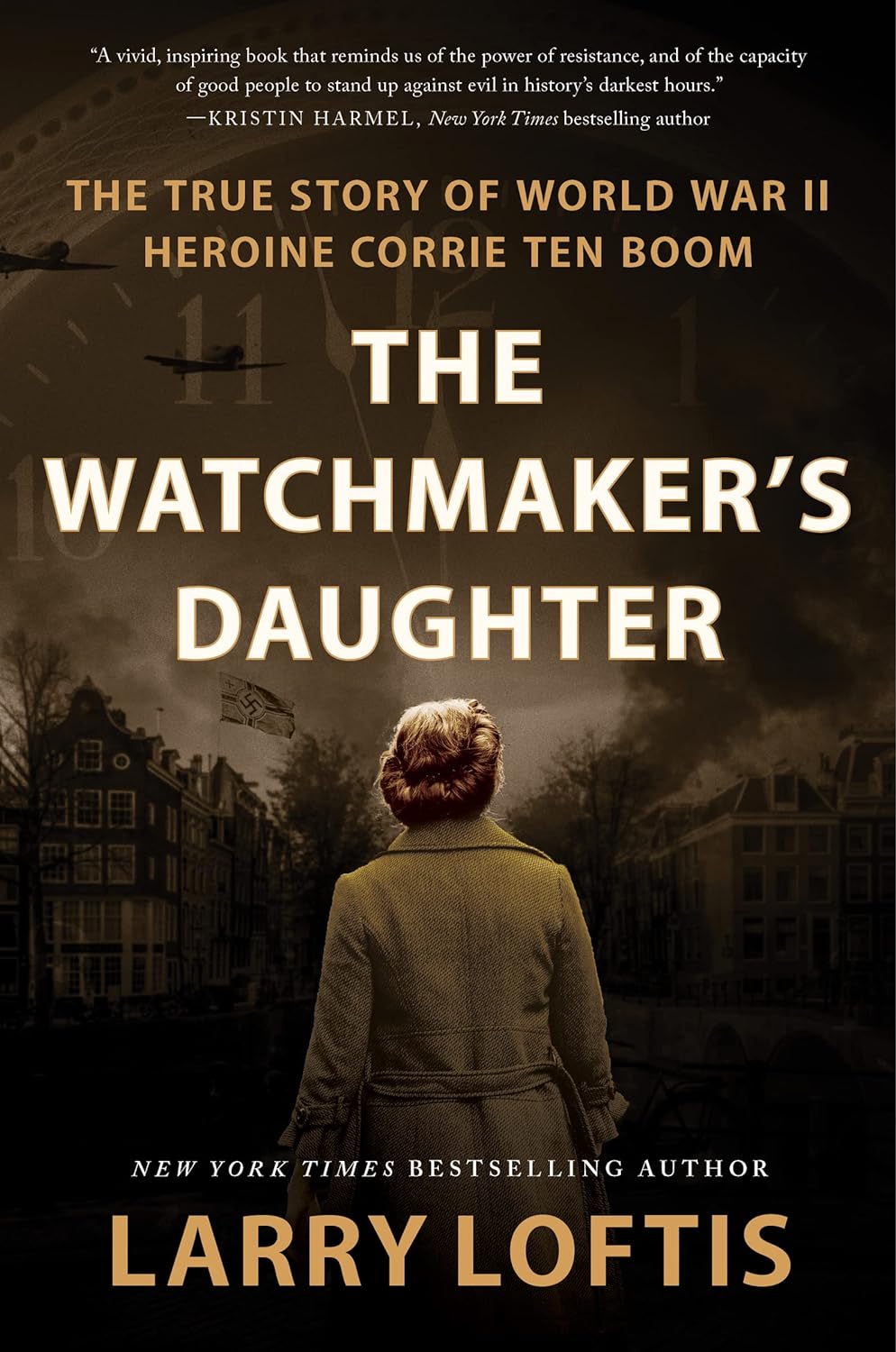
The Watchmaker’s Daughter: The True Story of World War II Heroine Corrie ten Boom by Larry Loftis

About the book:

INTERNATIONAL BESTSELLER

New York Times bestselling author and master of nonfiction spy thrillers Larry Loftis writes the first major biography of Corrie ten Boom, a Dutch watchmaker who saved the lives of hundreds of Jews during WWII—at the cost of losing her family and being sent to a concentration camp, only to survive, forgive her captors, and live the rest of her life as a Christian missionary.

The Watchmaker’s Daughter is one of the greatest stories of World War II that readers haven’t heard: the remarkable and inspiring life story of Corrie ten Boom—a groundbreaking, female Dutch watchmaker, whose family unselfishly transformed their house into a hiding place straight out of a spy novel to shelter Jews and refugees from the Nazis during Gestapo raids. Even though the Nazis knew what the ten Booms were up to, they were never able to find those sheltered within the house when they raided it.

Corrie stopped at nothing to face down the evils of her time and overcame unbelievable obstacles and odds. She persevered despite the loss of most of her family and relied on her faith to survive the horrors of a notorious concentration camp. But even more remarkable than her heroism and survival was Corrie’s attitude when she was released. Miraculously, she was able to eschew bitterness and embrace forgiveness as she ministered to people in need around the globe. Corrie’s ability to forgive is just one of the myriad lessons that her life story holds for readers today.

Reminiscent of Schindler’s List and featuring a journey of faith and forgiveness not unlike Unbroken, The Watchmaker’s Daughter is destined to become a classic work of World War II nonfiction.

The Hiding Place by Corrie Ten Boom, Elizabeth Sherrill, and John Sherrill

“Every experience God gives us . . . is the perfect preparation for the future only He can see.”–Corrie ten Boom

About the book:

Corrie ten Boom was a Dutch watchmaker who became a heroine of the Resistance, a survivor of Hitler’s concentration camps, and one of the most remarkable evangelists of the twentieth century. In World War II she and her family risked their lives to help Jews and underground workers escape from the Nazis, and for their work they were tested in the infamous Nazi death camps. Only Corrie among her family survived to tell the story of how faith ultimately triumphs over evil.

Here is the riveting account of how Corrie and her family were able to save many of God’s chosen people. For 35 years millions have seen that there is no pit so deep that God’s love is not deeper still. Now The Hiding Place, repackaged for a new generation of readers, continues to declare that God’s love will overcome, heal, and restore.