This morning I woke up feeling the coolness of the morning air and sounds of rain and wind. My first thought was to stay snuggled under the covers for a bit longer. As my thoughts wondered to holding a hot cup of coffee while looking out the window, and my morning painting, I got out of bed with anticipation of starting my day.
Lately, I haven’t thought much about the weekend during the week. The days seem to blur together while time continues to pass. I have to admit, I don’t mind it so much. But today is different. Last night, I looked forward to Saturday. Why, I asked myself. I couldn’t explain it really. It was just a feeling. Then this morning it came to me. I haven’t spent a lot of time reading as I had been and I wanted to finish my current book and read at least one more book before the month is up. The weekend allows for such opportunities.
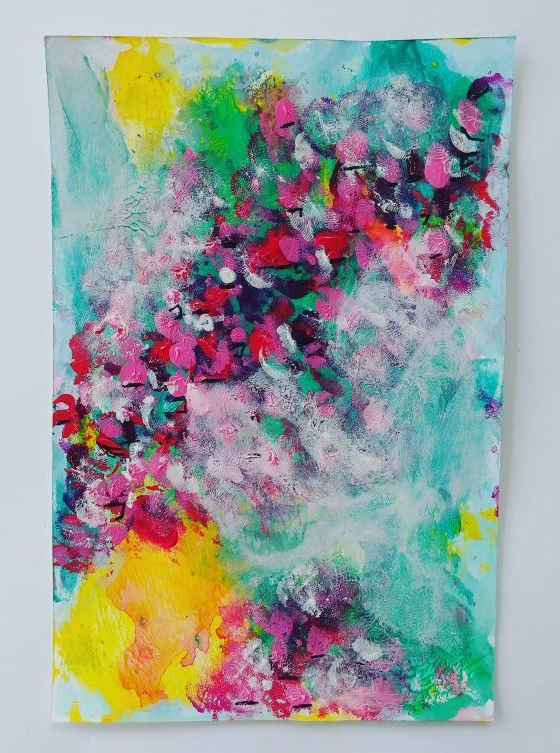
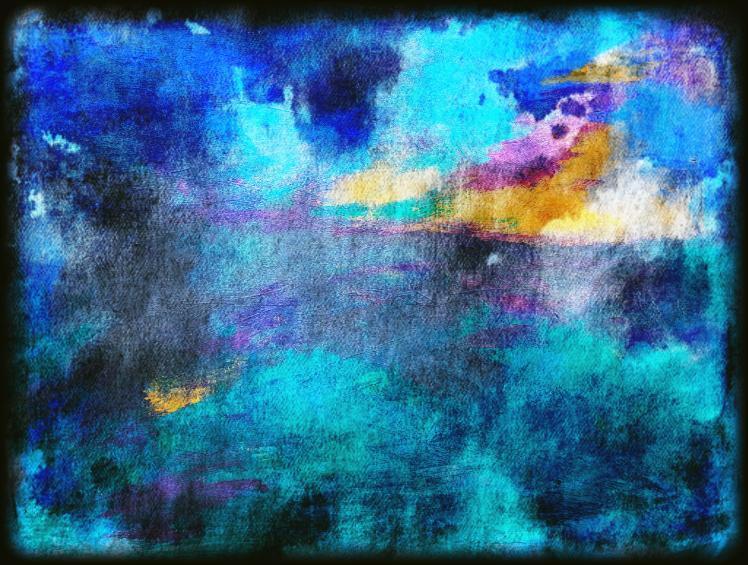
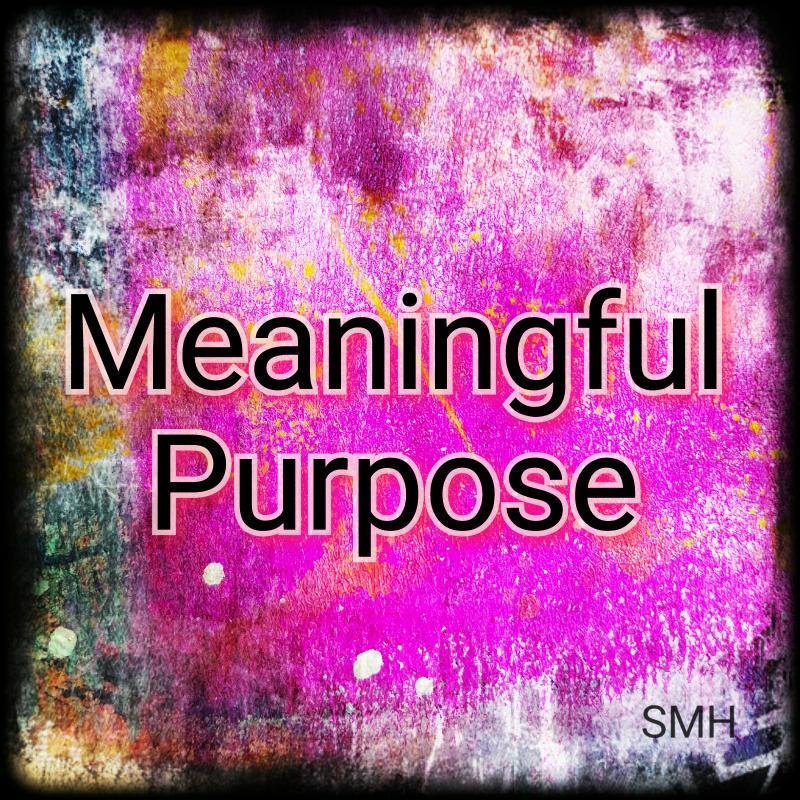
Saturday Morning Abstract Painting by Stephanie Hopkins
I’m currently reading The Four Winds by Kristin Hannah and want to start Heart of the Frontier by Brittany Larsen, Jen Geigle Johnson, Jennie Hansen and Carolyn Twede Frank. The Four Winds is absolutely wonderful. I highly recommend it. I will share more of my thoughts about the story in the near future.
I hope you have a beautiful weekend and God bless. -Stephanie
(Images are subjected to copyright. All book reviews, interviews, guest posts, art work and promotions are originals. In order to use any text or pictures from Layered Pages, please ask for permission from Stephanie Hopkins.)
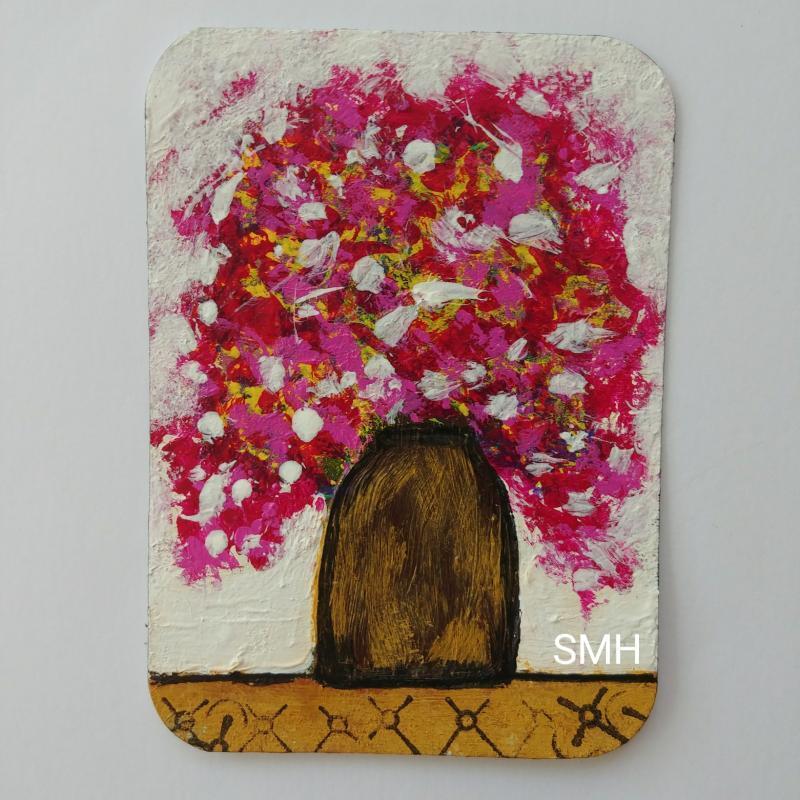
May Your Garden Grow
Abstract Painting by Stephanie Hopkins
“Flowers… are a proud assertion that a ray of beauty out values all the utilities in the world.” – Ralph Waldo Emerson
I have a panting I’m currently working on that I can’t wait to share with you all! So far, it has become one of my favorites! Spring and Summer really inspires my creativity and I find that my best work comes from these seasons. Meanwhile, I hope you enjoy this little abstract on a 4”x 6” index card. They are so much fun to doodle and craft with and a great way to explore new ideas for other art projects. Happy Wednesday and God bless! – Stephanie Hopkins
About the cover: I’ve examined this cover so much that I’m second guessing myself on if I have shared this one already or not. If so, refreshers are good.
If I were to rate the book cover, I’d give it five stars, maybe more. You can see the woman’s face! Well, her profile but that is a lot better than seeing her back. The landscape is stunning and the colors vibrant and evoking. I love everything about this cover design. Including the title, oh, and the author has a beautiful name. Hint, hint.
About the book: I have mixed feelings about Biblical re-telling’s and Christian fiction in general. Often times they are unrealistic water-downed (no pun intended) and one must always remember that these re-telling’s are fictional that draw from details and facts from the Bible. Or the reader hopes so… If you’re not certain, it’s best to go straight to the source. As I said above, I have mixed feelings about this medium of story- telling, however, as a story enthusiast, person of faith and my love for history, I’m highly interested in this one.
If you are a reader of the Bible, you will know the story of Jacob’s well in the New Testament. If I recall, the passage is in the book of John. The well and where it is situated is a notable and historic site today. The story of Jacob goes all the way back to the Old Testament.
As The Well goes, Landsem takes us to the Samaritan Village and introduces us to a woman and her family who is shunned for their mother’s sins. Then one day, two men arrive to their village, one of them is Jesus. His teachings of faith and belief in God sending His son to save us, service, love, forgiveness, kindness and hope are about Christian life.
Not everything turns out the way we want them to and bad things happen but I firmly believe in redemption and a higher purpose to our strife in life. I look forward to reading this story. – Stephanie Hopkins
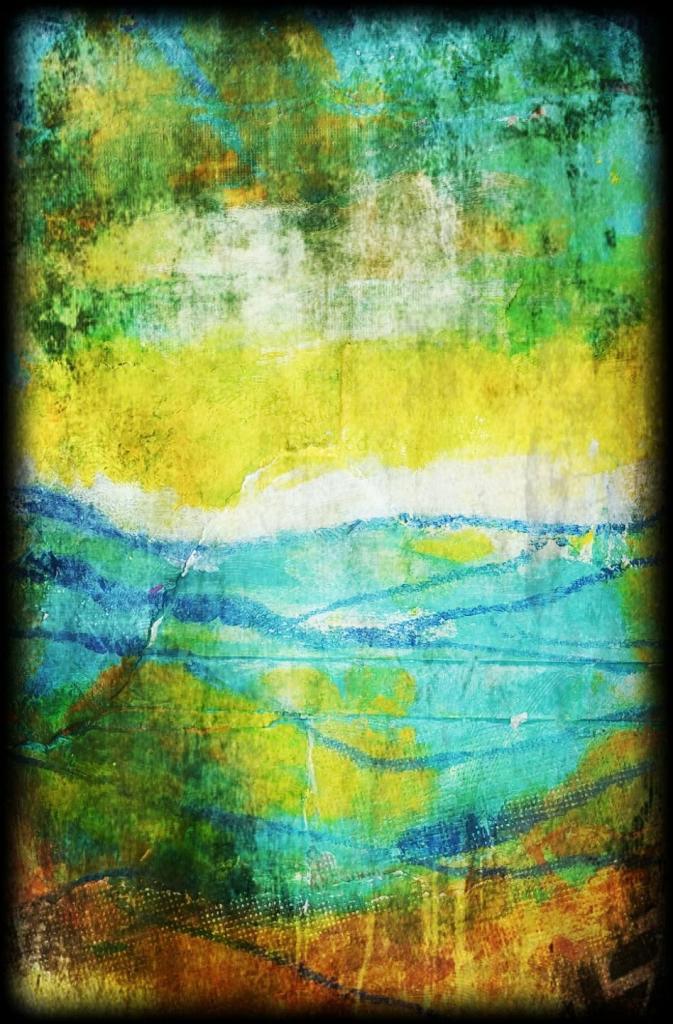
Grungy abstract inspired by the landscape in the background of the book cover. -by Stephanie Hopkins
More about the story:
Paperback, 304 pages
Published June 4th 2013 by Howard Books
In the rich tradition of Francine Rivers’s Lineage of Grace series, comes a beautiful retelling of the biblical story of the woman at the well—bringing to life this poignant young woman struggling to survive love and heartbreak.
For the women of the Samaritan village of Sychar, the well is a place of blessing—the place where they gather to draw their water and share their lives—but not for Mara and her family. Shunned for the many sins of her mother, Mara struggles against the constant threats of starvation or exile.
But Mara and her mother, Nava’s lives are forever changed with the arrival of two men: Shem, a mysterious and wealthy young man from Caesarea, and Jesus, a Jewish teacher. Nava is transformed by Jesus, with his talk of forgiveness, but his teachings come too late and she is stoned by the villagers for her past sins. Desperate to save her mother, Mara and Shem embark on a journey to seek Jesus’ help—a journey that brings unexpected love and hope, despite great difficulties.
In The Well, debut novelist Stephanie Landsem brings to life the culture and people of Jesus’ day, skillfully demonstrating how redemption can bring about the life-changing effects of forgiveness and love.
Today, I’m exploring abstraction and this post will be my last in the exploration series. I enjoyed this adventure and I’m looking forward to exploring new upcoming series coming soon to Layered Pages.
Abstract art is seen as peculiar by many but I can assure you, it makes more sense than you realize. Abstract art is not meant to represent-if you will-an accurate image of the subject. But instead, exploring shapes, colors, form, and marks to create depth, to achieve the implied. I have observed through this medium, that abstraction helps one’s critical thinking and will heighten your sense of appreciation for simplicity and wonders in the world around you.
Sketch: Water’s Edge
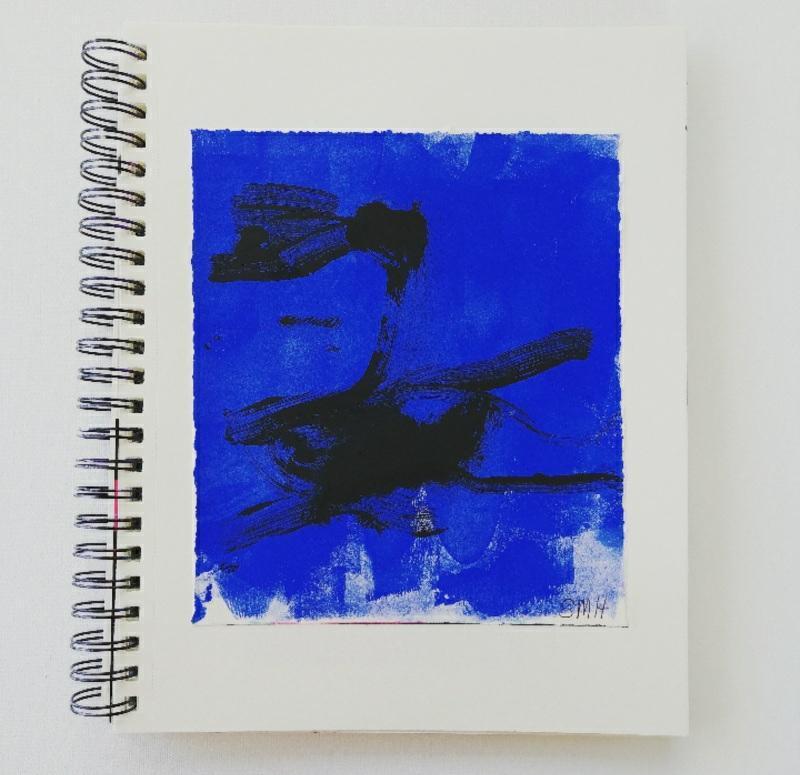
The sketch to the left is not finished. I’m constancy referring to my sketches and looking for new details-like movement, lines and shapes. They help give me a new start for my actual art pieces. They are my doodles for inspiration-if you will. This particular sketch is from different landscape paintings that I collage into one piece. My mixed media art gallery shows more of my work inspired from these sketches.
When creating abstract, I am among those who do not do it for the sake of creating art, but to explore the many avenues of expression and where it leads me. Art should tell a story and moreover, the artist’s emotions often show through their creations. What we see, hear, think, feel and touch is channeled through our craft.
Acrylic Painting on Paper: Reflection in the Water
More times than not, I tend to use influences of Impressionism in my art. There are those who look at abstract in a Geometrical form, like in the tradition of Cubists artists such as Picasso and Braque. They depend more on order and calculations. They are creating rhythmic shapes- like music. While I find all that rather intriguing, I’ve noticed my art doesn’t often sway that way. Though ti might one day. Never say never.
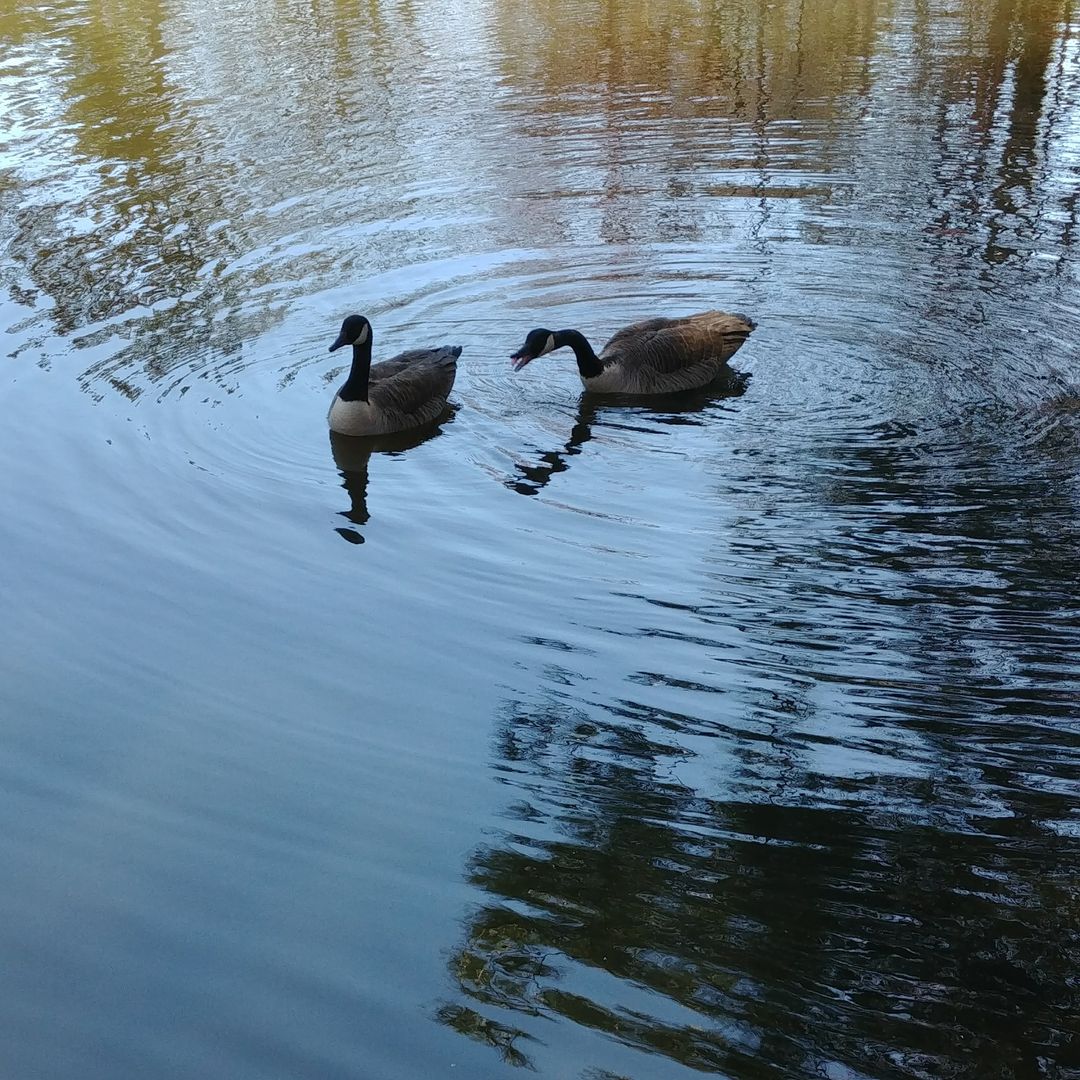
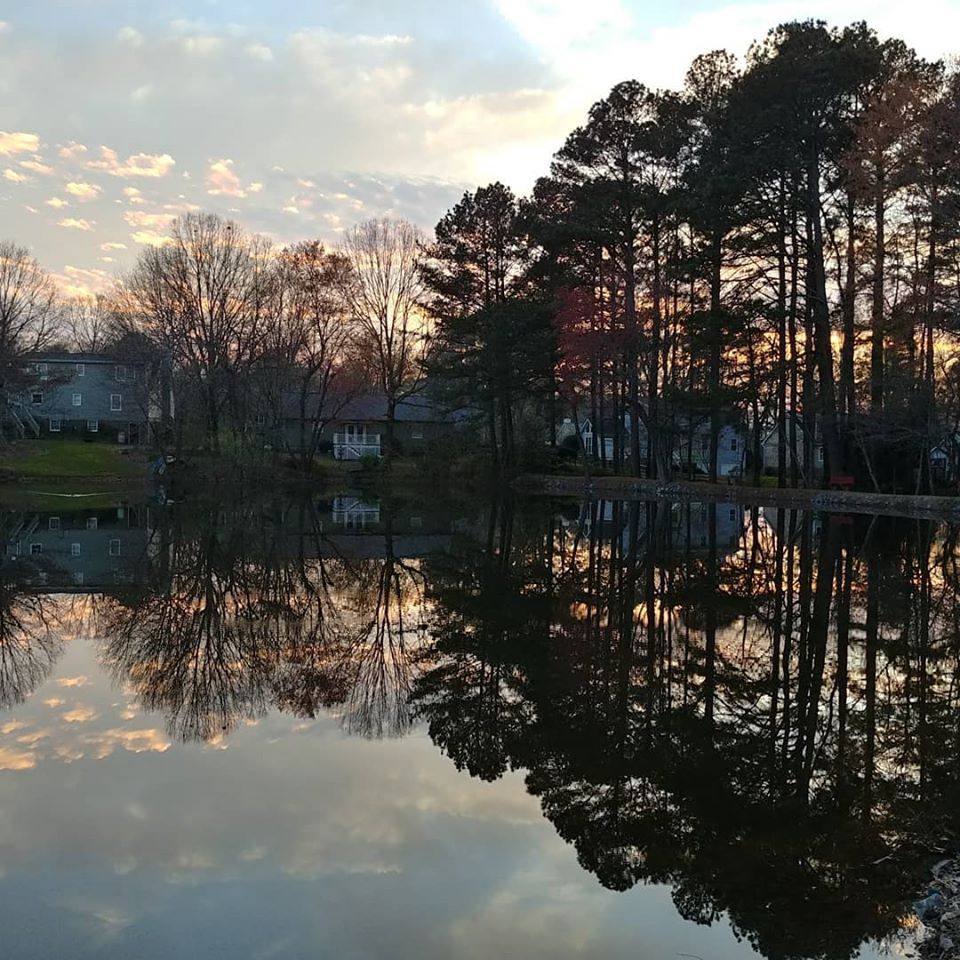
Lately, I have been exploring the movement of water, and how objects and nature glide or reflect on the surface. The pictures in my sketch book above and the photos below, show my interest in abstract and gives me inspiration to expand on those ideas.
Geese Water’s Edge/ReflectionReflection
There is an extraordinary amount of meaning to abstraction, to explore and discuss. If you are not familiar with this style of art or do not have in mind the purpose of the medium, I highly recommend studying for yourself. You will be surprised how this form of expression will open new doors for you. I hope you enjoyed this series and I want to encourage you to explore mixed media art and the value it will bring to your life. -Stephanie
Original Artwork by Stephanie Hopkins
(Images are subjected to copyright. All book reviews, interviews, guest posts, art work and promotions are originals. In order to use any text or pictures from Layered Pages, please ask for permission from Stephanie Hopkins.)
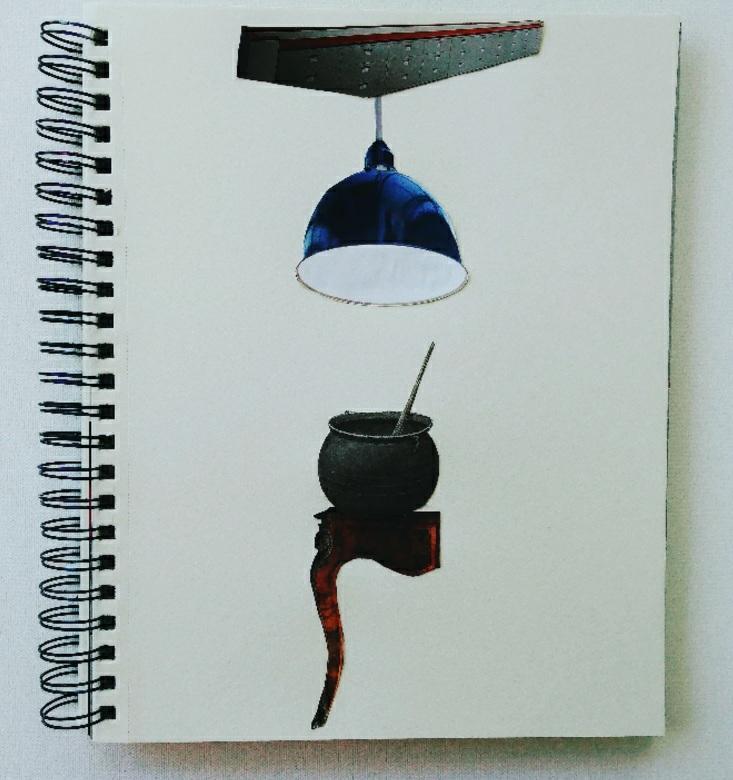
Yesterday, I didn’t spend whole lot of time on my art because I had some writing projects to complete. However, I did create this little collage in my sketch book and I’m quite pleased with how it turned out. I wanted my emphasis to be on the Juxtaposition that contrast, yet have a theme.
When I started looking through images, I hadn’t really decided on the actual images and I was looking through several different magazines. I had chosen other images previously but decided to swap out a couple of them to create this piece. This one really speaks to me and has given me inspiration to further explore the contrast and position of collage. Perhaps the next one will have more detail and depth. This style of collage is a great exercise and teaches you technique by using a variety of images in its simplest form.
I wake in a bed, with a stranger leaning over me. She asks my name and I realise I don’t know what it is. I don’t know who I am or why I’m here…
I’m grateful to the police who found me on the remote stretch of highway, covered in blood, with crimson flowers in my hair. To the doctors, too, who brought me back from the brink of death.
But I see the suspicion in their eyes.
They don’t believe me when I say I don’t remember who I am. They are unsure if I can be trusted.
Am I the innocent victim? Or guilty of a terrible crime?
No one has reported me missing or come looking for me. But today, a bouquet of blood-red roses has been delivered to my room.
Am I in danger? Or is someone trying to help me?
Searching for anything in this town that might seem familiar, I’m cornered by a woman with wild eyes who calls me I name I don’t know. She tells me my brother is in danger and only I can save him.
But how do I know if I can trust her, if I can’t even trust myself?
My thoughts:
Imagine being found on the side of the road with flowers in your hair, beaten badly and a few days later, you wake up with no memory of who you are. That is what happened to Sophie and it becomes apparent, rather quickly, that she is in danger. She starts to remember things from her childhood and she knows she has a brother named Miles and she has strong emotions about him. After the doctors and police give her permission to leave the hospital, she must find food and shelter. Sophie lands a job at an historic home, that is known to be haunted, as a landscaper. She develops a relationship of sorts with the overseer and his son. As the chapters continue, she slowly gains more memories and her continued thoughts of her brother become stronger. She is certain that she needs to find him and that he will resolve everything.
For someone who woke up with that kind-of trauma and not knowing you are, I thought Sophie would be a bit more disturbed and concerned about her well-being. She wasn’t and I found that to be strange for this type of story. The reader is shown glimpses of her apparent personality as the story unfolds but you’re still not sure who she really is and what she has gotten herself involved with.
I did like many of the aspects of the story but felt things weren’t fleshed out at a good pace throughout book and the whole “haunted house” part seemed contrived. Twist and turns in a thriller are important but sometimes those can take too many turns before you start to totally veer off in the wrong different. There were times, I began to wonder if that was happening. But then everything falls in your lap at the conclusion.
Despite those issues, I kept on reading because I needed to know what was going on and who she really was!
Stephanie Hopkins
I obtained a copy from the Publishers through NetGalley for an honest review.
How to make pretty journals made out of trash and leftovers.
Welcome to Layered Page and thank you to those who follow my blog. Today is part one of my mini junk journal series where you will discover ways to use recycled materials to make pretty journals without breaking the bank. It is possible to make pretty journals with junk!
I love taking things you would normally throw out and use them for my crafting projects. It is a fun, creative, rewarding and a cheap way to craft. Junk Journals are books made through found objects, and recycled materials. In this five part series, I will be showing various ways I use those materials in my mini journals.
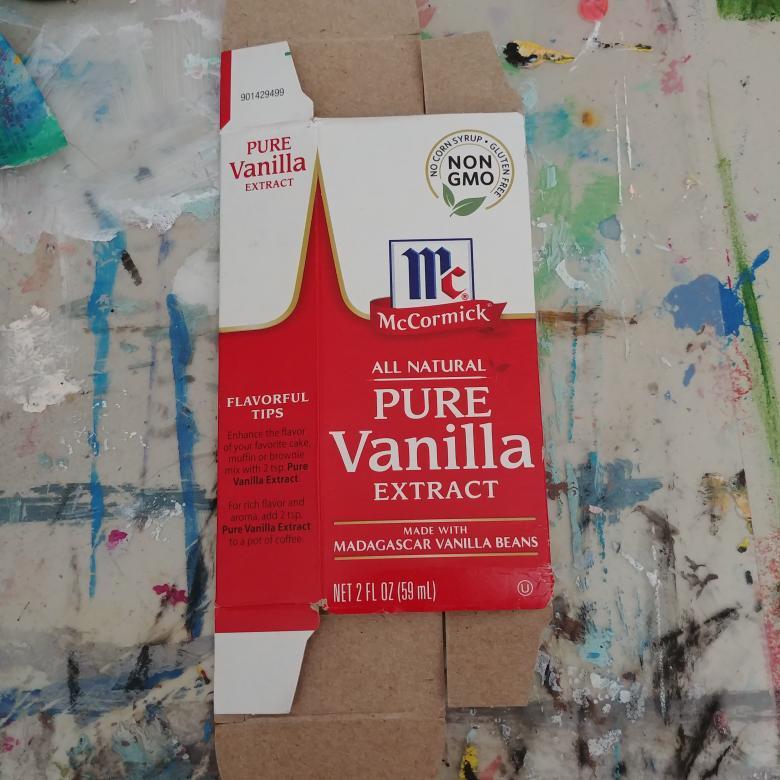
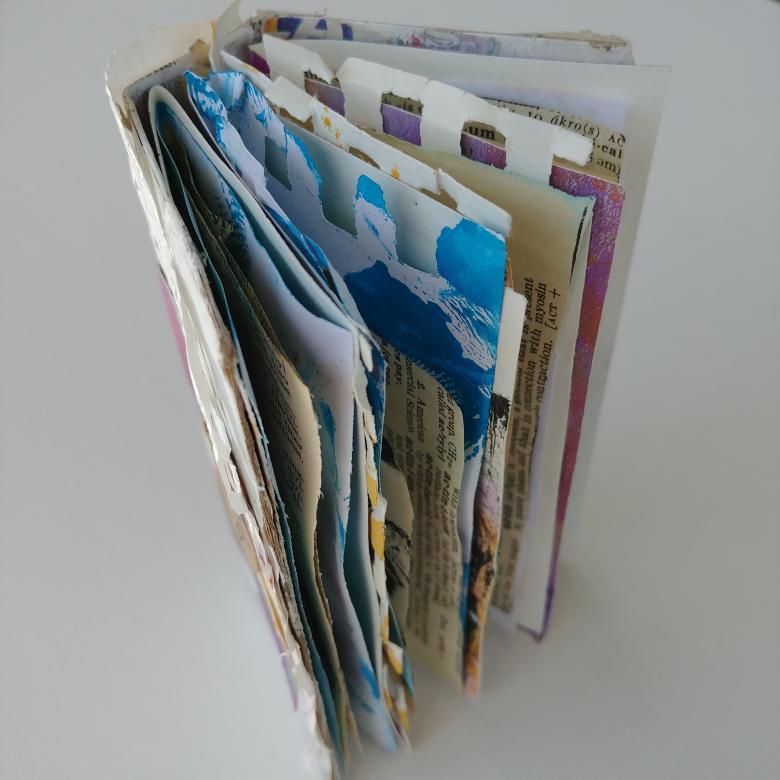
This past Easter we did a lot of baking and I had the opportunity to grab a Pure Vanilla Extract box to up-cycle. Hooray! In the slideshow below, you will see my process of making the journal. I used to newspaper from a packaged I received in the mail. I love when painting companies wrap the paints you order in newspaper or shipping package. Never throw those out. You can use them for all sorts of crafts and art making.
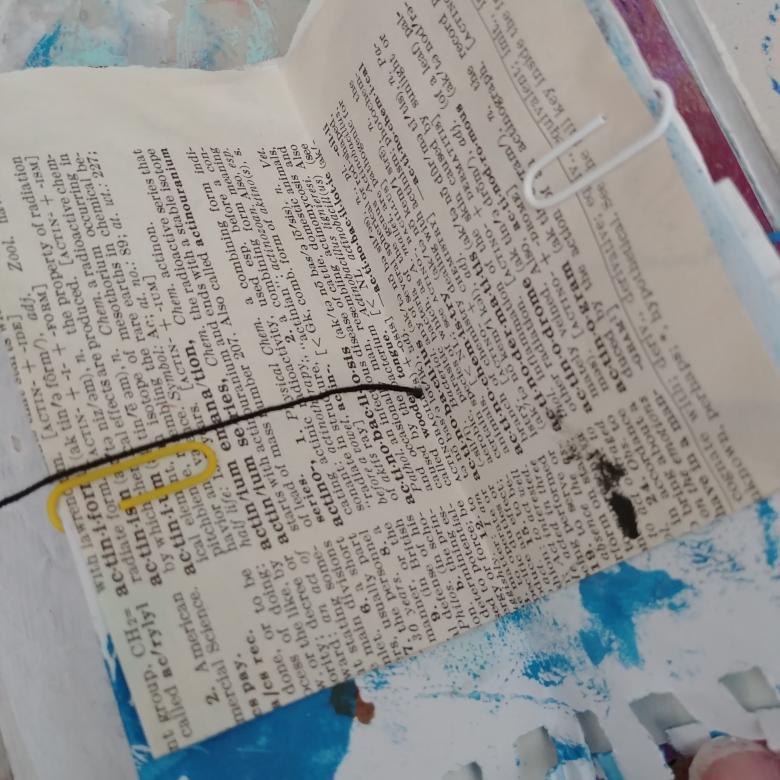
I cut the taps off and used cheap glue to add the newspaper to the outside and inside cover. Often times I use Dollar Tree glue for these projects. No need to use expensive art craft. Then I covered it with a thin layer of paint. You can use paint, white gesso, coffee to stain your cover, markers, crayons and etc…Or just use scrap paper collage. A create source for that is from your junk mail. Recycled fabric is another great material to use for covers. Do what feels right to you. Next, I grabbed some of my leftovers paints AKA painted papers and used that to start making my signatures.The paper with words on it, is from an outdated Webster Dictionary that was headed to the dumpster. Be sure to know the size of the journal to determine the size of your pages. I usually go a little smaller on the pages. Again, do what feels right to you. Some crafters like their pages to stick out. Mix it up and have fun with it. Once I have them organized in the order I want them in my journal, I’m ready to attach them to the spin. I used leftover black cotton thread this time. If you do not have a paper piercing kit, you can use a sharp sewing needle to poke the whole in the spin and to attach the pages.
When attaching the pages, I like to start in the inside middle (see pictures). Don’t feel stressed if you don’t get it perfect. It is a junk journal after all. I like mine to look a bit sloppy. Gives it the homemade look it is suppose to have. The more you practice the better you will get at this step. One the signatures secured, I cover the outside spin with recycled paper or fabric. Then I finish decorating my cover. For ephemera AKA embellishments, I use my leftover scraps/chipboard from this project. The chipboard are the tabs I cut off from the Pure Vanilla Extract box.
This project took me just under an hour to complete. If you are looking for more crafting ideas for your kids, this is it. Please supervise the project due to using scissors and a needle. Another great idea for signatures is to use your children’s school pages or drawings. As a parent, I know those things pile up fast and often times we feel we have no choice to let go of some of them.Why not use bits of them for your journals?
I hope you enjoyed this first part of my new series and if you have any questions about my process, please do not hesitate to ask below in the comment area.
While I have been creating a lot of art this past week, I have had a lot on my mind. Okay, who are we kidding here. I always have a lot on my mind! As I have been crafting, I’ve been thinking about the younger generations and how much hopelessness, pain and anger there is out in the world. And what the younger generations are witnessing and experiencing through these trouble times. Like everyone else, I’ve also witnessed the good, the bad and ugly of technology and main-stream media. I’m not going to mince words here, as a society, we are going in the wrong direction in more ways than one. We have been for a while now. That said, take heart. there is a lot of good in this world.
This year I will be in my mid-forties (yikes) and I have seen a lot, heard a lot, experienced a lot, learned a lot and-heck-still have a lot to learn. No one is perfect. No one is blameless. No one knows everything but what we do with what we’ve learned makes all the difference in the world.
If someone were to ask me what advice I would give to people in the age of technology, propaganda and the cancel culture, my words might surprise them..
I read, write, study and create art every chance I get. Through those mediums alone, I’ve come to understand adversity, life circumstances and etc. This is not even mentioning my own life experiences but I don’t need to go into all that to share my advice to the younger generations.
Ask yourself, what is your purpose? What should it be? How can YOU make it happen? What would others say and would you heed their approval? Do you really need approval from complete strangers (like on-line) or from people that barely know you and who don’t encourage or lift you up? Are you just another sheep among the herd? Are you trapped in a soulless, never-ending cycle of anger, blaming, hopelessness, shouting to the masses, or to anyone, endlessly about things-in truth-you’re not really certain about? Like what you see and hear from the news media, strangers on social media, government, the education system, or your circle of friends you hang with. Or even the neighbor next door. All the while, deep down you’re asking yourself, “Where is this getting me?” Nowhere.
Never be a victim of mindset or traumatized by cultural differences. Don’t cancel history, diverse opinions, beliefs, or encourage lawlessness because you don’t like something or have been told you should cancel them. Stop being offended. Educate yourself every single day, read a lot, have meaningful conversations, don’t talk at people but with people and learn how to think objectively AKA be of open mind. That is when you bring honest and real conversation to the table of productivity and healing. The continual silencing, shouting, slandering, negative drama, disorder and lawlessness leads to disregard for society as a whole, a break down in moral conduct and from sustaining a civil life.
Surround yourself with positive people and be a person of faith. Be of strong mind and, my goodness, sheep not and herd not. Be an individual in life decisions, stop seeking others for validation because you ARE a person with a mind. Use it. If you need advice, or are uncertain about the path you’re considering or have chosen, seek God first then those people whose advice is worth receiving.
Resist propaganda and the echo chamber. It is everywhere and right smack front and center in your sphere. Don’t believe everything you see on social media or the news. Think first-don’t assume something is real- before reacting. Get off your phone, Facebook, main-stream media and Netflix. If you’re on your smartphone, watching shows or on social media longer than you sleep, at school or work in a day, you’re on it way too much! It is slowing down your brain power, attention span and your critical thinking is fading away…You’re becoming an indoctrinated zombie. Who wants to live like that? I know I don’t. It isn’t even living for Pete sake. I know you know what I’m talking about.
Stop looking for a hand-out, pick yourself up and leave idleness behind. Work hard. Never stop learning. Never give up. Be creative. Try something new and often. Be a doer with the right tools. Be evolving. Be kind and generous. Be a good listener. Be a good friend. Even if you don’t agree with a person’s opinion, defend their right to say it. Stop expecting people to make you happy. Serve God and others. Live intentionally with purpose in this life. There will always be bumps in the road, but you can do it because you matter.
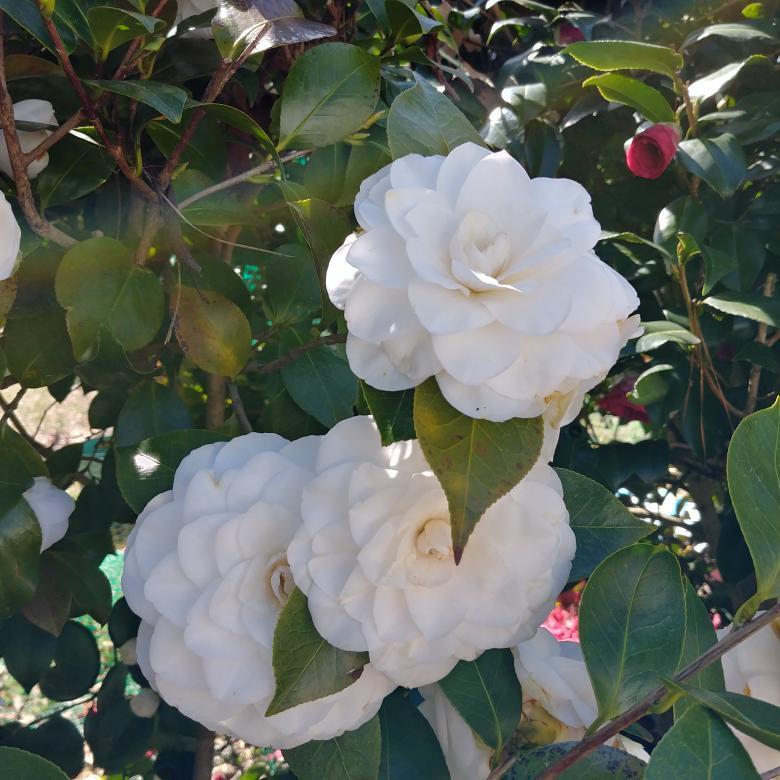
Spring won’t let me stay in this house any longer! I must get out and breathe the air deeply again. – Gustav Mahler
I love the colors and new blooms that spring brings and how they present new beginnings. I’m blessed to live in a beautiful neighborhood that has walking trails. There are so many beautiful sceneries and it’s wonderful to see so many people enjoy the neighborhood as well. You often see people walking their dogs, kids riding their bikes, fishing at the pond, feeding the ducks and families walking together. Looking forward to the weather warming up even more to get outdoors more often. -Stephanie Hopkins
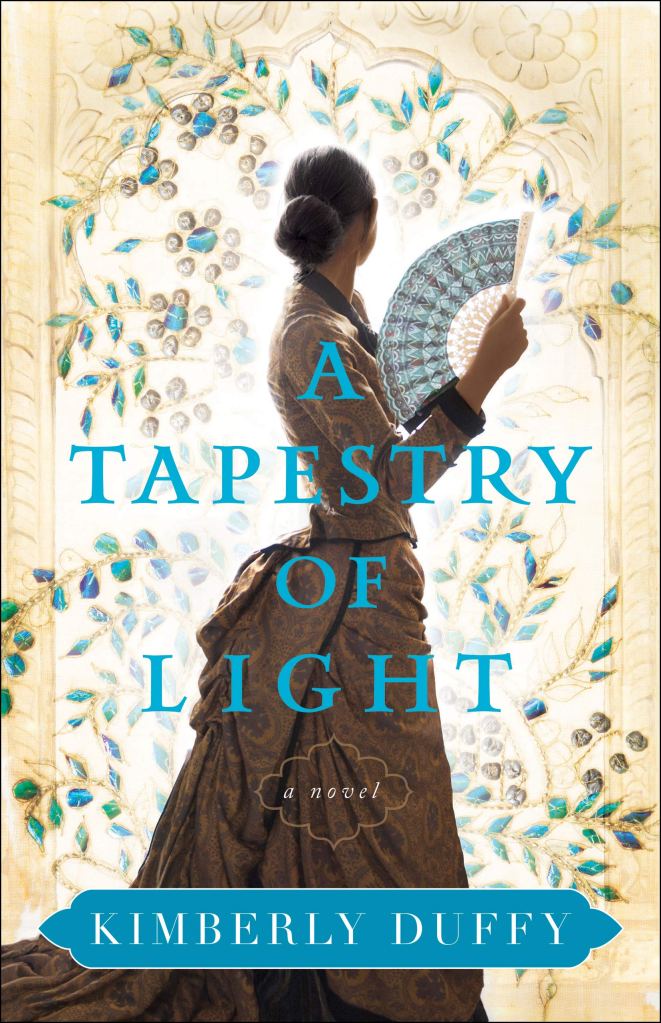
Published March 16th 2021 by Bethany House Publishers
About the cover: I love everything about this cover. Okay, maybe expect for you can’t see the woman’s face. Anyhow, this cover alone makes me want to read this book. The background, the fan, and the dress…swoon.
About the book: I wanted to read this book before I even read the book description! That said, the premise sounds wonderful! Check it out. -Stephanie Hopkins
Calcutta, 1886.
Ottilie Russell is adrift between two cultures, British and Indian, belonging to both and neither. In order to support her little brother, Thaddeus, and her grandmother, she relies upon her skills in beetle-wing embroidery that have been passed down to her through generations of Indian women.
When a stranger appears with the news that Thaddeus is now Baron Sunderson and must travel to England to take his place as a nobleman, Ottilie is shattered by the secrets that come to light. Despite her growing friendship with Everett Scott, friend to Ottilie’s English grandmother and aunt, she refuses to give up her brother. Then tragedy strikes, and she is forced to make a decision that will take Thaddeus far from death and herself far from home.
But betrayal and loss lurk in England, too, and soon Ottilie must fight to ensure Thaddeus doesn’t forget who he is, as well as find a way to stitch a place for herself in this foreign land.