“What a strange thing!
to be alive
beneath cherry blossoms.”
― Kobayashi Issa

“What a strange thing!
to be alive
beneath cherry blossoms.”
― Kobayashi Issa
No thief, however skillful, can rob one of knowledge, and that is why knowledge is the best and safest treasure to acquire. ― L. Frank Baum
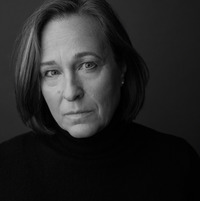
What a pleasure it is to be chatting with Author W.S. Winslow about her new book, The Northern Reach. Winslow is a ninth generation Mainer, descended from both Pilgrims and Puritans with odd French fur trapper thrown in, a blood and guts background if there ever there was one.
Though she was born and brought up in Maine, she spent her adult life mostly in New York, where her husband and her raised their daughters. They also lived in San Francisco for five years before returning to Maine in 2019 to settle in a small town Downeast, where it is very, very quiet.
Winslow’s MFA is from NYU, and she also has an undergraduate and graduate degrees in French from the University of Maine. The Northern Reach is her first novel.
Thank you for talking with me today about your book, W.S. Please tell me a little bit about how you came to write about these characters and the time period you chose. What is the most surprising thing you discovered while writing your story?
Thanks so much for having me!
I came to these characters from an interest in the intersection of people with place and culture, especially as these things have existed, evolved and still persist in my home state of Maine. This project was partly sparked by genealogical research – my family’s origins go back to the earliest settlers in both Plymouth and Salem. When I got into the historical records, I was struck by the unmistakable similarities between my ancestors who lived 350 years ago and some of my family members today. I was also intrigued by the cultural legacy of Puritanism in a remote and demanding place like Maine.
The book has its origins in stories about my own family and the families of my friends who are from here. I’ve been lucky to know many great raconteurs over the years, and I wanted to share those stories, or fictionalized versions of them anyway. I also wanted to write about this place over a long sweep of time, from the dawn of the 20th Century to the beginning of the 21st, but I didn’t want to write a historical novel per se. What I was interested in was telling the story of a place and its people in episodes, in much the same way a patchwork quilt is stitched together.
This is my first book, so I started with no expectations. What surprised me was the way that characters would just suddenly say or do something, completely unbidden and with no warning. I think it was because at a certain point these fictional people became so real in my mind that they set up housekeeping there and just kind of got on with their lives. Even though I’d heard authors talk about that I never expected to experience it.
You certainly have quite the cast of characters! With each of their circumstances, it must have been rather dark at times to write. Is there anything in particular that helped you set the characters’ tone?
There is darkness in the book, to be sure. Maine is isolated and cold, with a short summer and a long, dark winter. It’s always been a hard place to live and consistently ranks among the poorest states in the union. Weirdly, we also have an unusually large number of wealthy people, mostly in summer, which creates a wide gulf between the haves and the have nots. This is the reality, and it’s rough for a lot of people. Looking away doesn’t help, so I leaned in.
That said, I wanted to find the humor in these stories, because Mainers can be really funny in a dry, dark way. There’s a tendency to dismiss the painful and the difficult with humor. It’s a reflexive thing, a way of keeping darkness and pain at arm’s length. Sometimes it works.
As for the book’s tone, language is everything for me. I love accents and foreign languages, but what really tickles me is the way Maine people speak, the intonation, the rhythm, the words, the austerity and understatement. I tried to work as much of that into the text as I could, mostly because writing dialogue is one of my favorite things to do. Tonally, the setting was also important, both as a character and as a place, and I hope people see the Maine I know – the cold bay, the low gray sky, the rolling blueberry fields and round topped mountains – in summer and winter.
Can you share a snippet that isn’t in the blurb or excerpt?
“Planting Tiger” comes in the middle of the book. It’s a sort of palate cleanser in that it’s lighter than the other stories, even in its treatment of grief and death. That was my favorite episode to write, because it includes one of the rare first-person narratives in the book, a “talky” passage from Earlene Baines:
I knew we were in for it when Jessie Martin showed up at Tiger’s funeral. It had been at least ten years since I laid eyes on her, but I could see she was still rougher than the back of a ditch. I can’t say I was shocked when she walked into the church, but I never expected to see her at my house. When Jessie came limping up the driveway, with her go-go boots and that mop of red hair, and introduced herself to Tino, the look on his face was priceless. I was watching from the kitchen window. Mill told me not to interfere and I didn’t, not until Vicky started hollering. She’s half Moody after all, and I never met one who didn’t like a good fight once in a while.
How long have you been writing and what advice would you give to writers who want to write a family saga?
I’m a late bloomer in that I didn’t start writing creatively until my fifties, and I’ll be a few months shy of 60 when The Northern Reach is released. So, my first piece of advice is to just do it, no matter how old you are or how many jobs you’ve had. It’s all experience, and experience fuels imagination.
Even though I started writing relatively late in life, I have always held stories in my head, and I’ve always been a reader. What I’ve found recently is the more I learn about writing, the choosier I become as a reader. Opening a book is something of a busman’s holiday, and I get a great deal out of well written books – because they’re fun to read but also because they’re instructive at the same time.
Anyone who wants to write a family saga would be well advised to start by reading some, and with the most critical eye they can manage. For episodic narratives, Sherwood Anderson’s Winesburg Ohio and Love Medicine by Louise Erdrich are good places to start. For more traditional narratives, I like Pachinko by Min Jin Lee, The Namesake by Jhumpa Lahiri, or Marilynne Robinson’s Gilead books – so many to choose from.
Where can readers buy your book?
It’s available from major booksellers like Bookshop.org, Barnes & Noble and Amazon , as well as your favorite local bookstore. My favorite indie is Print in Portland, Maine at Print A Bookstore.
More Links:
W.S. Winslow’s Website/ Twitter @WSWinslow / W.S. Winslow goodreads page
About the Book:
Published March 2nd 2021 by Flatiron Books
A heart-wrenching first novel about the power of place and family ties, the weight of the stories we choose to tell, and the burden of those we hide
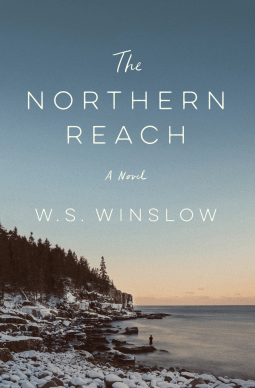
Frozen in grief after the loss of her son at sea, Edith Baines stares across the water at a schooner, under full sail yet motionless in the winter wind and surging tide of the Northern Reach. Edith seems to be hallucinating. Or is she? Edith’s boat-watch opens The Northern Reach, set in the coastal town of Wellbridge, Maine, where townspeople squeeze a living from the perilous bay or scrape by on the largesse of the summer folk and whatever they can cobble together, salvage, or grab.
At the center of town life is the Baines family, land-rich, cash-poor descendants of town founders, along with the ne’er-do-well Moody clan, the Martins of Skunk Pond, and the dirt farming, bootlegging Edgecombs. Over the course of the twentieth century, the families intersect, interact, and intermarry, grappling with secrets and prejudices that span generations, opening new wounds and reckoning with old ghosts.
W. S. Winslow’s The Northern Reach is a breathtaking debut about the complexity of family, the cultural legacy of place, and the people and experiences that shape us.
Published March 2nd 2021 by Flatiron Books
A heart-wrenching first novel about the power of place and family ties, the weight of the stories we choose to tell, and the burden of those we hide.
Frozen in grief after the loss of her son at sea, Edith Baines stares across the water at a schooner, under full sail yet motionless in the winter wind and surging tide of the Northern Reach. Edith seems to be hallucinating. Or is she? Edith’s boat-watch opens The Northern Reach, set in the coastal town of Wellbridge, Maine, where townspeople squeeze a living from the perilous bay or scrape by on the largesse of the summer folk and whatever they can cobble together, salvage, or grab.
At the center of town life is the Baines family, land-rich, cash-poor descendants of town founders, along with the ne’er-do-well Moody clan, the Martins of Skunk Pond, and the dirt farming, bootlegging Edgecombs. Over the course of the twentieth century, the families intersect, interact, and intermarry, grappling with secrets and prejudices that span generations, opening new wounds and reckoning with old ghosts.
My Thoughts:
First impressions are not always correct. In the beginning, I must confess the writing style and story structure threw me for a loop. When I started to feel something for a character or the family dynamic, the story moves on to the next and at times I became frustrated. Yes, I was having a rough go of it all. It was time to take a step back and reevaluate the story and purpose of the presentation and I’m glad I did.
One must remember that when reading about generational families or interconnected families-if you will, there will be multi-faceted plots. You will be taken deeply into a historical time-lines. There will be strong elements that can sway you from happy moments to darker times. In short, they evolve. Family bonds are complicated to say the least and the author marvelously portrays this fact. We might not like the characters or we will feel we are not getting enough from them but that is okay. The Northern Reach is an evocative story and will push boundaries you might not have expected to cross.
I did enjoy a quite few of the story-lines and the setting and I was intrigued with the character’s life story and I wanted to read more about them. Will we be reading more about these interesting people? I would like to very much! As the story continued, I began to have a better understanding of the set-up-if you will. There is strong character development and the setting gives you a stark, realistic view of the state of Maine and its’ towns. There is a particular social element in the story that is still considered a hot topic in today’s climate that I would really like to pick the authors brain about!
The author superbly portrays how people can make assumptions about other people and even more so in families. The Northern Reach is not a story of virtuous people, but they are down to the bone’s realistic of human nature and thought. In particular the attitudes of the Baines family and the people who marry into that family. At first, I found Edith Baines to be an intriguing woman, I soon discovered her to be just as flawed-if not more- like the rest of them. She was hardened by her life experiences and loss. Her attitude-I felt-towards her daughter-in-law Lilane was unjust. The women who made the most impression on me were Imelda, Alice, Liliane and Suzanne. I would like to read more about them.
An intriguing story wrought in hardships, cultural differences, family dysfunction, legacy and loss.
Stephanie Hopkins
I obtained a copy of this book through the publishers for an honest review.
Interview with W.S. Winslow coming up Friday, March 5th here a Layered Pages!

This month, I re-visited a book called, That Summer by Lauren Willig and quite a few memories of reading her story beforehand and previously studying the Pre-Raphaelite Brotherhood came flooding back. Then it hit me, Rossetti’s Proserpine painting (1874) is among my favorites! I quickly did an on-line search and found the picture with some information. What is extraordinary is that, before the second sleep recommended via email that I might consider featuring a painting from the Pre-Raphaelites, the very weekend I read Willig’s book. Isn’t it funny how things work out sometimes?
Victorians are known for their dramatic romantic notions, take on mortality and among other things…For instance, death was on their mind quite often to say the least. How they died and the afterlife was extremely important to them. Rightly so during the 19th century both in England and America.
Dante Gabriel Rossetti often created his art based on his own experiences in life and love. In this painting, Proserpina is the queen of the underworld and the wife of Pluto. She was abducted by Pluto and her mother Ceres cast a famine on earth until her daughter was returned. The fruit Proserpina holds represents death. Anyone who ate it had to stay in the underworld for the rest of their life. Imagine that! As the story goes, Pluto made an agreement to release Proserpine back to her mother once a year.
Rossetti founded the Pre-Raphaelite Brotherhood in 1848 along with William Holman Hunt and John Everett Millais. A group of English painters, poets and art critics who showed extraordinary talent. They formed the Brotherhood that was inspired by a rejection of the essence of art that the Royal Academy, London was promoting at the time.The members included William Holman Hunt, John Everett Millais, Dante Gabriel Rossetti, William Michael Rossetti, James Collinson, Frederic George Stephens and Thomas Woolner. Am I leaving anyone out?
They are widely known for turning back to lavish detail (such as using props), vibrant color and complex compositions. What really stands out to me are the themes and characters drawn from of literature in history, folklore and Greek mythology. You will also find these artists believed a return to nature was paramount.
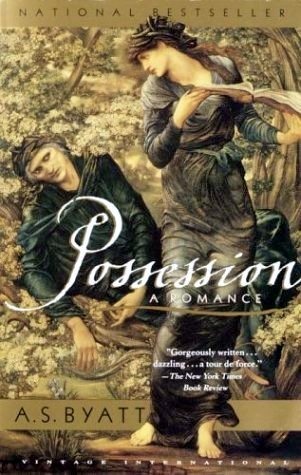
Many renown authors such as Dante, Spenser, Shakespeare, Keats and Scott inspired their art. To this day these artist’s paintings are still well-known. Many of you will be familiar with Edward Burne-Jones-The Beguiling of Merlin-which is on the book cover of Possession by A.S. Byatt. The story happens to have set in a dual time-line of 19th and 20th Century. “A novel of wit and romance, at once an intellectual mystery and triumphant love story. It is the tale of a pair of young scholars researching the lives of two Victorian poets. As they uncover their letters, journals, and poems, and track their movements from London to Yorkshire—from spiritualist séances to the fairy-haunted far west of Brittany—what emerges is an extraordinary counterpoint of passions and ideas.” There was also a movie made in 2002 based on this book starring Gwyneth Paltrow, Aaron Eckhart, Jeremy Northam, Jennifer Anne Ehl, Game of Thrones Lena Headey and other notable actors. There is a particular scene where Jennifer Anne Ehl (Christabel Lamotte) is modeling for Lena Headey’s (Blanche Glover) painting and she is in a medieval custom. Very Pre-Raphaelite feel. I highly recommend both book and movie.
One can seriously go down a rabbit hole exploring Classic Literature and Art History. I haven’t even begun to scratch the surface!
See also beforethesecondsleep’s Image of the Month: Edward, the Black Prince
Stephanie Hopkins
The sources come from Wikipedia, Wikimedia (Image: Proserpine painting) the free encyclopedia and my own independent studies. The description of Possession by A.S. Byatt is from goodreads.
Be sure to take a look at January’s Image of the Month: By the Water’s Edge. I include half of a poem I have written.
A few days ago, I was chatting with my good friend Lisl on the phone and she was talking about creating a blog post of her favorite things. Hello! Stop the presses! What fun! May I join? She is brilliant and our ideas turn into great conversations. Once we utter our silly and often times crazy greetings, before we know it, hours have gone by and we have gone down many rabbit holes. No joke. At some point, we usually start putting our heads together to come up with new blog topics and series. This blog topic, of favorite things, we decided on a few entertaining questions to answer.
After going through and answering these questions, I thought to myself that I would like to dig deeper into this topic. Or do I? It could be a scary place to venture. Kidding! Though I’m still pondering that it could possibly get really complex.
In Lisl’s post, she mentioned, about these things related to the lock-down many are experiencing globally and trying to find our happy place. Or how we can get to know each other more as individuals. I’ve heard many people around the world talk about how they found themselves through these troubling times and they’ve learned they have interests and talents; they otherwise would have probably never realized.
Be forewarned, some of my favorite things are subject to change at a moments notice. I have a tendency, on occasion, to be indecisive. Or is is because I love so many things? Let’s get into this, shall we?
Favorite lunchbox snack? Sugar, of course!
The chocolate variety. Possibly with peanut butter added to the mix. I don’t think I could survive without chocolate.
Favorite game to play outside? Bocce Ball
Love playing this game outdoors with family and friends! It has been far too long since the last time. It is one outdoor game I’m actually good at.
Fun fact: Did you know that Bocce’s origins date back to 5000 BC?
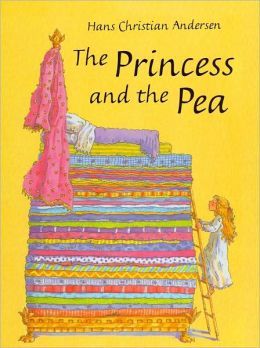
Favorite fairy tale: The Princess and the Pea
Don’t ask me why?
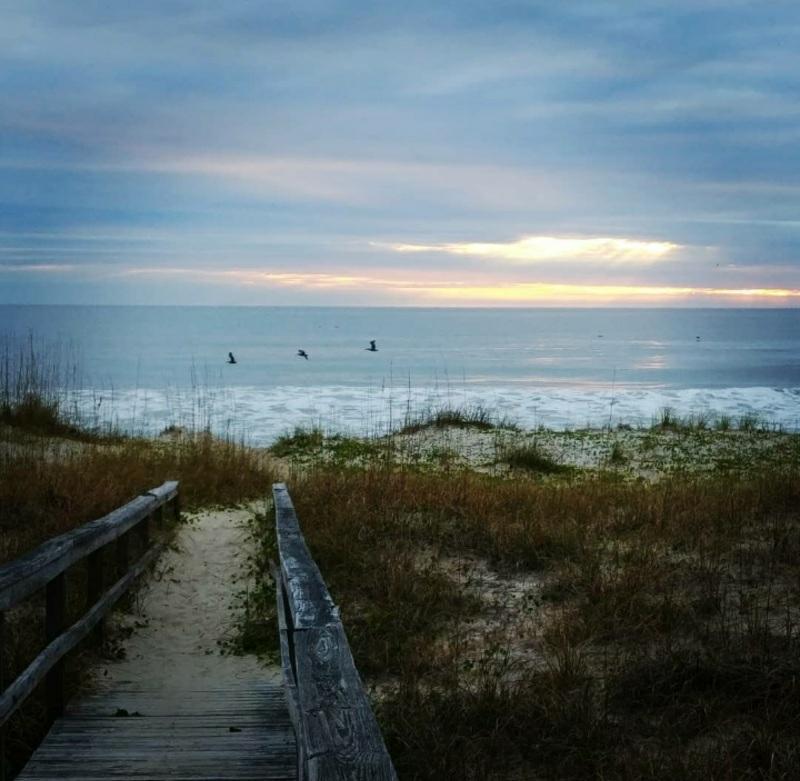
Favorite childhood memory? There are so many but going to the beach often was the best. Immensely grateful for growing up near the ocean. I’m always longing for the beach and try to go as much as possible.
Favorite nursery rhyme? Row, Row, Row Your Boat
Probably because it involves a boat and water.
Favorite bird: Chickadee
They’re so cute and tiny!
Favorite color(s) rose? Red or White
I’m a hopeless romantic. Swoon.
Some of you history lovers may be thinking of the Tudor rose. I dare say, I could be as well.
Favorite sea creature? Does Starfish count?
They are referred to as sea stars. How cool is that!?
Favorite thing about a rainy day? Listening to the sound of rain against the windows and rooftop. There is something calming about the sound of rain fall. Great time for reflection or to gather your pillows and comfy blankets to curl of with a book(s).
Often times when I’m writing or reading, I will listen to a rain app if it’s not raining outside.
Favorite dinosaur? Velociraptor
I know, that sounds vicious and dark. But I have a perfectly good reason why they are my favorite. Honest. Might write about it in another blog post.

Favorite fictional place you’d want to visit?
Middle Earth in Lord of the Rings.
Oh, for so many reasons. Narnia comes in second or sometimes first.
Favorite road to drive on?
There are so many wonderful roads in my State. Choose one?
Goodness, that is simply impossible. I would have to say the back roads to Dahlonega from the Ball Ground area are a treasure. This is ridiculous because I really can’t choose a particular road in North Georgia. Also, the roads in the Blue Ridge Mountains are spectacular. One doesn’t mind getting lost driving along those back roads. Watch out for Dear and other wild animals, such as, Squirrels! I swear, they seem to have a death wish.
Favorite things about America? Life, liberty and the pursuit of happiness.
Freedom of expression, individualism, opportunity, diverse cultures and freedom to live by your faith in God.
Favorite 80’s song? Oh, heavens. There are a lot of 80’s favorites! I have to choose just one? What is the fun in that?
U2: With or Without You
Or Free Fallin by Tom Petty. Hmm…Okay, lets go with, With or Without You. Sigh. Not a fair question at all.
Favorite music genre(s)? I have several favorite music genres, depending on my mood. For everyday purposes: Classical music and 90’s Alternative.
Favorite American Classic movie? Picking just one classic movie is like asking someone to pick just one favorite book or one favorite song. Impossible!
All About Eve, comes to mind. I never get tired of watching that one. It’s brilliant and the cast of characters…swoon. The film came out in 1950 and, and, and Betty Davis and Anna Baxter co-stars in it! Love!
BUT, if I had to choose a favorite film period, it would be the 1940’s. Oh, for so many reasons. I think this causes for a blog post about the film industry in the 1940’s. Yes, I think I will.
Favorite Leonardo DiCaprio movie? How can I even…
If I had to choose the best acting, he performed in a movie, it would have to be, Shutter Island. I think. I’m torn. Because of his acting in, What’s Eating Gilbert Grape? and a couple of others. Hmm…
Perhaps, many of you will disagree with me on this one. I would probably would disagree with myself too.
Favorite Harry Potter movie? Harry Potter and the Chamber of Secrets (set in 1992-93)
Favorite celebrity? Ryan Reynolds Swoon. Fanning myself over here. I know you must be thinking, really Stephanie? I can’t help it. .
Favorite craft?

I’m a mixed media artist and I appreciate the essence of crafting as a whole. My Main go-to craft is collage because of its form and I use it quite often in my journals and ephemera making. I’m also an abstract painter and my current focus is creating new paintings and exploring different techniques. Truly, I can’t answer this question by naming one form of craft. Surely many will understand this.
Favorite thing to cook?
Breakfast
Favorite comfort food?
Most foods that are related to pie or stews.
Favorite Asian dish?
Crispy Honey Chicken with Fried Rice though I try real hard to stick to a plant based diet. Alas, I’m failing miserably right now. Though I’m totally blameless, of course.
Favorite ice cream flavor? Rocky Road
Favorite season? Autumn
Favorite holiday? Christmas
Foreign country: Scotland. I’ve never been and one day I will journey there. Might blog about this more.
Favorite TV show: Currently, Miss Scarlet and the Duke. Oh, and Sanditon.
Period shows and movies are my favorite.
I will say I long for more period shows that takes place in America. That I can tolerate and not cringe at every inaccuracy. Don’t think me a snob. I’m a history enthusiast, particular and I can not abide certain liberties concerning real-life events, social norms, objects not of the period, manner of dress and people. History is interesting enough without it being distorted. Though do not mistaken that I’m not aware when it comes to historical, there are allowances for artistic license-if you will. There are so many ways to look at this topic. Maybe we shall another time.
Instrument: Always, Classical Piano. I keep having this strange feeling I might have said something else once?
One of my favorites played on the piano, “Moonlight Sonata” by Beethoven.
Bach/Gonoud – Ave Maria is another great one! Okay, there are a lot of classical favorites played on the piano.
Have you listened to, Chopin – Preludes, Op. 28: No. 15 “Raindrop”? A must!
Swoon.
I seem to be doing a lot of swooning lately. Have you noticed?
Way to Relax: Reading, crafting, sewing and long walks in the woods.
This was so much fun! What are your favorite things? -Stephanie Hopkins
Be sure to check out Lisl’s Favorite Things at before the second sleep!
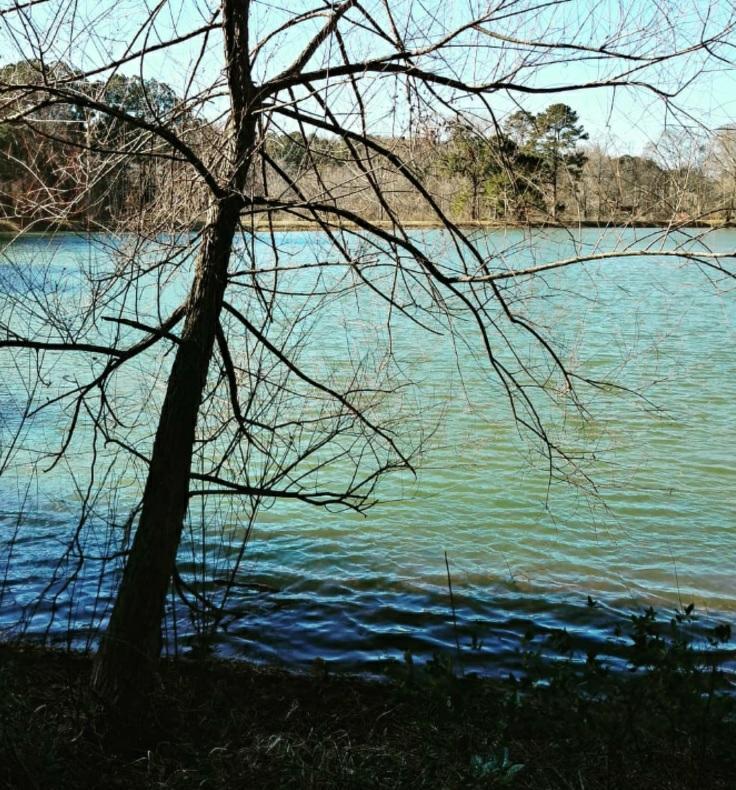
The Lonely Stark Tree
The lonely stark tree impelled its roots deep into the soil by the water’s edge
Its branches stretch towards the greenish-blue water beckoning for a taste of its sweet sparkling mineral
Longing for spring’s rebirth, the lonely stark tree’s dormancy endures the southern winter season with strong viability
Though frail looking, the lonely stark tree bends and sways with the wind in song of seasons to come
Hold tight, be strong, your time to shine draws near
by Stephanie Hopkins
See also Lisl’s Image of the Month ~I’m Just Gonna Leave This Right Here
Copy Right 2021
The partial poems I share at Layered Pages are date stamped and part of a collection of poems that are being compiled into publish works.
Copy Right 2021
Images and poems are subjected to copyright.
In order to use any images or any written content on Layered Pages platform, you must seek permission from Stephanie Hopkins
C
This year’s reading started off with a bang! I got through ten books and that is a current record for me. It has been a long time since I’ve read that many in a month. This is encouraging since my goal is to read 100 books this year. Who knows? I might surpass that goal. My original goal was to read a book a week but I knew I could read more than that with the great selection of books that are coming out and what novels I have on my shelf at home.
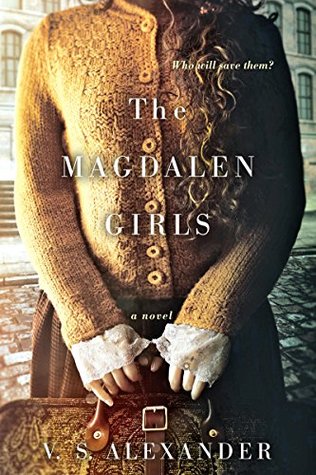

I am also making a point to read books that I would normally not pick up. Two of the books are young adults’ books. I must confess, I didn’t enjoy them as much as I thought I would. The story-telling just wasn’t to my taste and I struggled to stay focused. Having said that, I’m not giving up the genre. My daughter has a few on her shelf that I want to give a go at.

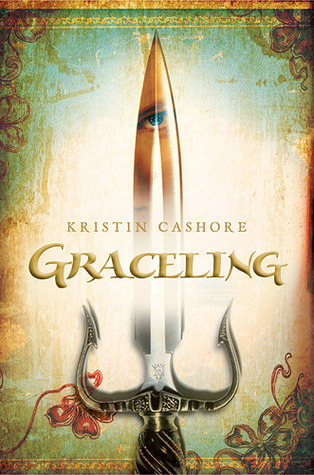
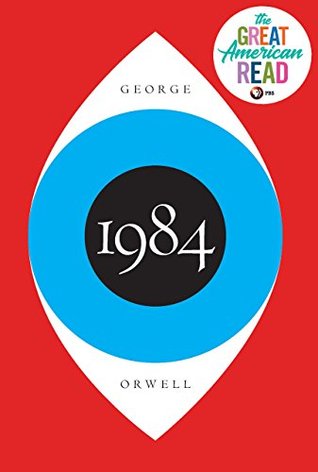
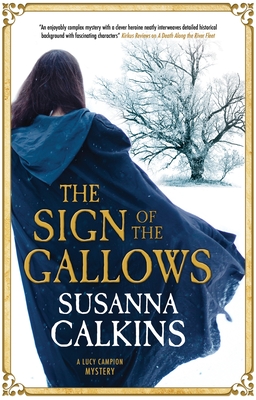
Today I’m sharing the books I read this month. Two of them where audio books I listened to through YouTube. Three of the books I’ve read before and I’ve read them more than four times! There will be four books reviews in total. My review for, The Garden of Spite and The Signs of the Gallows will be posted next week.

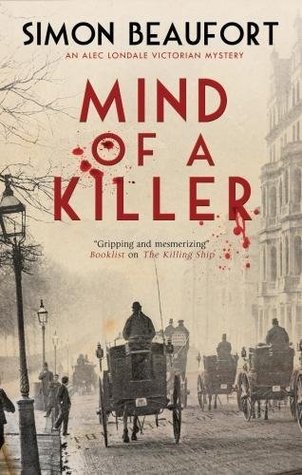
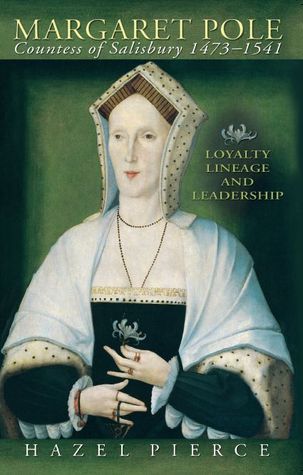

Last but not least, Robert Frost’s Selected Poems, which I adore. If you want to practice writing poetry, read Frost and other poets. Reading Poetry teaches language, ideas and meaning. Writing poetry allows us to explore the world that reaches beyond the limitations of our senses. There is a whole other world out there that poetry gives us. One can say that about reading it as well. The subject of poetry is an endless delight of wonders. -Stephanie Hopkins
Images may be subjected to copyright. In order to use art images or any content on Layered Pages platform, please ask permission from Stephanie Hopkins
Coming up tomorrow at Layered Pages: Image of the Month and Poetry!
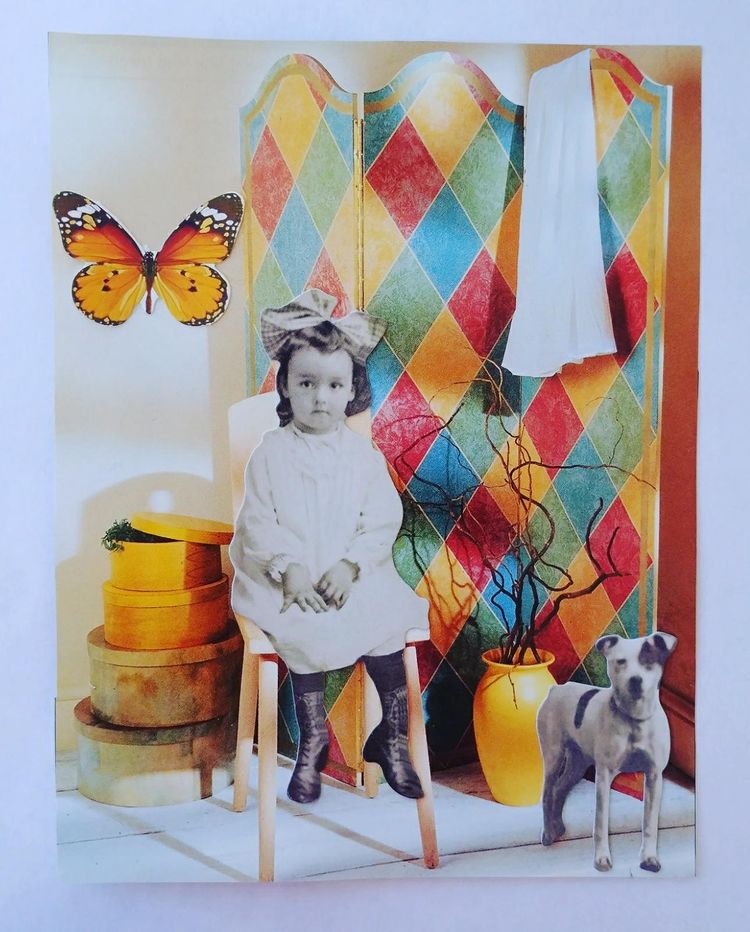
“Without freedom, no art; art lives only on the restraints it imposes on itself, and dies of all others.” ~Albert Camus
I’ve previously discussed a little about how to break the barrier of feeling stuck on an art piece you are wanting to create. Today, I’m examining a simple way to find confidence in your art.
In one way, building confidence in your art is taking the opportunity to explore different techniques. Collage is my main go-to way of creating. There are various types of collage and one of my favorites is, “Analog Collage.”
The process is taking cutouts from various sources and put them together to build a new whole. This type of collage ranges from simple to intricate designs. Often times, one’s vision for the collage changes as the image unfolds.
If you’ve never created this form of medium, I recommend starting with an uncomplicated collage. Magazine images are a great place to find images. Enjoy the journey!
-Stephanie Hopkins
Previous Art in Motion Post

I’m deeply sadden to hear of Author Sharon Kay Penman’s passing. She will always be among my favorite Historical Fiction writers. I had the pleasure meeting her once-briefly-and wish I had the opportunity to know her more. There were so many things I would have liked to ask her. Her stories are also among the first of many books I’ve read in the genre. Penman breathed life into historical figures through her stories. Her stories have touched many readers and she will always be remembered as among the great writers of our time. May God fold her in His loving arms and give her eternal comfort. -Stephanie Hopkins
“I should like to freeze in time all those I do love, keep them somehow safe from the ravages of the passing years…”Rather like flowers pressed between the pages of a book!”
― Sharon Kay Penman, The Sunne in Splendour

Penman’s Bio:
Penman received her bachelor’s degree from the University of Texas at Austin, she majored in history, and also received a Juris Doctor (J.D.) degree from Rutgers University School of Law, and later worked as a tax lawyer.
The Sunne in Splendour, a novel about Richard III of England is one of the most popular books on the Historical Novel Society’s list of best historical novels. In 1996, following the success of When Christ and His Saints Slept (which dealt with the Anarchy and the early career of King Henry II of England), Penman ventured into the historical whodunnit with four mysteries set in the court of Eleanor of Aquitaine during the reign of Richard I. The mysteries did not enjoy the same success as her “straight” historical novels, to which she returned in 2002, with Time and Chance, again covering the life of Eleanor of Aquitaine and Henry II. In 2008, she published Devil’s Brood, which was to be the final book in her trilogy about Henry II and Eleanor of Aquitaine. She soon realized that there was still more of the Angevins’ story to tell and the result was Lionheart, followed by The King’s Ransom. Henry and Eleanor’s celebrated and controversial son, Richard the Lionheart is the major character in both books, although Eleanor, John, and Richard’s favorite sister, Joanna, also get to spend time on center stage. She has just finished The Land Beyond the Sea, set in the Kingdom of Jerusalem in the late 12th century. It will be published in the U.S. by G.P. Putnam’s and in the U.K. and Down Under by Macmillan and co; the publication date is early March, 2020.
Before the Second Sleep’s Tribute: Godspeed, Sharon Kay Penman

