Reader’s Log 058: Current Reads

Nonfiction and Historical Fiction

I’ve recently started reading the three books below-one of them is historical fiction and the other nonfiction. I am finding them to be enjoyable and reads thus far. The Lost World of the Prophets and Finding Phoebe are books written by Biblical Scholars. They are informative and I’m truly gaining so much knowledge and insight from them so far and I would highly recommend them.

A few times I’ve posted about my deep dive into cultural and Biblical background studies and it has really opened up a whole new world for me about understanding and examining ancient cultures. By doing so you first must take off your western lenses. We westerners tend to carry over our modern cultural ideas, sensibilities and prejudices when reading about other cultures and ancient times.

I can’t wait to share my thoughts more in-depth about the books below!

Stephanie

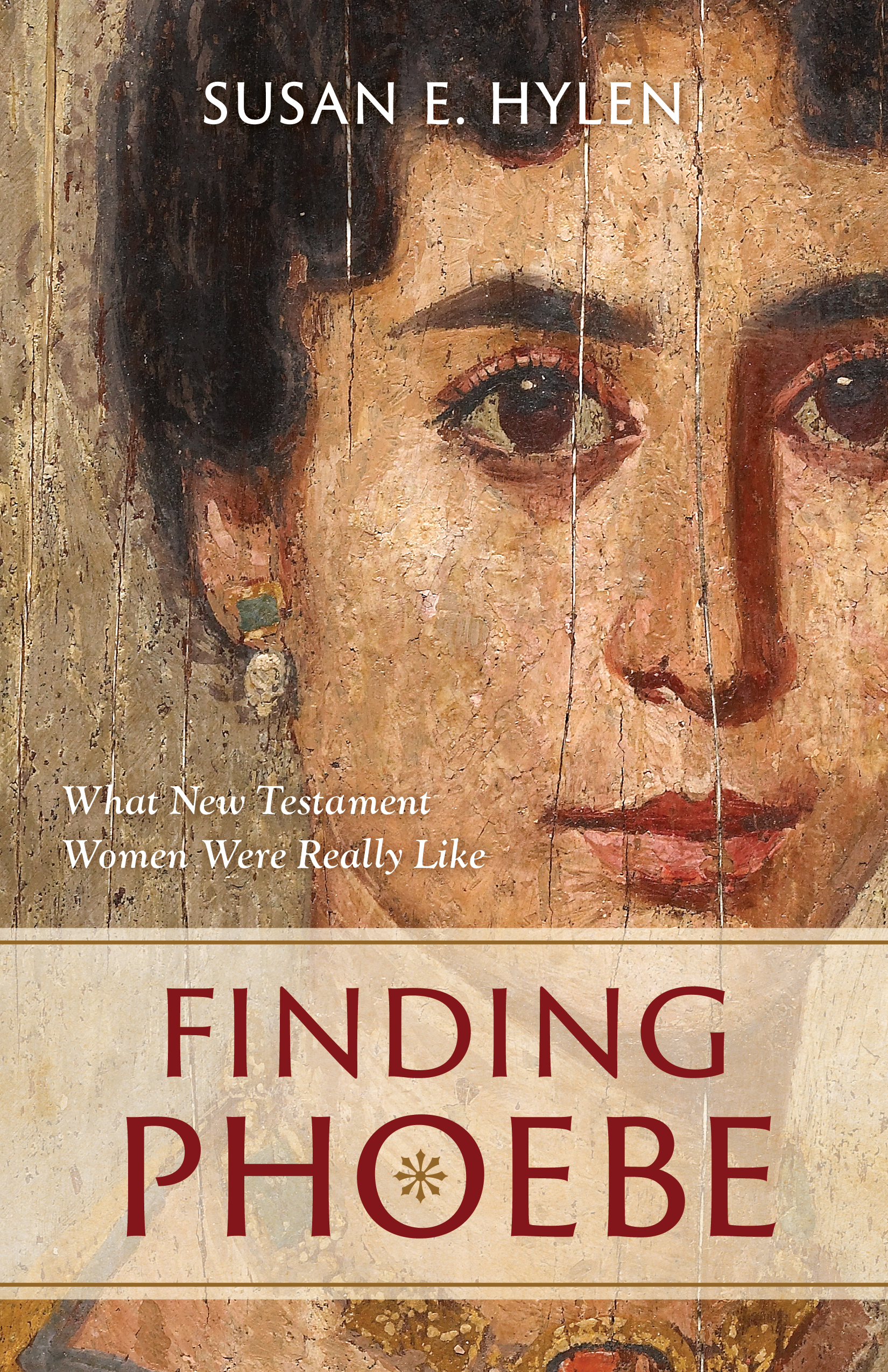
Finding Phoebe: What New Testament Women Were Really Like by Susan Hylen

Published January 17, 2023 by Eerdmans

Forget what you think you know about women in the early church.

In this learned yet accessible book, Susan E. Hylen introduces first-century primary sources to illuminate readers’ understanding of New Testament women. Perfect for clergy, spiritual reading groups, and all curious minds, Finding Phoebe combines incisive scholarship and instructional sensibility to encourage readers to develop their own informed interpretations of Scripture.

Contrary to popular conceptions of “biblical womanhood” as passive and silent, women often served as leaders and prophets in their communities. Women owned one-third of all property during the period, granting them access to civic power through patronage. Many women worked outside the home and were educated according to the needs of their professions. Through careful examination of “modesty” and “silence” in the Greco-Roman world, Hylen reveals the centrality of these virtues to both men and women practicing self-control in service of communal good.

Hylen’s work will challenge readers to free their minds of modern preconceptions and consider New Testament women on their own terms. This practical book includes historical context, scriptural evidence, and questions for discussion.

The Lost World of the Prophets: Old Testament Prophecy and Apocalyptic Literature in Ancient Context (The Lost World Series #7) by John H. Walton

Published February 27, 2024 by IVP Academic

I’ve started with the 7th book in this series because I’m currently studying Biblical prophecy and the Prophets. I do intend to read the whole series.

Being responsive to God is at the heart of prophecy. But readers of ancient prophecies and apocalyptic literature―including those in the Old Testament―can come away thoroughly perplexed. Are the prophets speaking about their own times, about our present, or about some still-unrealized future? It’s common to study prophecy with a focus on the sole question of prediction and fulfillment, either for the sake of apologetics or for understanding the end times, but such an approach can fail to track with the original intent of the authors. We need to shake loose both from a paradigm of reading prophecy as an offer of mysterious divination as well as from the habit of constructing eschatological timelines of any sort. How do these books work as meaningful Scripture for Christians today? John Walton applies his signature method to help us recover the lost world of the prophets. To read these biblical books well, we must A fresh reading of the Old Testament text in light of the ancient Near Eastern context can open new avenues of awareness. Walton provides a clear, helpful guide to the nature of biblical prophecy and apocalyptic literature that will help readers avoid potential misuse and reclaim the message of the prophets for their lives. The books in the Lost World Series follow the pattern set by Bible scholar John H. Walton, bringing a fresh, close reading of the Hebrew text and knowledge of ancient Near Eastern literature to an accessible discussion of the biblical topic at hand using a series of logic-based propositions.

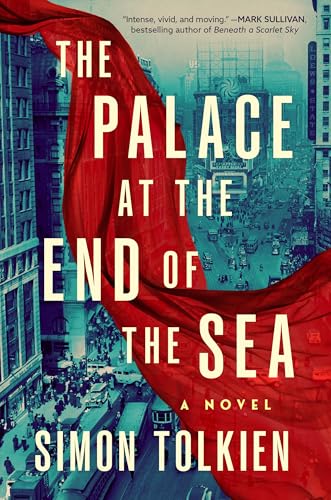
The Palace at the End of the Sea by Simon Tolkien

Theo Sterling #1

Published June 1, 2025 by Lake Union Publishing (For review.)

441 pages, Kindle Edition

New York City, 1929. Young Theo Sterling’s world begins to unravel as the Great Depression exerts its icy grip. He finds it hard to relate to his father, a Jewish self-made businessman, refuses to give up on the American dream, and his mother, a refugee from religious persecution in Mexico, holds fast to her Catholic faith. When disaster strikes the family, Theo must learn who he is. A charismatic school friend and a firebrand girl inspire him to believe he can fight Fascism and change the world, but each rebellion comes at a higher price, forcing Theo to question these ideologies too.

From New York’s Lower East Side to an English boarding school to an Andalusian village in the foothills of the Sierra Nevada, Theo’s harrowing journey from boy to man is set against a backdrop of societies torn apart from within, teetering on the edge of a terrible war to which Theo is compulsively drawn like a moth to a flame.

Reader’s Log 057: Books on Psalms

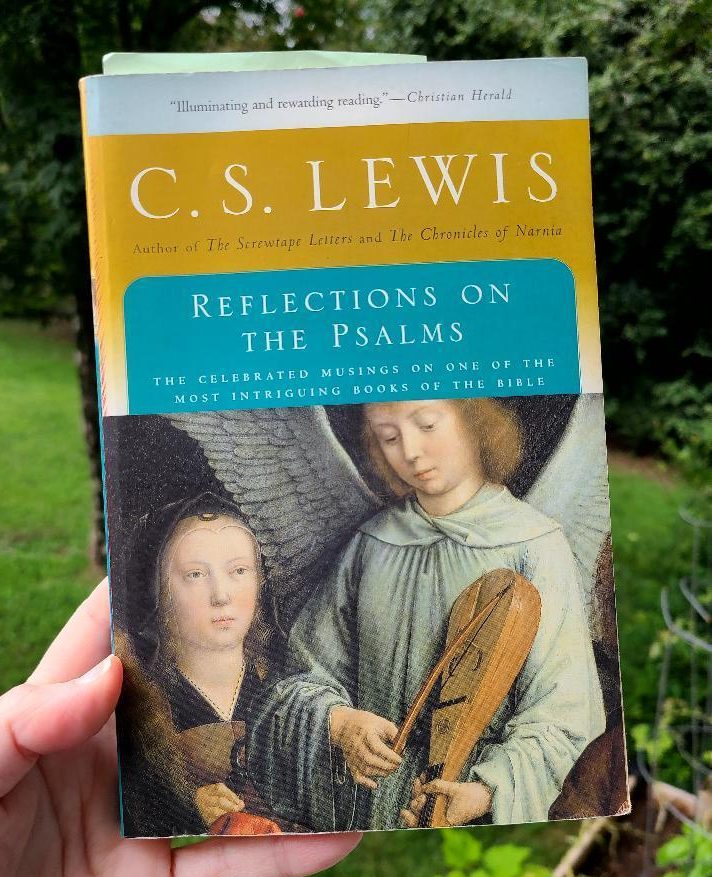
Previously, I posted about reading “Reflections on the Psalms” by C. S. Lewis as the first book I’m reading as an addition to my daily morning devotions of the book Psalms in the Holy Bible. I’m curious about what others are saying about their studies and takeaways. The devotional I’m studying is a four-year plan but I’m wanting to shorten it in about two years tops-maybe. So far, I’m really enjoying the pace of the four-year plan as I get deeper into the context. We will see how it goes! The three books below are the ones I want to get to next and they’re not in any particular order. I did add praise for “Praise for Praying the Psalms with Augustine and Friends” by Carmen Joy Imes because she is among my top favorite Old Testament Biblical Scholars.

Stephanie

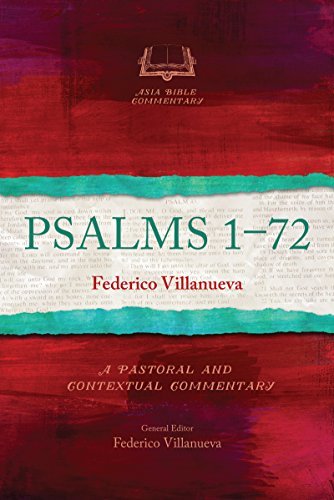
Psalms 1–72: A Pastoral and Contextual Commentary by Federico G. Villanueva

There is a second volume of the Psalms from this author to complete the commentary on the whole book.

The Asia Bible Commentary series empowers Christian believers in Asia to read the Bible from within their respective contexts. Holistic in its approach to the text, each exposition of the biblical books combines exegesis and application. e ultimate goal is to strengthen the Body of Christ in Asia by providing pastoral and contextual exposition of every book of the Bible.

This commentary on Psalms 1-72 provides an exposition that the reader can engage with in their own community of faith in the Asian cultural context. Along with a commentary on each Psalm, Dr. Federico Villanueva provides cultural reflections on a wide variety of relevant topics that include the likes of lament, praise, creation, meditation, depression and natural phenomena. This commentary is an excellent resource for pastors, lay leaders and Bible students but will also be useful and relevant for any Christian committed to applying the Bible in their respective contexts.

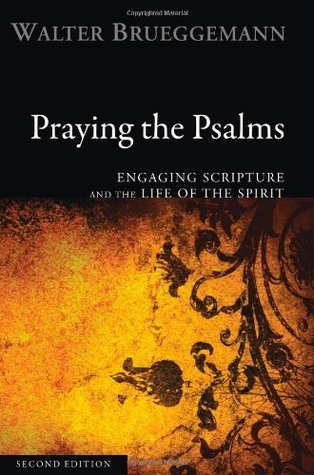
Praying the Psalms, Second Edition: Engaging Scripture and the Life of the Spirit by Walter Brueggemann

In this thoroughly revised edition of a classic in spirituality, Walter Brueggemann guides the reader into a thoughtful and moving encounter with the Psalms. This new edition includes a revised text, new notes, and new bibliography. “The movement and meeting of God with us is indeed a speech-event in which new humanness is evoked among us. Being attentive to language means cultivating the candid imagination to bring our own experience to the Psalms and permitting it to be disciplined by the speech of the Psalms. And, conversely, it means letting the Psalms address us and having that language reshape our sensitivities and fill our minds with new pictures and images that may redirect our lives” -from Chapter 3

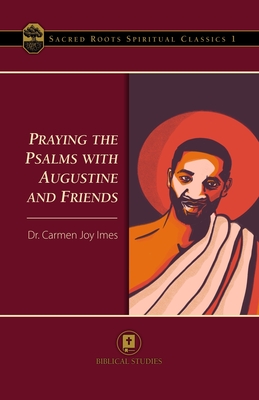
Praying the Psalms with Augustine and Friends

by Carmen Joy Imes

The Psalms teach us how to pray. Many saints over the past three millennia have come near to God by praying the Psalms, and this volume introduces us to some of their greatest thoughts on them.

Covering all 150 psalms, this companion to the “Prayer book of the Bible” contains key devotional readings from the Great Tradition as well as space for journaling our own prayers. This book will help us learn to pray as Jesus prayed—after all, He quoted from the Psalms more often than any other book.

Praise for Praying the Psalms with Augustine and Friends

“For centuries, the Psalms have been the lifeblood of the church’s worship, witness, and soul care. In this volume, Imes invites readers to engage this life-giving book alongside their fathers and mothers in the faith . . . The nuggets of wisdom here should direct readers to engage the world of early Christian theology further, where they will find faithful friends and wise guides on the road of discipleship.”

Stephen T. Pardue, PhD,

Assistant Professor of Theology,

International Graduate School of Leadership (Philippines), Asia Graduate School of Theology (Philippines)

“This book will help you to re-hear the Psalms as you pray through them with the saints of old. It is a book to carry around with your Bible, to savor slowly with your morning coffee . . . It will touch your prayer life and calm your soul.”

Donald M. Fairbairn, Jr., PhD,

Academic Dean (Charlotte Campus),

Robert E. Cooley Professor of Early Christianity,

Gordon-Conwell Theological Seminary

“What a delight to read the Psalms in the company of the righteous! . . . The pithy and apt extracts from these scholars give extra insights for our daily meditation. I am looking forward to using this book!”

Jill Firth, PhD,

Lecturer in Old Testament and Hebrew,

Ridley College (Melbourne)

Reader’s Log 056: Current Reads and Contemplation

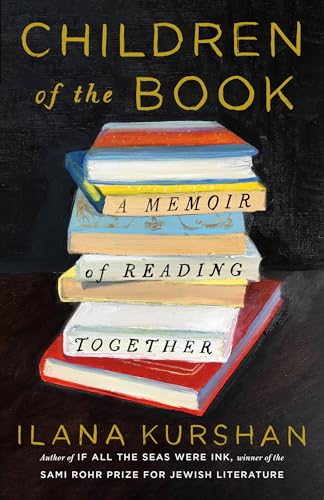
I finished Children of the Book: A Memoir of Reading Together by Ilana Kurshan. The book has been published but I haven’t turned in my review yet because there is something the author briefly mentions about a group of people that made me pause and I’m trying to work out how I’m going to address this issue objectively. I will say I wish she had fleshed it out a bit better to get a clearer picture and that is part of the problem I’m having with the passage. Also, the author’s narrative often moves rather quickly onto other things… Okay, that is all I’m going to say about the subject until I release my review. Be sure to be on the lookout for it!

The books I’m currently reading are enjoyable thus far and I recommend them to consider reading. In this post, I will show three of them and the fourth book will be for another post because it is a very complex topic that I will be talking about in depth.

I hope you all have a wonderful weekend of resting and reading.

Stephanie

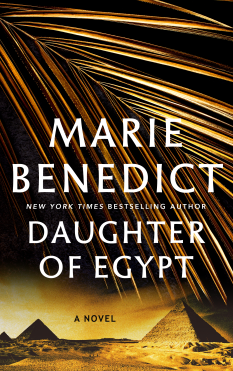
Daughter of Egypt by Marie Benedict

Not yet published Expected Date: March 24, 2026 – I have a review copy from the pubs.

1920’s London was enthralled by the discovery of the treasure-filled tomb of Pharaoh Tutankhamun. Filled with priceless statues, jewels, and the gold-encased mummy of the boy Pharaoh himself, the burial site unleashed a fascination with the ancient world and revolutionized the world of archeology.

The discovery was made by Lord Carnarvon of Highclere Castle and his associate, famed archeologist Howard Carter. What no one knows is that without the pioneering spirit of Lady Evelyn Herbert, Carnarvon’s daughter, the tomb might never have been found. As a young woman, Evelyn was fascinated by the story of Hatshepsut, a woman who had to assume the guise of a man in order to rule Egypt. Although she brought peace and prosperity to Egypt, her male successors ruthlessly and thoroughly erased her name from history.

Lady Evelyn’s ambition to find the tomb of Egypt’s first woman ruler exposes her to life-threatening danger and pits her against archeologists who refuse to believe the tomb can be found―and certainly not by a woman. Refusing to give up, Evelyn is on the verge of success when she is suddenly forced to make an agonizing choice between loyalty to her beloved father and Carter and realizing the dream of a lifetime.

About the author:

Marie Benedict is the New York Times and USA Today bestselling author of The Mitford Affair, Her Hidden Genius, The Mystery of Mrs. Christie, The Only Woman in the Room, Lady Clementine, Carnegie’s Maid, The Other Einstein, and the novella, Agent 355. With Victoria Christopher Murray, she co-wrote the Good Morning America Book Club pick The Personal Librarian and the Target Book of the Year The First Ladies. 
Her books have been translated into thirty languages, and selected for the Barnes & Noble Book Club, Target Book Club, Costco Book Club, Indie Next List, and LibraryReads List. 
Up next is the February 11, 2025 release, The Queens of Crime, the thrilling story of Agatha Christie’s legendary rival, mystery writer Dorothy Sayers, the race to solve a real-life murder, and the power of friendship among women.
And in April, her first children’s book will released, a middle grade historical adventure co-written with Courtney Sheinmel called The Secrets of the Lovelace Academy.

Phoebe by Paula Gooder

Published September 4, 2018

Sometime around 56 AD, the apostle Paul wrote to the church in Rome. He entrusted this letter to Phoebe, whom he describes as the deacon of the church at Cenchreae and a patron of many. But who was this remarkable woman? Biblical scholar and popular author and speaker Paula Gooder imagines Phoebe’s story—who she was, the life she lived, and her first-century faith—and in doing so opens up Paul’s world, giving a sense of the cultural and historical pressures that shaped his thinking and the faith of the early church. After the narrative, Gooder includes an extensive notes section with comments on the historical context, biographical details, cultural practices, and more. Rigorously researched, this is a book for anyone who wants to engage more deeply and imaginatively with Paul’s theology.

About the author:

Paula Gooder is a speaker and writer on the Bible, particularly on the New Testament. She began her working life, teaching for twelve years in ministerial formation first at Ripon College Cuddesdon, Oxford and then at the Queen’s Foundation for Ecumenical Theological Education in Birmingham. Following this she spent around eight years as a speaker and writer in biblical studies travelling the country and seeking to communicate the best of biblical scholarship in as accessible a way as possible, after that she spent six years working for the Bible Society as their Theologian in Residence and then for the Birmingham Diocese as their Director of Mission Learning and Development. She is currently the Chancellor of St Paul’s Cathedral in London.

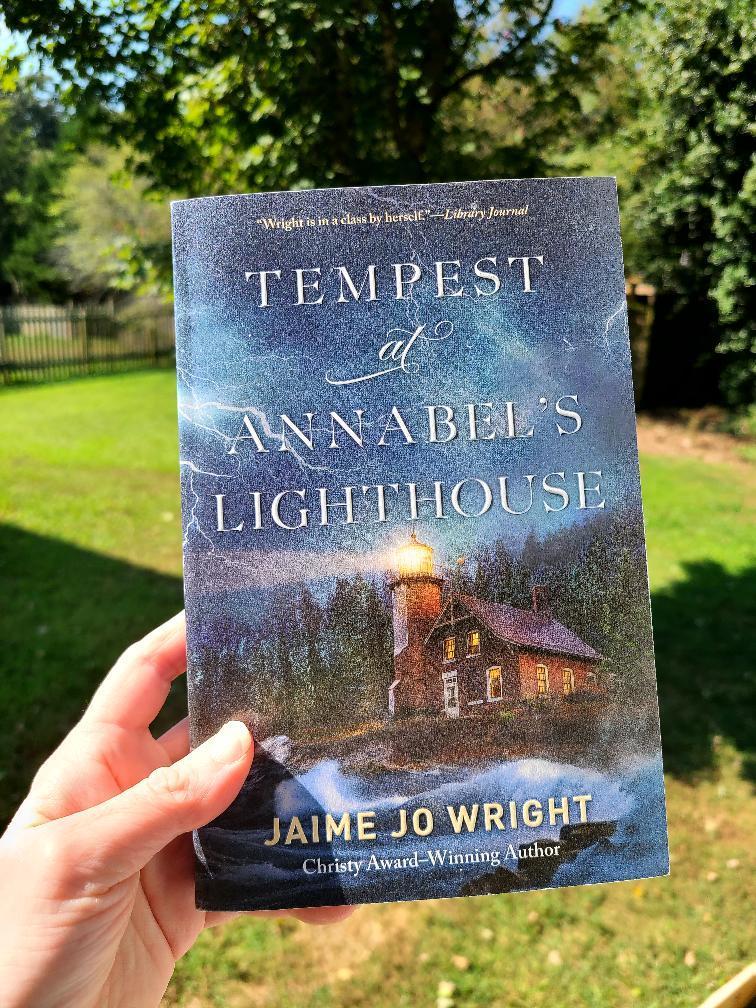
Tempest at Annabel’s Lighthouse by Jaime Jo Wright

Published April 1, 2025

In 1874, a battered woman awakens atop a forgotten gravesite by Lake Superior. Identified only by the locket around her neck inscribed with the name Rebecca, she seeks refuge with an elderly lighthouse keeper named Edgar. But as Rebecca struggles to remember who she is, she finds herself haunted by the lingering memories of Annabel, a mysterious woman who perished in the unforgiving waves of Lake Superior years earlier. With the spirit of Annabel seemingly reawakened, and an unknown adversary on the hunt to silence Rebecca once and for all, there is more at stake than just reclaiming her own memories. Rebecca must reclaim Annabel’s as well.

In the present day, author and researcher Shea Radclyffe escapes to the lighthouse outside a historic mining town in Michigan, seeking clarity about her failing marriage. Instantly drawn to the lighthouse’s landlord, Shea contends with the vengeful legend of Annabel’s ghost and a superstitious community that has buried the secrets surrounding a decade-old murder. As the secrets harbored around Annabel’s lighthouse unravel, Shea must navigate a fight of torn loyalty, self-discovery, and the haunting forces of love and a vengeance that should have drowned a century before.

About the author:

Daphne du Maurier and Christy Award-Winning author, Jaime Jo Wright resides in the hills of Wisconsin writing suspenseful, mysteries stained with history’s secrets.

Reader’s Log 055: Current and Upcoming Reads

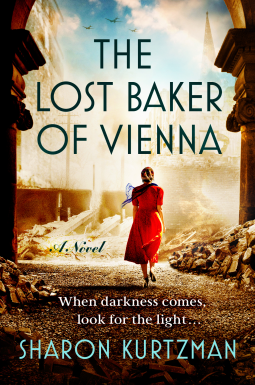
I finished and reviewed, “The Lost Baker of Vienna by Sharon Kurtzman and enjoyed the story and now I’ve started reading a couple days ago, “Children of the Book: A Memoir of Reading Together” by Ilana Kurshan. I must confess I’m a little concern about the page length and how the theme will flow through the pages. That said, so far I’m enjoying reading about this family’s love for reading.  

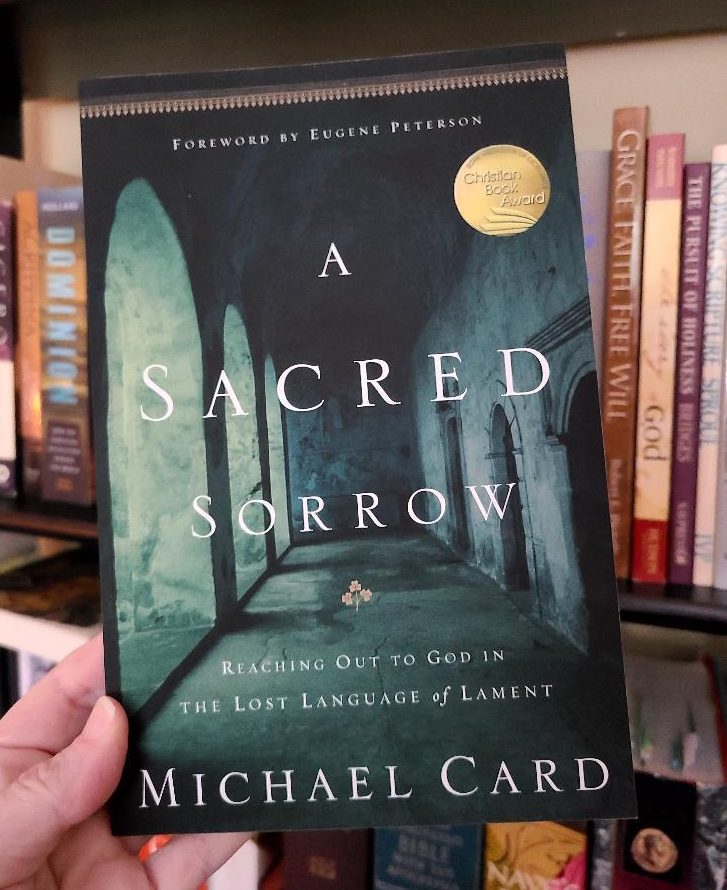
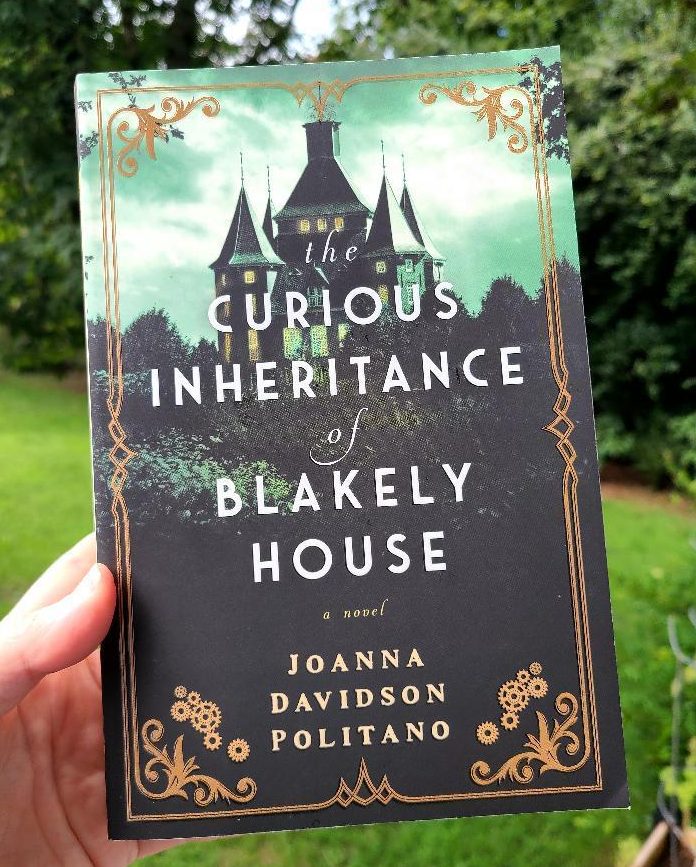
I’m still reading, “The Curious Inheritance” of Blakely House and “Reflections on the Psalms by C. S. Lewis.” These two are wonderful and engaging reads and I’m taking my time with them though I’m getting close to finishing The Curious Inheritance. After I finish with Lewis’s book I’m going to start reading, “A Sacred Sorrow” by Michael Card. I have so much to say about lament and I look forward to sharing more on the subject at a later time. After I finish up with Curious Inheritance, I’m thinking about starting, “Daughter of Egypt” by Marie Benedict. I have an ARC of this book and I’m thrilled with the premise for this story. Also, I’ve been reading, “Babylon” by Paul Kriwaczek and while I don’t agree with everything he writes, I do find many aspects of the information he provides to be fascinating and I’ve learned few new details that I need for my research. Kriwaczek is a good writer and it makes his book easier to read which is refreshing and helpful!

Stephanie

Children of the Book: A Memoir of Reading Together by Ilana Kurshan

Not yet published Expected Aug 26, 2025 by St. Martin’s Press

In Children of the Book, Ilana Kurshan explores the closeness forged when family life unfolds against a backdrop of reading together. Kurshan, a mother of five living in Jerusalem, at first struggles to balance her passion for literature with her responsibilities as a parent. Gradually she learns how to relate to reading not as a solitary pursuit and an escape from the messiness of life, but rather as a way of teaching independence and forging connection. Introducing her children to sacred and secular literature—including the beloved classics of her childhood—helps her become both a better mother and a better reader.

Chief among the books Kurshan reads with her children is the Five Books of Moses, known as the Torah, which Jews the world over read in synchrony as part of the liturgical cycle. In the five parts of this memoir, Kurshan explores the surprising resonances between the biblical text and her experiences as a mother and a reader – from the first picture books that create the world through language for little babies, to the moment our children begin reading on their own leaving us behind, atop the mountain, as they enter new lands without us. A testament to the enduring power of shared texts, Children of the Book celebrates the deep pleasures of books.

Daughter of Egypt by Marie Benedict

Not yet published

Publish Date: Mar 24, 2026 by St. Martin’s Press

In the 1920s, archeologist Howard Carter and Lord Carnarvon of Highclere Castle made headlines around the world with the discovery of the treasure-filled tomb of the boy Pharaoh Tutankhamun. But behind it all stood Lady Evelyn Herbert—daughter of Lord Carnarvon—whose daring spirit and relentless curiosity made the momentous find possible.

Nearly 3,000 years earlier, another woman defied the expectations of her time: Hatshepsut, Egypt’s lost pharaoh. Her reign was bold, visionary—and nearly erased from history.

When Evelyn becomes obsessed with finding Hatshepsut’s secret tomb, she risks everything to uncover the truth about her reign and keep valued artifacts in Egypt, their rightful home. But as danger closes in and political tensions rise, she must make an impossible choice: protect her father’s legacy—or forge her own.

A Sacred Sorrow: Reaching Out to God in the Lost Language of Lament by Michael Card

Published February 1, 2005 by NavPress

It’s easy to praise God when things in your life are going well, but what about the other times? What happens when mountaintop experiences cascade into seasons of struggling, suffering, and loss in the valley? God desires for us to pour out our hearts to Him, whether in joy or pain. But many Christians don’t feel right expressing anger, frustration, grief, and sadness in prayer. Our personal worship experience is not complete unless we understand the lost language of lament.

In A Sacred Sorrow, author, musician, and Bible teacher Michael Card takes you through the Scriptures to show you what your worship and prayer life has been missing. Learn new ways to honor God and deepen your relationship with Him by:

Becoming more honest in worship

Trusting in His unchanging presence

Believing in His constant loving kindness

Sharing your sorrow as an act of worship

From Job to David to Jesus, men and women of Scripture understood the importance of pouring one’s heart out to the Father. Examine their stories and expand your definition of worship as you find healing. Let your pain, questions, and sorrow resound with praise to a God who is moved by your tears.

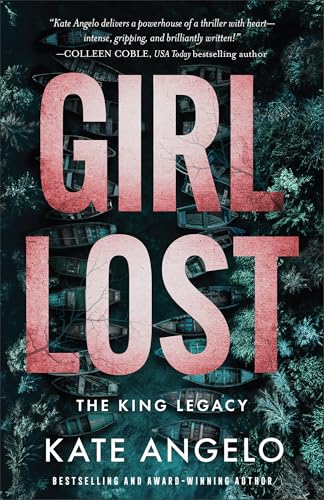
Reader’s Log 054: Girl Lost by Kate Angelo

I have been on the lookout for more mystery thrillers written by christian authors and I came across Kate Angelo and I thought I would add her book “Girl Lost” to my to-read list. This book comes out in September so I may purchase it when it does. I did spot this book on NetGalley but decided not to request it because I’m working on my backlog of reviews to turn in. So many books, so little time.

Stephanie

Pub Date Sep 23 2025 by Revell

Christian | Mystery & Thrillers | Romance

Description

A LOST BABY

Luna Rosati found acceptance and comfort with her childhood foster family, but when she became pregnant at sixteen, she gave the baby up for adoption and left without a word. Now a CIA counterintelligence officer, Luna wants to reconcile her fractured sense of self by finding the only blood family she has–the teenage daughter she’s never met. As Luna closes in on learning the girl’s identity with the help of her mentor, Stryker, she prepares to meet him in her old neighborhood–the last place she wants to be. Then Stryker is captured.   

AN INESCAPABLE PAST

Special Agent Corbin King changed his last name to escape the shadow of his convicted father serving a life sentence. When he runs into Luna, the object of his failed teenage romance, the two must put their pasts aside and work together to expose a secret that someone’s willing to kill for.

A DEADLY THREAT

But when they encounter a kidnapping, missing bodies, and murder, the secrets Corbin and Luna are keeping from one another are only the beginning of the threat they face with more than their own lives at stake.

Reader’s Log 053: Current Reads

Historical Genre

My current reads are fantastic and I’m really enjoying the uniqueness of the writing style, characters and plot of “The Curious Inheritance of Blakely House.” I have created a daily reading schedule for these three books and the anticipation of looking forward to my time with them has really helped keep me on track with my reading habits. I love when that happens! First up, “Reflections on the Psalms by C. S. Lewis.”

This book was first published January 1, 1958.

For morning daily devotions, I’m currently studying through the book of Psalm verse by verse. So I thought I would read several books on people’s thoughts about the Psalms. Also, It won’t be too long before I read several others. I’ll be sure to post those books and my thoughts about them when I get to them.

The devotional I’m using is a four year plan but I’m wanting to shorten it in about two years tops. We will see how that goes!

Lewis writes here about the difficulties he has met or the joys he has gained in reading the Psalms. He points out that the Psalms are poems, intended to be sung, not doctrinal treatises or sermons. Proceeding with his characteristic grace, he guides readers through both the form and the meaning of these beloved passages in the Bible.

The Curious Inheritance of Blakely House by Joanna Davidson Politano – This book is from my birthday book haul

Published April 15, 2025 by Revell

It is 1901 when clockmaker and brilliant tinker Sydney Forrester inherits Blakely House, the eclectic estate of an estranged uncle she’s never met. The well-known but mysterious industrialist has left behind a stunning array of peculiar inventions–and a couple of nephews’ intents on removing this interloper from the estate. Convinced that Sydney has something to do with their uncle’s death, the late master’s nephews contest the will and work against their cousin at every turn.

Sydney finds a sometimes-ally in the estate’s butler, an ex-adventurer who ran aground on the island years ago. But when a mysterious man washes ashore with a stunning surprise that upsets everything, Sydney must prove she has inherited the late master’s brilliance as well as his property–or someone else will.

The Lost Baker of Vienna: A Novel by Sharon Kurtzman

Not yet published Expected Date: Aug 19, 2025

I am reading this book from NetGalley for review and it is wonderful so far!

In 2018, Zoe Rosenzweig is reeling after the loss of her beloved grandfather, a Holocaust survivor. She becomes obsessed with finding out what really happened to her family during the war.

Vienna, 1946: Chana Rosenzweig has endured the horrors of war to find herself, her mother, and her younger brother finally free in Vienna. But freedom doesn’t look like they’d imagined it would, as they struggle to make a living and stay safe.

Despite the danger, Chana sneaks out most nights to return to the hotel kitchen where she works as a dishwasher, using the quiet nighttime hours to bake her late father’s recipes. Soon, Chana finds herself caught in a dangerous love triangle, torn between the black-market dealer who has offered marriage and protection, and the apprentice baker who shares her passions. How will Chana balance her love of baking against her family’s need for security?

The Lost Baker of Vienna affirms the unbreakable bonds of family, shining a light on the courageous spirit of WWII refugees as they battle to survive the overwhelming hardships of a world torn apart.

What are you currently reading?

Stephanie

Reader’s Log 052: Biblical Fiction

Written by Biblical Scholars Part I

My top favorite genre is Historical Fiction and I’m always on the lookout for Biblical Fiction. Though through the years I’ve read several but I haven’t really delved in this genre like I should.

Dr. Carmen Joy Imes is an Old Testament Scholar whose work I’ve been following and this summer she has been conducting a summer reading series on Youtube about the books she recommneds and they are fantastic for in-depth biblical knowledge and spiritual growth. In one of her videos I mentioned “The Lost Letters of Pergamum” by Bruce W. Longenecker that I have and she said she was going to do a historical fiction recommendation video for that genre and that it was one of the books she is going to talk about. When she uploaded the video, I clicked on it so fast! What is unique about her recommendations for this genre is that the books are written by Biblical Scholars which this tells me that these books are well researched. I am familiar with a few of the author names and had not realized they wrote historical fiction. Be sure to watch Dr. Imes recommendation videos. She gives great commentary on why she recommends them.

The first book I have listed during the intertestamental period and I’ve read a several of nonfiction works on this time period and love it! I was thrilled she included this book on her list and can’t wait to read it.

Day of Atonement: A Novel of the Maccabean Revolt by David DeSilva

In the blank pages between Malachi and Matthew, the course of an entire nation was changed . . .

His brother, the high priest Honiah, enjoyed the authority of the high priesthood, and all-important decisions needed his approval. But it was Jason who was shaping the future of Jerusalem and with it, all Judea. He breathed in again, imagining that he could feel the wave of destiny impelling him forward toward his vision as he exhaled . . .

The Greeks have taken over the world, but Jerusalem is still the same backwater city Jason has always known. He wants to help his hometown rise to a new age of prosperity and influence. If that means stretching the terms of the city’s divine covenant, so be it. But how far is he willing to go to achieve Greek greatness for this Jewish city? It will take the willingness of a handful of Jews to die rather than violate the covenant in order to turn the tide back to God.

Written by an internationally recognized expert in the period between the Testaments, Day of Atonement invites readers into Judea during the tumultuous years leading up to the Maccabean Revolt. It was this pivotal decade that reminded Jews of the centrality of the covenant to their national security and taught them that the covenant was worth dying for. The story is so foundational, it is still told every year at Hanukkah. The lessons learned during this turbulent time also shed light on just what was at stake in the ministry of Jesus, whose radical message seemed to threaten the covenant once again.

I have been looking into stories about women in the Bible and the next three books listed look fantastic!  

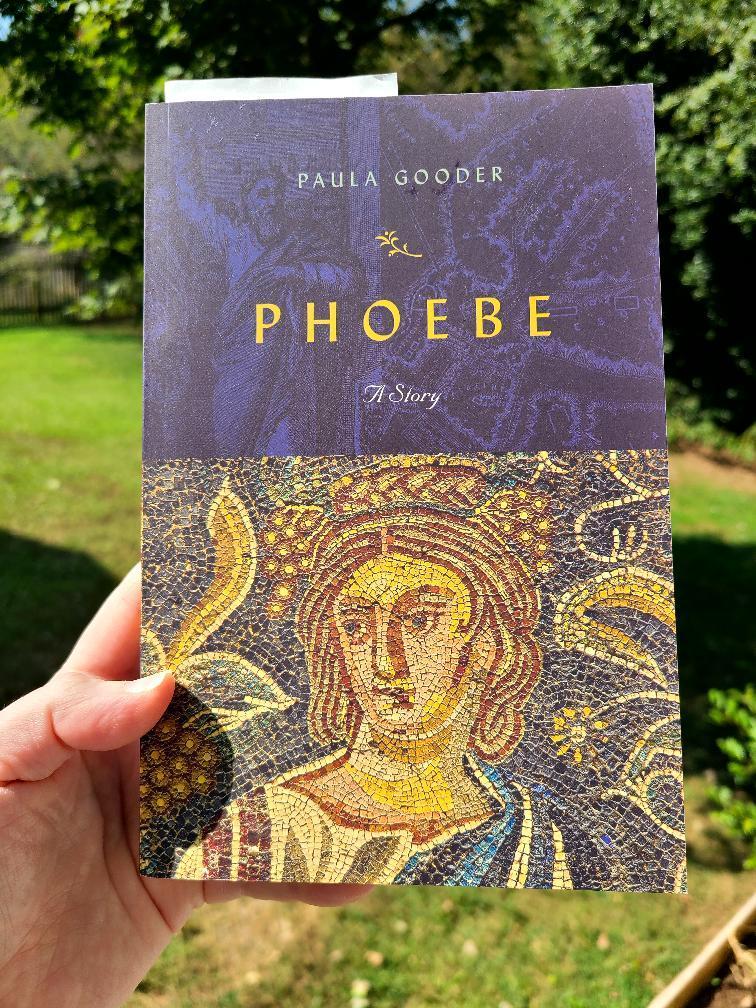
Phoebe: A Story by Paula Gooder

Sometime around 56 AD, the apostle Paul wrote to the church in Rome. He entrusted this letter to Phoebe, whom he describes as the deacon of the church at Cenchreae and a patron of many. But who was this remarkable woman?

Biblical scholar and popular author and speaker Paula Gooder imagines Phoebe’s story―who she was, the life she lived, and her first-century faith―and in doing so opens up Paul’s world, giving a sense of the cultural and historical pressures that shaped his thinking and the faith of the early church. After the narrative, Gooder includes an extensive notes section with comments on the historical context, biographical details, cultural practices, and more. Rigorously researched, this is a book for anyone who wants to engage more deeply and imaginatively with Paul’s theology.

Priscilla: The Life of an Early Christian by Ben Witherington III

Who was Priscilla?

Readers of the Bible may know her as the wife of Aquila, Paul’s coworker, or someone who explained baptism to Apollos. Biblical references to Priscilla spark questions: Why is she mentioned before her husband? Does the mention of her instruction of Apollos mean that women taught in the church? What is her story?

Ben Witherington addresses these questions and more. In this work of historical fiction, Priscilla looks back on her long life and remembers the ways she has participated in the early church. Her journey has taken her to Ephesus, Corinth, and Rome, and she’s partnered with Paul and others along the way.

Priscilla’s story makes the first-century world come alive and helps readers connect the events and correspondence in different New Testament books. Witherington combines biblical scholarship and winsome storytelling to give readers a vivid picture of an important New Testament woman.

A Week in the Life of a Greco-Roman Woman (A Week in the Life Series) by Holly Beers

A young wife meets her daily struggles with equanimityand courage. She holds poverty and hunger at bay, fights to keep her child healthy and strong, and navigates the unpredictability of her husband’s temperament. But into the midst of her daily fears and worries, a new hope appears: a teaching that challenges her society’s most basic assumption. What is this new teaching? And what will it demand of her?

In this gripping novel, Holly Beers introduces us to the first-century setting where the apostle Paul first proclaimed the gospel. Illuminated by historical images and explanatory sidebars, this lively story not only shows us the rich tapestry of life in a thriving Greco-Roman city, it also foregrounds the interior life of one courageous woman―and the radical new freedom the gospel promised her.

The next two look great and I can’t wait to read them. About the middle of next year or towards the end I’m take a journey forward to the 1st century again so these will be perfect. This whole entire list of books is perfectly really. As I read each one, I will be sure to post about what I thought of the stories and if I would recommend them to my readers.

A Week in the Life of a Roman Centurion (A Week in the Life Series) by Gary M. Burge

Enter a world of warfare and treachery, of duty and honor, of love and loyalty, interwoven with the inner workings of a Roman centurion’s household. And then trace it as the road curves toward little Capernaum.

Follow the story of Appius, a proud centurion, and Tullus, his scribe and slave. From a battle with the Parthians, through a tragic personal crisis, to the gladiator arena at Caesarea Maritima, their tale finally leads to the backwater village of Capernaum on the shores of Galilee. There, in a culture not their own and during a week they will never forget, they encounter a Jewish prophet from Nazareth.

A Week in the Life of a Roman Centurion gives us a first-century view of the world of the Gospels. In entertaining historical fiction, splashed with informative sidebars and images, we capture a view of Jesus’ world from the outer framework looking in.

Killing a Messiah: A Novel by Adam Winn

As Passover approaches, the city of Jerusalem is a political tinderbox. Judah, a resistance leader, plots to overthrow the Roman occupation. Eleazar and his father, the high priest Caiaphas, seek peace in the city at all costs. Pilate, the Roman governor, maneuvers to keep order (and his own hold on power). Caleb, a shopkeeper, is reluctantly caught up in the intrigue. When rumors start spreading about the popular prophet Jesus, hailed by many as the Messiah, Roman and Jewish leaders alike fear unrest and violence during the upcoming festival. Then, in the midst of this tension, unexpected alliances emerge.

In Killing a Messiah, New Testament scholar Adam Winn weaves together stories of historical and fictional characters in a fresh reimagining of the events leading up to Jesus’ execution. Based on what we know of the first-century context, Winn’s narrative offers compelling explanations for gaps in the Gospel accounts. The social, political, and religious realities of Jesus’ world come to life and shed new light on our reading of the biblical texts. In a city full of political entanglements, espionage, and competing interests, the blame for the crucifixion is complex and can’t land on just a single party. It takes more than one to kill a messiah.

Stephanie

Reader’s Log 042: Books on Cyrus the Great

Ancient history is fascinating and so relevant to our present time. Once one takes a deep give into cultures and the rise and falls of civilizations, you see patterns of these events more clearly. This has been my experience since I’ve started this journey and I see so many events that are happening today in a different light. This has led me to read more about the Persian, Hellenistic, and the Hasmonean periods to the the beginning of the Roman period BC. Over my lifetime I feel like I’ve only done surface studies of these periods and I want to be more than just a generalist of these histories. Since I’ve decided to go this route, I realize I need to be a bit more methodical in my research. Which isn’t always easy since there are so many paths in the details one uncovers that can easily lead you down a rabbit hole!

Today, I thought I would share three books about Cyrus the Great that I have on my wish-list. I’ve always been intrigued by him, particularly because he freed the Jews from their Babylonian exile.

I’m curious about comparing these books as well as seeing what each writer has to say about Cyrus. Most likely, I will take my time with these readings and take breaks.

Stephanie

Discovering Cyrus: The Persian Conqueror Astride the Ancient World by Reza Zaghamee

Some of the most fascinating human epochs lie in the borderlands between history and mystery. So, it is with the life of Cyrus the Great, founder of the Persian Empire in the sixth century BCE. By conquest or gentler means, he brought under his rule a dominion stretching from the Aegean Sea to the Hindu Kush and encompassing some tens of millions of people. All across this immense imperium, he earned support and stability by respecting local customs and religions, avoiding the brutal ways of tyranny, and efficiently administering the realm through provincial governors. The empire would last another two centuries, leaving an indelible Persian imprint on much of the ancient world. The Greek chronicler Xenophon, looking back from a distance of several generations, wrote: “Cyrus did indeed eclipse all other monarchs, before or since.” The vision of the biblical prophet known as Second Isaiah anticipates Cyrus’ repatriation of Jews living in exile in Babylon with these words of the Lord: “He is my shepherd and will accomplish all that I please.”

Despite what he achieved and bequeathed, much about Cyrus remains uncertain. Persians of his era had no great respect for the written word and kept no annals. The most complete accounts of his life were composed by Greeks. More fragmentary or tangential evidence takes many forms – among them, archaeological remains, administrative records in subject lands, and the always tricky stuff of legend.

Given these challenges, Discovering Cyrus: The Persian Conqueror Astride the Ancient World is a remarkable feat of portraiture. In his vast sweep, Reza Zarghamee draws on sources of every kind, painstakingly assembling detail, and always weighing evidence carefully where contradictions arise. He describes the background of the Persian people, the turbulence of the times, and the roots of Cyrus’ policies. His account of the imperial era itself delves into religion, military methods, commerce, court life, and much else besides. The result is a living, breathing Cyrus standing atop a distant world that played a key role in shaping our own.

Cyrus the Great: A Life from Beginning to End by Hourly History

Cyrus II of Persia was one of the greatest leaders that the world had ever known; he was the one in whose footsteps other empire builders would follow. From Alexander the Great to countless Roman emperors and Ottoman sultans—it was the mighty shoes of Cyrus that they all attempted to fill.

More than merely a successful conqueror, Cyrus the Great is known just as much for being a great liberator as he is known for his conquests. He was even credited in the Bible as the one who freed the Jews from their long-held Babylonian exile. By the time of his death, Cyrus controlled more land and people than anyone before him. Under his dominion were countless principalities, nationalities, ethnicities, and religions of all kinds. In contrast to many other powerful rulers, Cyrus did not seek to oppress his subjects or interfere with their way of life, religions, or local customs. It is for this reason that, as great as his temporal conquests may have been, the benevolence of Cyrus the Great’s leadership stands as his greatest attribute of all.

The life of Cyrus the Great remains as an unparalleled testament in the annals of history.

Cyrus the Great: The Life and Legacy of the King Who Founded the Achaemenid Persian Empire by Charles River Editors

“I am Cyrus the king, an Achaemenian.” – An inscription found at the Persian capital of Pasargadae

At one point in antiquity, the Achaemenid Persian Empire was the largest empire the world had ever seen, but aside from its role in the Greco-Persian Wars and its collapse at the hands of Alexander the Great, it has been mostly overlooked. When it has been studied, the historical sources have mostly been Greek, the very people the Persians sought to conquer. Needless to say, their versions were biased.

It was not until excavations in the region during the 20th century that many of the relics, reliefs, and clay tablets that offer so much information about Persian life could be studied for the first time. Through archaeological remains, ancient texts, and work by a new generation of historians, a picture can today be built of this remarkable civilization and their most famous leaders.

When considering this empire’s rulers, the two most often referenced are Xerxes, the leader of the Persian invasion of Greece which caused the heroic sacrifice of the Spartans and their allies at Thermopylae, or Cyrus the Great, the man who created the empire. While he was one of the most influential men in the ancient world, research on Cyrus the Great is simultaneously fascinating and frustrating. The Persians’ ancestors did not write (in fact, in their epic poems and myths, they claim that it was something taught to man by demons and therefore something to be avoided), and though the Iranians had taken up writing in their governmental and administrative functions by the time Cyrus lived, the kings still did not learn to write. Put simply, it was considered a functional skill, but not of the greatest importance.

As a result, while plenty of ancient sources mention the great Persian king, Persian sources themselves are rare, and those sources that do exist, such as the Babylonian Chronicle, are largely dry and state only the basic facts and large events. By contrast, Greek sources about Cyrus embrace the artistic aspect of their work so highly that the accuracy often comes into question, and sometimes deep scrutiny is necessary to attempt to separate the fact from the fiction. In the end, the full truth about Cyrus and his reign may never be truly understood.

Of course, this reality has deepened the mystique that surrounds Cyrus even to this day, and it has elevated his status from conqueror and king to enlightened humanist monarch and ideal ruler. In fact, a modern misconception based on the Cyrus Cylinder has labeled him the first proponent of civil rights, though this is somewhat of an exaggeration. The argument hinges on the Cylinder being a unique artifact in listing the ideology by which Cyrus intended to rule, but it equally ignores the fact that such declarations were commonplace among kings of the ancient Near East and more a tool of monarchal propaganda than a sweeping declaration of human rights.

That said, Cyrus was a fair and rational leader, particularly compared to the many brutal kings and warlords of ancient times. The high praise he received, even from his enemies, must certainly not be dismissed, and the admiration directed toward him came from many other exceptional individuals, including Alexander the Great, a bitter enemy of the empire Cyrus founded. Whatever the underlying issues, the incredible achievements of Cyrus distinguish him as one of the greatest kings in history, and his life, conquests, reforms, and rule continue to be of great interest over 2,500 years later.

Cyrus the Great: The Life and Legacy of the King Who Founded the Achaemenid Persian Empire looks at the life of the Persian leader and the major legacy he left. Along with pictures depicting important people, places, and events, you will learn about Cyrus the Great like never before.

Reader’s Log 040: Book Spotlight

The ‘Hellenization’ of Judaea in the First Century after Christ by Martin Hengel

I’ve had this copy in my personal library for about three years now and I almost forgot I had it! I came across it while organizing my books by topic. Hengel’s work is absolutely brilliant and I’m delighted to be reading my copy again. This first time I read it, I mostly did surface reading and now I’m taking a deeper study of its text, highlighting passages and taking notes. It is my goal to read all of Hengel’s work.

Stephanie

Book Description: This short but highly significant study is the first real sequel to Professor Martin Hengel’s classic and monumental work Judaism and Hellenism. It demonstrates from a wealth of evidence, much of it made readily available here for the first time, that in the New Testament period Hellenization was so widespread in Palestine that the usual distinction between ‘Hellenistic’ Judaism and `Palestinian’ Judaism is not a valid one and that the word `Hellenistic’ and related terms are so vague as to be meaningless. The consequences of this for New Testament study are, of course, considerable. Martin Hengel was Professor of New Testament and Early Judaism in the University of Tuebingen.

Reader’s Log 038: A Weekend of Reading and Reflection

A Reader’s Voice

Yesterday, I blogged about my upcoming books I’ve selected and that post is a start in blogging about what I’m reading and why. In the past couple of years or so, certain themes in stories have weighed heavily on my mind. Not only that but if the themes and content is something I should be reading as a follower of Christ. I’ve always read widely but was cautious about content and my Christian conventions. However, I’ve agreed to review books that I wasn’t fully aware of its content and have done my best to honor those commitments keeping in mind that I’m not reading a biblical world view on morality and so forth. I have noticed in the past few years that a particular genre from certain authors I once enjoyed reading has become darker and too graphic in human nature to say the least which-I admit-reflects much of the world we live in today. This is not pointing fingers or making accusations towards others but a reflection on my own choices I make about reading material that I want to chose to read or omit from my life.

I’ve also reflected on the issue of how readers and reviewers on NetGalley are given information about the books we choose to read. I believe there is not enough information about its content and NetGalley should provide more information about any disclaimers of content we should be aware of since we are making a commitment to read said books. Yes, I am aware of the argument if that were the case, there would be so many books not selected to read because of the disclaimers and that wouldn’t be fair to the author and so on…I was onboard with that argument for a long time but I am no longer. After all, movies come with ratings and provide disclaimers.

I realize I haven’t always been consistent in my reviews to point out any content that people need to be aware of if they need or want to avoid for various reasons.

More times than not, I felt trapped into reading said books and recently I’ve rejected two books and stated my reasons to the publishers with respect of course. This may be difficult for many readers and authors to hear but as a long-standing book blogger, my experience as a book reviewer and reader needs to be voiced even at the risk of losing subscribers.

Christians are encouraged to engage with secular books-including fiction for an understanding of the world but we should also be discerning and cautious. That is true for secularist as well. For anyone in society really.

I have read many books that dealt with sensitive and difficult topics in such a way to make the story readable to a wide audience without compromising the readers convictions of what they can read without feeling uneasy or question if this is something they should be reading in the first place. My thanks to writers who weaves the story thus. I have more thoughts on this topic and may share more at a later time.

Stephanie