The last couple of weeks or so, I’ve really picked up my reading pace and achieving a good number of books read and reviewed. I’m not sure how long it will last-life tends to get in the way-but I’m encouraged and I’m really enjoying what I’m reading. I’m almost through with “The Lies They Told” by Ellen Marie Wiseman and I recently picked up “One Little Lie” (Pelican Harbor #1) by Colleen Coble from NetGalley. I thought why not since I’ve never read this author’s work before. So far, it is an interesting read. I’m also working my way through “Assyria: The Rise and Fall of the World’s First Empire” by Eckart Frahm.
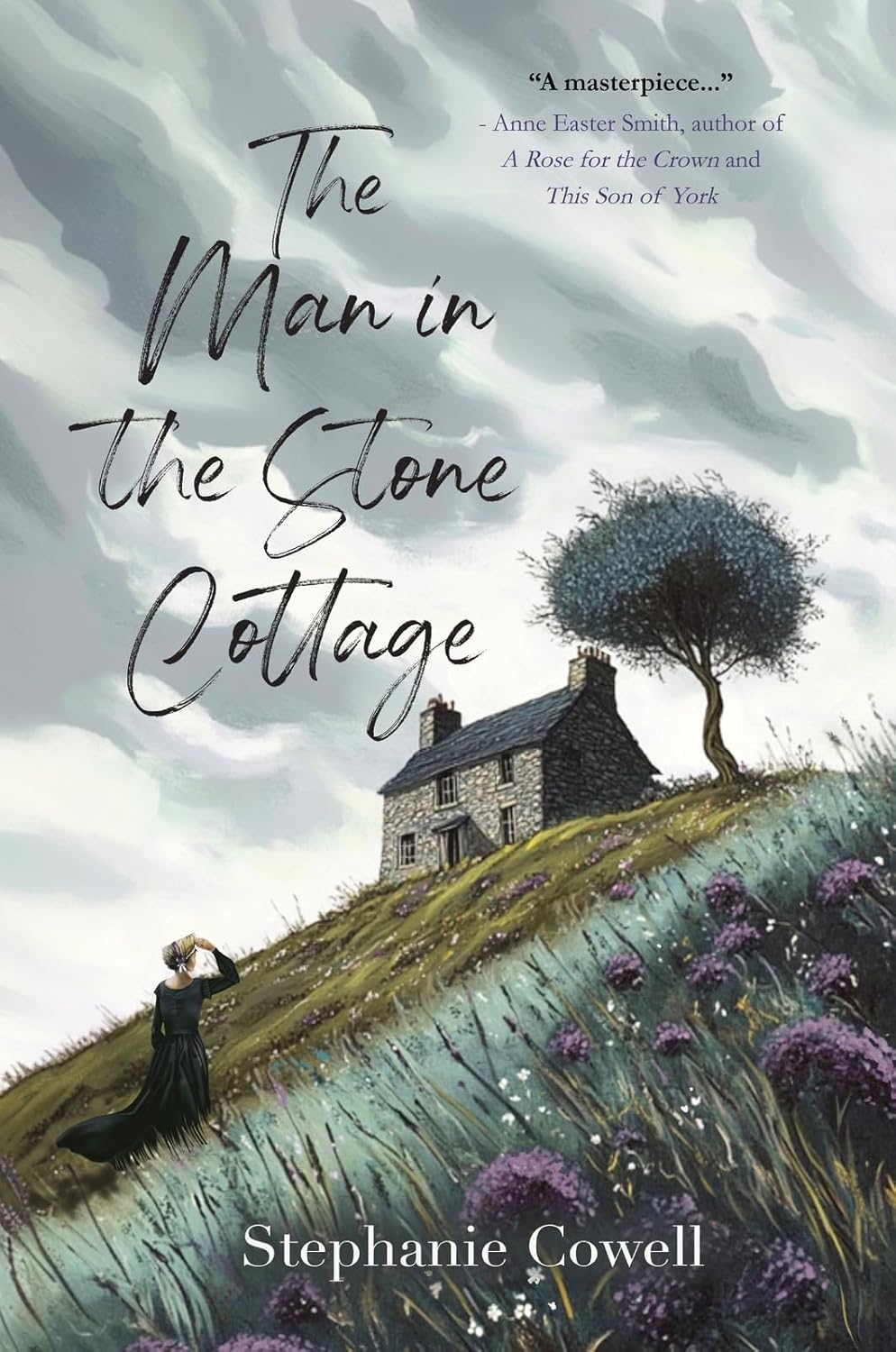
I’ve turned in a review to the Publishers through NetGalley for “The Man in the Stone Cottage” by Stephanie Cowell and my review will be posted on September 13th here on Layered Page. There will also be a couple reviews coming up shortly. Excited!
Jane Hardy is appointed interim sheriff in Pelican Harbor, Alabama, after her father retires, but there’s no time for an adjustment period. When her father is arrested for theft and then implicated in a recent murder, Jane quickly realizes someone is attempting to destroy the only family she has.
After escaping with her father from a cult fifteen years ago, Jane has searched relentlessly for her mother–who refused to leave–ever since. Could someone from that horrible past have found them?
Reid Dixon is well-known for his documentaries, and his latest project involves covering Jane’s career. Jane has little interest in the attention, but the committee who appointed her loves the idea of the publicity.
Jane finds herself depending on Reid’s calm manner as he follows her around filming, and they begin working together to clear her father. But Reid has his own secrets from the past, and the gulf between them may be impossible to cross–especially once her father’s lie catches up with him.
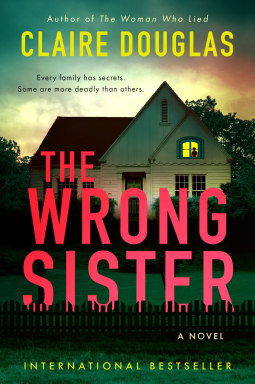
Tasha and her older sister Alice may look alike, but they couldn’t be more different. Tasha’s married with two children and still lives in their hometown near Bristol. Alice is a high-flying scientist who travels the world with her equally successful husband.
Yet each sister would trust the other with her life.
When Tasha and her husband Aaron need a break and Alice offers to stay in their home with the kids, Tasha knows her family is in safe hands.
She couldn’t be more wrong.
The call from home is devastating. Alice and her husband Kyle have been attacked, leaving Alice in intensive care and Kyle dead. Rushing to the hospital, Tasha finds the police trying to piece events together. She can’t think why anyone would attack her sister.
Then the note arrives, addressed to Tasha:
It was supposed to be you . . .
Every family has secrets. Some more deadly than others.
My thoughts:
The Wrong Sister is the first book I’ve read by Claire Douglas and I have to say that she writes a solid family drama with twisty tuns. Everyone has a motive and the hidden secrets are so well crafted in this story, things are not what they seem in a shocking way. This story also explores what lengths people would go to for the ones they love or in some cases, the ones they despise. Lies told with what people think are “good intentions” have consequences. Family drama indeed!
The characters are engaging and flawed with interesting reactions to escalating events, even the ones they are working hard to down play which makes some of them believable in the eyes of their family members. After-all, no one wants to think the worse of someone they love. As the events escalate and unfold, the story has you racing to the end to find out the conclusion.
When I was starting to put the pieces of the mystery together, I have to admit I was blind-sided by the ending. Especially by a character I was hoping would make the right decision regarding a family member.
I rated this book three stars.
Stephanie
I obtained an ARC from the publishers through NetGalley for an honest review.
I must caution you, there is profanity in this book. More so in the beginning and then it tapers off with just a bit randomly sprinkled in.
Available on NetGalley for selected members until the Archive Date September 16, 2025
General Fiction (Adult) \ Historical Fiction
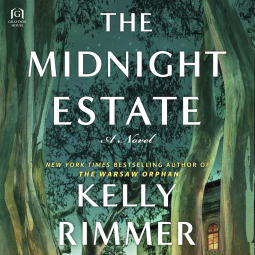
In the aftermath of a tumultuous year, Fiona Winslow finds solace in the decaying grandeur of Wurimbirra, the rambling family estate she once called home. Intent on restoring it, she discovers the keys to more than just the dilapidated mansion—beneath the crumbling plaster and dust are secrets that have been buried for a generation.
When a curious book, The Midnight Estate, catches her attention in her late uncle’s library, Fiona is plunged into a tale that mirrors her own—a story of love, loss and betrayal. But as the lines between fiction and reality blur, Fiona must ask herself: Is the true mystery the one hidden within the walls of her ancestral home, or is it within the pages of a book that chose her as much as she chose it?
Told in a dual narrative and set against the Gothic backdrop of Wurimbirra, Kelly Rimmer, bestselling author of The Things We Cannot Say, weaves an intricate and compelling tale, inviting readers into the heart of a family’s deepest secrets with an absorbing book-within-a-book mystery.
My thoughts:
I spotted this one on NetGalley. I’m always drawn to these types of stories. They never get old in my opinion. We’ve got mystery, Gothic backdrop, family secrets, a library, ancestral home, and something hidden behind walls… Yes please! I’m definitely going to be adding this to my considering pile.
On a tiny island off Paradiso, Florida, in 1970, neighbors gather to toast two new arrivals: shy Catherine and her taciturn husband, Dr. Frank Overbrook, who is taking over an old friend’s medical practice. It’s an intimate welcoming for the newlyweds, who have abandoned city life for swaying palms and an ocean breeze. But the morning after is anything but peaceful when Frank is found dead on the beach.
Detective Quentin Jones has his eyes on the island’s residents and the welcome party’s guest list. There’s the retiring doctor and host, as well as his nurse. Volatile marrieds Miriam and her husband, David, constantly at each other’s throats. The Carters, a strangely antisocial young couple. And Sylvie, a blind sculptor to whom Quentin lost his heart years ago.
But which one is a murderer? As the investigation unravels a close-knit group of friends, secrets are exposed—and more than one of them is worth killing for.
My thoughts:
I love a good mystery with all the right elements and this one is just the ticket. The story is compelling with intriguing and complex characters. Anyone of the people on the small island could have been the murderer and the motives are stacked high! Quentin Jones makes a great laid-back detective and completely unassuming with his breezy, casual Florida attire which helps him fit right in with the close-knit community.
I must confess I haven’t read stories by these authors before and what first caught my attention to the book was that it takes place in Florida-my home state. The premise sounded so intriguing and I wanted to know how the authors depict the setting for the story. Florida is an interesting place to say the least and what I mean by that is the people. I was thrilled that they chose the 1970s for this story because that period is still remnants of old Florida. If you’re not from Florida, you may not know what I’m talking about. Well, this story depicts a little of that and the small-town atmosphere of its native Floridians. I am pleased I chose this story and I found it engaging and the mystery had me guessing until the big reveal.
I rated this book four stars and I obtained a review copy from the publishers through NetGalley for an honest review.
I must caution you, there is a little spice in this story. I did skip over it but luckily, the scene was brief. Also there is a little profanity but not so much that it overwhelming or on a whole lot of pages, thankfully.
I’m absolutely thrilled with what I’m currently reading and with the book I just finished. Last night I started reading, “The Man in the Stone Cottage” by Stephanie Cowell. The story is really intriguing so far and as a big fan of the Brontë sisters, this is a must read. I’m also currently reading “The Lies They Told” by Ellen Marie Wiseman. Her story touches on a deep and troubling history that took place in American in the early 1900s. A story that everyone must be aware and it will surely touch the deepest depth of your heart.
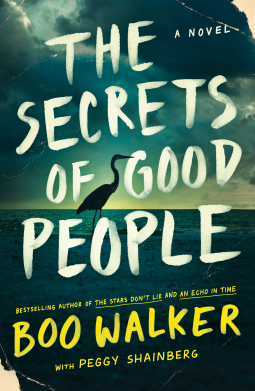
Yesterday, I posted my review for “Last Light Over Galveston” by Jennifer L. Wright. Last night, I finished reading “The Lawyer and the Laundress” by Christine Hill Suntz and I will be posting my review early next week. Tomorrow, My review for “The Secrets of Good People” by Boo Walker; Peggy Shainberg is going live.
Have a beautiful bookish weekend, everyone!
Stephanie
Expected publication: September 16, 2025 by Regal House Publishing
In 1846 Yorkshire, the Brontë sisters—Charlotte, Anne, and Emily—navigate precarious lives marked by heartbreak and struggle. Charlotte faces rejection from the man she loves, while their blind father and troubled brother add to their burdens. Despite their immense talent, no one will publish their poetry or novels. Amidst this turmoil, Emily encounters a charming shepherd during her solitary walks on the moors, yet he remains unseen by anyone else. After Emily’s untimely death, Charlotte—now a successful author with Jane Eyre—stumbles upon hidden letters and a mysterious map. As she stands on the brink of her own marriage, Charlotte is determined to uncover the truth about her sister’s secret relationship.
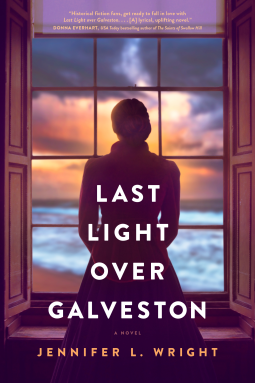
Galveston, Texas. September 1900. Only months ago, Kathleen McDaniel returned from finishing school in Switzerland to her family home in New York’s Hudson Valley with a future of promise and privilege set before her. But one horrific event shattered her picturesque life. Now she has fled as far as the train line and a pocketful of money would take her, finding refuge at the St. Mary’s Orphan Asylum on Galveston Island, where she helps the nuns care for their young charges and prays her past will not find her. Despite her tenuous standing at the orphanage—and the grief and betrayal that drove her from home—Kathleen slowly begins to make friends. There is Emily, the novice nun she rooms with; Maggie, the tempestuous young girl who only bonds with Kathleen; and Matthew, a kind, handsome man recently employed by Isaac Cline at Galveston’s office of the US Weather Bureau.
Then in one fateful day, Kathleen’s fragile new life begins to crack as it becomes clear that she can’t run far enough to escape the reach of her former life. Meanwhile, as troubling news about a storm crossing the Gulf from Cuba swirls in the Weather Bureau offices, Matthew holds fast to Cline’s belief that no hurricane can touch Galveston. But as darkness falls on the island, Kathleen must gather her courage and reach for a strength beyond her own if she—and those she loves—are to survive.
My thoughts:
Last Light over Galveston is a story of perseverance during the historic, deadly and catastrophic hurricane in Galveston, Texas in September of 1900. This story also touches on human greed, selfishness, and cruelty at the expense of others that people tend to look down on in life. What is even more maddening is how the people involved justified their corrupt actions. Jennifer Wright does a marvelous job at showing the realities of life that is too often overlooked in my opinion.
The main character Kathleen McDaniel is a person who -at all odds- breaks away from the cruelty of her situation in life and on doing so finds herself in greater danger as the storm hits land. I was completely immersed in her plight and I felt as I if was right beside her going through what she was going through.
I did know about this hurricane prior to reading this book but I didn’t know all the details and how bad it actually was. Once I finished this story, I did a bit of research and I was really struck more so on Wrights depiction of the storm and the period in which the events took place.
The author does a brilliant job at pulling in her readers and I highly recommend this story to all and I want to encourage everyone who read the book to embrace the message of this story with an open heart.
I rate this book five stars and my gratitude and thanks to the publisher for an ARC through NetGalley for an honest review.
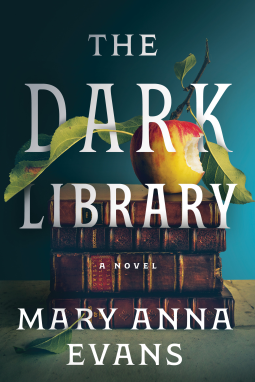
Years after leaving home due to her father’s suffocating and oppressive treatment, Estella receives a phone call from Annie-her family’s housekeeper-that she must come home. Estella’s father has had a stroke that caused his death and her mother has gone missing. When she returns home, everything is disjointed and up in the air and she takes a teaching position at the college where her father influence was powerful to say the least. Not only that, their family house is celebrated throughout the decades and her Father’s library holds rare books that her father closely guards and with strict orders, Estella is not allowed to touch the books.
With her father’s death, her mother missing and the war that is raging on, Estella must figure out how she will support Annie, the house and the gorgeous land it sits on. The more she looks into her father’s and mother’s life, she realizes how much she doesn’t know about them and the secrets they have kept.
This Gothic tale of mystery, buried secrets, death, family and local town intrigue begins slowly and half way through the story, unfolds in a major way. I must confess, at first, I didn’t have high hope for this story but as the plot reveals itself, you have a better understanding of why the story starts out the way it does. It gave me a better understanding of the-bread crumbs-if you will- the author was dropping. You won’t be shown an explanation of why the story is called “The Dark Library” until the second half of the book and it is a shocker! I did not see that coming a mile away. The premise of this story is unique and the author sure can weave a story of intrigue and deceptive people that leaves you trusting no one. The ending does tie up loose ends the reader wonders about and I want to encourage readers who might be frustrated with the beginning to rally on. You won’t regret it.
A truly atmospheric story with Gothic themes, deadly secrets and twisty turns of events that has you racing to the end to discover the deceptions, truths and the fate of Estella and the people in her life.
I rated this book four stars and I obtained an ARC from the publishers through NetGalley for an honest review.
Expected Publish Date: July 30, 2025by Story Architect
Exiled from his beloved Acadie in Canada, Bleu Galant has little on his mind but survival as the tumultuous French and Indian War comes to a close. When his journey to Virginia’s Rivanna River settlement takes an unexpected turn, he crosses paths with Brielle Farrow–a woman whose presence stirs something in him he cannot explain nor express. Unable to forget her, his decision to help her takes them across an ocean into a lavish world he’s never known. Will their intricate tie decide not only her fate but his future?
My thoughts:
I spotted this book from a reader I follow who shelved this book on goodreads. First, I must say I’m not into romance stories if they’re not considered closed door romance. Meaning where the you know what is off stage- if you will. So, I’m not sure about those details in this story. I would really like to find out more about the details before fully committing. That said, I’m intrigued with the premise, period of the story and I love the cover! I will be adding this one to my considering pile.
For many years now, I’ve been quietly studying Islam starting with its origins to the present day and have maybe told two or three people in my acquaintance. When it comes to religions, cults and religious laws and culture, I tend to do deep dives into these areas. After all, studying religions is the backbone of knowing about civilizations and cultures throughout history. In all honestly, you can’t have one without the other. I discovered Raymond Ibrahim’s works a while ago and I’ve been following his interviews and his YouTube channel. I tend to do this with scholar’s and historian’s nonfiction works I’m considering reading. That is to say, I want to know a bit about their background before I invest my time and money. I do read books on said topics from writer’s I might disagree with or hold a different religious background. I’m looking forward to reading the three books listed below in the near future for further study and I’m curious about the takeaways I will have from them. The Two Swords of Christ is coming out in November of this year.
Stephanie
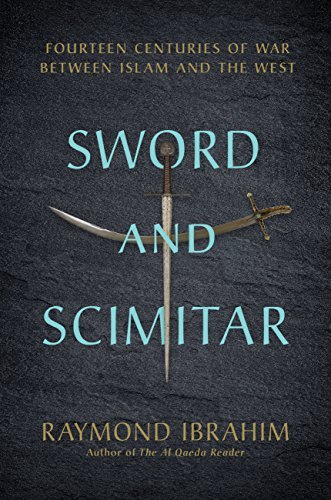
Sword and Scimitar: Fourteen Centuries of War between Islam and the West by Raymond Ibrahim, Victor Davis Hanson (Foreword)
A sweeping history of the often-violent conflict between Islam and the West, shedding a revealing light on current hostilities
The West and Islam–the sword and the scimitar–have clashed since the mid-seventh century, when, according to Muslim tradition, the Byzantine emperor rejected Prophet Muhammad’s order to abandon Christianity and convert to Islam, unleashing a centuries-long jihad on Christendom.
Sword and Scimitar chronicles the significant battles that arose from this ages-old Islamic jihad, beginning with the first major Islamic attack on Christian land in 636, through the occupation of the Middle East that prompted the Crusades and the far-flung conquests of the Ottoman Turks, to the European colonization of the Muslim world in the 1800s, when Islam largely went on the retreat–until its reemergence in recent times. Using original sources in Arabic, Greek, Latin, and Turkish, preeminent historian Raymond Ibrahim describes each battle in vivid detail and explains the effect the outcome had on larger historical currents of the age and how the military lessons of the battle reflect the cultural faultlines between Islam and the West.
The majority of these landmark battles are now forgotten or considered inconsequential. Yet today, as the West faces a resurgence of this enduring Islamic jihad, Sword and Scimitar provides the needed historical context to understand the current relationship between the West and the Islamic world, and why the Islamic State is merely the latest chapter of an old history.
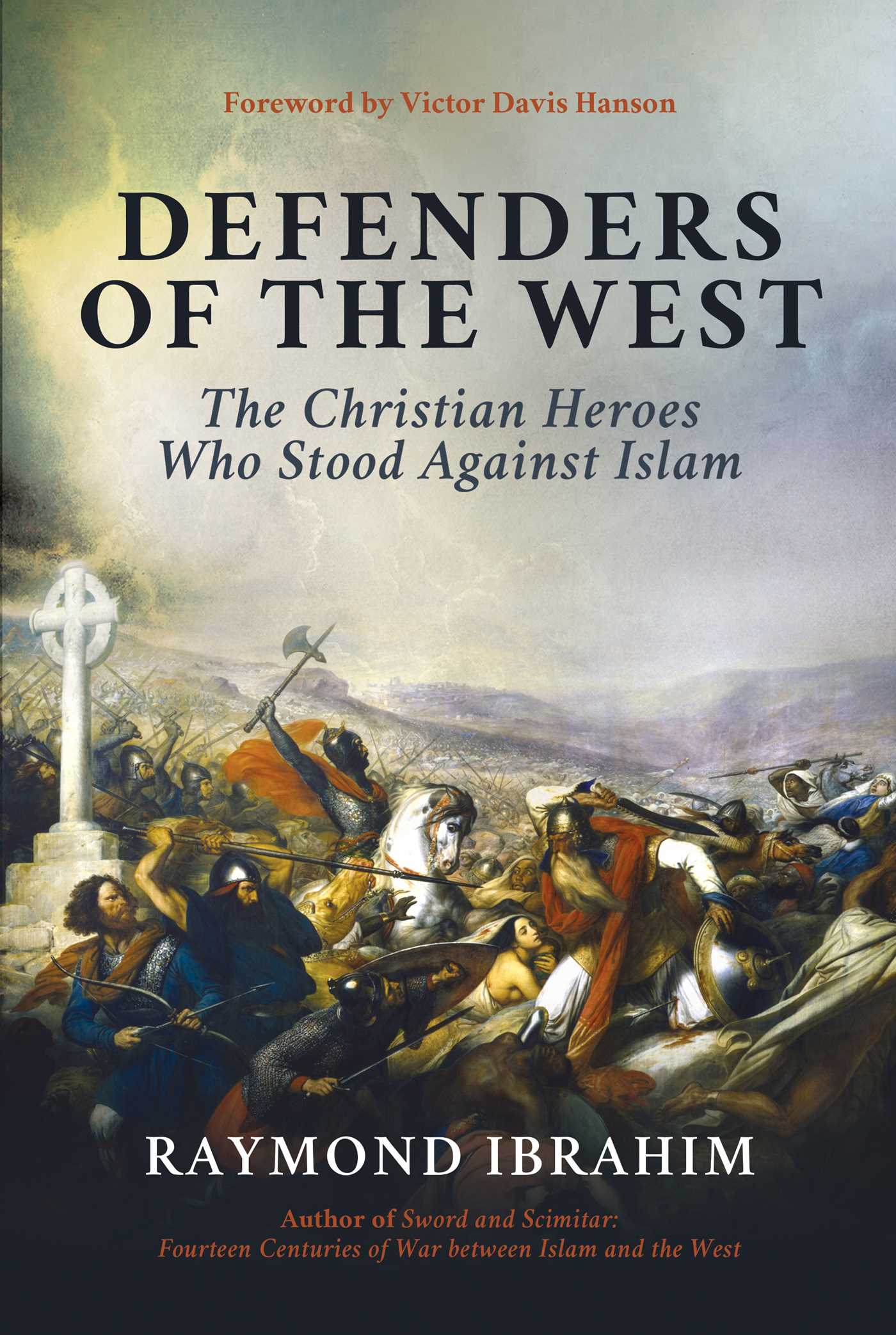
Defenders of the West: The Christian Heroes Who Stood Against Islam by Raymond Ibrahim
A riveting account of the lives and epic battles of eight Western defenders against violent Islamic jihad that sheds much-needed light on the enduring conflict with radical Islam.
In Defenders of the West, the author of Sword and Scimitar follows up with vivid and dramatic profiles of eight extraordinary warriors—some saints, some sinners—who defended the Christian West against Islamic invasions. Discover the real Count Dracula, Spain’s El Cid, England’s Richard Lionheart, and many other historical figures, whose true and original claim to fame revolved around their defiant stance against jihadist aggression. With sixteen full color pages of photos and illustrations, Defenders of the West is an instructive and inspiring read. Whereas Sword and Scimitar revolved around decisive battles, this book revolves around decisive men.
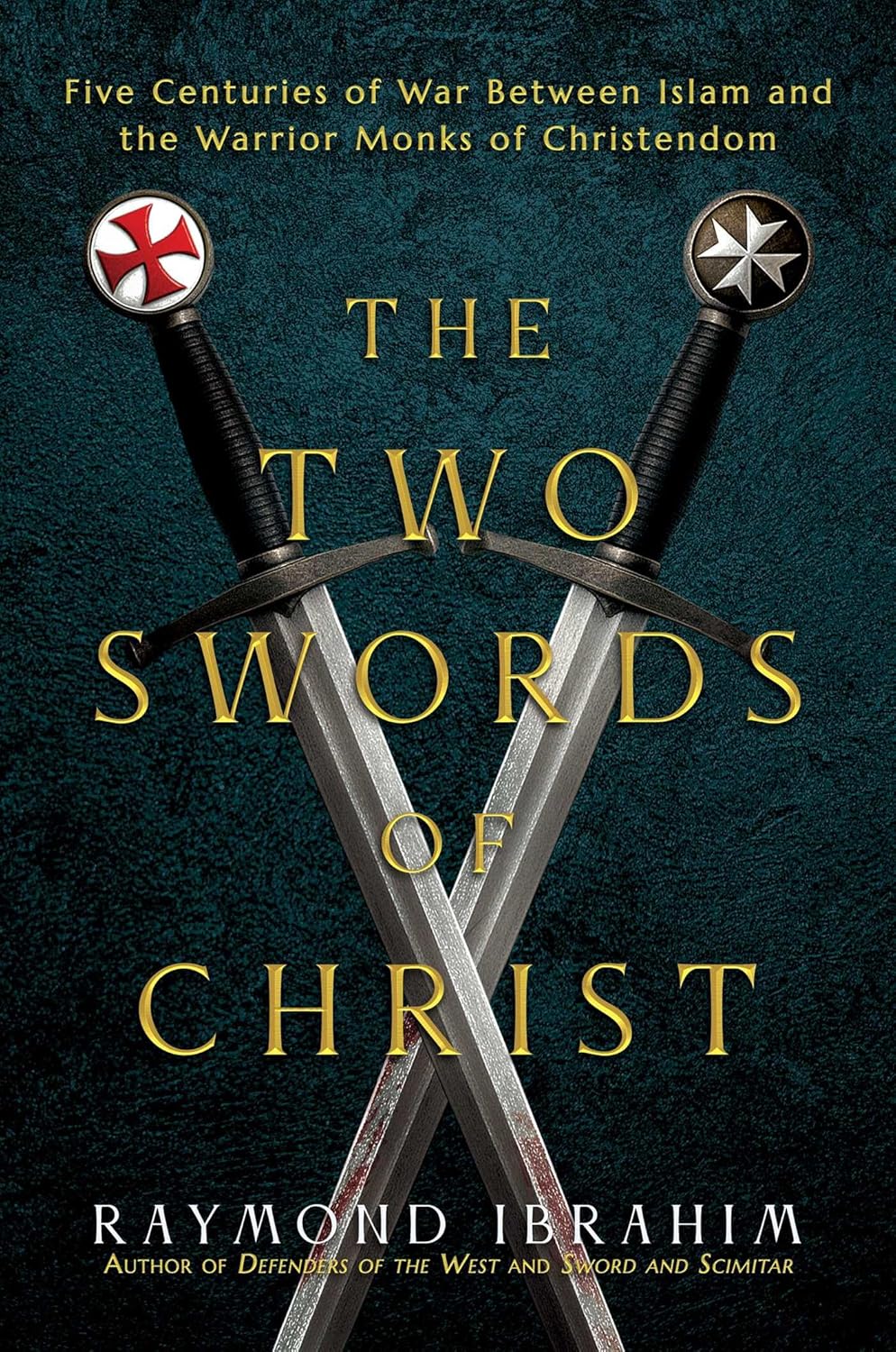
The Two Swords of Christ: Five Centuries of War between Islam and the Warrior Monks of Christendom by Raymond Ibrahim
Pub Date: November 25, 2025 and is available for pre-order on Amazon.
The definitive account of the warrior-monks who stood as Christendom’s shield against centuries of relentless Islamic aggression and a superlative example of Muscular Christianity for an era marred by effete and effeminized forms of the faith.
In this magisterial history, Raymond Ibrahim chronicles the long and brutal conflict between Islam and the West through the eyes and lives of Christendom’s original commando forces: the knights of the Temple and Hospital. These warrior monks, whose unprecedented fusion of piety and militancy remains unmatched to this day, played a pivotal—though overlooked if not suppressed—role in defending Christian civilization against the onslaught of Islamic forces during the Crusades and beyond.
Drawing on an exhaustive study of primary sources, and infused with his signature blend of rigorous scholarship and compelling storytelling, Ibrahim’s groundbreaking work far transcends the typical constraints of modern academic retellings, debunks widely held myths (such as the persistent claim that the Templars evolved into the Freemasons), and uncovers the theological foundation that gave rise to and provided justification for these military orders. In line with Christ’s now ignored directive that “two swords” are “enough” (Luke 22:38), these two brotherhoods wielded both spiritual and martial power to safeguard the faith.
WARNING: Brimming with epic battles, stunning heroism, and self-sacrificial martyrdom against the savage hordes of Islam, The Two Swords of Christ—the third installment of Ibrahim’s trilogy (following Sword and Scimitar and Defenders of the West)—stands as his fiercest and most violent narrative to date.
About Author:
(Bio and Picture from goodreads)
RAYMOND IBRAHIM is a widely published author, public speaker, and Middle East and Islam expert. His books include Crucified Again: Exposing Islam’s New War on Christians (2013) and The Al Qaeda Reader (2007). His writings, translations, and observations have appeared in a variety of publications, including Fox News, Financial Times, Jerusalem Post, Los Angeles Times, New York Times Syndicate, United Press International, USA Today, Washington Post, Washington Times, and Weekly Standard; scholarly journals, including the Almanac of Islamism, Chronicle of Higher Education, Jane’s Islamic Affairs Analyst, Middle East Quarterly, and Middle East Review of International Affairs; and popular websites, such as American Thinker, the Blaze, Bloomberg, Christian Post, FrontPage Magazine, Gatestone Institute, the Inquisitr, Jihad Watch, NewsMax, National Review Online, PJ Media, VDH’s Private Papers, and World Magazine. He has contributed chapters to several anthologies and been translated into various languages.
Ibrahim guest lectures at universities, including the National Defense Intelligence College, briefs governmental agencies, such as U.S. Strategic Command and the Defense Intelligence Agency, provides expert testimony for Islam-related lawsuits, and has testified before Congress regarding the conceptual failures that dominate American discourse concerning Islam and the worsening plight of Egypt’s Christian Copts. Among other media, he has appeared on MSNBC, Fox News, C-SPAN, PBS, Reuters, Al-Jazeera, Blaze TV, CBN, NPR, and dozens of radio interviews.
Ibrahim’s dual-background—born and raised in the U.S. by Coptic Egyptian parents born and raised in the Middle East—has provided him with unique advantages, from equal fluency in English and Arabic, to an equal understanding of the Western and Middle Eastern mindsets, positioning him to explain the latter to the former. His interest in Islamic civilization was first piqued when he began visiting the Middle East as a child in the 1970s. Interacting and conversing with the locals throughout the decades has provided him with an intimate appreciation for that part of the world, complementing his academic training.
Raymond received his B.A. and M.A. (both in History, focusing on the ancient and medieval Near East, with dual-minors in Philosophy and Literature) from California State University. There he studied closely with noted military-historian Victor Davis Hanson. He also took graduate courses at Georgetown University’s Center for Contemporary Arab Studies—including classes on the history, politics, and economics of the Arab world—and studied Medieval Islam and Semitic languages at Catholic University of America. His M.A. thesis examined an early military encounter between Islam and Byzantium based on arcane Arabic and Greek texts.
Ibrahim’s resume includes serving as Associate Director of the Middle East Forum and working as a Reference Assistant at the Near East Section of the Library of Congress, where he was often contacted by, and provided information to, defense and intelligence personnel involved in the fields of terrorism and area studies, as well as the Congressional Research Service.
He resigned from both positions in order to focus exclusively on researching and writing and is currently a Shillman Fellow at the David Horowitz Freedom Center, an associate fellow at the Middle East Forum, a Hoover Institution Media Fellow (2013), and a CBN News contributor.
Over Memorial weekend, I read quite a bit and have been listening to an audio book while working on a few art projects. These past few days has been reflective and I’m also busy with outlining a few ancient history articles I want to write. There is much work to be done on them and I have an extensive amount of research and studying to do. I’m thrilled with this endeavor and I’m looking forward to seeing where it leads me. In this post, I’m sharing a couple short books I read and one I started two days ago. This does not include my NetGalley reads or what I’m currently listening to. That may come in a later post.
Stephanie
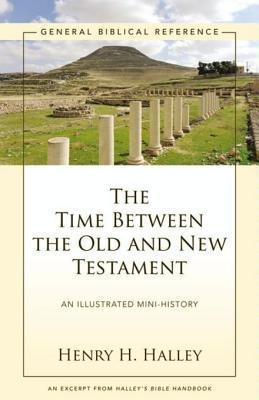
The Time Between the Old and New Testament: A Zondervan Digital Short by Henry H. Halley
First published July 24, 2012
Derived from Halley’s Bible Handbook, a world-renowned, accessible guide to the Bible now in its 25th edition, this digital short sketches the history of the time between the Old and New Testaments. The rise of the Greek and then Roman Empires, the Maccabees, Herod’s Temple, the Sanhedrin—this introduction to a fascinating era not covered in the Bible includes all of the above and more. Useful for Bible students wanting to better understand the cultural context of the New Testament and for readers interested in Middle Eastern and early European history, The Time Between the Old and New Testaments shines light on a key period in world and religious history.
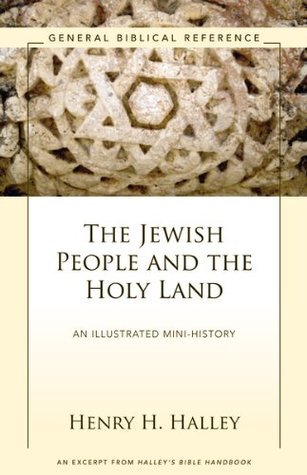
The Jewish People and the Holy Land: A Zondervan Digital Short by Henry H. Halley
First published July 24, 2012
Derived from Halley’s Bible Handbook, a world-renowned, accessible guide to the Bible now in its 25th edition, this digital short sketches the history of the Jewish people in the Holy Land from the time of Jesus until the present day. Useful for students of the Bible and church history, The Jewish People and the Holy Land will also fascinate readers wanting to better understand the historic roots of the modern state of Israel.
Currently Reading:
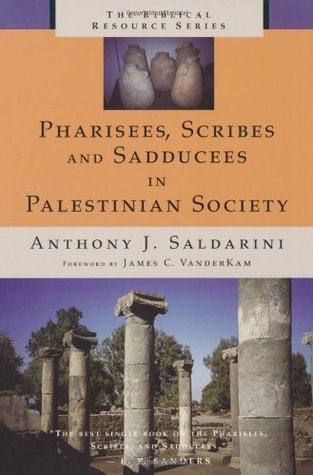
Pharisees, Scribes and Sadducees in Palestinian Society
by Anthony J. Saldarin
Widely praised in its original edition and now part of the Biblical Resource Series, this volume offers a superb discussion of the role of the Pharisees, scribes, and Sadducees in Palestinian Jewish society. Applying a sociological approach to the biblical and literary sources, Anthony Saldarini accurately portrays these three most prominent groups of educated leaders in Jewish society and describes their relationship to other Jewish social movements from 200 B.C.E. to 100 C.E. Featuring a new foreword by James C. VanderKam, Pharisees, Scribes, and Sadducees in Palestinian Society will remain a standard point of reference for the continuing study of Judaism and Christian backgrounds.


 Layered Pages