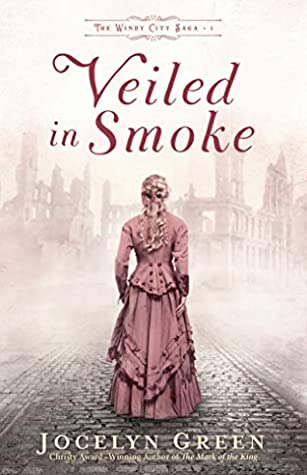
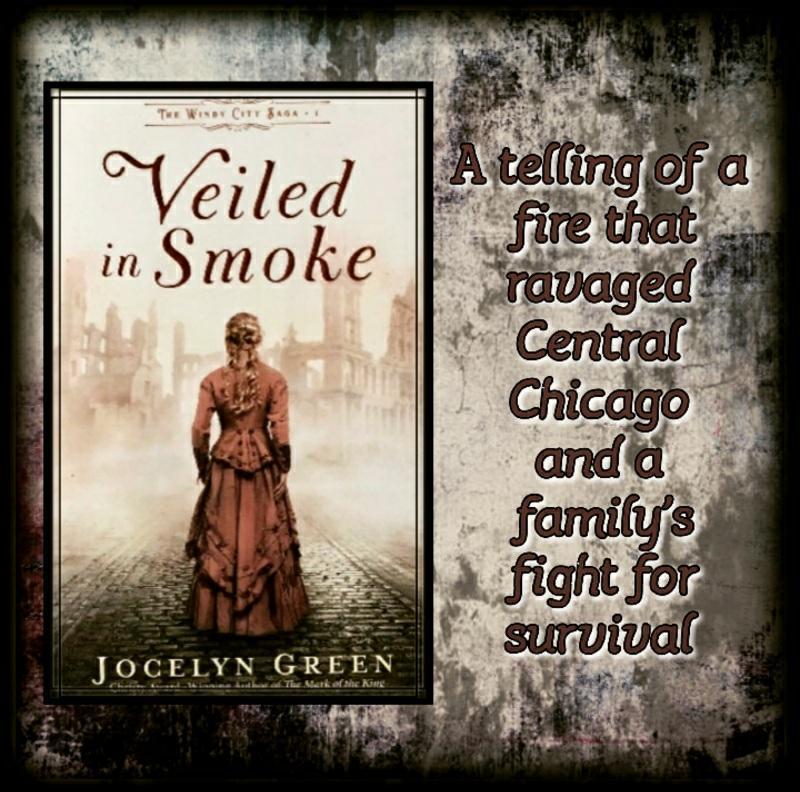
Book Review: Veiled in Smoke by Jocelyn Green

(The Windy City Saga #1)

Paperback, 416 pages

Published February 4th 2020 by Bethany House Publishers

Meg and Sylvie Townsend manage the family bookshop and care for their father, Stephen, a veteran still suffering in mind and spirit from his time as a POW during the Civil War. But when the Great Fire sweeps through Chicago’s business district, they lose much more than just their store.

The sisters become separated from their father, and after Meg burns her hands in an attempt to save a family heirloom, they make a harrowing escape from the flames with the help of Chicago Tribune reporter Nate Pierce. Once the smoke clears away, they reunite with Stephen, only to learn soon after that their family friend not only died during the fire–he was murdered. Even more shocking, Stephen is charged with the crime and committed to the Cook County Insane Asylum.

Though homeless, injured, and suddenly unemployed, Meg must not only gather the pieces of her shattered life, but prove her father’s innocence before the asylum truly drives him mad.

My thoughts:

I’ve heard of the Great Fire in Chicago during that period but I don’t believe or can’t remember if I’ve read an historical fiction story that takes place during that time. I was delighted to come across, Veiled in Smoke and I had not read any of Green’s stories beforehand. Needless to say, I was unfamiliar with her work and was eager to delve in her world-building.

I have to say, while the introduction of the characters in the beginning was intriguing, the build-up to the day of the fire felt rushed and lacked a certain substance. I started to have doubts about this book but rallied on. The story didn’t take off until the fire broke out. At that very moment, I felt a shift in the structure of the storytelling and became immensely captivated. The telling of the fire itself and was outstanding and so realistic, you are completely transported to time and place.

I enjoyed reading about Meg and Sylvie’ life during this tragic event and the author does a marvelous job at creating sisterly tension and, at times, unease in their relationship. She also shows their love for each other, for their father and others.

Although different in many ways, Meg with her artistic ability and Sylvia with her love of books and independent in thought, they are both intelligent and they didn’t give up, despite their daunting predicaments. There are many life lessons to be learned with their story.
Banner by Stephanie Hopkins

Stephen’s suffering from Soldiers Heart AKA PTSD from his time as a POW in Andersonville is heartbreaking, yet, eye opening to read about. The Prison camp is reported to have been the largest prison for holding Union soldiers and its conditions are heartbreaking to say the least.

Having said that, there is a topic about how Andersonville was portrayed that I felt needed to be addressed in the story and wasn’t. I felt the subject a bit one sided and conveniently left out to drive a particular narrative about the South. The soldiers weren’t suffering entirely at the fault of people in charge of running the camps. The guards weren’t in much better shape due to the lack of supplies for all. As the war raged on, throughout the south, there was great suffering of starvation, death due to food shortages, water pollution, lack of clothing, disease, increase violence among the civilians, particularly to the females, and lack medicines. While it is known that the north managed prisons differently, both Union and Confederate, really, suffered deficiencies. There was also Lincoln’s blockade of the southern states that played a huge role in this problem.

I can’t say for certain what the author’s intentions were regarding this topic, but nonetheless, I have to say, this particular part slightly vexed me somewhat because I see this premise often in historical fiction and in our education system. That said, and to be fair, the author does give an indication of how the union prisoners treated each other in Andersonville and quite possibly she is portraying how a union solder’s mindset-at the time-probably was due to trauma experienced to drive the stories narrative. Another consideration is that writing a historical story is far more difficult than it appears. You can’t please everyone.

Years after the war, Stephen still struggles with PTSD. Then when Stephen is charged with a serious crime, that took place during the fire, and taken to the Cook Cunty Insane Asylum, would be anyone’s undoing. In one instance, when he arrived to the asylum, they reduced him to a number, stripping his identity to make him less human.

From previously reading about asylums during that period, I had already known what they were like but reading Stephen’s experience made it all too real and affected me in such a way, that even now, I’m still outraged and sadden over the ill treatment of patients in those places. It is absolutely appalling how he was treated and the lack of respect he was given for his service during the war. Even before he was put in that place. His struggles are deeply felt.

Despite what I said about the prison camp topic, I must confess that this is one of the better stories written I’ve read that takes place during post-civil war in the 19th Century. I have noted many passages that I found to be inspiring and I feel deeply about many of the characters.

Green weaves a compelling story of a family’s fight for survival and healing. She gives us a well-constructed insight into the lives of the characters, Stephen’s mental state and trauma the fire caused the city and its’ people. Overall, there are many elements to the story that make it a noble read.

Veiled in Smoke will be placed among my go-to 19th Century Historical Fiction reads and I look forward to reading the next book in this saga.

Stephanie Hopkins

I obtained a copy from the publishers through NetGalley.

Side note: If you are a fan of Little Woman by Louisa May Alcott, most likely you will enjoy this story a great deal!  
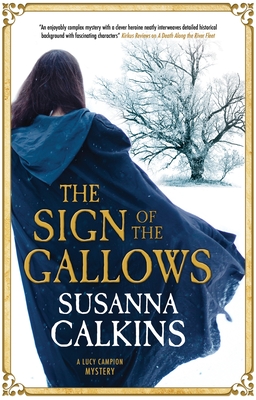
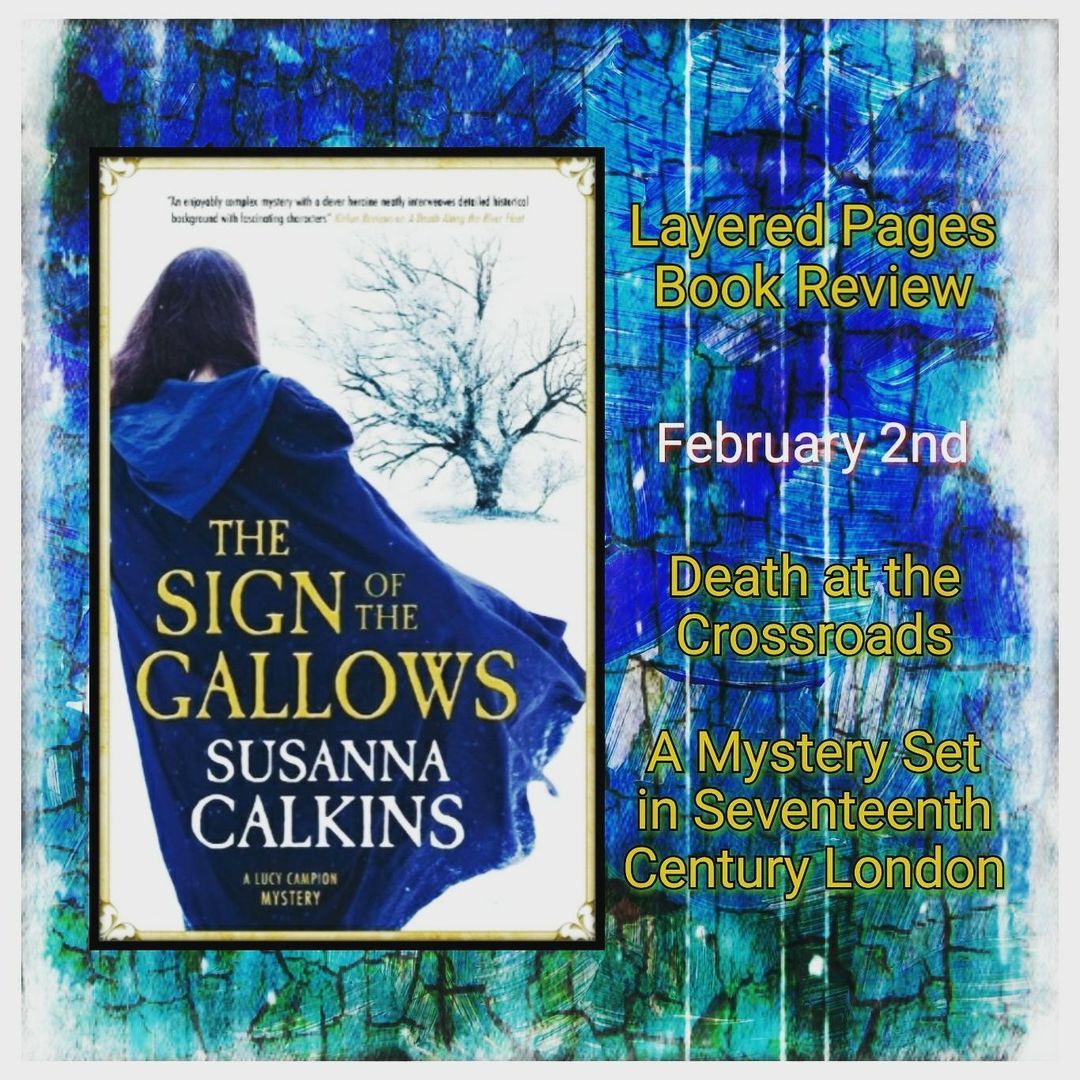
Book Review: The Sign of the Gallows (A Lucy Campion Mysteries, #5) by Susanna Calkins

About the book:

London, 1667. On her way to a new market to peddle her True Accounts and Strange News, printer’s apprentice Lucy Campion quickly regrets her decision to take the northwestern road. Dark and desolate, the path leads her to the crossroads – and to the old hanging tree. She doesn’t believe in ghosts, but she’s not sure ghosts don’t believe in her. But before she even reaches the crossroads, she’s knocked off her feet by two men in a hurry. What were they running from? To her dismay, she soon discovers for herself: there, dangling from the tree, is the body of a man. Did he commit self-murder, or is there something darker afoot? The more Lucy learns, the more determined she is to uncover the truth. But this time, even the help and protection of magistrate’s son Adam, and steadfast Constable Duncan, may not be enough to keep her safe from harm . . .

My thoughts:

Seventeenth Century, London was a calamity to say the least! With the century brought the Great fire of London, the plague and co-conspirators plotting to blow up the Houses of Parliament including the King. My word, I’d say that in itself is brutal enough. However, there are other dark forces at work.

Author Susanna Calkins brings the century to life through her Campion series of murder, mayhem and intrigue. Lucy, finds herself in the center of another murder investigation and the search for the murderer reveals that there are darker forces at work.

Lucy is an apprentice-of sorts for a printer and bookseller, Master Aubrey. While all his staff are important to his business, I find Lucy to be the most spirited and undoubtedly clever at telling stories and selling book. I believe Aubrey know Lucy’s value and its why I think he gives her a pass quite to bit to aid in the investigation.  She is quite the social warrior and truly cares for people.

I’m really pleased with the support system Lucy’s has among her friends and formal employees, the Hardgraves. I admire the Hargraves respect and affection they have for Lucy despite their class distinction. What lively, caring and intelligent people.

Banner and painting by Stephanie Hopkins

Every single character in the story is fascinating and fun to read about, even the villains. Calkins does a marvelous job in showing the reasons people act on things due to their own situations in life. Regardless if we agree with them or not, its important to know the reasons. The human mind is an extortionary and often times, dark place. We can learn much from it.   

The investigation in the murder at the crossroads had lots of great twist and turns and it was an enjoyable read and one feels caught in trying to figure out who done it right along Lucy and the others.

The two men she ran into before making her way to the crossroads are something else. While their actions are suspicious at best, their grievance is understandable as the story unfolds.

I appreciate the story-line of Aubrey’s print shop and the reading material he sells. It has inspired me to look further into how books were printed during the 17th century.

I started this series at book four because I agreed to review it and find myself wanting to go back and read the first book and on…Despite that, I believe from the two books I’ve read, they are good stand-alone stories.

Calkins is a creative and imaginative story-teller and she weaves a story marvelously at a wonderful pace that keeps you engrossed. -Stephanie Hopkins

I obtained a galley copy from the publishers through NetGalley for an honest review.

Review: A Death Along the River Fleet (Lucy Campion Mysteries #4) by Susanna Calkins

Image of the Month: By the Water’s Edge

Photo taken by Stephanie Hopkins

The Lonely Stark Tree

The lonely stark tree impelled its roots deep into the soil by the water’s edge

Its branches stretch towards the greenish-blue water beckoning for a taste of its sweet sparkling mineral

Longing for spring’s rebirth, the lonely stark tree’s dormancy endures the southern winter season with strong viability

Though frail looking, the lonely stark tree bends and sways with the wind in song of seasons to come

Hold tight, be strong, your time to shine draws near

by Stephanie Hopkins

See also Lisl’s Image of the Month ~I’m Just Gonna Leave This Right Here

Copy Right 2021

The partial poems I share at Layered Pages are date stamped and part of a collection of poems that are being compiled into publish works.

Copy Right 2021

Images and poems are subjected to copyright.

In order to use any images or any written content on Layered Pages platform, you must seek permission from Stephanie Hopkins

C

What World Building Includes

Photo by Stephanie Hopkins

A Reader’s Perceptive

World building serves the purpose to establish, time period, location, landscape, climate, and cultural surroundings. Its foundation of these elements is important for the reader to be transported in the character’s world. By accomplishing this, a writer must research and understand the world they are creating. Saying where your story takes place and adding a few notable locations, and buildings, doesn’t cut it. Make the reader believe they are there.

Use the Senses

You want your readers to be fully engaged in your story. It is a must!

Examples: Do your readers hear the horse’s hoofs on the cobble stone road drawing near? Do they see the dense fog rolling in the city’s streets? Does the reader know the culture’s way of dress, social class norms and rules? What are the events happening in the period they are living in? Such as, how things are made, talked about, and what is the population like? How do they get along or what are their resources? The list goes on…

I read a great story recently but didn’t feel transported to the time period. Which made it harder to understand the character’s actions. World building is vital.

Stephanie Hopkins

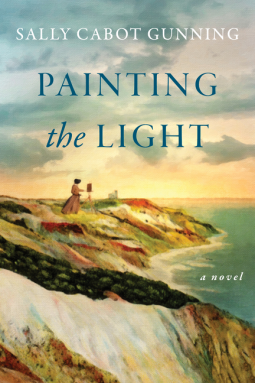
Cover Crush: Painting the Light by Sally Cabot Gunning

About the Cover: I chose this cover because of the ocean and cliffs. A calming and beautiful scenery. How the light is shown from the sky. One can imagine the smell of salt air and feel of the breeze coming from the ocean.

About the book: This story takes place in my favorite period to read about and I love that Ida is an artist. During that time it wasn’t “done” for a woman to enroll in art classes.

Imagine living on a seaside farm. Though, ,sadly, it sounds if she is having to put her passion of art behind her to tend to her duties on the farm.

Oftentimes, art is drawn from tragedy and heart-break. I wonder and hope she finds her passion again. -Stephanie Hopkins

Book Description

William Morrow and Custom House

William Morrow

General Fiction (Adult) Historical Fiction |Literary Fiction

Pub Date 01 Jun 2021

From the critically acclaimed author of Monticello and The Widow’s War comes a vividly rendered historical novel of love, loss, and reinvention, set on Martha’s Vineyard at the turn of the nineteenth century.

Martha’s Vineyard, 1898. In her first life, Ida Russell had been a painter. Five years ago, she had confidently walked the halls of Boston’s renowned Museum School, enrolling in art courses that were once deemed “unthinkable” for women to take, and showing a budding talent for watercolors.

But no more. Ida Russell is now Ida Pease, resident of a seaside farm on Vineyard Haven, and wife to Ezra, a once-charming man who has become an inattentive and altogether unreliable husband. Ezra runs a salvage company in town with his business partner Mose Barstow, but he much prefers their nightly card games at the local pub to his work in their Boston office, not to mention filling haystacks and tending sheep on the farm at home—duties that have fallen to Ida and their part-time farmhand Lem. Ida, meanwhile, has left her love for painting behind.

It comes as no surprise to Ida when Ezra is hours late for a Thanksgiving dinner, only to leave abruptly for another supposedly urgent business trip to Boston. But then something truly unthinkable happens: a storm strikes, and the Portland sinks. Ezra and Mose are presumed dead.

In the wake of this shocking tragedy, Ida must settle the affairs of Ezra’s estate, a task that brings her to a familiar face from her past—Henry Barstow, Mose’s brother and executor. As she joins Henry in sifting through the remnants of her husband’s life and work, Ida must learn to separate truth from lies and what matters from what doesn’t.

Painting the Light is an arresting portrait of a woman, and a considered meditation on loss and love.

Be sure to follow and check out more of my art at my Instagram!

before the second sleep cover crush

Stephanie Hopkins

Layered Pages Top 2020 Reads

Favorite Books Read in 2020

Last year my Goodreads challenge was to read twenty fiction books. I surpassed that goal and read thirty. However, I read more than thirty books. Beyond that was research books for my writing project and other research projects. I did not count those on goodreads because I’m continually referring to them.

The fiction books below are my top favorite reads, though not in a particular order. This year’s reading goal is much bigger. I will be talking about that more a little later on. What were your favorite 202 reads? -Stephanie Hopkins

Top Favorites

Dreamland by Nancy Bilyeau

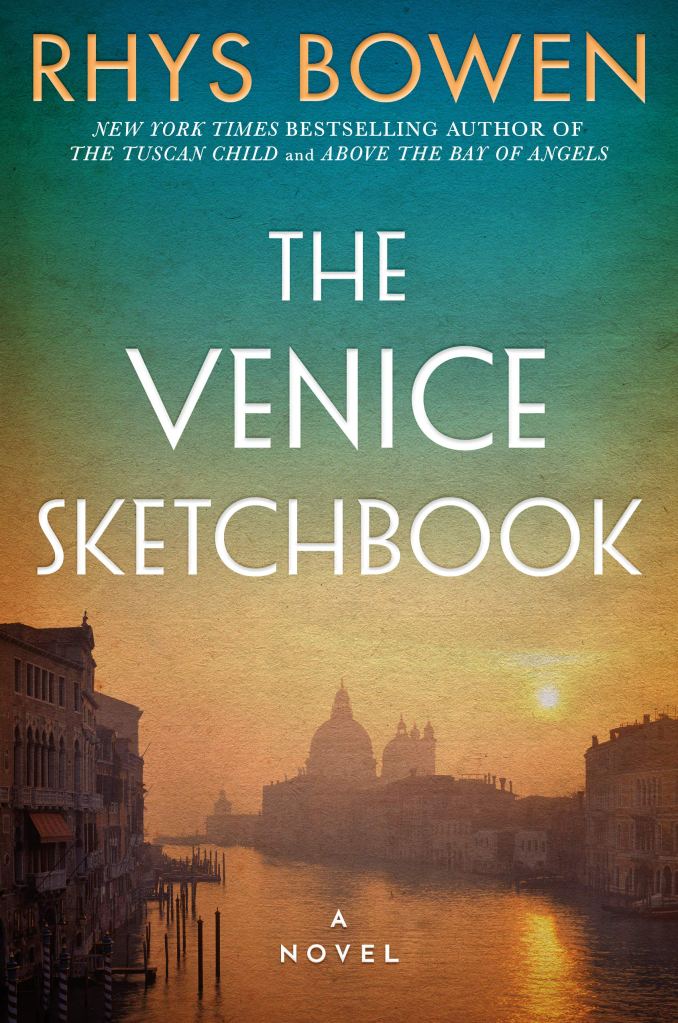
The Venice Sketchbook by Rhys Bowen

The Lost Village by Camilla Sten

Migrations by Charlotte McConaghy

The Jane Austen Society by Natalie Jenner

The Drowning Kind by Jennifer McMahon

Be sure to check these titles out on Goodreads and Amazon!

Favorite Covers:

Here are my favorite covers out of the bunch. Which covers do you like?

Weird Wednesday: An Exploration of Our Quirky World

Nineteenth Century Slang, Phrases and Meanings

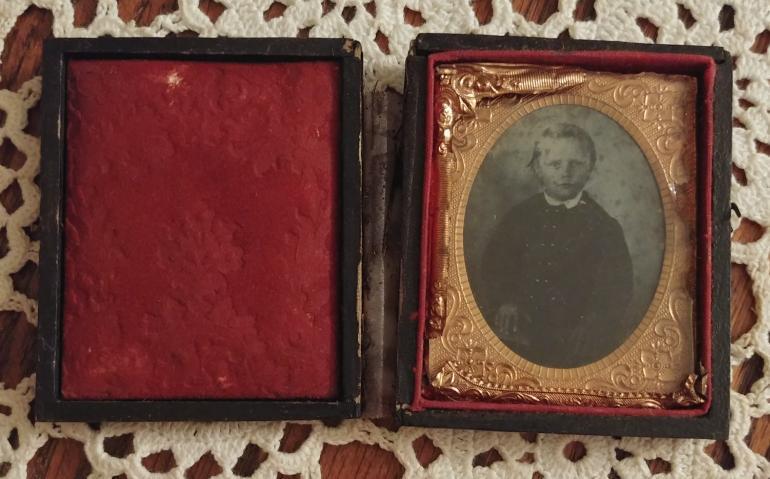
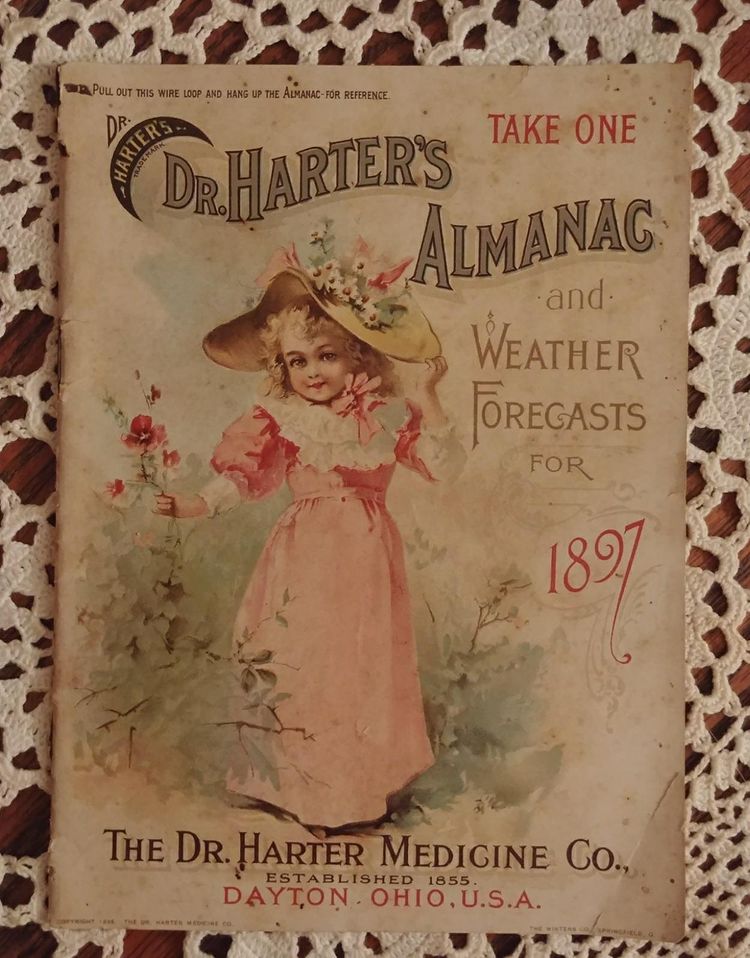
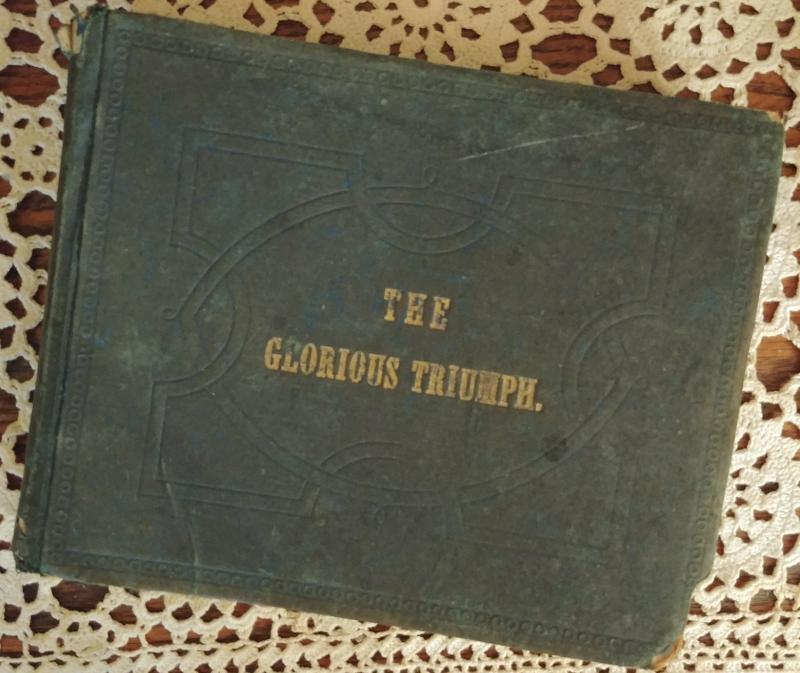
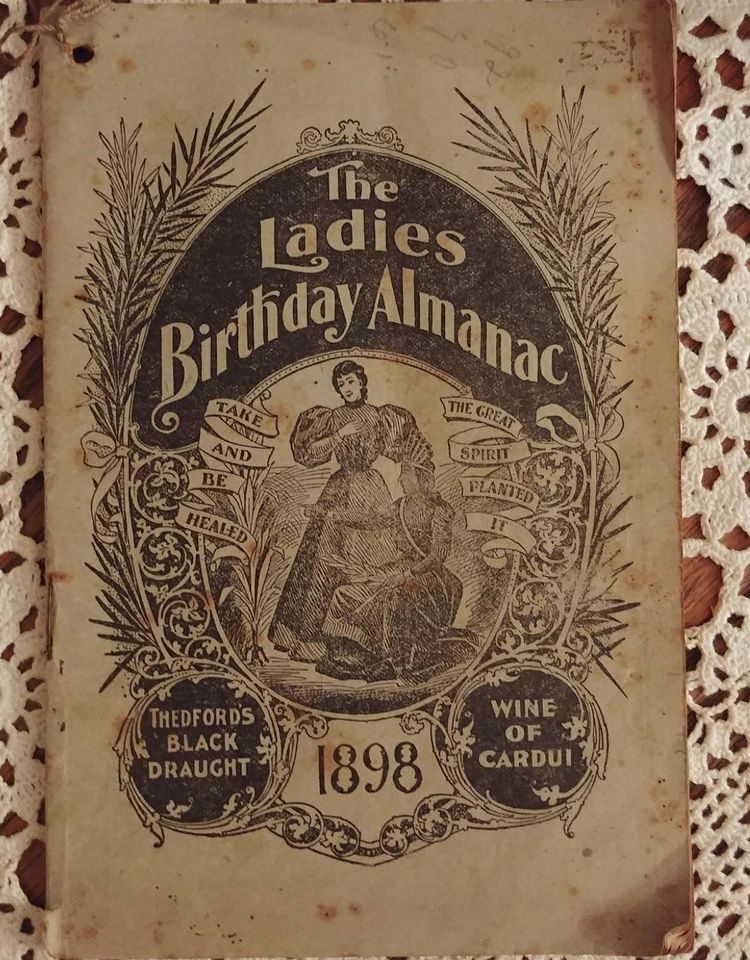
19th Century Family Heirloom

We live in an extraordinary quirky world that often times we forget to pause in our busy lives to notice. During these times many cannot venture outside-another great reason to pick up a book-so we are bringing our explorations to you.

I’m obsessed with history and cultures from all walks of like. A particular favorite of mine-because I read and write stories in the time period-is nineteenth century history in America. Did you know that many of our expressions and slang come from what many considered forgotten or overlooked? Today we are taking a look at a few quirky slang words and phrases from the nineteenth century and perhaps, we will find a few similar to our modern-day slang. But before we do, and without going too much in-depth on this subject, lets’ look at its definition and a minuscule of the development.

Many slang words and phrases were brought to America from other countries and thus been adopted. Subcultures blending and becoming our main culture-if you will. Slang is ingrained in Americans’ and many don’t realize they are using it or where it comes from or how it evolves. Truth be told, it is difficult to say where exactly it all originated from.Often times, the meaning of the words change or the word can be used for different purposes.. For example: In the American Civil War Era, the word, “Dictator,” means: “The nickname of a 13-inch seacoast MORTAR mounted on a railroad flatcar and utilized during the siege of Petersburg. A.k.a the Petersburg Express.” In today’s society, “Dictator,” is commonly known as a country governed by a Dictator. Another example is, “Dresser,” The usage of this word during the American Civil War Era meant: “A volunteer or medical student assigned the task of dressing wounds. Today we associate the word as a piece of furniture that has drawers to hold clothing, house items and etc…

19th Century Family Heirloom

According to Britannica: “Slang, unconventional words or phrases that express either something new or something old in a new way. It is flippant, irreverent, indecorous; it may be indecent or obscene. Its colorful metaphors are generally directed at respectability, and it is this succinct, sometimes witty, frequently impertinent social criticism that gives slang its characteristic flavor. Slang, then, includes not just words but words used in a special way in a certain social context. The origin of the word slang itself is obscure; it first appeared in print around 1800, applied to the speech of disreputable and criminal classes in London. The term, however, was probably used much earlier. The term, however, was probably used much earlier.” Click on the Britannica site to read more about it their interpretation.  

19th Century Family Heirloom

19th Century Slang and phrases used in America

Here are a few quirky slang and phrases you probably have never heard of:

Hornswoggling, Honey-fuggling, Give me jesse, Bottom fact, Hang up one’s fiddle, To give up, See the elephant, gallnipper, Go the whole hog: to go all the way, Acknowledge the corn, and I’ll Hang up my fiddle.  

Here are a few that you might know:

Humbug, Dad-blame it, You can sass me, You cussed scalawag, How came you so, they’re “Fixin’ to” do it, Carryings-on, Crazy as a loon, Almighty, grit, Bad egg, balderdash, dude (a dandy), and Over yonder.

19th Century Family Heirloom

Meanings of a few:  

Grit: guts; courage; toughness.

Hang up one’s fiddle: to give up.

Go the whole hog: to go all the way.

Almighty: huge

Bad egg: a bad person; a good-for-nothing person.

My personal favorites (Southerners Use):

A-hootin’ and a-hollerin’, Bless your heart, Fixin’ to, I reckon, Hold your horses, Well, I declare, Heavens to Betsy, and Hush your mouth, Water under the bridge, Hogwash, Stuff and nonsense.

Mind your own beeswax – started as a retort in the 1700’s. I remember using that phrases often as a child. Ha!

I’ve only scratched the surface of this fascinating and quirky topic and what a subject to explore! One can go down a rabbit hole with this. What are a few quirky slang words and phrases from the nineteenth century that you know? -Stephanie Hopkins

Images may be subjected to copyright. In order to use art images or any content on Layered Pages platform, please ask permission from Stephanie Hopkins

Life’s Simple Pleasures

2020 Journal Overview

Life has its ups and downs and it is vital for one to find the simple things in daily tasks to keep moving forward. One of my pleasures in life is journaling. Whether it be art journaling, creating a new DIY journal or just writing an entry, brings me peace.  

Whenever I sit at my desk or reading chair to journal, I’m reminded of the time I was gifted my first diary at a young age. The memory is forever cherished in my heart and with it brings an appreciation for the pastime of writing my thoughts down. When you express your thoughts and feelings on paper, it is an extraordinary record of moments in your life.

My first diary was an Anne Of Green Gables Journal filled with Anne’s saying and little passages of her story written by Lucy Maud Montgomery. Lucy’s beloved story is inspired by notes she wrote as a young girl in rural Canada.  I’ve lost count how many times I’ve watched the first adaption growing up. Looking back at what I wrote, I filled that diary with such strong emotions for one so young. Those were certainly captivating times…

Completed Journals

Last year I completed several journals shown above.  I really grew in my craft with these journals and making them, I was encouraged to keep writing and create art throughout the troubled year.

The journals shown below are my on-going ones that I write in from time to time. The earliest ones were started in 2014 and 2017. If you’ve never kept a journal before, I want to encourage you to start. You’ll learn, and grow mentally while providing yourself with valuable insight of your surroundings and your inner-self through life’s journey. -Stephanie Hopkins

On-going Journals

Images may be subjected to copyright. In order to use art images or any content on Layered Pages platform, please ask permission from Stephanie Hopkins

A New Year of Possibilities

“New year—a new chapter, new verse, or just the same old story? Ultimately, we write it. The choice is ours.” —Alex Morritt

What will you make of the new year?

These are uncertain times we live in due to world wide shut downs, riots, protest, political unrest and the virus. Everyone has stories to tell. Many are the same and many are different. Today is the start of a new year and what we bring to it matters.

I choose to focus on the positive and the valuable lessons I learned about myself with regards to my faith in God, supportive people, art, books, mindfulness and creating good habits. All of these carry over in my daily life no matter the struggles. Your positive endeavors are what gets you through bits and pieces you cannot control. Or better yet, it is something you control because you refuse to give in to the darkness.  

This year at Layered Pages, I will be sharing ideas, thoughts, books, art, motivations, my love of history and many more worthwhile projects. Be inspired, have faith, be positive, seek kindness, and explore. Happy New Year!

-Stephanie Hopkins

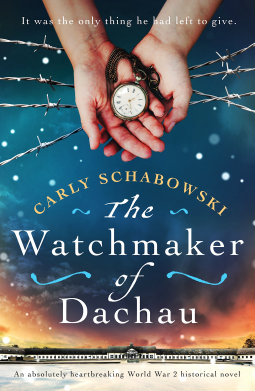
Cover Crush: The Watchmaker of Dachau by Carly Schabowski

About the Cover: This cover is definitely and eye catcher! Love the landscape and colors.

About the book: There are a lot of books out there about Word War II. Though a bit burned out on them, I find this one interesting. It looks to be character driven. Keeping an eye on this one! -Stephanie

Book Description:

Bookouture

Historical Fiction

Pub Date 20 Jan 2021

An unforgettable novel of human kindness, inspired by an incredible true story.

Snow falls and a woman prepares for a funeral she has long expected, yet hoped would never come. As she pats her hair and straightens her skirt, she tells herself this isn’t the first time she’s lost someone. Lifting a delicate, battered wristwatch from a little box on her dresser, she presses it to her cheek. Suddenly, she’s lost in memory…

January 1945. Dachau, Germany. As the train rattles through the bright, snowy Bavarian countryside, the still beauty outside the window hides the terrible scenes inside the train, where men and women are packed together, cold and terrified. Jewish watchmaker Isaac Schüller can’t understand how he came to be here, and is certain he won’t be leaving alive.

When the prisoners arrive at Dachau concentration camp, Isaac is unexpectedly pulled from the crowd and installed in the nearby household of Senior Officer Becher and his young, pretty, spoiled wife. With his talent for watchmaking, Isaac can be of use to Becher, but he knows his life is only worth something here as long as Becher needs his skills.

Anna Reznick waits table and washes linens for the Bechers, who dine and socialise and carry on as if they don’t constantly have death all around them. When she meets Isaac she knows she’s found a true friend, and maybe more. But Dachau is a dangerous place where you can never take love for granted, and when Isaac discovers a heartbreaking secret hidden in the depths of Becher’s workshop, it will put Anna and Issac in terrible danger…

A gorgeously emotional and tear-jerking read set during World War Two. Perfect for fans of The Tattooist of AuschwitzWe Were the Lucky Ones and The Alice Network.

Be sure to follow and check out more of my art at my Instagram!

before the second sleep cover crush

Stephanie Hopkins