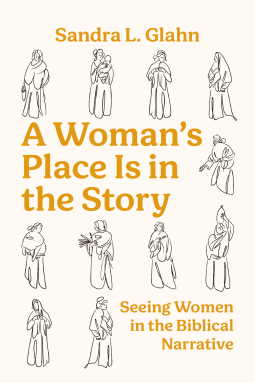
IVP Academic sent me an invite via email a few days ago, asking me if I would like to read and review “A Woman’s Place Is in the Story,” and I was thrilled to accept the invite. What perfect timing, I thought. I first heard of Dr. Glahn’s work through Dr. Carmen Joy Imes and I have a few of Glahn’s books already on my wish-list, including, “Nobody’s Mother: Artemis of the Ephesians in Antiquity and the New Testament.”
Recently, I have been thrilled to have discovered many female and male scholars addressing this topic, and I’m looking forward to the continuous journey in reading and studying these much needed works.
When I read the book description and the first few pages of “A Woman’s Place Is in the Story,” it was like the author was reading my thoughts I’ve had over the years about women of the Bible, in the Old Testament and New Testament. I am certain it will be thus for many women and men who come across this book. A big thank you to IVP Academic for the advanced copy! – Stephanie
About the book:
Expected Publish Date: Aug 25, 2026 by IVP Academic
We Misread the Bible When Women Are Left Out
Ignore them, marginalize them, or dismiss them as brief cameos—these have long been common approaches to Christian teaching on the women of the Bible. The result? We miss their significance in the biblical story and, in turn, misunderstand Scripture itself. Scholar Sandra Glahn challenges this pattern, calling readers to recognize how biblical narrative actually works. When we do, we see that women are not incidental to the story but essential to it.
In A Woman’s Place Is in the Story, Glahn models how we can better read stories in their literary context and understand why the original authors included what they did. She reexamines both well-known and neglected passages, such as Tamar and Judah, the Hebrew midwives, Abigail, and the Samaritan woman at the well. Even when they appear briefly, women in Scripture move the plot forward and reveal profound truths about who God is.
In this book, you’ll explore how leaving women out of the biblical story changes the plot and meaning that was intended, how distorting women as they appear in the biblical story affects the way we view women in general, and how misunderstanding how women appear in the story affects the way we view God.
Women have always been part of the whole story of God. With A Woman’s Place Is in the Story, discover how rightly seeing women in the biblical narrative leads to more faithful interpretation and application for the benefit of all God’s people.
It’s time to tell the whole story.
Author the Author:
Dr. Sandra Glahn is a professor at Dallas Theological Seminary. She is the author or co-author of more than twenty-five books, including Nobody’s Mother: Artemis of the Ephesians in Antiquity and the New Testament and her forthcoming work (August 2026), A Woman’s Place Is in the Story: Seeing Women in the Biblical Narrative.
Today, I’m sharing the Bible studies I’m working through and the journey this year has truly been a blessing in my life. I’m also reading the Bible chronologically this year for the first time ever. What a difference it has made already in the in-depth studying I’ve been conducting for three plus years now. I discuss my studies in other posts, so I hope you check those out. Also last year, I took a deep dive in women’s roles and ministry in the Bible and women ministries today in modern times. I’m continuing that study and have found it rewarding in my life.
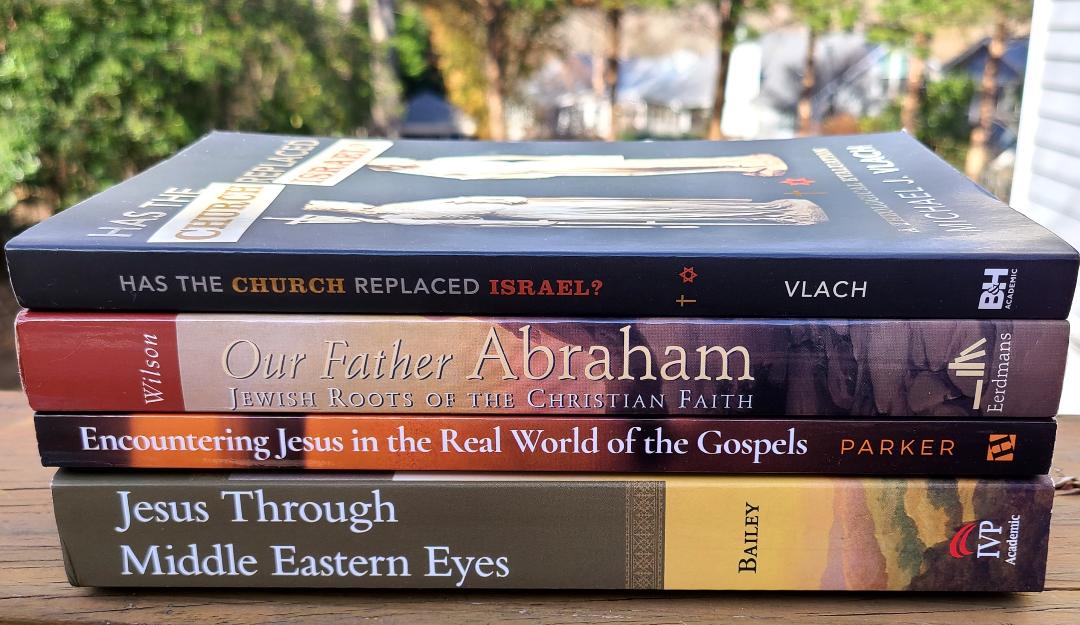
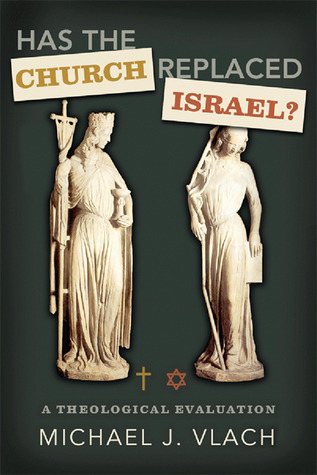
The books you see in this posts, are the ones I’m currently reading through. The first one on the book stack “Has the Church Replaced Israel” by “Michael J. Vlack takes a look at the theological evaluation of the different arguments and the author’s conclusion of this much heated debate in our current church environment. That said, this has been a long standing debate throughout history, but has become front in center in the last couple years due to the Israel/Gaza war.
About the book:
The relationship between Israel and the Church continues to be a controversial topic led by this Does the church replace, supersede, or fulfill the nation of Israel in God’s plan, or will Israel be saved and restored with a unique identity and role?
In Has the Church Replaced Israel? Author Michael J. Vlach evaluates the doctrine of replacement theology (also known as supersessionism) down through history but ultimately argues in favor of the non-supersessionist position. Thoroughly vetting the most important hermeneutical and theological issues related to the Israel/church relationship, Vlach explains why, “there are compelling scriptural reasons in both testaments to believe in a future salvation and restoration of the nation Israel.”
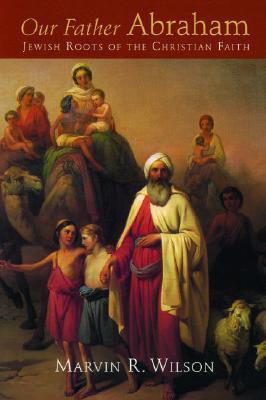
I read “Our Father Abraham” by Marvin R. Wilson a few years ago now and thought I would give it another read through. This book is from my father’s theological library and the book is a wonderful read.
About the book:
Although the roots of Christianity run deep into Hebrew soil, many Christians are regrettably uninformed about the rich Hebrew heritage of the church. This volume delineates the link between Judaism and Christianity, between the Old and the New Testament, and calls Christians to reexamine their Hebrew roots so as to effect a more authentically biblical lifestyle.
As an introduction to the world of Hebrew thought, Our Father Abraham is biblical, historical, and cultural in nature. At the same time, the writing is personal and passionate, reflecting Marvin Wilson’s own spiritual pilgrimage and his extensive dialogue with Jews. The book (1) develops a historical perspective on the Jewish origins of the church, (2) sets forth the importance and nature of Hebrew thought, (3) discusses how the church can become more attuned to the Hebraic mind-set of Scripture, and (4) offers practical suggestions for interaction between Jews and Christians.
The study questions at the end of each chapter enhance the book’s usefulness as a text and also make it suitable for Bible-study and discussion groups. All Christians–and Jews too–will profit from Wilson’s sensible treatments of biblical texts, his thorough understanding of both the Christian and the Jewish faith, and his honest historical analysis of the general failure of the Christian church to acknowledge and understand its relation to Judaism.
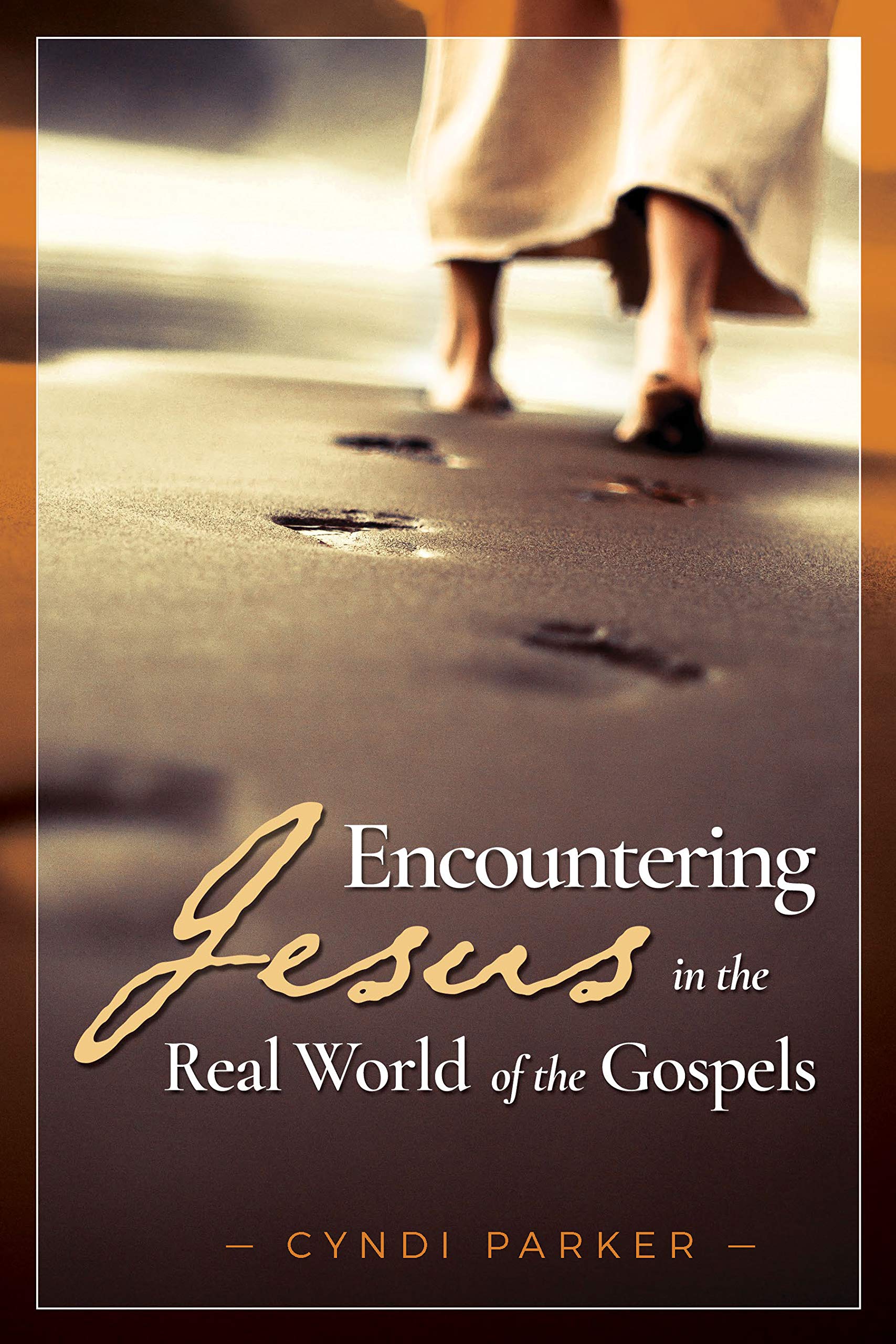
I’m trying to remember how I came across “Encountering Jesus in the Real World of the Gospel” by Cyndi Parker. As I typed that thought out, it came to me I might have heard about this book from Dr. Carmen J. Imes. Whatever the case, I remember downloading a sample to read before making commitment on purchasing the book. As you can see, I bought the book and I’m really enjoying what Parker has to say.
About the book:
Encountering Jesus in the Real World of the Gospels draws readers into a deeper understanding of ancient Israel and first-century Judaism—the clothing, setting, political climate, and more—all to better understand Jesus’ ministry. Instead of reading the Gospels through twenty-first-century eyes, author Cyndi Parker introduces readers to the larger context with the weight of the Old Testament behind them. This is an approachable and conversational book that introduces the reader to the complex human world of Jesus. Have you ever wondered if it is important that Jesus grew up in Nazareth but moved his public ministry to Capernaum, even though Jerusalem was the capital of Jewish thought? Does it seem strange to you that Pharisees, Sadducees, and Essenes held significantly divergent religious views, even though they were all Jewish? In this book, Cyndi Parker guides us through the intriguing drama of history that created the context of first-century Judaism. She extends an invitation to readers to take a new look at the long drama of God’s interactions with humanity that reach a climax in the life of Jesus. Encountering Jesus in the Real World of the Gospels focuses on the complexities of the political, social, literary, and religious context of the Gospels. The purpose is to advance readers’ understanding of the Gospels and help them encounter Jesus, the disciples, and crowds as real people in a real place at a time vastly different from today. Come explore the land of ancient Israel with its dramatic history, culture, and religion. Includes many images, maps, photos, and drawings throughout!
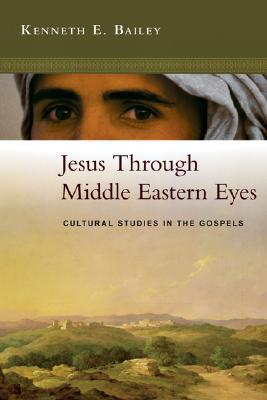
Jesus Though Middle Eastern Eyes (Cultural Studies In The Gospels) by Kenneth R. Bailey is a phenomenal read. So far, I’ve read three parts. I will definitely be reading other books by this author and I highly recommend this one.
About the book:
Beginning with Jesus’ birth, Ken Bailey leads you on a kaleidoscopic study of Jesus throughout the four Gospels. Bailey examines the life and ministry of Jesus with attention to the Lord’s Prayer, the Beatitudes, Jesus’ relationship to women, and especially Jesus’ parables. Through it all, Bailey employs his trademark expertise as a master of Middle Eastern culture to lead you into a deeper understanding of the person and significance of Jesus within his own cultural context. With a sure but gentle hand, Bailey lifts away the obscuring layers of modern Western interpretation to reveal Jesus in the light of his actual historical and cultural setting. This entirely new material from the pen of Ken Bailey is a must-have for any student of the New Testament. If you have benefited from Bailey’s work over the years, this book will be a welcome and indispensable addition to your library. If you are unfamiliar with Bailey’s work, this book will introduce you to a very old yet entirely new way of understanding Jesus.
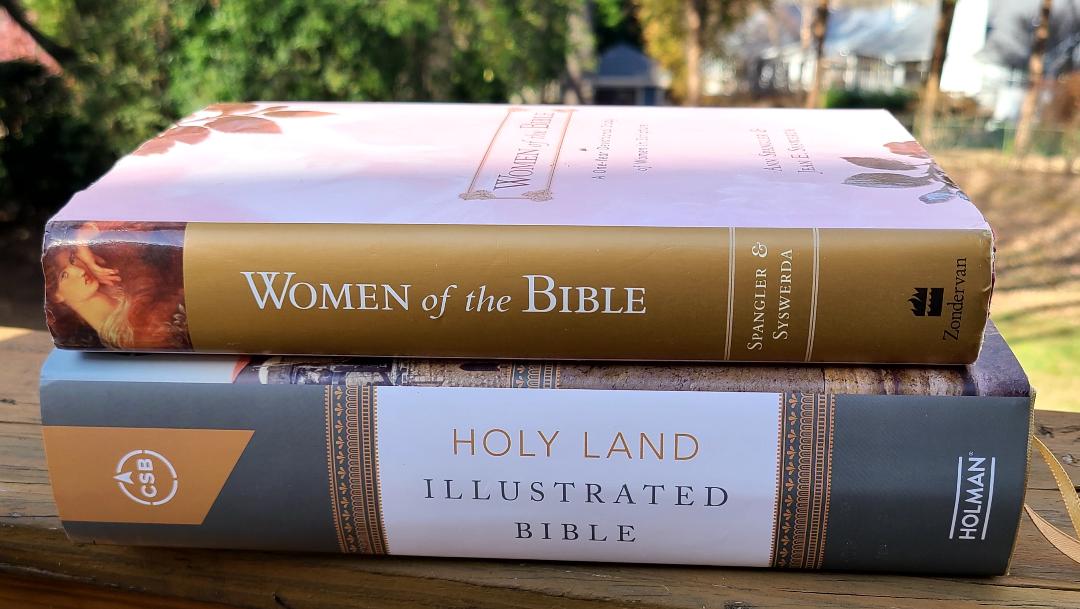
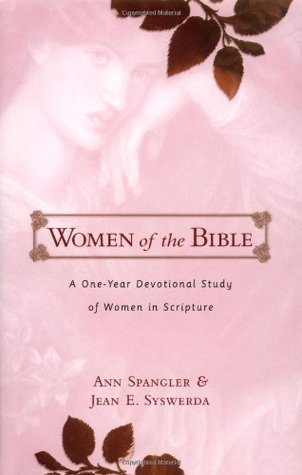
I came across “Women of the Bible” by Ann Spangler & Syswerda down in the basement in a container. This book is a family member’s and was thrilled they said I can use it. The book is a one-year devotional study of women in Scripture, and I an tweaking it a bit to fit in my method of study.
About the book:
Women of the Bible focuses on fifty-two remarkable women in Scripture — women whose struggles to live with faith and courage are not unlike our own. Far from being cardboard characters, these women encourage us through their failures as well as their successes. You’ll see how God acted in surprising and wonderful ways to draw them — and you — to himself. This year-long devotional offers a unique method to help you slow down and savor the story of God’s unrelenting love for his people, offering a fresh perspective that will nourish and strengthen your personal communion with him.
The Bible I am using to study and read along with “Women of the Bible” is the “Holy Land Illustrated Bible, which is among my favorite Bibles I have. The Bible is a hardcover with black lettering, full-color design, and contains articles, photos, illustrations, and easy-to-read Scripture. Hands down, this is one of my favorite Bibles to date. I would also like to stress, the other books on this post does not in anyway, shape or form, replace the Bible. Being in the word comes first always.
About this Bible:
Visit the Holy Land and other sacred biblical sights alongside the accompanying biblical text without ever leaving home.
The CSB Holy Land Illustrated Bible is a visually immersive Bible reading experience featuring over 1,100 images, maps, and illustrations to provide greater insight and understanding of the people, places, and things of Scripture. Book specific introductions provide the setting and circumstances of writing for each book, and every image includes a descriptive caption to help better understand what is pictured. Also included are more than 275 full-length commentary articles and 40+ “Digging Deeper” callouts strategically placed throughout the Bible for further exploration.
FEATURES The CSB Holy Land Illustrated Bible features the highly readable, highly reliable text of the Christian Standard Bible® (CSB). The CSB stays as literal as possible to the Bible’s original meaning without sacrificing clarity, making it easier to engage with Scripture’s life-transforming message and to share it with others.
Part II of my faith studies of 2026 will be posted sometime in July.
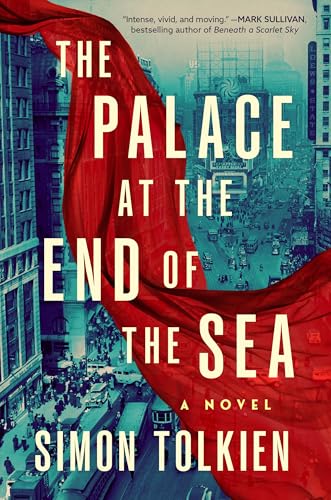
2025 was a great year of reading and studying. I’ve learned so much with my Ancient Cultural Biblical studies and have discovered authors that write fiction stories that I’ve not heard of before. The books below are stories I’m currently reading and I’m almost finished with “The Palace at the End of the Sea.” There are also a few books I need to write a review for and get them up on my blog.
The next few blogs will be about study books I’m starting this winter, books I recently acquired and perhaps, reflections of 2025.
How was your reading for 2025? Did you discover authors you had not read before?
Happy New Year!
Stephanie Hopkins
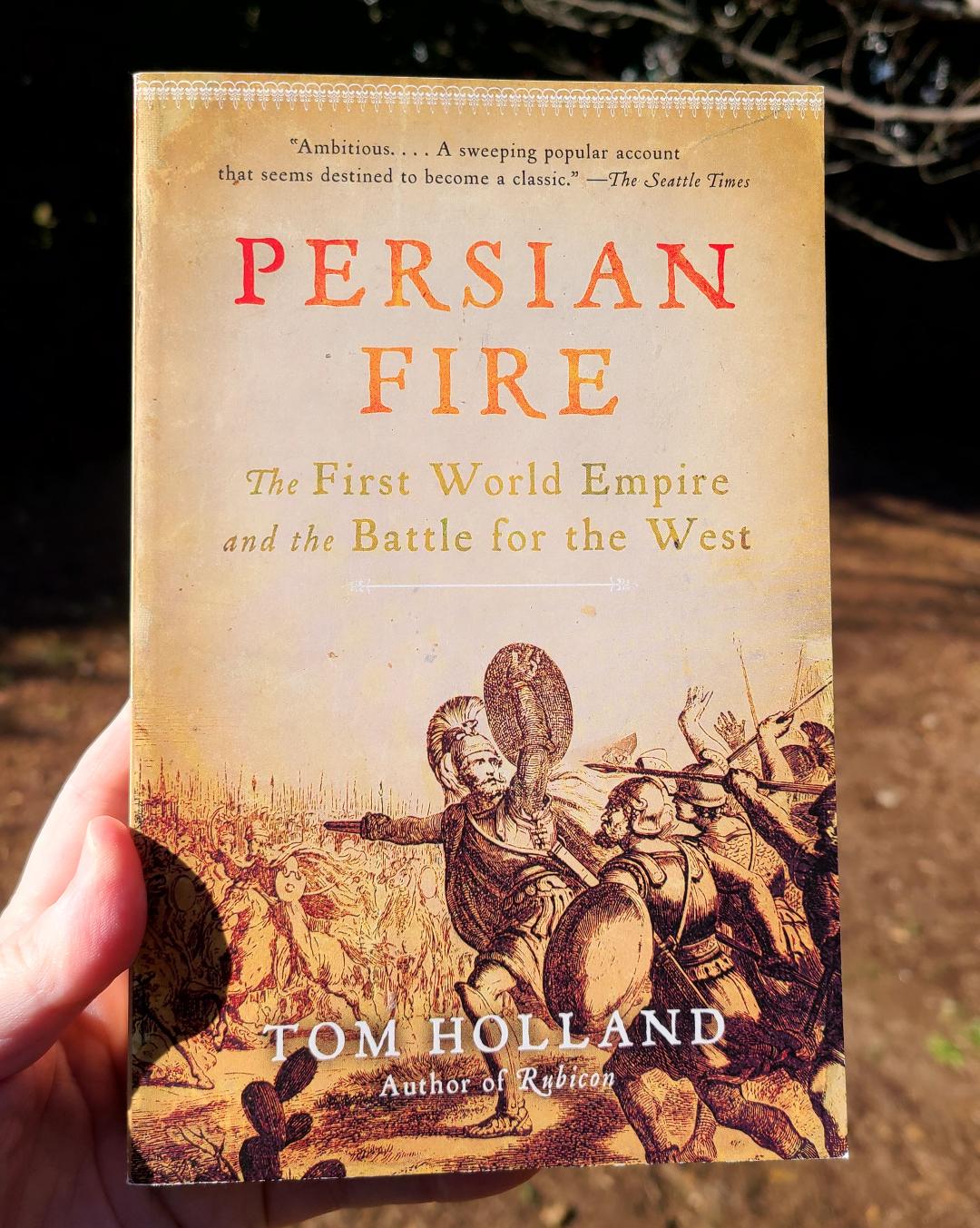
Persian Fire by Tom Holland
In the fifth century BC, a global superpower was determined to bring truth and order to what it regarded as two terrorist states. The superpower was Persia, incomparably rich in ambition, gold and men. The terrorist states were Athens and Sparta, eccentric cities in a poor and mountainous backwater: Greece. The story of how their citizens took on the most powerful man on the planet is as heart stopping as any episode in history.
When the Day Comes (Book 1) by Gabrielle Meyer
Libby has been given a powerful to live one life in 1774 colonial Williamsburg and the other in 1914 Gilded Age New York City. When she falls asleep in one life, she wakes up in the other without any time passing. She has one conscious mind but two very different lives and bodies.
In colonial Williamsburg, Libby is a public printer for the House of Burgesses and the royal governor, trying to provide for her family and support the Patriot cause. The man she loves, Henry Montgomery, has his own secrets. As the revolution draws near, both their lives—and any hope of love—are put in jeopardy.
Libby’s life in 1914 New York is filled with wealth, drawing-room conversations, and bachelors. But the only work she cares about—women’s suffrage—is discouraged, and her mother is intent on marrying her off to an undesirable English marquess. The growing talk of war in Europe further complicates matters and forces her to make sacrifices she never imagined. On her 21st birthday, Libby must choose one path and forfeit the other forever—but how can she possibly choose when she has so much to lose in each life?
The Palace at the End of the Sea (Theo Sterling #1) by Simon Tolkien
A young man comes of age and crosses continents in search of an identity—and a cause—at the dawn of the Spanish Civil War in a thrilling, timely, and emotional historical saga.
New York City, 1929. Young Theo Sterling’s world begins to unravel as the Great Depression exerts its icy grip. He finds it hard to relate to his father, a Jewish self-made businessman, refuses to give up on the American dream, and his mother, a refugee from religious persecution in Mexico, holds fast to her Catholic faith. When disaster strikes the family, Theo must learn who he is. A charismatic school friend and a firebrand girl inspire him to believe he can fight Fascism and change the world, but each rebellion comes at a higher price, forcing Theo to question these ideologies too.
From New York’s Lower East Side to an English boarding school to an Andalusian village in the foothills of the Sierra Nevada, Theo’s harrowing journey from boy to man is set against a backdrop of societies torn apart from within, teetering on the edge of a terrible war to which Theo is compulsively drawn like a moth to a flame.
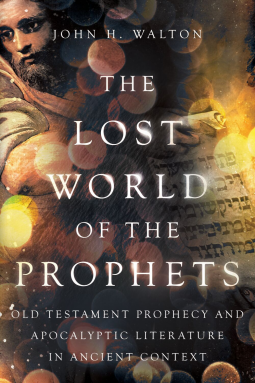
I’ve recently started reading the three books below-one of them is historical fiction and the other nonfiction. I am finding them to be enjoyable and reads thus far. The Lost Worldof the Prophets and Finding Phoebe are books written by Biblical Scholars. They are informative andI’m truly gaining so much knowledge and insight from them so far and I would highly recommend them.
A few times I’ve posted about my deep dive into cultural and Biblical background studies and it has really opened up a whole new world for me about understanding and examining ancient cultures. By doing so you first must take off your western lenses. We westerners tend to carry over our modern cultural ideas, sensibilities and prejudices when reading about other cultures and ancient times.
I can’t wait to share my thoughts more in-depth about the books below!
Stephanie
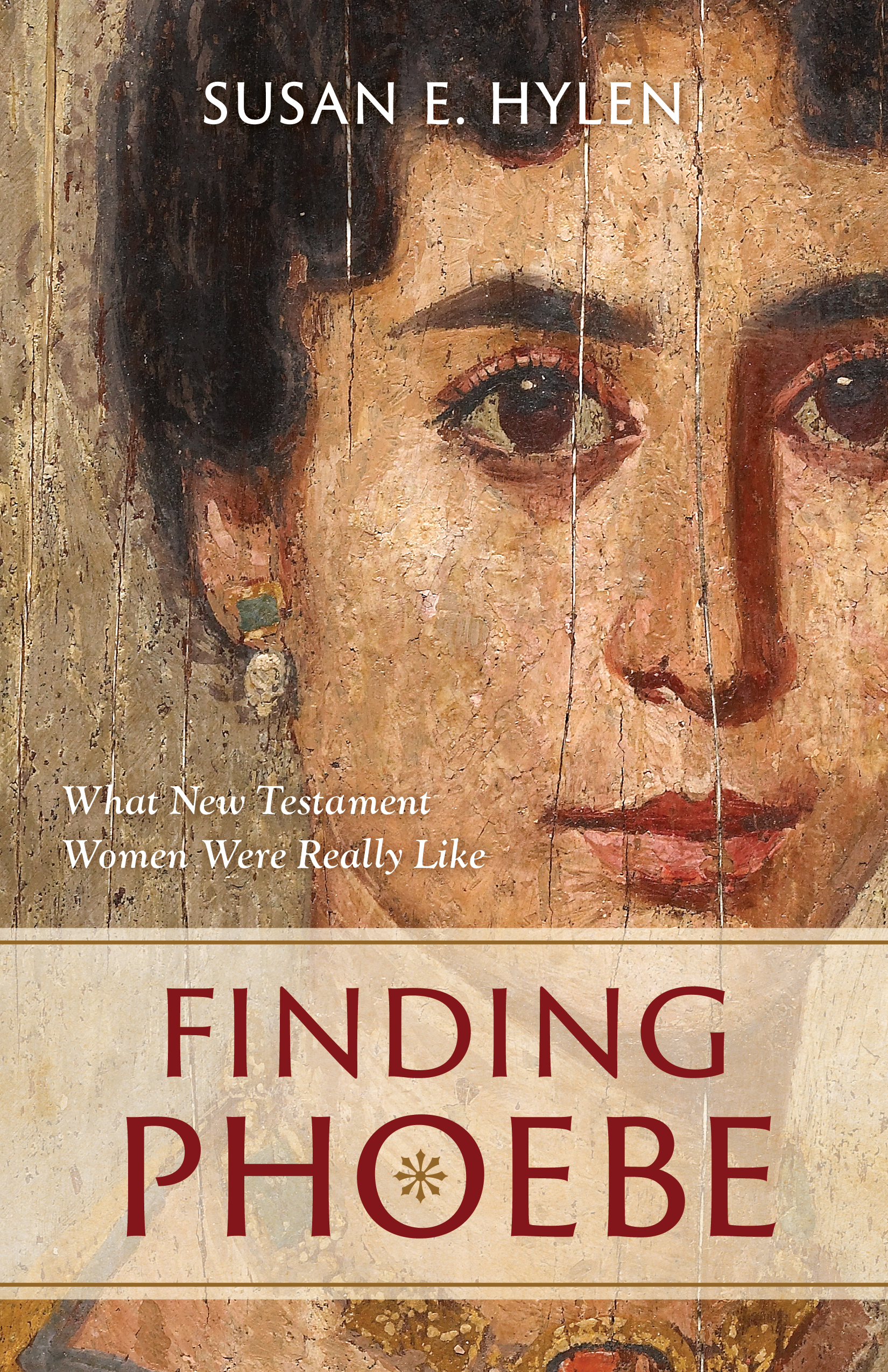
Finding Phoebe: What New Testament Women Were Really Like by Susan Hylen
Published January 17, 2023 by Eerdmans
Forget what you think you know about women in the early church.
In this learned yet accessible book, Susan E. Hylen introduces first-century primary sources to illuminate readers’ understanding of New Testament women. Perfect for clergy, spiritual reading groups, and all curious minds, Finding Phoebe combines incisive scholarship and instructional sensibility to encourage readers to develop their own informed interpretations of Scripture.
Contrary to popular conceptions of “biblical womanhood” as passive and silent, women often served as leaders and prophets in their communities. Women owned one-third of all property during the period, granting them access to civic power through patronage. Many women worked outside the home and were educated according to the needs of their professions. Through careful examination of “modesty” and “silence” in the Greco-Roman world, Hylen reveals the centrality of these virtues to both men and women practicing self-control in service of communal good.
Hylen’s work will challenge readers to free their minds of modern preconceptions and consider New Testament women on their own terms. This practical book includes historical context, scriptural evidence, and questions for discussion.
The Lost World of the Prophets: Old Testament Prophecy and Apocalyptic Literature in Ancient Context (The Lost World Series #7) by John H. Walton
Published February 27, 2024 by IVP Academic
I’ve started with the 7th book in this series because I’m currently studying Biblical prophecy and the Prophets. I do intend to read the whole series.
Being responsive to God is at the heart of prophecy. But readers of ancient prophecies and apocalyptic literature―including those in the Old Testament―can come away thoroughly perplexed. Are the prophets speaking about their own times, about our present, or about some still-unrealized future? It’s common to study prophecy with a focus on the sole question of prediction and fulfillment, either for the sake of apologetics or for understanding the end times, but such an approach can fail to track with the original intent of the authors. We need to shake loose both from a paradigm of reading prophecy as an offer of mysterious divination as well as from the habit of constructing eschatological timelines of any sort. How do these books work as meaningful Scripture for Christians today? John Walton applies his signature method to help us recover the lost world of the prophets. To read these biblical books well, we must A fresh reading of the Old Testament text in light of the ancient Near Eastern context can open new avenues of awareness. Walton provides a clear, helpful guide to the nature of biblical prophecy and apocalyptic literature that will help readers avoid potential misuse and reclaim the message of the prophets for their lives. The books in the Lost World Series follow the pattern set by Bible scholar John H. Walton, bringing a fresh, close reading of the Hebrew text and knowledge of ancient Near Eastern literature to an accessible discussion of the biblical topic at hand using a series of logic-based propositions.
The Palace at the End of the Sea by Simon Tolkien
Theo Sterling #1
Published June 1, 2025 by Lake Union Publishing (For review.)
441 pages, Kindle Edition
New York City, 1929. Young Theo Sterling’s world begins to unravel as the Great Depression exerts its icy grip. He finds it hard to relate to his father, a Jewish self-made businessman, refuses to give up on the American dream, and his mother, a refugee from religious persecution in Mexico, holds fast to her Catholic faith. When disaster strikes the family, Theo must learn who he is. A charismatic school friend and a firebrand girl inspire him to believe he can fight Fascism and change the world, but each rebellion comes at a higher price, forcing Theo to question these ideologies too.
From New York’s Lower East Side to an English boarding school to an Andalusian village in the foothills of the Sierra Nevada, Theo’s harrowing journey from boy to man is set against a backdrop of societies torn apart from within, teetering on the edge of a terrible war to which Theo is compulsively drawn like a moth to a flame.
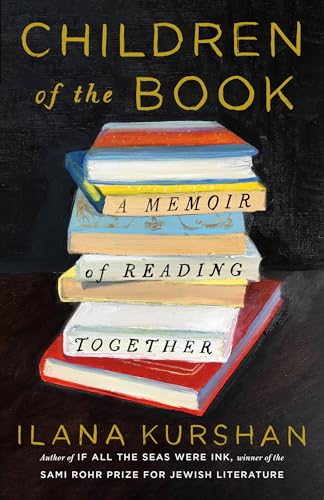
I finished and reviewed, “The Lost Baker of Vienna” by Sharon Kurtzman and enjoyed the story and now I’ve started reading a couple days ago, “Children of the Book: A Memoir of Reading Together” by Ilana Kurshan. I must confess I’m a little concern about the page length and how the theme will flow through the pages. That said, so far I’m enjoying reading about this family’s love for reading.
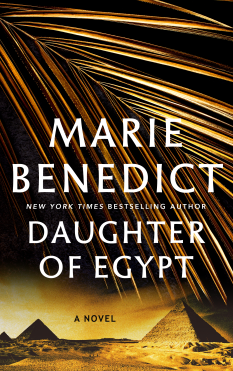
I’m still reading, “The Curious Inheritance” of Blakely House and “Reflections on the Psalms by C. S. Lewis.” These two are wonderful and engaging reads and I’m taking my time with them though I’m getting close to finishing The Curious Inheritance. After I finish with Lewis’s book I’m going to start reading, “A Sacred Sorrow” by Michael Card. I have so much to say about lament and I look forward to sharing more on the subject at a later time. After I finish up with Curious Inheritance, I’m thinking about starting, “Daughter of Egypt” by Marie Benedict. I have an ARC of this book and I’m thrilled with the premise for this story. Also, I’ve been reading, “Babylon” by Paul Kriwaczek and while I don’t agree with everything he writes, I do find many aspects of the information he provides to be fascinating and I’ve learned few new details that I need for my research. Kriwaczek is a good writer and it makes his book easier to read which is refreshing and helpful!
Stephanie
Children of the Book: A Memoir of Reading Together by Ilana Kurshan
Not yet published Expected Aug 26, 2025 by St. Martin’s Press
In Children of the Book, Ilana Kurshan explores the closeness forged when family life unfolds against a backdrop of reading together. Kurshan, a mother of five living in Jerusalem, at first struggles to balance her passion for literature with her responsibilities as a parent. Gradually she learns how to relate to reading not as a solitary pursuit and an escape from the messiness of life, but rather as a way of teaching independence and forging connection. Introducing her children to sacred and secular literature—including the beloved classics of her childhood—helps her become both a better mother and a better reader.
Chief among the books Kurshan reads with her children is the Five Books of Moses, known as the Torah, which Jews the world over read in synchrony as part of the liturgical cycle. In the five parts of this memoir, Kurshan explores the surprising resonances between the biblical text and her experiences as a mother and a reader – from the first picture books that create the world through language for little babies, to the moment our children begin reading on their own leaving us behind, atop the mountain, as they enter new lands without us. A testament to the enduring power of shared texts, Children of the Book celebrates the deep pleasures of books.
Daughter of Egypt by Marie Benedict
Not yet published
Publish Date: Mar 24, 2026 by St. Martin’s Press
In the 1920s, archeologist Howard Carter and Lord Carnarvon of Highclere Castle made headlines around the world with the discovery of the treasure-filled tomb of the boy Pharaoh Tutankhamun. But behind it all stood Lady Evelyn Herbert—daughter of Lord Carnarvon—whose daring spirit and relentless curiosity made the momentous find possible.
Nearly 3,000 years earlier, another woman defied the expectations of her time: Hatshepsut, Egypt’s lost pharaoh. Her reign was bold, visionary—and nearly erased from history.
When Evelyn becomes obsessed with finding Hatshepsut’s secret tomb, she risks everything to uncover the truth about her reign and keep valued artifacts in Egypt, their rightful home. But as danger closes in and political tensions rise, she must make an impossible choice: protect her father’s legacy—or forge her own.
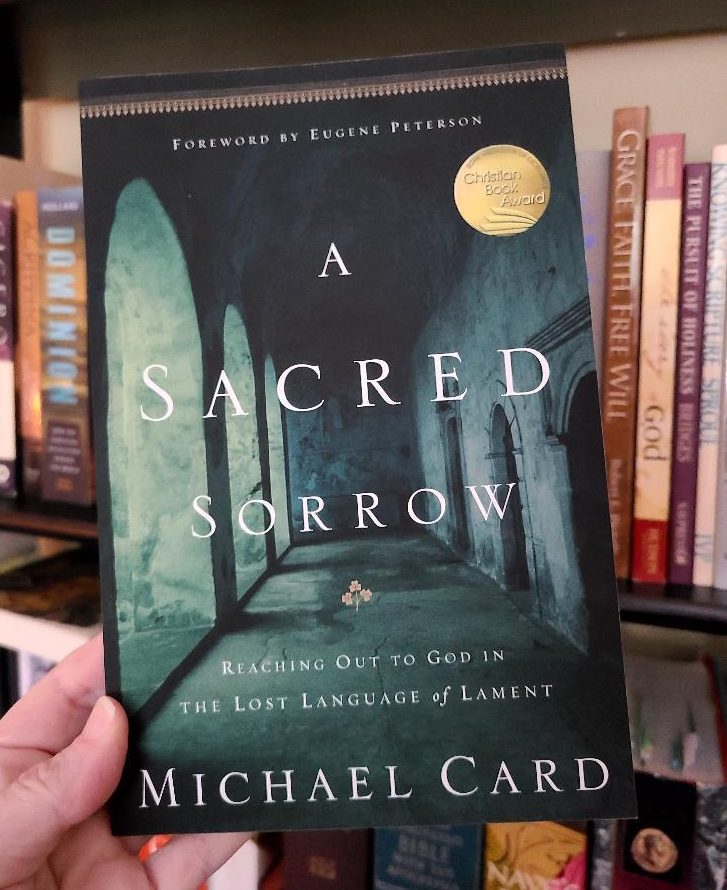
A Sacred Sorrow: Reaching Out to God in the Lost Language of Lament by Michael Card
Published February 1, 2005 by NavPress
It’s easy to praise God when things in your life are going well, but what about the other times? What happens when mountaintop experiences cascade into seasons of struggling, suffering, and loss in the valley? God desires for us to pour out our hearts to Him, whether in joy or pain. But many Christians don’t feel right expressing anger, frustration, grief, and sadness in prayer. Our personal worship experience is not complete unless we understand the lost language of lament.
In A Sacred Sorrow, author, musician, and Bible teacher Michael Card takes you through the Scriptures to show you what your worship and prayer life has been missing. Learn new ways to honor God and deepen your relationship with Him by:
Becoming more honest in worship
Trusting in His unchanging presence
Believing in His constant loving kindness
Sharing your sorrow as an act of worship
From Job to David to Jesus, men and women of Scripture understood the importance of pouring one’s heart out to the Father. Examine their stories and expand your definition of worship as you find healing. Let your pain, questions, and sorrow resound with praise to a God who is moved by your tears.
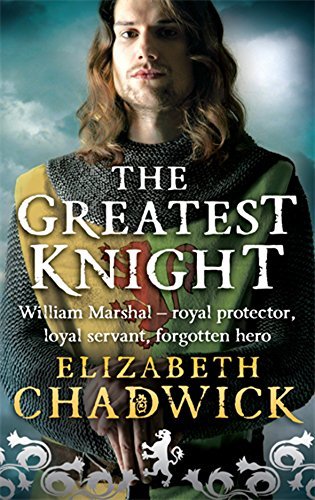
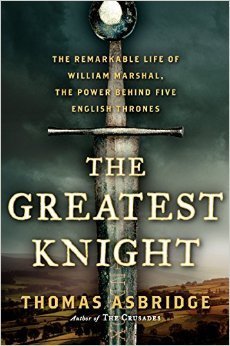
Shortly after “The Greatest Knight” by Elizabeth Chadwick came out in the early 2000s, I read this amazing story and it was the first time I read anything about William Marshal. Chadwick’s stories are among my favorite historical fiction reads. After I read her story, I did a little research om William Marshal but since then, hadn’t picked up a biography on his life. Recently I discovered Thomas Asbridge’s book about Marshall and the reviews have been promising.
I have been adding titles to my wish-list and for books I want to read in the fall-time or next year and I will definitely be reading Asbridge’s book.
I wish there was more time on the day because there are so many intriguing books out there that are calling to be read.
Stephanie
The Greatest Knight by Elizabeth Chadwick by Elizabeth Chadwick
A penniless young knight, William Marshal is plucked from obscurity when he saves the life of Henry II’s formidable queen, Eleanor of Aquitaine. In gratitude, she appoints him tutor in arms to her son. However, being a royal favorite brings its share of conflict and envy. Besmirched by his enemies, banished from court, William seeks redemption in pilgrimages across Europe and the Holy Land, returning to find bygones forgotten and his prowess on the battlefield in demand. The only knight ever to unhorse the legendary Richard Coeur de Lion, William is offered the hand in marriage of Isabelle de Clare, 18-year-old ward of the King. Strangers to each other on their wedding day, the pair must immediately confront deadly political intrigue, strained family loyalties and betrayals. As King Richard prepares to depart on crusade, other men, including the King’s own brother John, are waiting for their moment to seize power – it is William’s duty to stand in their path…
The Greatest Knight: The Remarkable Life of William Marshal, the Power Behind Five English Thrones by Thomas Asbridge
Caught on the wrong side of an English civil war and condemned by his father to the gallows at age five, William Marshal defied all odds to become one of England’s most celebrated knights. Thomas Asbridge’s rousing narrative chronicles William’s rise, using his life as a prism to view the origins, experiences, and influence of the knight in British history.
In William’s day, the brutish realities of war and politics collided with romanticized myths about an Arthurian “golden age,” giving rise to a new chivalric ideal. Asbridge details the training rituals, weaponry, and battle tactics of knighthood, and explores the codes of chivalry and courtliness that shaped their daily lives. These skills were essential to survive one of the most turbulent periods in English history—an era of striking transformation, as the West emerged from the Dark Ages.
A leading retainer of five English kings, Marshal served the great figures of this age, from Queen Eleanor of Aquitaine to Richard the Lionheart and his infamous brother John, and was involved in some of the most critical phases of medieval history, from the Magna Carta to the survival of the Angevin/Plantagenet dynasty. Asbridge introduces this storied knight to modern readers and places him firmly in the context of the majesty, passion, and bloody intrigue of the Middle Ages.
The Greatest Knight features 16 pages of black-and-white and color illustrations.
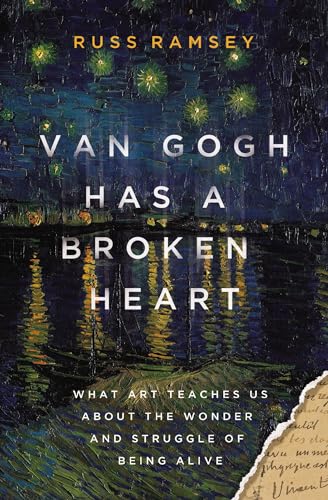
Van Gogh Has a Broken Heart by Russ Ramsey – Published October 22, 2024 by Zondervan
What Art Teaches Us About the Wonder and Struggle of Being Alive
I love art history and I was thrilled to come across this book from a YouTuber I follow. The cover is a stunning piece of art and the premise of the book sounds intriguing! Are you an art history enthusiast? Adding this one to my wish-list.
Stephanie
Book Description:
Beyond a mere introduction to great art, Van Gogh Has a Broken Heart is about loving to learn what art has to teach us about the wonder and struggle of being alive.
Did you know that:
Vincent van Gogh’s attempt to start an artist’s colony with Paul Gauguin lasted only nine weeks, ending in his infamous “ear episode”?
Pablo Picasso was a prime suspect in the disappearance of the Mona Lisa?
Artemisia Gentileschi was tortured with thumbscrews to verify her testimony at her own rapist’s trial?
Norman Rockwell’s critics said his work would never be accepted as “high art”–and he agreed?
These stories–and many more–shaped the work these artists left behind. In their art are lessons common to the human experience about the wonder and struggle of being alive: dreams lost, perspectives changed, and humility derived through suffering.
In Van Gogh Has a Broken Heart, Russ Ramsey digs into these artists’ stories for readers who may be new to art, as well as for lifelong students of art history, to mine the transcendent beauty and hard lessons we can take from their masterpieces and their lives. Each story from some of the history’s most celebrated artists applies the beauty of the gospel in a way that speaks to the suffering and hope we all face.
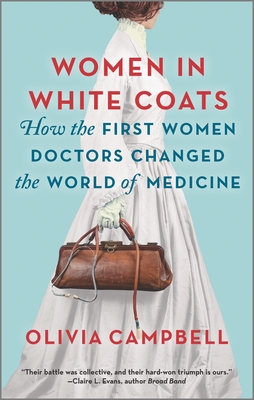
I’m currently reading, “Sisters in Science” by Olivia Campbell for review and while doing so, I looked up if Campbell has written other stories. There is a story called, “Women in White Coats” that I’ve heard of and hadn’t paid attention to the fact that Campbell is the author. While, I’m curious about this book, I’m still not sure I will be able to fit it into my reading schedule at present. The story is non-fiction and the premise is something I’m greatly interested in knowing more about. Hopefully, it may be a 2025 read.
I thought I would share the book description and perhaps this story will be a new discovery for someone. Have you heard of this book? Thoughts?
Stephanie
Book Description:
Published March 2, 2021
In the early 1800s, women were dying in large numbers from treatable diseases because they avoided receiving medical care. Examinations performed by male doctors were often demeaning and even painful. In addition, women faced stigma from illness—a diagnosis could greatly limit their ability to find husbands, jobs or be received in polite society.
Motivated by personal loss and frustration over inadequate medical care, Elizabeth Blackwell, Elizabeth Garrett Anderson and Sophia Jex-Blake fought for a woman’s place in the male-dominated medical field. For the first time ever, Women in White Coats tells the complete history of these three pioneering women who, despite countless obstacles, earned medical degrees and paved the way for other women to do the same. Though very different in personality and circumstance, together these women-built women-run hospitals and teaching colleges—creating for the first-time medical care for women by women.
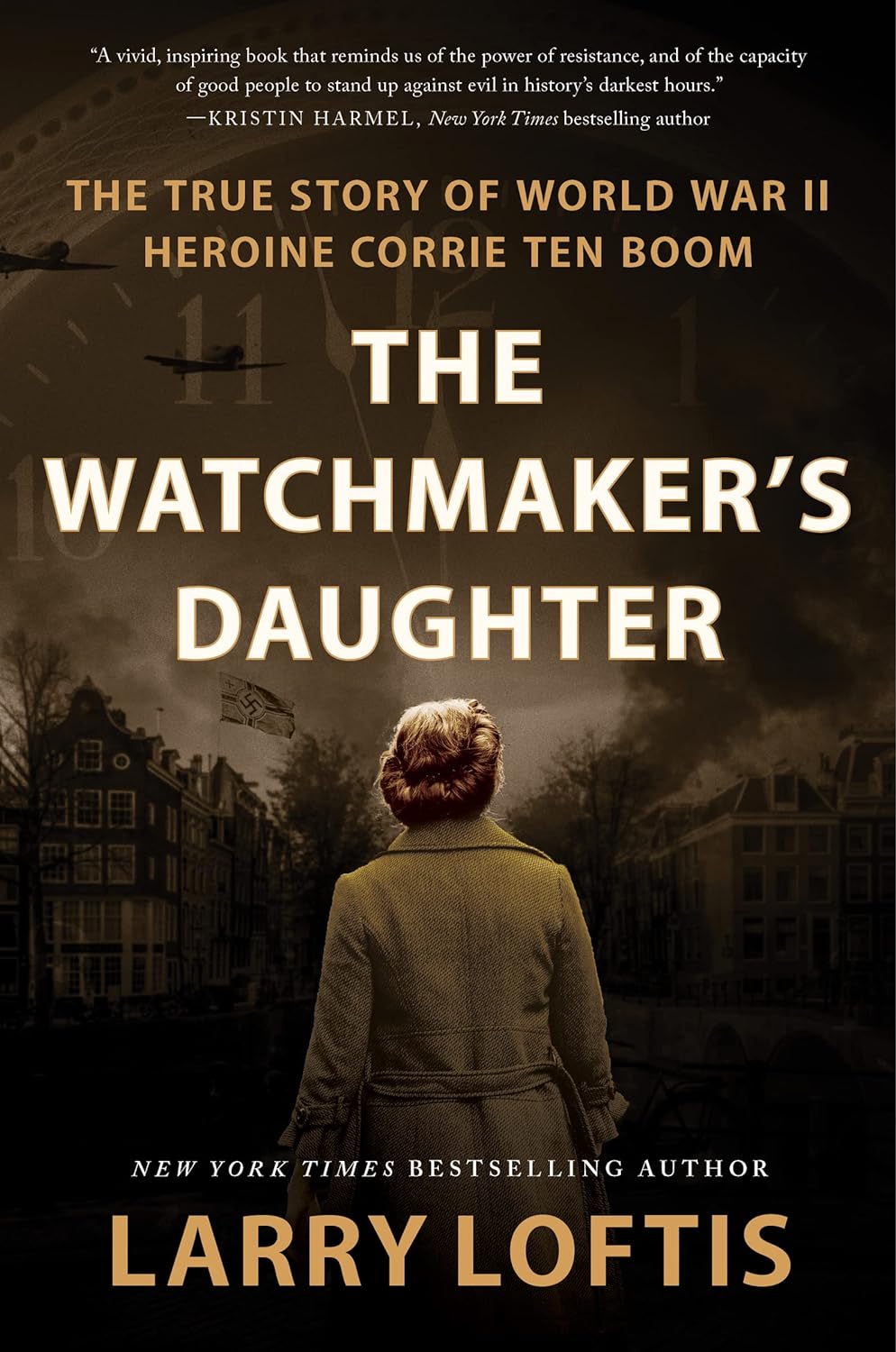
A few years ago now, Atria Books sent me an ARC of The Princess Spy by Larry Loftis to review and I immensely enjoyed the story. Since then I haven’t had a chance to look at Loftis other works and I’ve recently discovered another book by him I would like to read and have added it to my reading wish-list plus, The Hiding Place by Corrie Ten Boom. I can’t wait to read them! They look so good. I have a feeling I will be shedding quite a few tears reading them. World War II stories do that to me. Let me know in the comment area if you’ve read these stories!
Stephanie Hopkins
The Watchmaker’s Daughter: The True Story of World War II Heroine Corrie ten Boom by Larry Loftis
About the book:
INTERNATIONAL BESTSELLER
New York Times bestselling author and master of nonfiction spy thrillers Larry Loftis writes the first major biography of Corrie ten Boom, a Dutch watchmaker who saved the lives of hundreds of Jews during WWII—at the cost of losing her family and being sent to a concentration camp, only to survive, forgive her captors, and live the rest of her life as a Christian missionary.
The Watchmaker’s Daughter is one of the greatest stories of World War II that readers haven’t heard: the remarkable and inspiring life story of Corrie ten Boom—a groundbreaking, female Dutch watchmaker, whose family unselfishly transformed their house into a hiding place straight out of a spy novel to shelter Jews and refugees from the Nazis during Gestapo raids. Even though the Nazis knew what the ten Booms were up to, they were never able to find those sheltered within the house when they raided it.
Corrie stopped at nothing to face down the evils of her time and overcame unbelievable obstacles and odds. She persevered despite the loss of most of her family and relied on her faith to survive the horrors of a notorious concentration camp. But even more remarkable than her heroism and survival was Corrie’s attitude when she was released. Miraculously, she was able to eschew bitterness and embrace forgiveness as she ministered to people in need around the globe. Corrie’s ability to forgive is just one of the myriad lessons that her life story holds for readers today.
Reminiscent of Schindler’s List and featuring a journey of faith and forgiveness not unlike Unbroken, The Watchmaker’s Daughter is destined to become a classic work of World War II nonfiction.
The Hiding Place by Corrie Ten Boom, Elizabeth Sherrill, and John Sherrill
“Every experience God gives us . . . is the perfect preparation for the future only He can see.”–Corrie ten Boom
About the book:
Corrie ten Boom was a Dutch watchmaker who became a heroine of the Resistance, a survivor of Hitler’s concentration camps, and one of the most remarkable evangelists of the twentieth century. In World War II she and her family risked their lives to help Jews and underground workers escape from the Nazis, and for their work they were tested in the infamous Nazi death camps. Only Corrie among her family survived to tell the story of how faith ultimately triumphs over evil.
Here is the riveting account of how Corrie and her family were able to save many of God’s chosen people. For 35 years millions have seen that there is no pit so deep that God’s love is not deeper still. Now The Hiding Place, repackaged for a new generation of readers, continues to declare that God’s love will overcome, heal, and restore.
This past Sunday, I met a dear friend at a local coffee shop and what a treat it was! We talked about many topics and our mutual love for nonfiction. My friend is currently listening to Braiding Sweetgrass: Indigenous Wisdom, Scientific Knowledge and the Teachings of Plants by Robin Wall Kimmerer and she highly recommend it to me. Later on, when I got home, I sent her a picture of the nonfiction book I’m reading. The title is, The Neighborhood Project by David Sloan Wilson. I received the book as an ARC many years ago.
This led me to further explore more nonfiction books to add to my to-read wish-list. Below are five new titles I have added. My wish is for you to be encouraged and inspired to read more and to explore nonfiction in a broader sense-if you haven’t already.
Stephanie Hopkins
The Book-Makers
A History of the Book in Eighteen Lives
by Adam Smyth
Description
The five-hundred-year history of printed books, told through the people who created them
Books tell all kinds of stories—romances, tragedies, comedies—but if we learn to read the signs correctly, they can tell us the story of their own making too. The Book-Makers offers a new way into the story of Western culture’s most important object, the book, through dynamic portraits of eighteen individuals who helped to define it.
Books have transformed humankind by enabling authors to create, document, and entertain. Yet we know little about the individuals who brought these fascinating objects into existence and of those who first experimented in the art of printing, design, and binding. Who were the renegade book-makers who changed the course of history?
From Wynkyn de Worde’s printing of fifteenth-century bestsellers to Nancy Cunard’s avant-garde pamphlets produced on her small press in Normandy, this is a celebration of the book with the people put back in.
Twenty Years
Hope, War, and the Betrayal of an Afghan Generation
by Sune Engel Rasmussen
Description
An intimate history of the Afghan war—and the young Afghans whose dreams it enabled and dashed.
No country was more deeply affected by 9/11 than Afghanistan: an entire generation grew up amid the upheaval that began that day. Young Afghans knew the promise of freedom, democracy, and safety, fought with each other over its meaning—and then witnessed its collapse. In Twenty Years, the Wall Street Journal correspondent Sune Engel Rasmussen draws on more than a decade of reporting from the country to tell Afghanistan’s story from a new angle. Through the eyes of newly empowered women, skilled entrepreneurs, driven insurgents, and abandoned Western allies, we see the United States and its partners bring new freedoms and wealth, only to preside over the corruption, war-lordism, and social division that led to the Taliban’s return to power.
Rasmussen relates this history via two main characters: Zahra, who returns from abroad with high hopes for her liberated county, where she must fight to escape a brutal marriage and rebuild her life; and Omari, who joins the Taliban to protect the honor of his village and country and winds up wrestling with doubt and the trauma of war after achieving victory. We also meet Parasto, who risks her life running clandestine girls’ schools under the new Taliban regime, and Fahim, a rags-to-riches tycoon who is forced to flee. With intimate access to these and other characters, Rasmussen offers deep insight into a country betrayed by the West and Taliban alike.
Warsaw Testament
by Rokhl Auerbach, Translated by Samuel Kassow
Description
Born in Lanowitz, a small village in rural Podolia, Rokhl Auerbach was a journalist, literary critic, memoirist, and a member of the Warsaw Yiddish literary community before the Holocaust. Upon the German invasion and occupation of Poland in 1939, she was tasked by historian and social activist Emanuel Ringelblum to run a soup kitchen for the starving inhabitants of the Warsaw Ghetto and later to join his top-secret ghetto archive, the Oyneg Shabes. One of only three surviving members of the archive project, Auerbach’s wartime and postwar writings became a crucial source of information for historians of both prewar Jewish Warsaw and the Warsaw Ghetto. After immigrating to Israel in 1950, she founded the witness testimony division at Yad Vashem and played a key role in the development of Holocaust remembrance. Her memoir Warsaw Testament, based on her wartime writings, paints a vivid portrait of the city’s prewar Yiddish literary and artistic community and of its destruction at the hands of the Nazis.
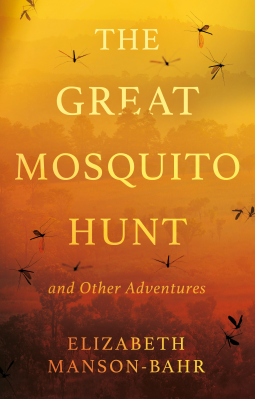
The Great Mosquito Huntand Other Adventures
by Elizabeth Manson-Bahr
Description
This book is the author’s answer to the question Who do you think you are? set in China, Russia, Egypt, Kenya, Fiji and the US during the 18th to 20th centuries. It describes the battle to discover the causes of malaria. Sir Patrick Manson, the author’s great-grandfather, known as Mosquito Manson, was the first scientist to prove that insects were vectors of disease, a discovery which led to the detection of the malarial parasite. He founded the Chinese Medical School in Hong Kong and the London School of Tropical Medicine. Among his pupils was Sun Yat-sen, the first President of modern China.
It is the story too of plagues and pandemics, of Scottish and German merchants who made their fortunes in 19th century Egypt and 18th century Russia. The author’s mother, orphaned by the Spanish flu, made her way to Africa where she served as a FANY in 1942, marrying Clinton, the third in the family line of tropical medical specialists. The chapters are interspersed with the author’s own childhood memories growing up in Fiji and Kenya.
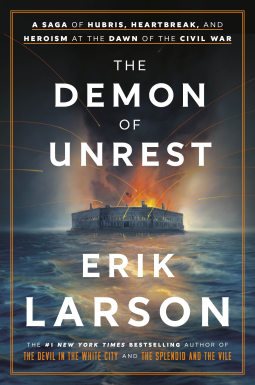
The Demon of Unrest
A Saga of Hubris, Heartbreak, and Heroism at the Dawn of the Civil War
by Erik Larson
Description
The #1 New York Times bestselling author of The Splendid and the Vile brings to life the pivotal five months between the election of Abraham Lincoln and the start of the Civil War—a simmering crisis that finally tore a deeply divided nation in two. One of Time’s Most Anticipated Books of the Year
On November 6, 1860, Abraham Lincoln became the fluky victor in a tight race for president. The country was bitterly at odds; Southern extremists were moving ever closer to destroying the Union, with one state after another seceding and Lincoln powerless to stop them. Slavery fueled the conflict, but somehow the passions of North and South came to focus on a lonely federal fortress in Charleston Harbor: Fort Sumter.
Master storyteller Erik Larson offers a gripping account of the chaotic months between Lincoln’s election and the Confederacy’s shelling of Sumter—a period marked by tragic errors and miscommunications, enflamed egos and craven ambitions, personal tragedies and betrayals. Lincoln himself wrote that the trials of these five months were “so great that, could I have anticipated them, I would not have believed it possible to survive them.”
At the heart of this suspense-filled narrative are Major Robert Anderson, Sumter’s commander and a former slave owner sympathetic to the South but loyal to the Union; Edmund Ruffin, a vain and bloodthirsty radical who stirs secessionist ardor at every opportunity; and Mary Boykin Chesnut, wife of a prominent planter, conflicted over both marriage and slavery and seeing parallels between them. In the middle of it all is the overwhelmed Lincoln, battling with his duplicitous secretary of state, William Seward, as he tries desperately to avert a war that he fears is inevitable—one that will eventually kill 750,000 Americans.
Drawing on diaries, secret communiques, slave ledgers, and plantation records, Larson gives us a political horror story that captures the forces that led America to the brink—a dark reminder that we often don’t see a cataclysm coming until it’s too late.







 Layered Pages