Creative Journaling and Journals for Sale

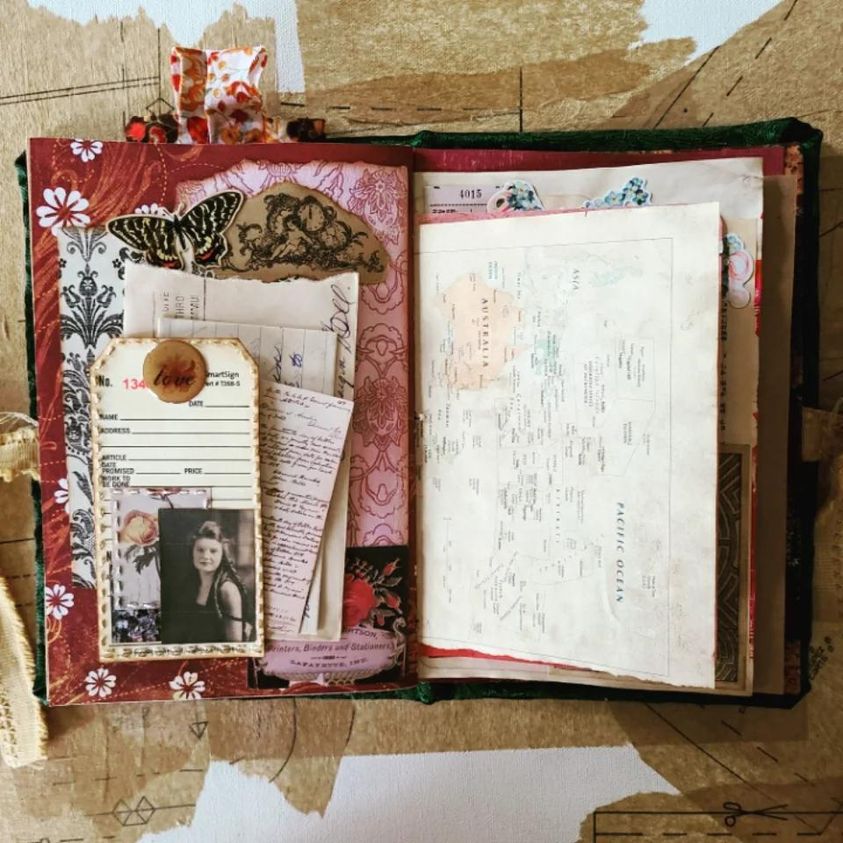
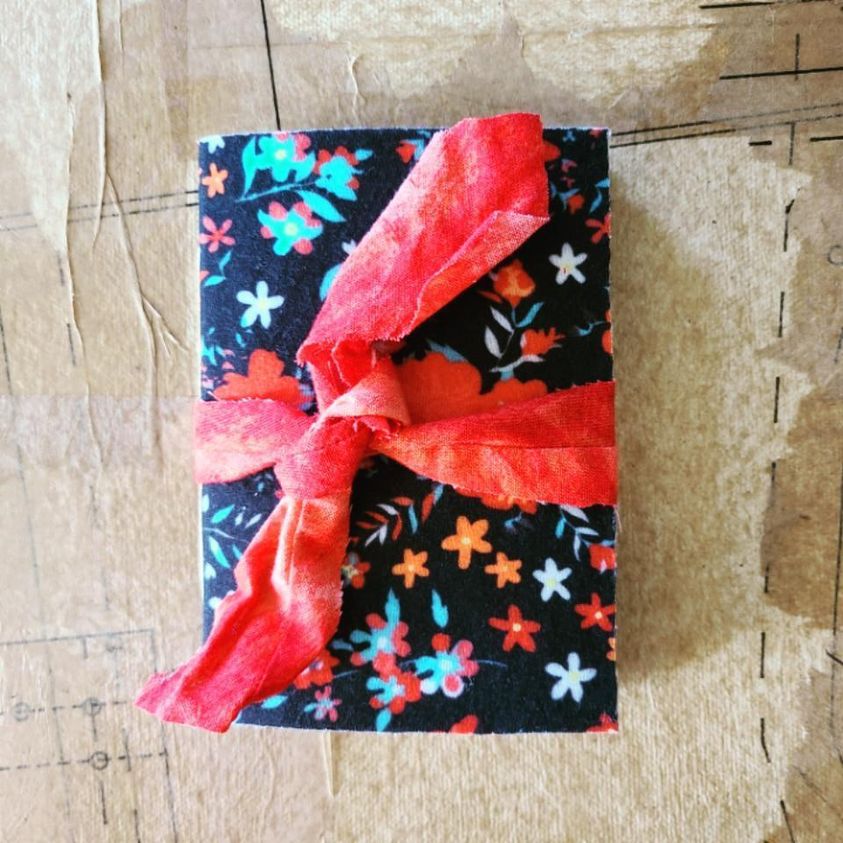
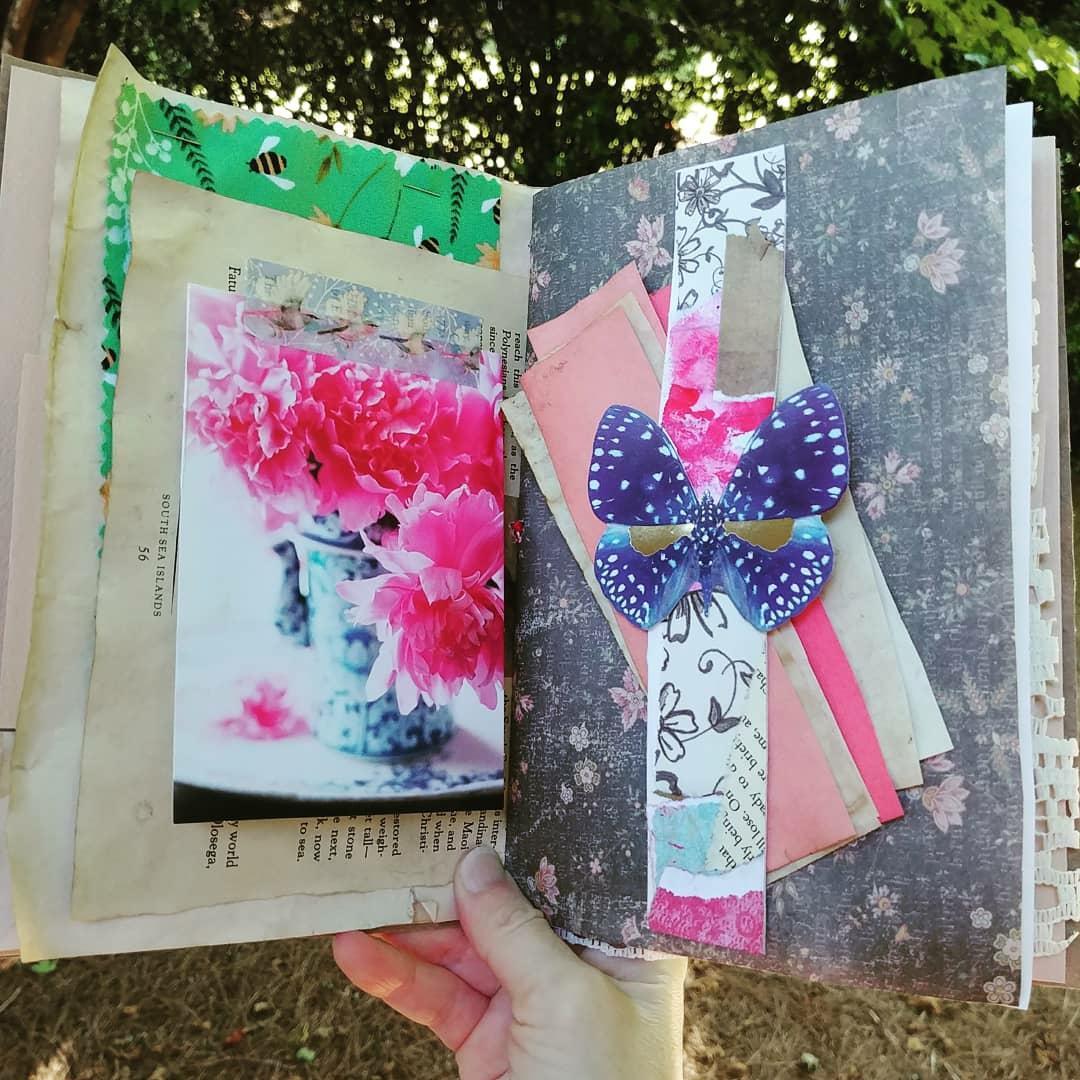
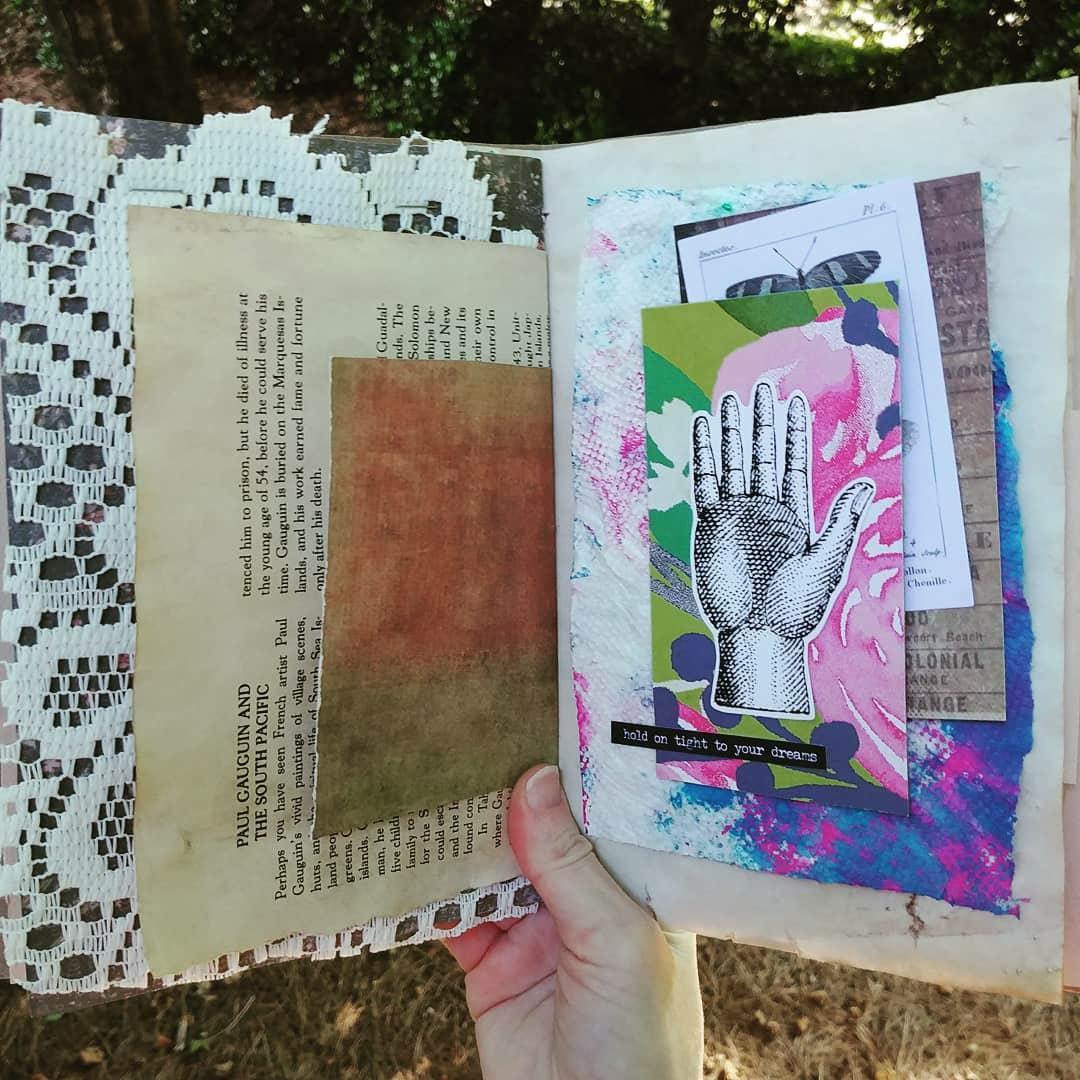
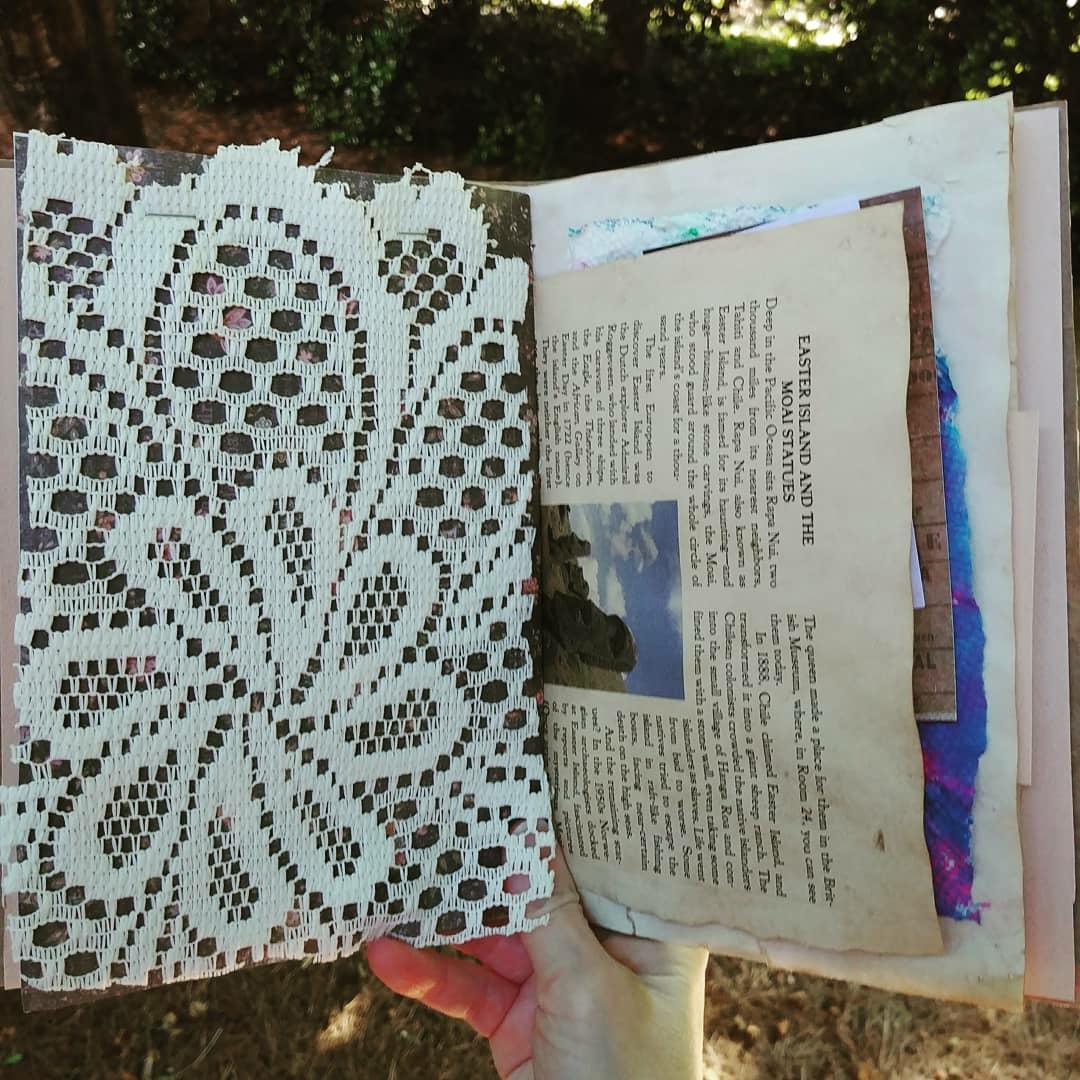
Yesterday, I created this collage page in my current personal journal. I love the layered look and the process of creating it is enjoyable and relaxing. You can use your tags for tucks and pockets in your journals. It doesn’t matter the size of the tags. I’ve used my mini tags as tucks all the time.

Adding pockets to journals is a great to use as hidden spots for your writing. I would have to say it is my favorite form for my journal writing. I like those secret spots because sometimes you might forget about them and it’s is fun to discover them again.

The image of the girl is my grandmother from the 1920s. The picture was taken when she was 16 years old. Her image among others are in many of the journals I’m selling at my Etsy shop! -Stephanie Hopkins

Visit my shops by clicking on each shop.

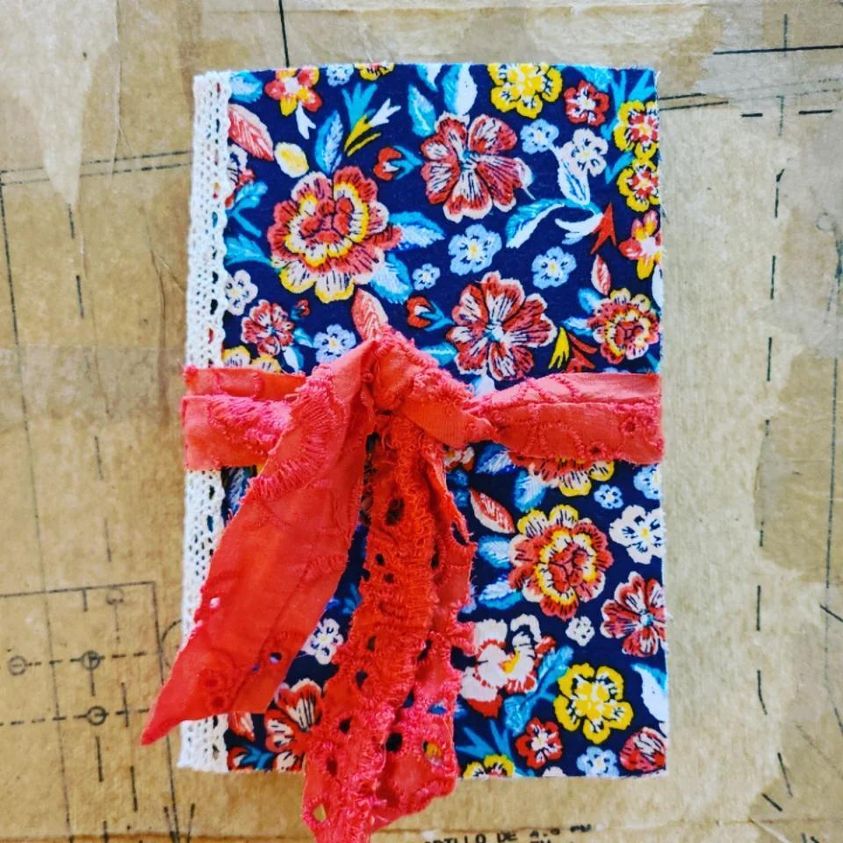
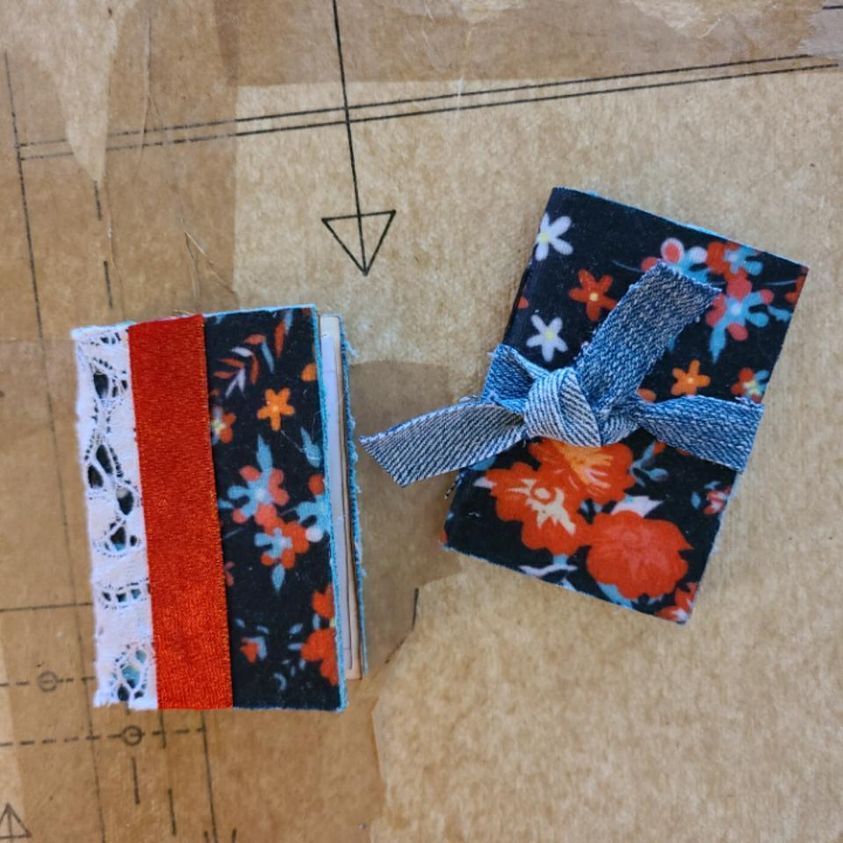
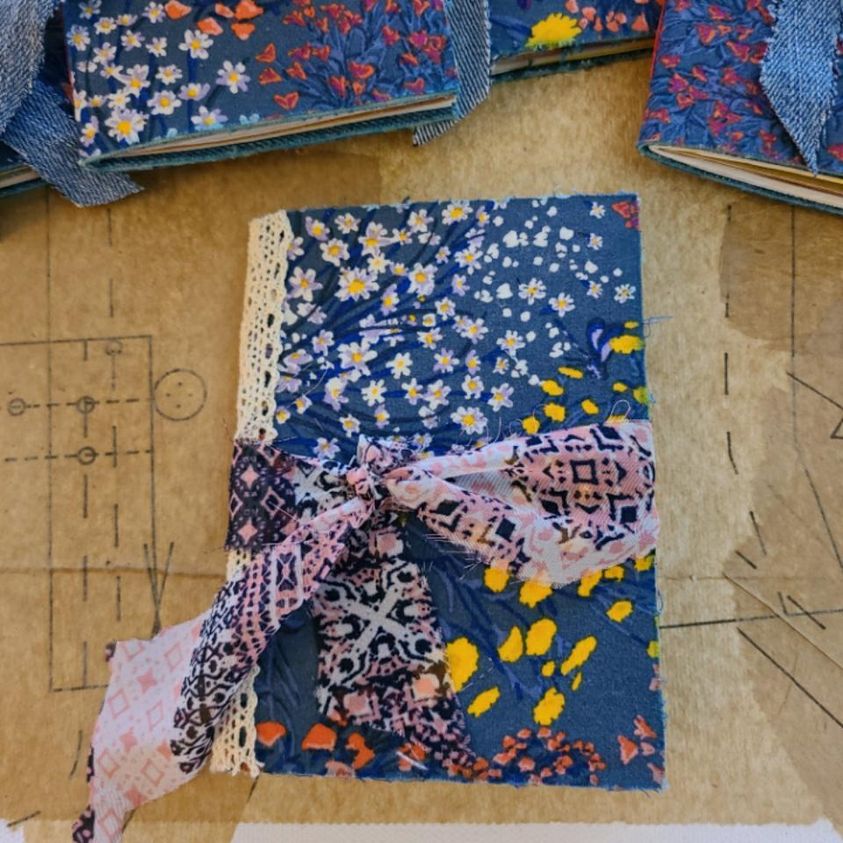
I have newly listed journals for sale in my Etsy shop!

Instagram Shop

Ebay Shop

Etsy Shop

(Images are subjected to copyright. All book reviews, interviews, guest posts, art work and promotions are originals. In order to use any text or pictures from Layered Pages, please ask for permission from Stephanie Hopkins.)

The Importance of World Building

A Better Understanding for Your Reading Experience

My Dear Fellow Readers,

I’m always pondering about what the writer’s intentions and thoughts are when creating a story. How the readers’ perceptions vary and if they’re what the author is conveying. As an avid reader and one who reviews books, there are themes and elements to the story that I feel make the story equally come to life. The core of a believable story is world building and realistic characterization, in my opinion. These ingredients combined help drive the plot, the character’s movements, motives, and pull the reader in.

I believe contrasts in world building are an important structure for stories to work. For example: The key setting or location, if you will, of the story and how it is described. The contrast would be another location shown in a different light all together. What distinguishes one place to another? Readers want to feel transported to time and place. Tone, mood, senses and atmospheric surroundings is key. Even down to the little details, such as a table, how it looks and how it’s positioned in a room. The juxtaposition of the furniture, if you will. Landscape is another element that needs contrast, which plays a role in how and where the characters feel the most vulnerable or the safest. Is it daylight, nighttime or is the weather cold, warm, dry or rainy? Does the writer include these details at all?

I remember this one book I read where a scene took place out to sea. The way the writer described the swaying ship sailing along the water surface with the waves crashing against the sides of the ship, the spray of water on their faces and the smell of the salty air. It was as if I was standing on the deck, experiencing the elements myself. What an experience!

On the other hand, I’ve read stories that took place in the 18th century and you would have a young family member of a great house sneak in the kitchen to speak to the cook or to grab what food they could muster, and you didn’t have a sense for the 18th century kitchen life.There is a vast difference between the 18th century kitchen and the 21st century kitchen. Modern readers need to experience that through writer’s historical stories. Imagine a 18th century great house with the a kitchen bustling with activity and observing the sounds and sights of people moving to and throw. The kitchen servants preparing food to be cooked by fire or coal. Kitchens in the 18th century were not a place of luxury and you didn’t have family members entertaining at the kitchen table. Those rooms were usually dark, hot and prone to catch on fire. These kitchens were situated as far as possible from the families social and private spaces. For instance, in the 19th century, many homes in America, particularly in the south, built their kitchens in a separate building out back because the danger of fires. Not only that but the servants day started before sun up and didn’t end until late in the night, then their day started again shorty after that. Pay attention to those details.

Social and cultural elements are equally important in regards to contrasts in world building. Readers must learn something from the character’s social standing, beliefs, traditions, life experience that is good or bad, their surroundings and manner of speech that is in contrast or similar to theirs. The list goes on…

Questions to think about when reading/reviewing a story: Were you transported to time and place? Can you picture the scene in your mind’s eye? Can you visualize the characters movements and imagine their senses as if they were your own? Did you make a connection? What have you learned from them and how did they impact you? If you can answer yes to all these questions and feel impacted positively by the story, then that is a sign of a great read. I admire authors who take their world building seriously.

There’re innumerable ways writers create their worlds. Many writers map out their world before beginning to write their story. I’m always curious about other writers’ methods and what works for them. Especially, with the social structure in certain walks of life that is not their own. I also believe there is a fine balance with world building. I’ve read books where the writer got bogged down by the characters’ surroundings, that the plot was lost in the world being created.

A short list of books I enjoyed with remarkable world building:

Where the Crawdads Sing by Delia Owens

The Secret Garden by Frances Hodgson Burnett

Good Time Coming by C.S. Harris

The Shadow of the Wind by Carlos Ruiz Zafón

The Kitchen House by Kathleen Grissom

The Pillars of the Earth by Ken Follett

The Greatest Knight by Elizabeth Chadwick

Dune by Frank Herbert

Game of Thrones by George R.R. Martin

The Kite Runner by Khaled Hosseini

The Night Circus by Erin Morgenstern

My wish for newbie book reviewers is to be inspired by these observations, the list of books I provided and to have a better understanding how stories should work.

Regards,

Stephanie Hopkins

Journal with Me

Write what you know, see and hear.

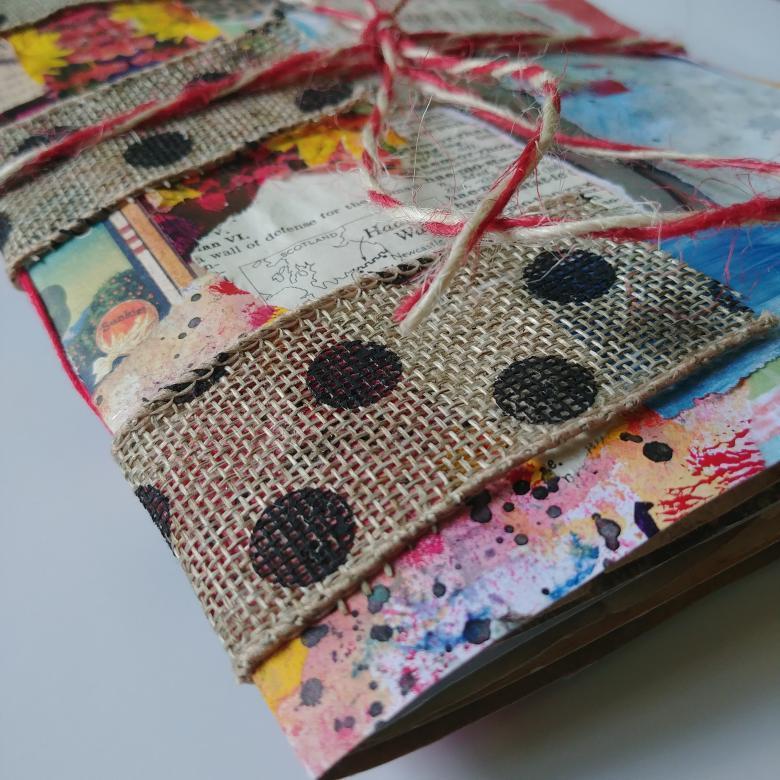
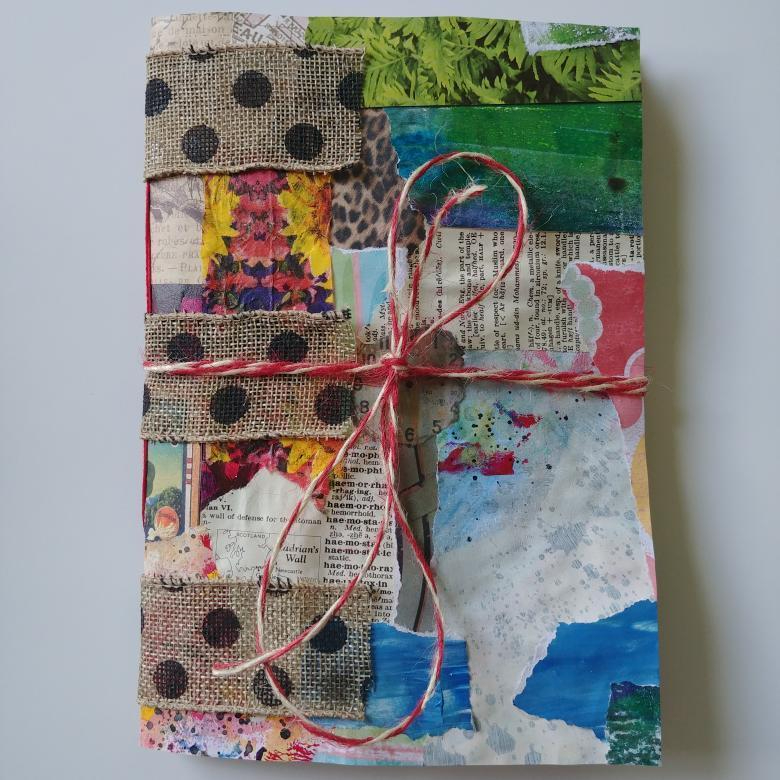
I made this journal cover by using my collage papers made from scraps of paper that have been piling up. Paper really is the gift that keeps on giving. This is a one signature journal and will fill up fast. These styles of journals make great travel companions and fit nicely into your on-the-go tote. If you’re a reader like me, they are also great for taking notes of the books you read. While many annotate their books, others prefer to not mark up the pages. These journals are the perfect solution. Spiral notebooks work just as well but these journals make it fun!

Today, I want to talk more about journal writing. Oftentimes I still come across people mentioning that they are finding it hard to write in their journal, whether it be, lack of habit, or what to write about. People feel intimidated by the act of writing your inner most thoughts and feelings. Perhaps, it’s because when one does so, it exposes you in a way and I don’t mean to the outside world, but to you. I believe that is what we need more of. The examination of self and to look back on what we were experiencing, even if it is ugly or uncomfortable. That said, journaling isn’t strictly just writing those uncomfortable moments you are revealing about yourself to yourself. Journaling is rewarding and is a positive medium in one’s life. Journaling can be about anything, really. It can be as small as writing watch you watch on TV that day. Just write it down. Start somewhere simple and watch your words develop. You’ll be glad you did. It is a treasure to look back on the things you were experiencing from years gone by. There is much to be said about this pastime.

But how does one get started? I can’t write whole paragraphs, one might say. You don’t have too and as I said above, journaling can be about anything. Even with one word. Below the prompts you see, I have written example sentence to give you a sense of what I’m talking about.

These journal prompts are great to put on small journal cards if you want to make it brief. They are also great for hiding them in pockets and tucks in your journals. That is if you are creating journals with places to store your cards. I like to use old scrap paper and decorate them on the front after I have written on the back.

Journal Prompts

Currently:

  1. Summary of daily prayer.
  2. List of daily goals and tasks.
  3. What you are tired of doing.
  4. What are you overthinking?
  5. What you want to do but haven’t done.
  6. Favorite craft supply.
  7. Listening.
  8. Enjoying.
  9. Disliking.
  10. Something that makes you smile.
  11. A book you finished.
  12. An artist you discovered. Can me any type of artist.
  13. Book on your night stand.
  14. Recent books you added to your -to-read or wish-list list.
  15. Something you are excited for.
  16. Paining
  17. Recent happy mail.
  18. Weather.
  19. Changing a habit.
  20. An outing.
  21. Seeing anything interesting on a nature walk.
  22. Passage from the Bible.
  23. Quote.
  24.  Title of poem you love or currently reading.
  25. A dream you remembered.
  26.  A memory from long ago you remembered.
  27. What doesn’t taste good to me any longer.
  28. Color.
  29. How many crafty/art projects I’m working on.
  30. How my art made me feel today.
  31. How my writing made me feel today.
  32. How many items I checked off my to-do-list today.
  33.  Favorite animal. -Yes, this is important too.
  34. Recent purchase.
  35. God’s purpose.
  36. How I felt about social media today.
  37. Who did I talk to and what about?
  38. Favorite historical period.
  39. A book that has been on your mind a lot lately.
  40. Feelings.
  41. What you ate today.
  42. Favorite beach destination.
  43. Favorite vacation.
  44. Favorite State.
  45. Favorite country.
  46. Bird watching. (I have an amusing story about this one. It involved a recent visit with my sister.)

The list goes on…

Example sentences of one or two liners:

  1. I woke up feeling refreshed today and had a good outlook on today’s activities.
  2. I drank three cups of coffee today and I just know it will keep me up tonight.
  3. Today, we went to our local park and the outside air was cool and breezy.
  4. I recently purchased note cards from the Dollar Tree and they are beautiful! I can’t wait to use them for sending mail to my friends and family.
  5. Mood.
  6. Today was busy and it took me much longer to get done wanted I wanted to accomplish.

Okay, so these many sounds boring to write down but when you go back and look at them in the future, they might spark your memory on something you want to write about, or you will be amused by what you wrote. It is also fun to look back on these and compare your writing from then to now. -Stephanie Hopkins

Other Similar Topics:

30-Day Journal Prompts -There will be a few repeats of prompts on this post. I still recommend checking out this post.

Hello Monday, Let’s Do This

Layered Pages: Art of Journaling

Saturday Sunday: The Mighty Smash Book

Crafting on a Budget

Simply in the Moment

Sketching Tips for Beginners

I sketch my landscapes and buildings before I collage them. It’s not as difficult as one might think. Here is an example. I wanted to sketch a barn that you see often in the south. I chose to do this on a sheet of paper and not on the wood base. I started with the roof line and went from there. After I was finished with the sketch, I cut out the barn then collage with my painted paper. Then from there I added it to my landscape with matte medium.

Tips for Beginners: Be sure to relax your hand and fingers when holding your pencil or charcoal pencil. Start drawing with short lines and expand from there.  I recommend not positioning your fingers too close to the lead tip when sketching. Practice. Practice. Practice. Don’t give up! More crafty tips to come! -Stephanie Hopkins

Related Post: Landscape Collage Art

***********

Images may be subjected to copyright. All book reviews, interviews, guest posts, art work, photos and promotions are originals. In order to use any text or pictures from Layered Pages, please ask for permission from Stephanie.

Layered Pages Banner